Types of Equipment

Ever wondered just how many different types of construction equipment there are? We’ve got a category that explains all the different types of machinery that’s out there, from excavators and loaders to dump trucks and rollers. we break it down in a way that helps you figure out where each type is best suited for use.
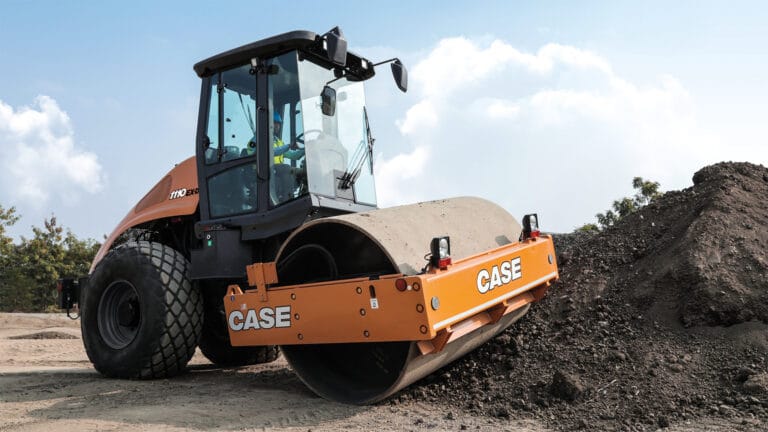
A compaction roller is a common sight on Australian construction sites, using weight and often vibration to press soil, gravel and asphalt into a dense, stable base before building continues. Quotor’s guide to compaction rollers spans from compact trench units to heavy three-point road rollers, and picking the right one starts with knowing how each works.

August 12, 2026

The Latest

Explore various models of dozers from hire companies near you.
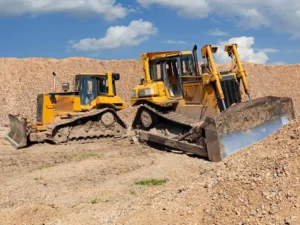
Every dozer pushes material the same way, using a fixed blade on a tracked machine, but the machine behind it ranges from a compact crawler suited to constrained sites to a 100-tonne-plus mining giant. A dozer is one of several types of earthmoving equipment, and getting its size wrong costs money either way: an undersized machine turns a two-day push into a week of overtime, while an oversized one can’t get through the access point or sits on an hourly rate the job never needed. This guide covers how dozer size is measured, what drives the decision, and how to match a class to the job at hand.
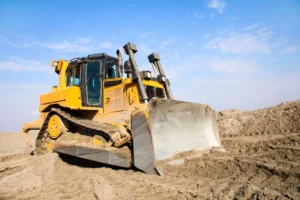
A bulldozer is a heavy-duty tracked or wheeled machine built to push, grade and clear soil, rock and debris using a blade at the front. Every modern bulldozer runs on the same core components: an engine and drivetrain that generate and deliver power, an undercarriage that carries the machine across the terrain, a cab where the operator sits, and a blade that does the physical work. For the full picture of how bulldozers are classified and used, see Quotor’s guide to what a dozer is. Bulldozers sit alongside excavators and other earthmoving equipment on most construction projects, all built for moving large volumes of soil or material.
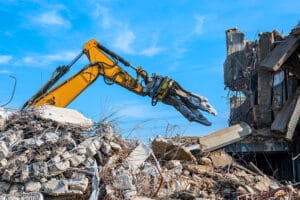
Demolition work is a complex and multifaceted process that requires careful planning, precise execution, and, most importantly, the right equipment. From tearing down old buildings to clearing land for new construction, demolition projects heavily rely on the construction equipment to get the job done. This article takes a deep dive into the world of demolition, exploring the different types of demolition equipment, their uses, and what you need to consider when picking the right tools for the task at hand.
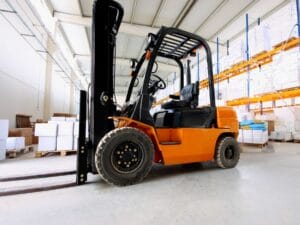
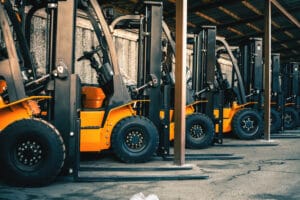
A forklift is a powered industrial truck built for material handling: lifting, carrying and stacking loads on forks mounted to a vertical mast. Most forklifts used on warehouse floors and construction sites are counterbalance forklifts, meaning a weight at the rear of the chassis offsets the load out front rather than relying on outriggers. For a full breakdown of how forklifts are classified and used, see what a forklift is and how it works. The parts covered in this article describe a standard counterbalance forklift specifically.
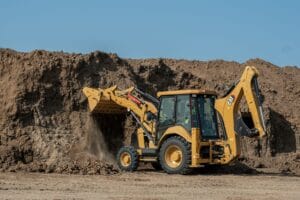
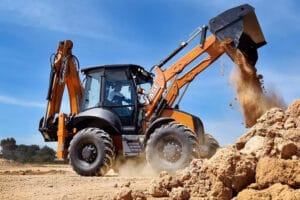
As the name implies, a backhoe loader combines two machines in one: a front loader and a rear backhoe, mounted on a single tractor-style chassis. It’s a piece of construction equipment useful for agricultural, utility and construction site work alike, built to switch between loading, carrying and digging without swapping machines. See what a backhoe loader is and how it fits within earthmoving equipment. Quotor lists backhoe loaders in its backhoe loader category for hirers comparing machines by size.
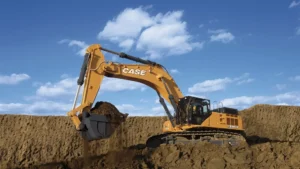
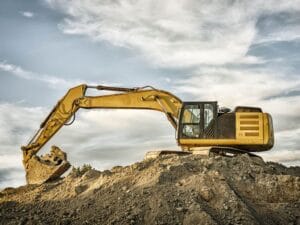
An excavator is a piece of earthmoving equipment that combines a rotating upper structure, an articulated digging arm and a mobile undercarriage into one unit, using hydraulic power for digging, lifting and excavation work on a job site. For a full look at how excavators are classified and used, see Quotor’s guide to what an excavator is. Quotor lists excavator equipment for hire, from mini excavators, ideal for tight spaces on residential jobs, to larger crawler machines for civil work.
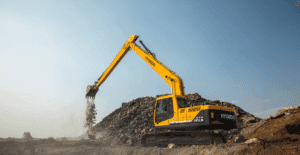
A long reach excavator is a standard excavator fitted with an extended boom and arm, built to dig deeper and reach further while its tracks stay on stable ground. Quotor lists long reach excavators as their own category within its excavator range, alongside standard, mini and wheeled machines. This guide covers how they work, what they’re used for and what to check to choose the right one before hiring.
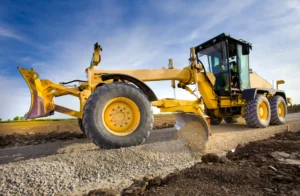
A motor grader is one piece of equipment that turns a rough, uneven site into something you can actually build on. Long, low and unmistakable with its blade slung underneath the frame, a grader is the machine crews reach for whenever a surface needs to come out dead flat or sit at a precise fall. Whether you’re comparing hire options through Quotor or just trying to work out if this is the right machine for your job, it helps to understand what a grader actually does before you start comparing models.
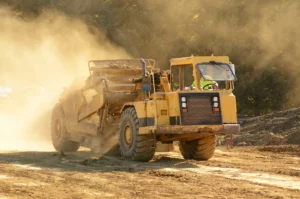
A scraper is a heavy-duty earthmoving machine that cuts, loads, hauls and dumps material in one continuous pass. Quotor lists scrapers alongside dozers, graders and loaders as core earthmoving equipment, though a scraper does the job of both an excavator and a truck in one machine. The rear-mounted bowl, sometimes called the pan or hopper, is what sets it apart from other earthmoving plant.
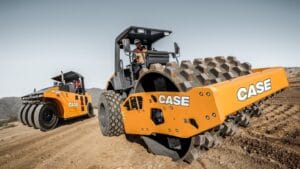
Compaction rollers range from small remote controlled trench units to heavy static three-point rollers, and the type of roller you choose affects compaction quality and rework risk. This guide covers the main types of compaction rollers used on Australian sites, how they compare and how to choose the right one for your soil, site and project. Quotor’s roller category brings these machines together in one place, making it a useful starting point for comparing hire options.
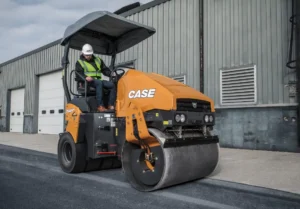
A combination roller pairs a smooth steel drum with pneumatic tyres on the same chassis, so one machine handles the compaction and finishing passes that asphalt work usually needs in separate stages. Quotor lists combination rollers as their own equipment category, alongside other earthmoving and construction equipment used across Australia.
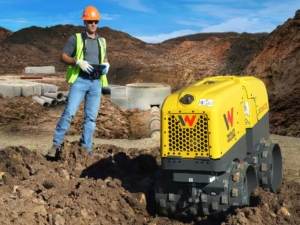
A trench roller is a compact roller, operated by remote control, built for narrow trenches, pipeline corridors and other confined spaces a standard ride-on unit can’t fit into. Also called a trench compactor, it runs two vibrating drums on an articulated frame to knead and compact backfill soil around pipes and cables, delivering more compaction force than a walk-behind plate compactor in the same footprint. Within Quotor’s roller category, trench rollers are a distinct type built for trench and foundation work rather than open-area compaction, used across Australian construction and civil sites.
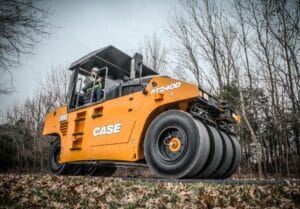
A pneumatic roller uses air filled rubber tyres instead of a steel drum to compact asphalt, granular base material and lightly cohesive soils. It’s one of the machines Quotor helps contractors source, from a small resurfacing job to a full construction project. This guide covers how they work, where they’re used, how they compare, and what to weigh up before hiring one.
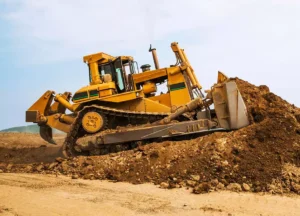
A bulldozer, or dozer, is a heavy tracked or wheeled machine built around one job: pushing material with a large front-mounted blade rather than digging or lifting it. Unlike a bucket on an excavator, the blade doesn’t come off; it’s fixed to the machine, hydraulically raised, lowered and angled from the cab. That’s the line separating a bulldozer from every other earthmoving category on Quotor’s bulldozer equipment page. Bulldozers run on either steel tracks or rubber tyres, and both versions sit inside the same equipment category, split by undercarriage rather than by what the machine does.
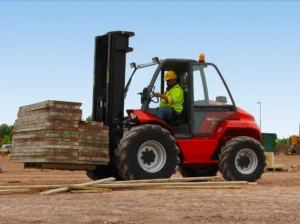
Built for ground a standard warehouse forklift can’t handle, mud, loose fill, slopes and unsealed construction sites, Quotor’s range of rough terrain forklifts spans 2WD, 4WD and compact configurations. This guide covers how they work, where they’re used, and what to weigh up before hiring one.
A high reach forklift, also called a reach truck, is a type of forklift designed to lift pallets into high racking while working in narrower aisles than a standard forklift needs. Quotor lists high reach forklifts within its broader forklift category, alongside counterbalance forklifts and other lift truck types, since the controls are similar even though the mast and frame are built for a different job.
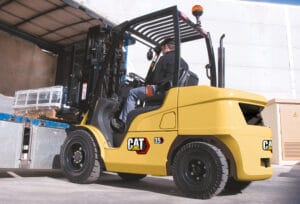
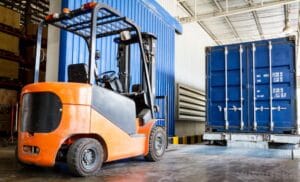
A counterbalance forklift is the type of forklift truck most people picture when they hear the word forklift: forks at the front, an engine or motor behind the operator, and a heavy, external counterbalance weight at the rear that offsets the load being lifted. That weight gives the machine its name, and separates it from a reach truck, which uses outrigger legs and a reach mechanism instead of a rear weight to stay stable. Counterbalance and reach trucks are the two most common forklift types on Australian sites, and on Quotor’s forklift range, they sit as separate equipment categories.
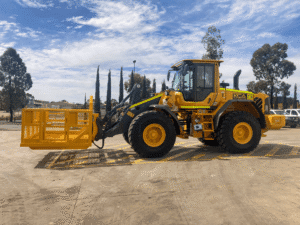
An integrated tool carrier (ITC) is a wheeled loader built around a fast attachment coupler and a lifting linkage designed for handling loads rather than just digging into them. On Quotor, ITCs sit inside the broader loader category alongside wheel loaders, skid steers and compact track loaders, built for sites where the task changes hour to hour rather than staying fixed on one job. This guide covers what sets an ITC apart from a wheel loader, the attachments it runs, where it earns its keep, and what to check before hiring.
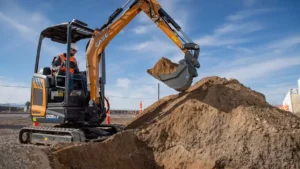
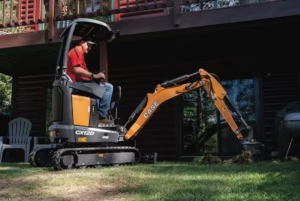
Not every excavation job needs a machine the size of a shipping container. A mini excavator is built for the jobs in between, too big for a shovel and wheelbarrow, too small to justify a full-size excavator. This complete guide covers what a mini excavator is, the size bands Quotor lists it under, and what to check before you hire one.
An excavator is a hydraulic machine built around a boom, an arm (or dipper) and a bucket, mounted on a rotating house that sits on tracks or wheels. That rotating house lets an excavator dig, lift and swing material without repositioning the machine, unlike a backhoe loader, whose rear digging assembly has a much more limited swing range. There are several different types of excavators and sizes, from micro machines under around 1.7 tonnes to extra-large mining units, and Quotor organises its listings around this range to help contractors compare options.