Excavator Hire

Looking to rent a digger for your next project? Our excavator guide helps you choose the right machine by exploring the different excavator categories, from micro and mini excavators to large mining machines. Learn about typical applications, hire rates, attachments, and operating costs, browse related articles and FAQs, and compare equipment suited to residential, commercial, civil, and mining projects. Whether you’re tackling a backyard renovation or a major earthmoving job, Quotor provides the information you need to make an informed hiring decision.

Hire Excavators from Suppliers Near You

ACT NSW NT QLD SA VIC WA

Wide Range of Excavators

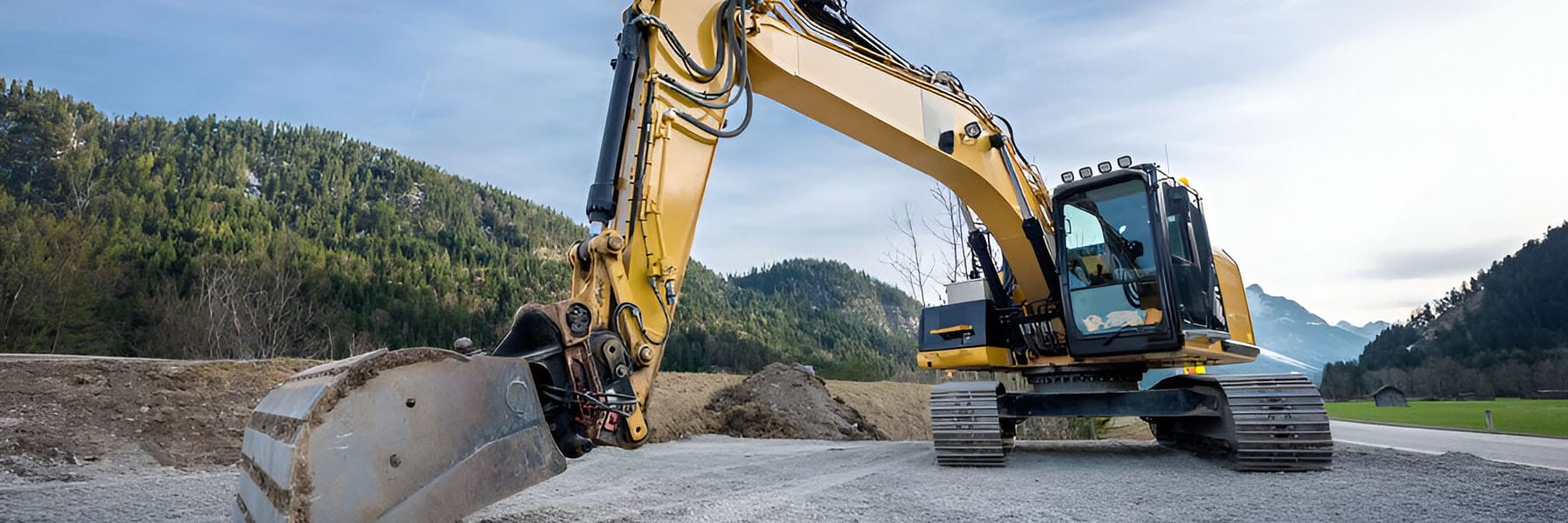
From 1 tonne mini excavators for tight spaces to 50 plus tonne heavy-duty machines for large-scale earthmoving projects – we got the full range in our fleet!
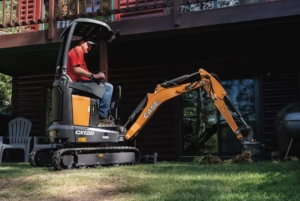
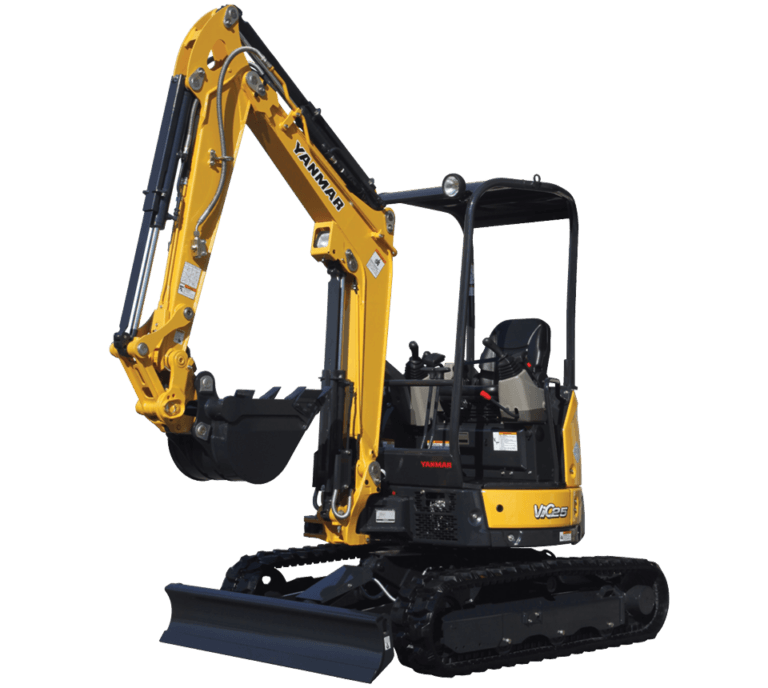
Micro Excavator

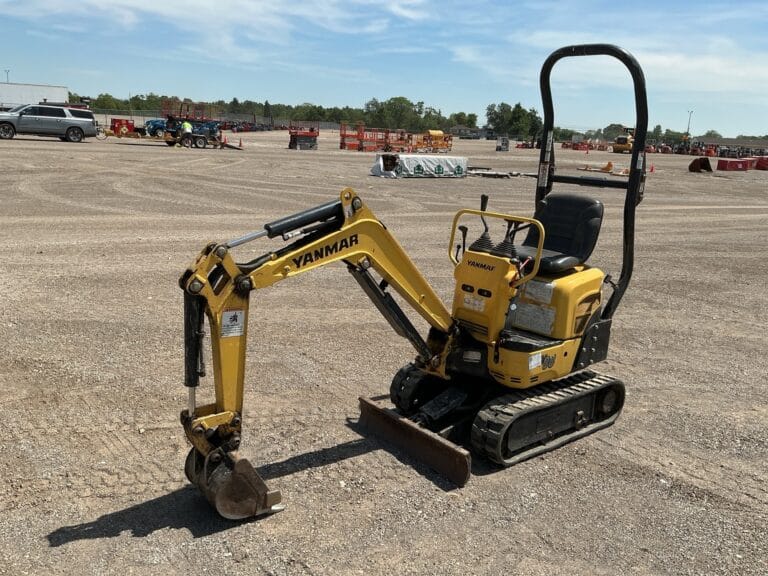
Micro Excavators
(under 1t)

The smallest excavators, designed for tight spaces, restricted access, indoor work, landscaping, trenching, and light residential projects.
Mini Excavator

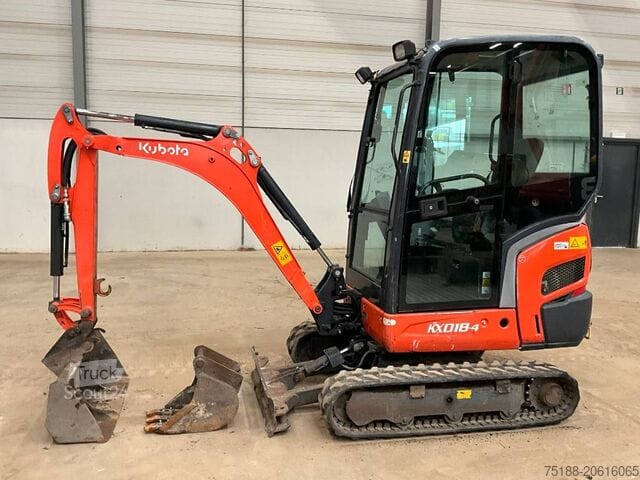
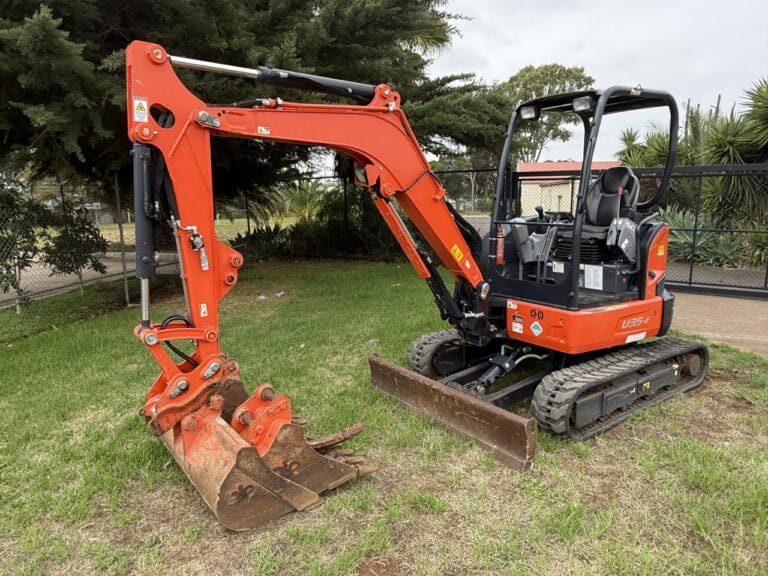
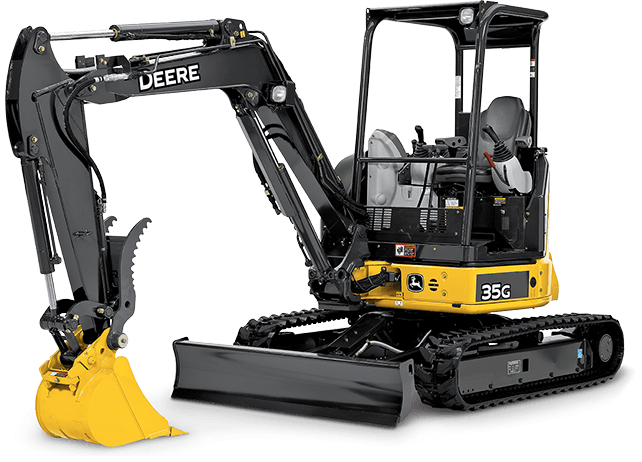
Mini Excavators
(1.7 -10t)

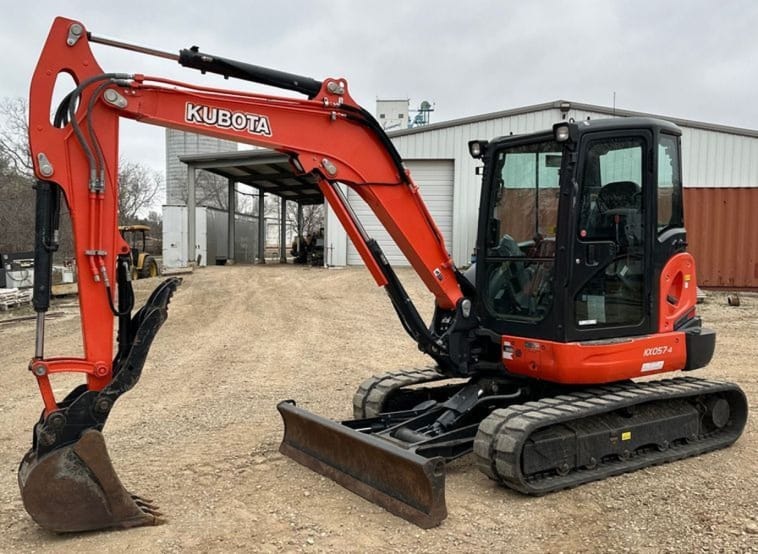
Versatile machines ideal for residential construction, landscaping, drainage, utility installation, and general earthmoving in confined spaces.
Small Excavator

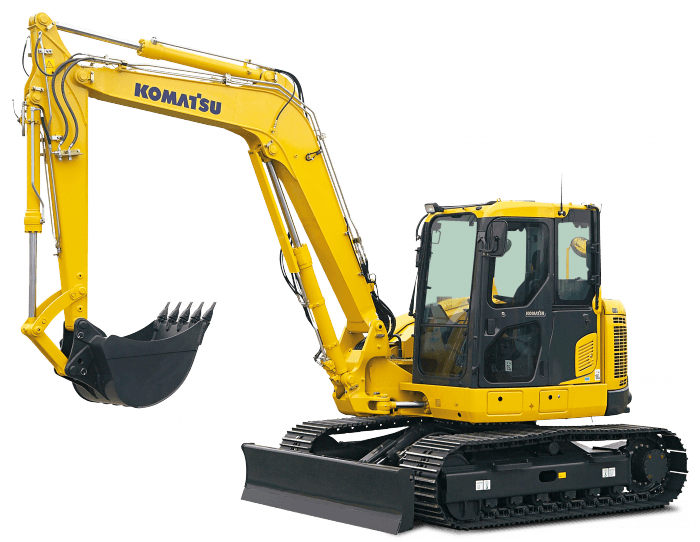
Small Excavators
(10 — 19t)

More powerful than mini excavators, making them well suited to roadworks, utility projects, commercial construction, and medium-scale earthmoving.
Medium Excavator

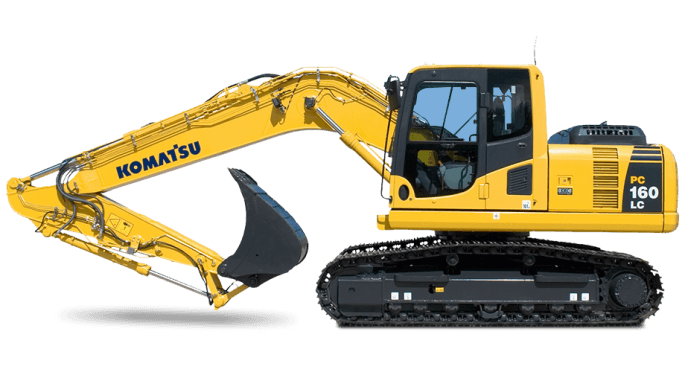
Medium Excavators
(20 — 35t)

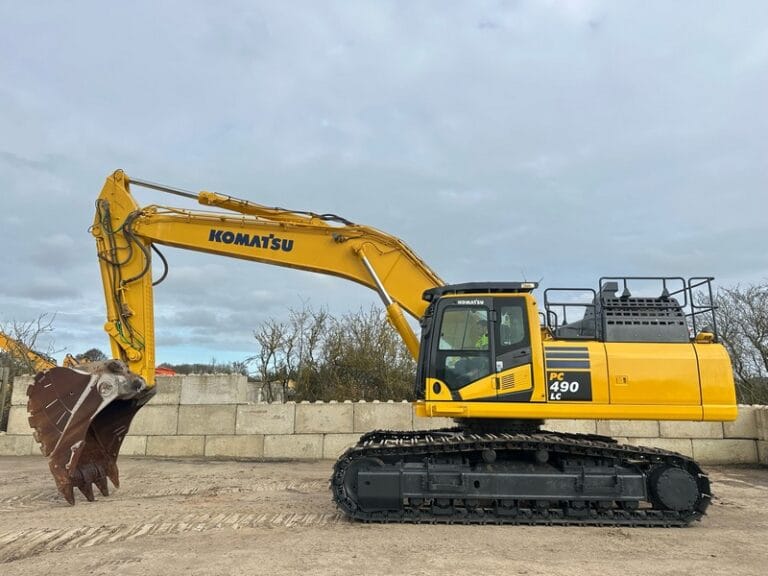
A balance of power and versatility for civil infrastructure, commercial construction, bulk earthmoving, and demanding excavation projects.
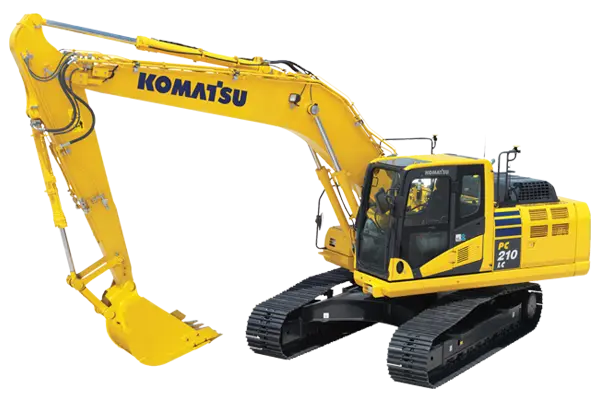
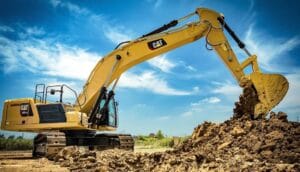
Large Excavators

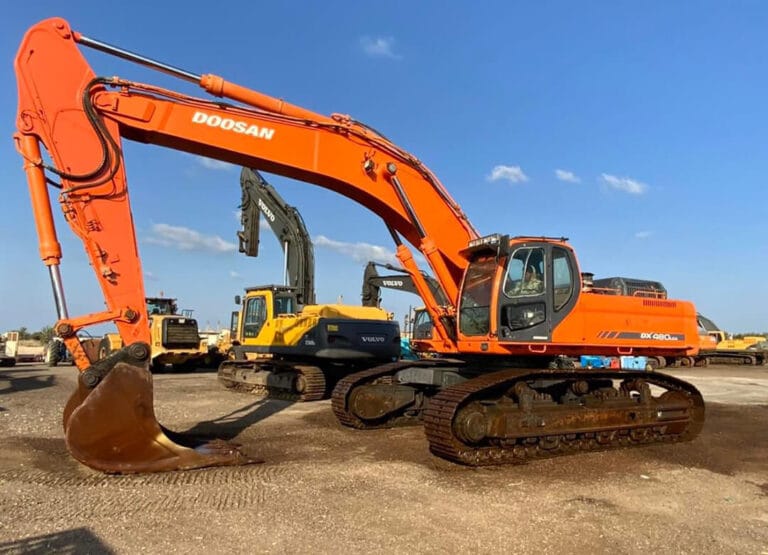
Large Excavators
(36 — 70t)

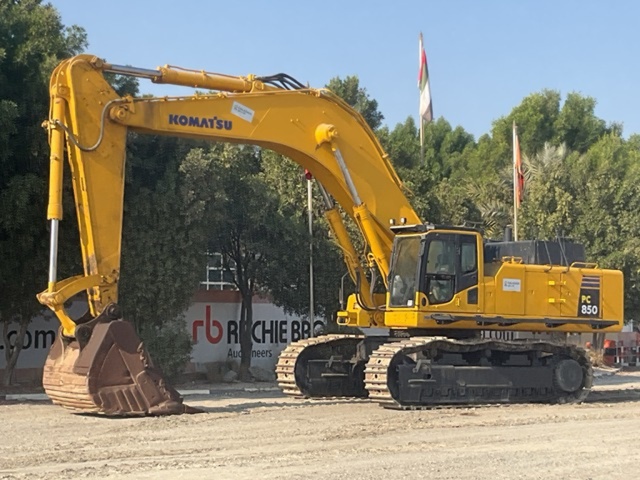
High-production machines designed for major earthmoving, quarrying, mining support, deep excavation, and large civil infrastructure works.
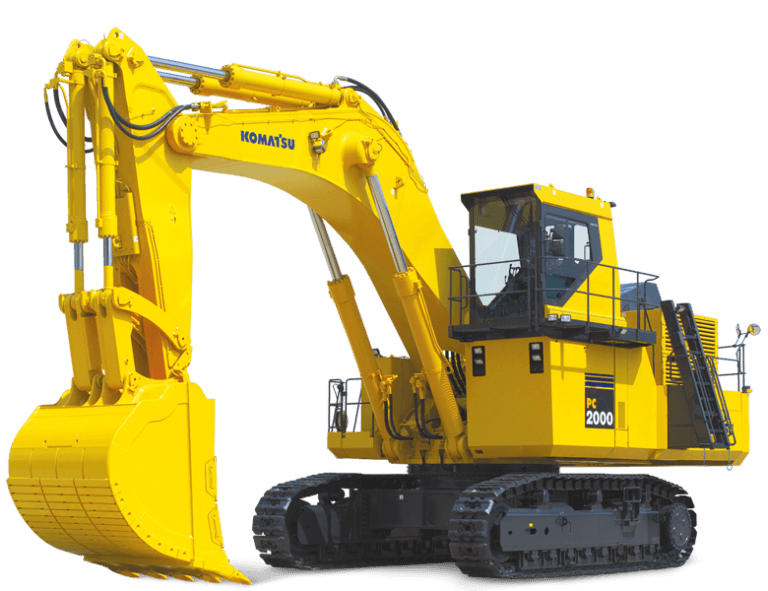
Extra Large Excavators

Extra-Large Excavators
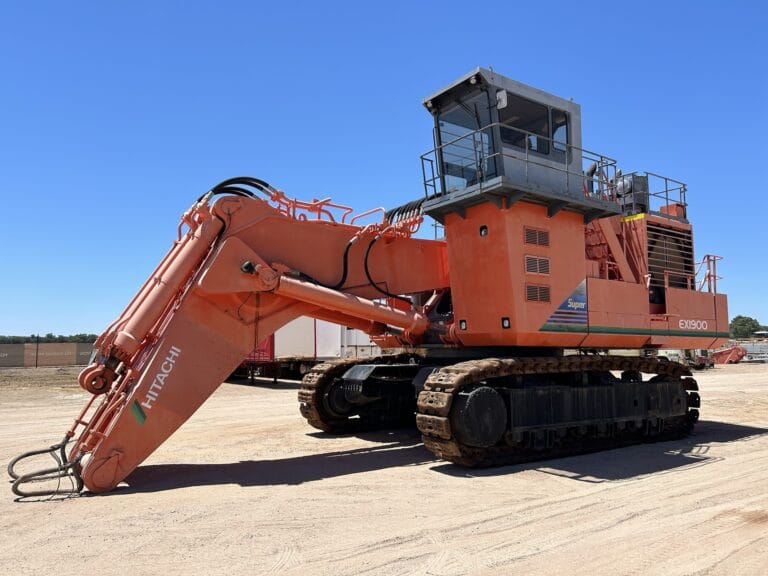
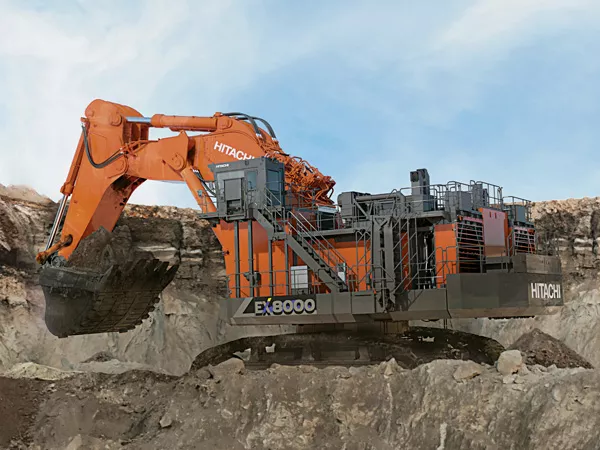
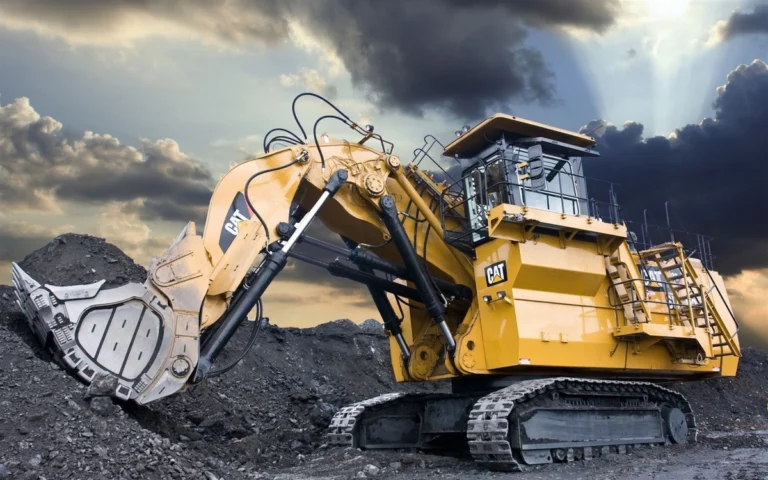
(70t plus)

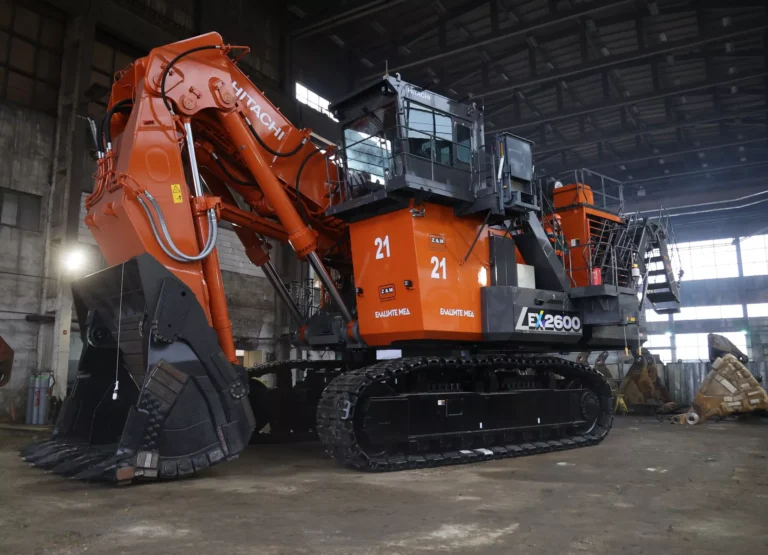
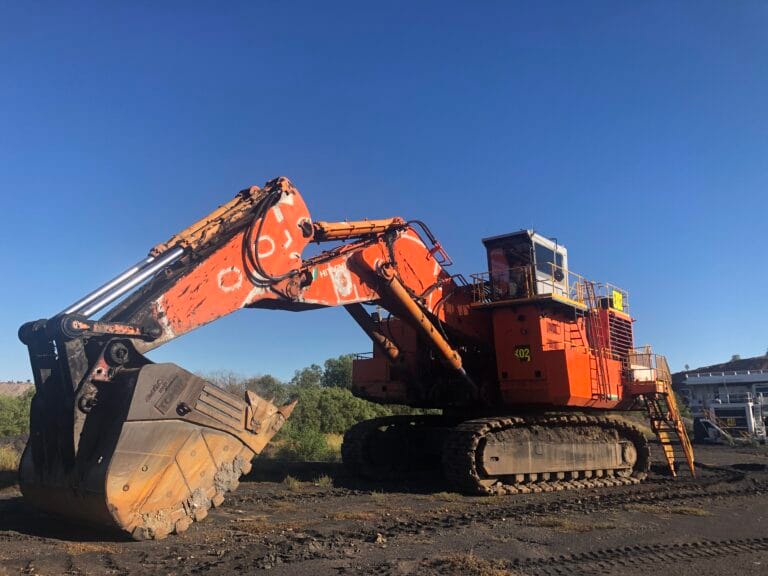
Heavy-duty excavators built for mining, bulk earthmoving, and major infrastructure projects requiring maximum digging power and productivity.

Long Reach Excavators

Long Reach Excavators

Extended boom excavators designed for dredging, demolition, deep excavation, slope stabilisation, and other difficult-to-access applications.
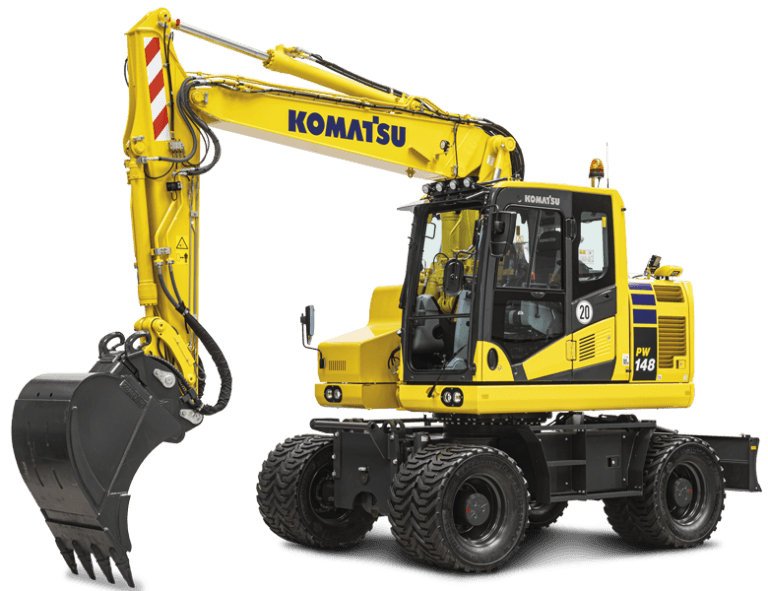
Wheeled Excavator

Wheeled Excavators

Rubber-tyred excavators offering excellent mobility for urban construction, roadworks, utilities, and projects requiring frequent repositioning.
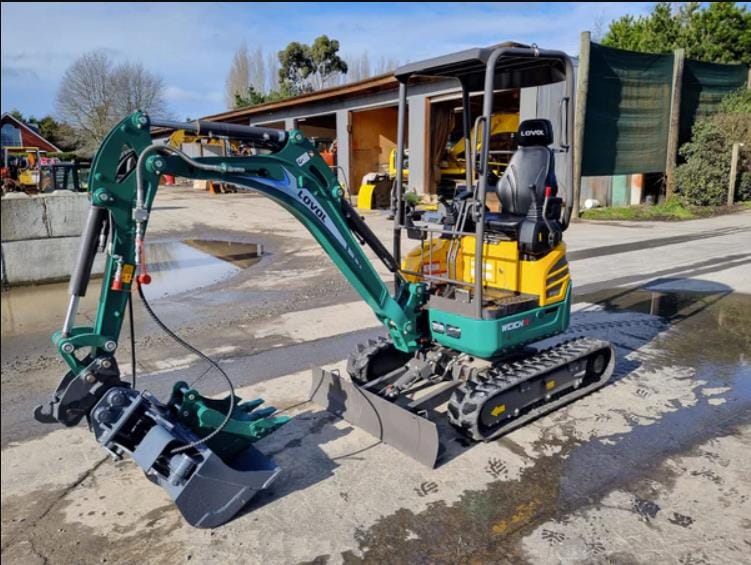
If you need a combination of excavator with a loader then a Backhoe will do its job. Those could be found in the Loaders section.

New Additions

Explore various models of excavators from hire companies near you.

Typical Excavator Hire Rates

Excavator hire cost depend on the size, duration, and location. Below are hourly and weekly excavator rates for your reference. Attachments, gasoline, and the need for additional services may incur extra fees.

Excavator SizeDryWet
1.7 Tonne$45p/h +GST$125p/h +GST
3.5 Tonne$55p/h +GST$130p/h +GST
5 Tonne$60p/h +GST$135p/h +GST
8 Tonne$65p/h +GST$140p/h +GST
13 Tonne$75p/h +GST$150p/h +GST
15 Tonne$80p/h +GST$150p/h +GST
25 Tonne$95p/h +GST$180p/h +GST
30 Tonne$110p/h +GST$190p/h +GST
35 Tonne$125p/h +GST$200p/h +GST
50 Tonne$185p/h +GST$280p/h +GST

Dry Hire vs Wet Hire

When it comes to hiring equipment, you are generally presented with these two options. The choice will depend on whether you possess the experience required in operating the machine you are hiring or need external assistance.
Dry HireBusinesses or individuals who have expertise operating the hire themselves may find this option suitable, where only the plant is rented.
  • If you already have trained staff, then this is the best option.
  • When you possess the knowledge necessary to operate the equipment in a safe and efficient manner.
  • If you wish to save on costs and are confident in managing the vehicle.
  • For longer-term construction projects, where hiring assistance may become expensive.
Although hiring equipment this way can be less expensive, the renter is in charge of running the unit, including any repairs or maintenance that may be required.
Wet HireThe need for both the plant and a trained controller is sometimes referred to as wet hire. This choice is ideal if you lack the staff or require someone with particular knowledge to do so.
  • When a qualified staff is unavailable.
  • When an experienced technician is needed for the range of construction jobs to guarantee efficiency and safety.
  • When you want the ease of having someone tackle short-term jobs.
  • Whether you are performing jobs that call for a certain set of skills, including negotiating challenging terrain or precise excavation.
Such rental may be more expensive, yet it offers further assurance by a qualified individual who can manage unforeseen difficulties.

Additional Hire Costs

Fuel, delivery, insurance, and accessories may incur additional hire fees based on your hire agreement. The overall cost may also be impacted by additional fees, damage waivers, and excess usage costs.

Attachments: Specialized tools, such as compaction wheels, rock breakers, or augers, might cost extra and usually range from $20 to $50 per hour.

Travel and Mobilization: Some providers charge for the time it takes for the operator to travel. If you decide to upgrade later, there can be an additional cost involved.

Minimum Hire Durations: For machinery weighing up to eight tonnes, many companies impose minimum hire durations of three hours + one hour for travel.

Penalty Rates: There may be an additional fee, often around 30%, for work done on Sundays, public holidays, or beyond regular business hours.

Since pricing might vary depending on area demand and availability, it is best to request multiple quotes for the most accurate and current rates.

Common Excavator Attachments

To improve productivity, one might need a range of excavator attachments than can be easily swapped.

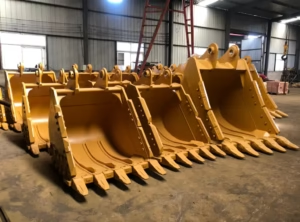
Tilt Buckets (Standard, Trenching, Mud, GP) — Used for digging, trenching, and material handling.

Auger Drills — Perfect for planting trees and drilling holes for foundations and fencing.

Rock Breakers — Also known as hydraulic hammers, used to shatter asphalt, rocks, and concrete.

Grapples & Grabs — Ideal for managing scrap, logs, and demolition waste.

Compaction Wheels & Plates — Useful for tamping trenches and dirt.

Rotating Tilt Hitches — Offers maximum versatility, allowing bucket swing and rotation for accurate digging.

Ripper Blades — Used to cut through compressed soil and hardened ground.

Questions About Excavator Hire

Frequently Asked Questions

Do I need a certificate to operate an excavator?

To operate machinery, including excavators, in Australia one must possess either a High-Risk Work Licence or a Certificate of Competency. After completing the required training, you can apply for the appropriate licence through Safe Work Australia or the local regulatory agency. Always ensure you are aware of the most recent requirements in your area.

Where can I hire an excavator?

Both local branches and national hire companies offer a wide variety of large and small excavators for rent. You can compare and request a quote from several vendors using online platforms such as Quotor. Some building supply vendors also provide equipment hire. Be sure to check terms, pricing, and availability based on your location.

How much I should be paying to supplier?

The cost to hire an excavator depends on the size, duration, location, and additional services. On average, mini excavators (1-5 tons) cost between $200 and $400 per day, medium excavators (6-10 tons) range from $350 to $650 per day, and large excavators (10+ tons) can cost anywhere from $600 to $1,200 per day. Requesting multiple quotes can help you find the best deal!

What are the best excavator brands?

Top excavator brands include Caterpillar (CAT), comes highly recommended as a construction industry leader in terms of longevity and dependability; Komatsu, known for its cutting-edge technology and high quality; Hitachi, praised for its productivity and low maintenance; Kubota, ideal for those requiring compact machines for small job sites and urban environments; and JCB, known for high-performance fuel-efficient diesel machines, among many others.

Excavator Hire Guides

For information on hiring an excavator, rates, attachment and selecting the best equipment for your job, refer to the list of articles below. Find more about hire alternatives, attachments, and other.
In the world of heavy-duty equipment, an excavator is one of the most useful tools available. However, their large size may limit their usability in certain jobsites. That is why we have micro-excavators, which are a versatile tool for a variety of smaller projects. Micro-excavators are compact and provide the same level of power as regular-sized units. In this article, we will explore what micro-excavators are, their characteristics, their comparisons to mini-excavators and finally, we will take a look at the benefits of using a micro-excavator.

July 19, 2026

Related Categories

Browse other equipment for hire categories that might be related to your current earth moving project.

Wheel Loader Hire

Loaders

Wheel Loaders, Track Loaders, Backhoes, Mini Loaders, Posi-Tracks, Skid Steers