
Understanding Excavator Brands
What Is an Excavator?
An excavator is a tracked or wheeled piece of machinery built around a boom, arm and bucket, used for digging, lifting and material handling on construction and civil works sites. For more on how the machine works, see what is an excavator. Quotor’s excavator category page lists current excavator models if you want to browse directly.
Why Excavator Brand Matters
Any excavator can dig a trench. What separates brands is what happens after purchase or hire: how quickly parts arrive, how many dealers stock the model locally, and how the machine holds its resale value and reliability over time. Control layout and daily maintenance points also vary from one brand to the next. See how to operate an excavator for how those differences show up in practice.
How Excavator Brands Differ
Manufacturers differentiate on a handful of specific fronts across the construction industry: tail-swing design (zero, short-radius or conventional), hydraulic and grade-control technology, dealer network size, and which segment the brand built its reputation in. Caterpillar, Komatsu and Volvo cover a broad range from compact mini excavators through large excavators, though exact size limits vary by current lineup. Others, such as Kubota and Yanmar, are strongest in the compact segment.
Leading Excavator Brands
Caterpillar
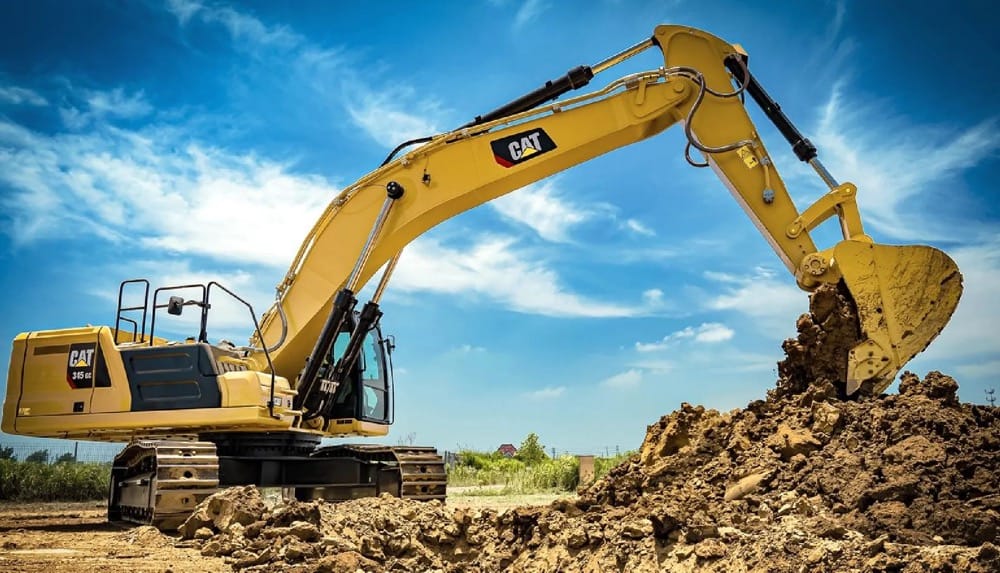
Caterpillar is one of the world’s largest construction equipment manufacturers. The 300 series covers mini excavators from under one metric ton up to 10 tons, mid-size models run through the 13 to 20 ton range, and the 390 and larger machines serve heavy construction and mining work above 200,000 pounds. The Next Generation mini excavator product line adds the Cat Stick Steer system and pressurized, climate-controlled cabs.
Komatsu
Komatsu, a Japanese manufacturer, released the PC200-8 Hybrid in 2008, widely credited as the industry’s first hybrid electro-hydraulic excavator. Its intelligent Machine Control (iMC) system, available on select mid- and large-size models, factory-fits GPS grade control and auto-tilt bucket functions aimed at closing the skill gap between operators and lifting productivity on the job site.
Hitachi
Hitachi Construction Machinery has designed and built its Zaxis (ZX) excavators independently since ending a manufacturing partnership with John Deere in 2022, and now runs its own dealer and support network in the Americas. The range spans standard crawler excavators through ultra-short tail-swing compact models for the same tight spaces on urban job sites Kobelco and Kubota compete for.
Volvo
Volvo Construction Equipment emphasizes operator safety and visibility, with ROPS-certified cabs and 360-degree sightlines. Some newer models use an electric-over-hydraulic control system that manages hydraulic flow on demand, improving cycle time and fuel efficiency, and Volvo has extended that focus on emissions and sustainability into a growing line of fully electric compact excavators.
John Deere
John Deere took full control of its excavator design and manufacturing for the Americas in 2022, after ending a joint venture with Hitachi that had run since 1988. Deere-branded excavators are now developed in-house and integrated more closely with the rest of Deere’s construction and forestry lineup, which can matter to buyers already running Deere equipment on site. See John Deere’s current models.
Kobelco
Kobelco has manufactured excavators since 1930 and developed what it describes as the first short-rear-swing (SR) excavator, a design that reduces rear swing by keeping the counterweight within the tracked width for work close to walls. Its iNDr cooling system keeps Kobelco excavators running at low noise with reduced dust while extending service intervals.
Kubota
Kubota has built the brand’s reputation primarily in the compact and mini segment through its KX range of models, offering both zero-tail-swing and conventional-radius configurations across weight classes from under two tons to over eight. Recent-generation models offer KubotaNow telematics and prioritize daily maintenance points, filters, dipsticks and hydraulic valve banks, reachable without extra tools.
Yanmar
Yanmar’s parent company built one of the first practical compact diesel engines in 1933. Its ViO excavator series, launched in 1993, is credited with popularizing the zero-tail-swing concept across the compact excavator market. The design keeps the cab and counterweight within the track width, letting the machine rotate fully next to a wall or vehicle without risk of collision.
Bobcat
Bobcat, an American company founded in West Fargo, North Dakota, was an early producer of compact excavators in the United States and remains active in that segment today under its current owner, the South Korean group Doosan. Some compact models include a digital depth-check system that uses bucket-position sensors to prevent over- or under-digging without manual measurement.
Other Excavator Brands to Consider
SANY
SANY, founded in China in 1989, has grown into a major global excavator producer with an expanding dealer footprint outside China. Its range now includes fully electric machines, such as the SY215E, which the company has started exporting to European markets. See SANY’s current listings.
New Holland
New Holland’s construction equipment arm operates under CNH Industrial, headquartered in Turin, Italy. Its excavator range runs from compact D-Series minis, now with electric options, up through mid-size crawler models. Check New Holland’s excavator listings for current stock.
Other Established and Emerging Manufacturers
JCB, a British manufacturer founded in 1945, built its reputation on inventing the backhoe loader and has more recently introduced zero-emission and hydrogen fuel-cell excavators. Takeuchi, a Japanese company founded in 1963, is widely credited with building the first compact excavator, the 1971 TB1000, and remains compact-focused. Wacker Neuson, a German-Austrian manufacturer, was an early mover into electric compact excavators with its 2018 EZ17e. Hyundai and Develon (the renamed construction equipment brand formerly sold as Doosan) are both South Korean manufacturers with growing dealer networks. None of these five has a dedicated make page on Quotor yet, so check current stock directly with your supplier.
Comparing Excavator Brands
| Brand | Strongest position | Worth considering for |
|---|---|---|
| Caterpillar | Broad range, dealer and support network | Projects where parts and service availability matter |
| Komatsu | Machine-control technology, broad range | Civil and production earthmoving |
| Hitachi | Established crawler range, compact-radius models | General civil work and constrained sites |
| Volvo | Operator environment and efficiency technology | General construction and larger earthmoving |
| Kobelco | Excavator-focused range, short-radius machines | Urban and space-constrained work |
| Kubota | Compact excavators | Mini excavation and tight-access work |
| Yanmar | Compact, zero-tail-swing excavators | Tight-access excavation |
| Bobcat | Compact equipment ecosystem | Small construction and hire fleets |
Caterpillar vs Komatsu
Komatsu differentiates on technology: hybrid heritage and factory-fitted intelligent Machine Control that pushes toward automated grading. Caterpillar leans on dealer network size and standardized cab comfort.
Hitachi vs Kobelco
Both are Japanese manufacturers taking different engineering routes to the same tight-access jobs. Hitachi’s Zaxis compact models, now designed independently of its former John Deere partnership, use ultra-short tail-swing geometry, while Kobelco’s SR excavators move away from traditional tail-swing designs by keeping the counterweight fully within the track width, paired with the iNDr cooling system for noise-sensitive urban sites.
Kubota vs Yanmar
Both brands built their reputation in the compact segment before either expanded further, but they solved the same access problem differently. Yanmar’s identity centers on the ViO zero-tail-swing design it introduced in 1993, while Kubota offers a choice between zero-tail-swing and conventional-radius models within the same KX series, prioritizing model variety over a single signature design.
Choosing the Right Excavator Brand
Excavator Size and Model Range
Start with what size excavator you need for the job, then check whether your preferred brand builds a model in that class. Broad-range manufacturers like Caterpillar, Komatsu and Volvo cover compact through large machines, while compact specialists like Kubota, Yanmar and Takeuchi concentrate their engineering under 10 tons. Quotor’s mini excavator category is worth a look if compact is your class.
Parts and Dealer Support
Check the strength of the local dealer and service network before committing to a brand, since parts availability and turnaround vary more locally than spec sheets suggest. The parts of an excavator guide is worth reviewing so you know what to ask a dealer about, filters, hydraulic components and undercarriage parts, before you need them urgently.
Reliability and Serviceability
Among established brands, maintenance history and local support can matter as much as broad brand reputation when assessing reliability. Serviceability and durability, how easily filters, fluids and wear parts are reached, and how well components hold up under continuous use, often matter more day to day than the badge on the machine.
Brand Availability for Hire
Not every brand is stocked by every hire company, and popular compact classes such as Kubota, Bobcat and Caterpillar mini excavators tend to have the deepest fleets. If a specific brand matters to your project, confirm availability before locking in a hire date rather than after.
Purchase Price and Resale Value
Dealer support, parts availability, machine condition and local buyer demand can all influence resale value. That’s worth weighing if you expect to sell or trade the machine within a few years rather than run it to the end of its working life.
Hiring Excavators by Brand
Comparing Brand Availability Across Suppliers
Brand availability shifts by supplier and region. Quotor helps by comparing brands and models available near you across multiple suppliers in one search. See how to hire construction equipment for the process.
Matching Brand and Model to the Job
Once you know the brand, match the specific model to the job rather than defaulting to whatever’s available. A zero-tail-swing compact excavator suits work against a wall or fence line; a standard-radius machine in the same weight class often digs and lifts more efficiently where space allows.
Brand Preference vs Machine Availability
There’s no single best excavator brand. The right brand of excavator for your project depends on the model, machine condition, attachments and local supplier support as much as the badge itself. If the preferred brand isn’t available in the required class, comparing equivalent models from established manufacturers is a better move than delaying the project to secure one make. Quotor is built to support that kind of comparison across suppliers, whichever brand ends up being the right fit.