
Micro Digger vs Mini Excavator: What’s the Difference?
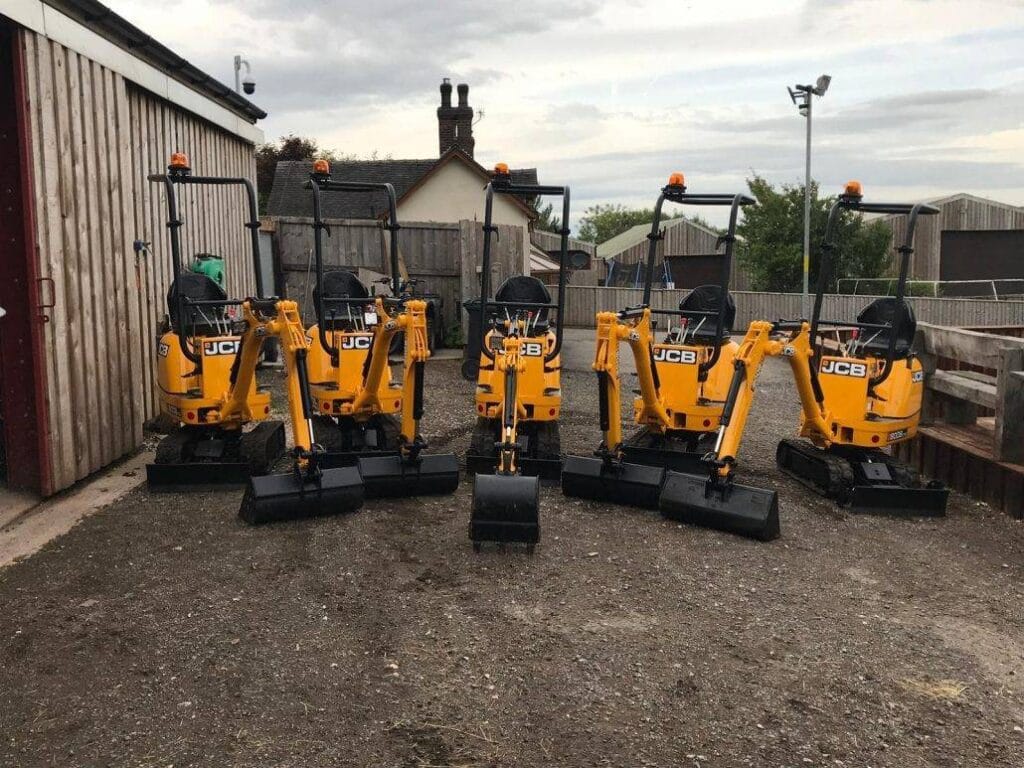
Micro diggers and mini excavators both fall under the broader excavator category, but they’re built for different jobs. Choose the wrong one and you’re either stuck with a machine too wide to get through the gate, or one that can’t dig deep enough or lift enough to finish the job on time.
Motor Grader vs Scraper: Understanding the Difference In Machinery
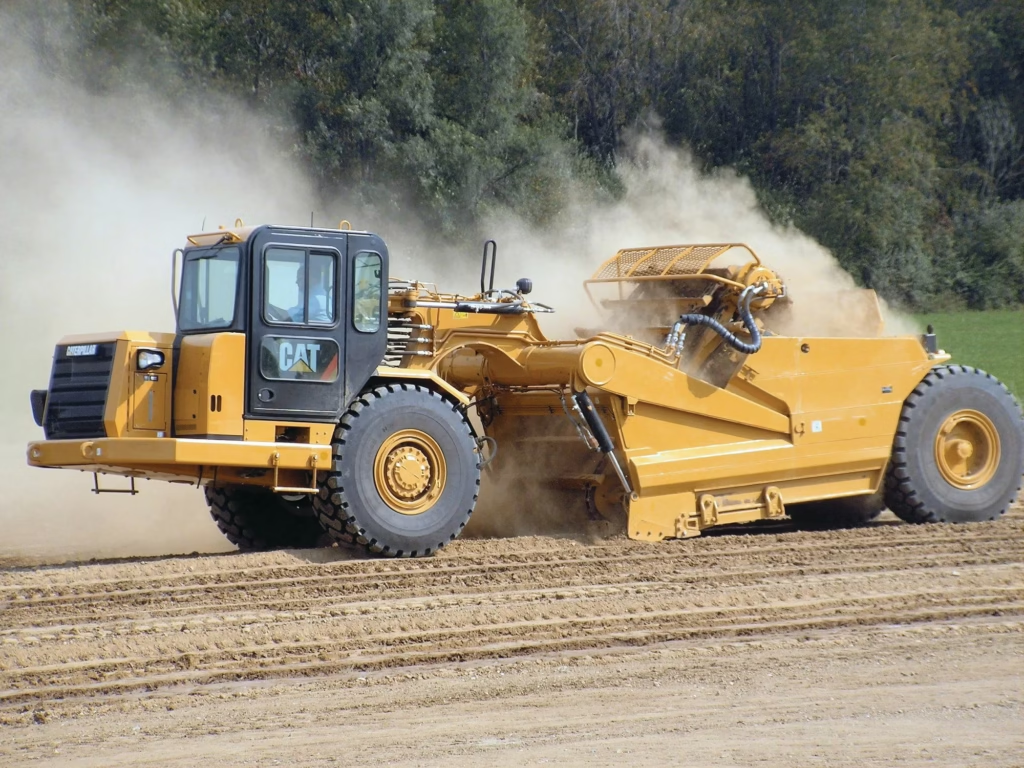
Earthmoving equipment covers the machines used to cut, shift, shape and level ground on a construction site, from excavators and dozers through to graders and scrapers. Quotor’s guide to earthmoving equipment breaks down where each machine type fits into that picture. Motor graders and scrapers sit at opposite ends of it, each purpose-built for something different: one for a precise finish, the other for moving volume.
Dozer vs Motor Grader: Choosing the Right Earthmoving Equipment
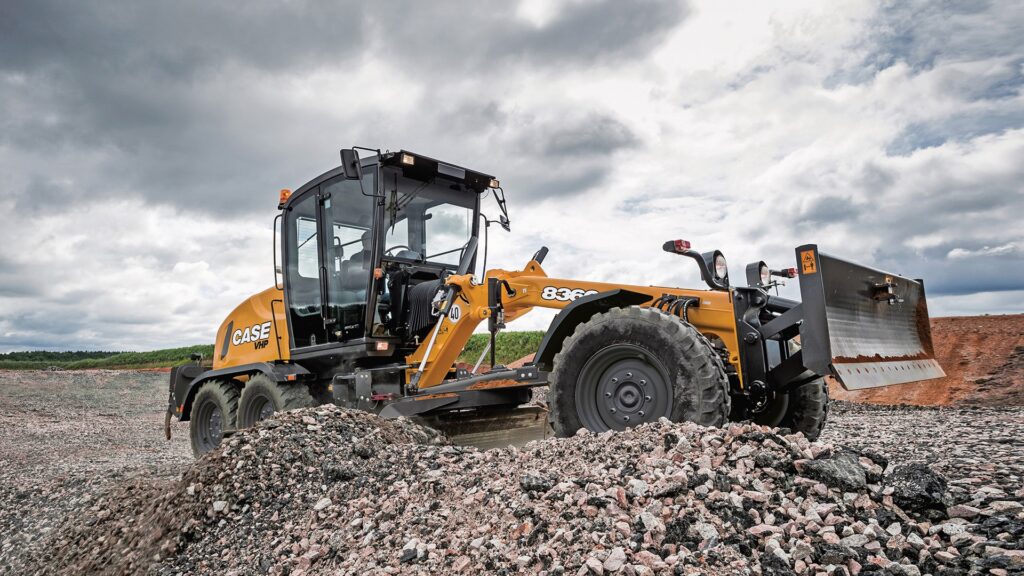
Dozers and motor graders are two of the most common pieces of construction equipment on a heavy construction site, and they get mixed up more than most equipment pairings, since both carry a large blade and move earth. This comparison covers blade design, ground conditions and hire cost to help you understand the differences between a dozer and a motor grader, so you can pick the machine that fits the job, whether that’s clearing a site or grading it to finish.
Skid Steer vs Compact Wheel Loader: Choosing the Right Equipment
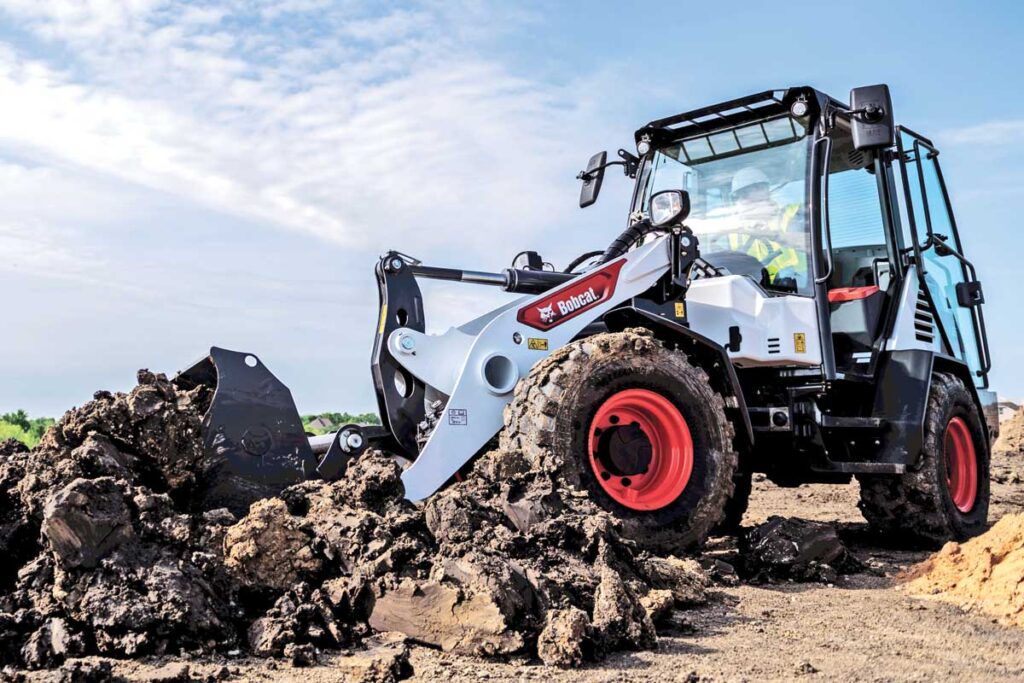
A skid steer and a wheel loader both move material across a construction site, but they get the job done in different ways. Both are compact loaders built for tight sites, yet a skid steer uses a compact frame with a quick-hitch coupler to scoop, carry and place material in short, repeated cycles, while a wheel loader relies on a larger front bucket and loader arm to shift bigger volumes in fewer passes. That difference shapes almost everything else that separates the two, including size, tooling and hire cost. Quotor’s loader hire range covers both machine types side by side.
Backhoe Loader vs Wheel Loader: Key Differences

Backhoes and wheel loaders are both wheeled machines built around a front bucket, which is why they’re often mixed up on a hire list. The similarity ends there. A backhoe loader adds a rear digging arm to that setup, so it can excavate as well as load. A wheel loader has no digging arm at all; everything it does happens through the bucket on the front. That single design choice decides which jobs each machine suits. Both sit within the broader family of earthmoving equipment used across Australian construction sites, the kind of gear Quotor lists across hire companies nationwide.
Operations with Integrated Tool Carrier vs Wheel Loader
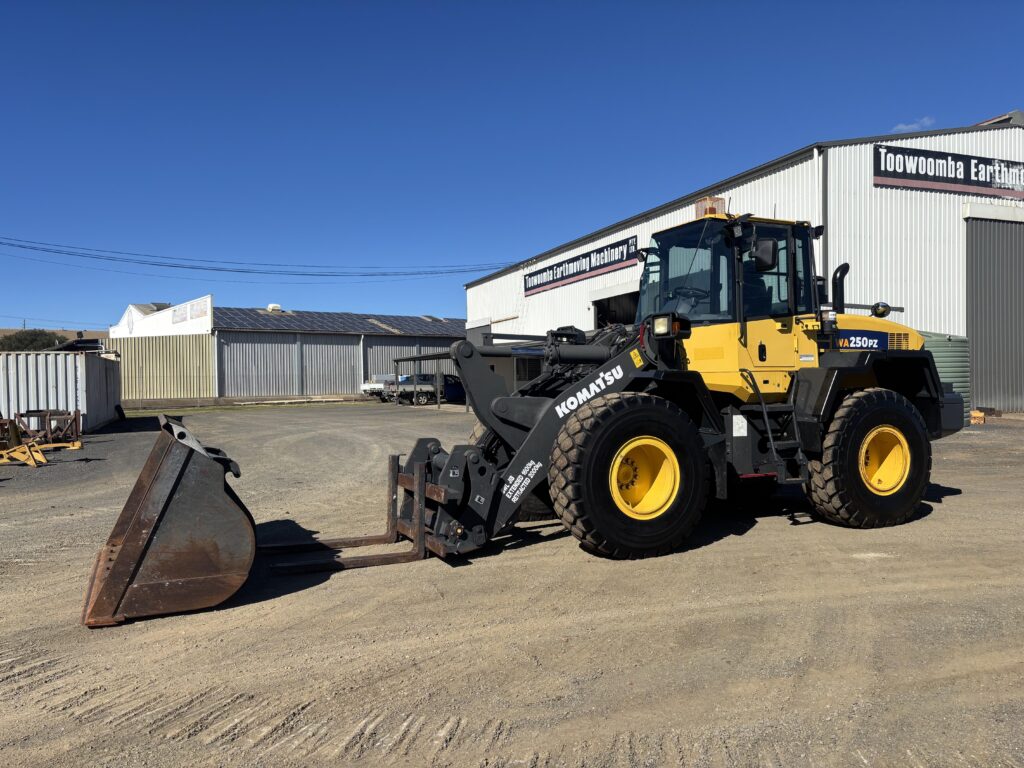
Both are loaders, but each is purpose-built for different work in the earthmoving industry. An integrated tool carrier is a flexible, versatile machine, while a production-focused option works differently. Configuration, not size or the label, decides most of what separates the two in daily operation.
Articulated Dump Truck vs Rigid Dump Truck
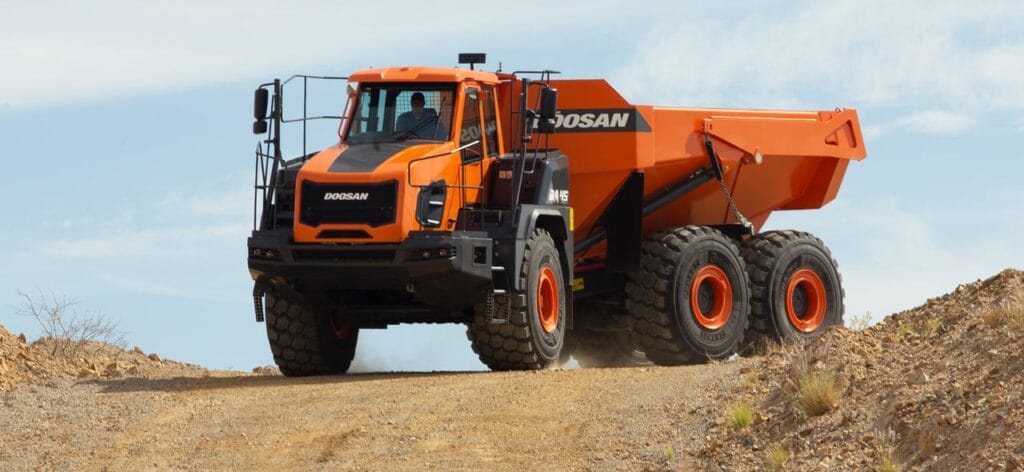
Rigid and articulated dump trucks both move earth, rock and other bulk material around a site, but they get there in very different ways. An articulated dump truck steers by bending in the middle, while a rigid dump truck steers through its front wheels like a standard highway truck, the key difference between articulated dump trucks and rigid dump trucks that shapes almost everything else. If you’re comparing earthmoving equipment for an upcoming job, understanding how each machine handles hauling is the fastest way to work out which one suits your site.
Single Drum Roller vs Double Drum Roller: Choose the Right One

Compaction rollers press soil, gravel and asphalt into a dense, stable base before the next stage of a build goes in. Single drum and double drum rollers, as Quotor’s guide explains, are the two road roller configurations you will see most often on an Australian site, and the difference between them starts with drum count and placement. A single drum roller delivers its compactive force through one large steel drum at the front, backed by tyres at the rear for steering and traction. A double drum roller compacts through two steel drums, one at each end of the frame, so every pass works the full width of the machine in steel rather than half steel and half rubber. That layout is what drives almost everything else covered below, from the ground each machine handles best to the finish it leaves.
Padfoot vs Smooth Drum Roller: Choosing the Right Compaction Equipment
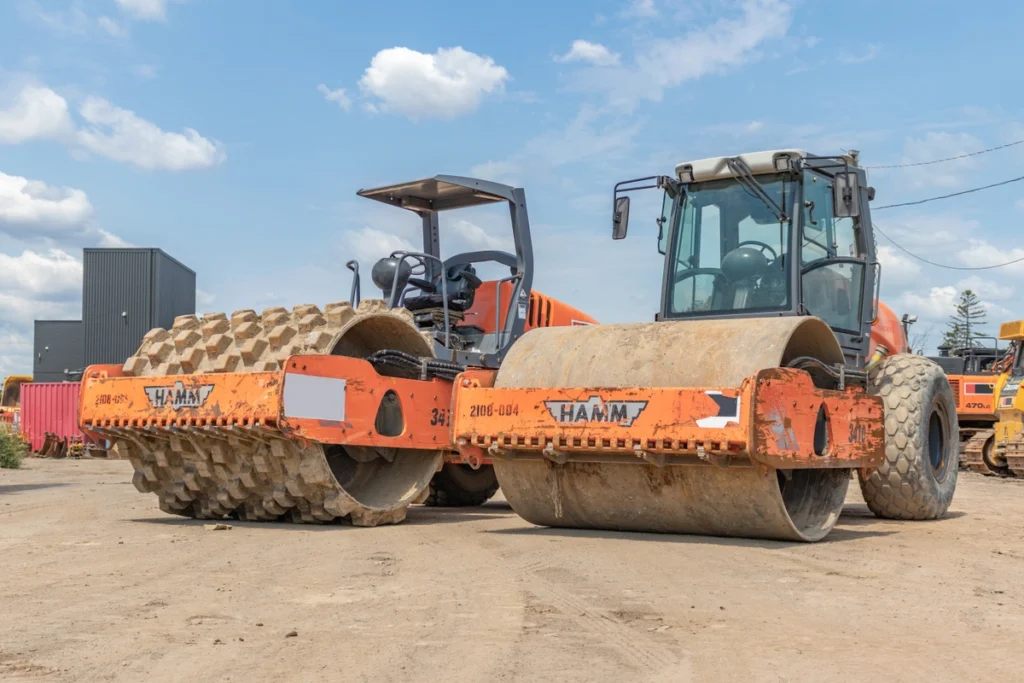
Padfoot rollers and smooth drum rollers are both compaction rollers, but they compact material differently and suit different stages of a job. Getting the choice wrong can mean soil that never reaches the density an engineer specified, or a finished surface left with ridges through it. This guide compares the two types of compaction rollers to match the machine to the ground, from a clay heavy building pad to an asphalt overlay. Quotor stocks both machine types across most of the sites it services in Australia.
Bobcat vs CAT Skid Steer: Which Loader Is Right For You?
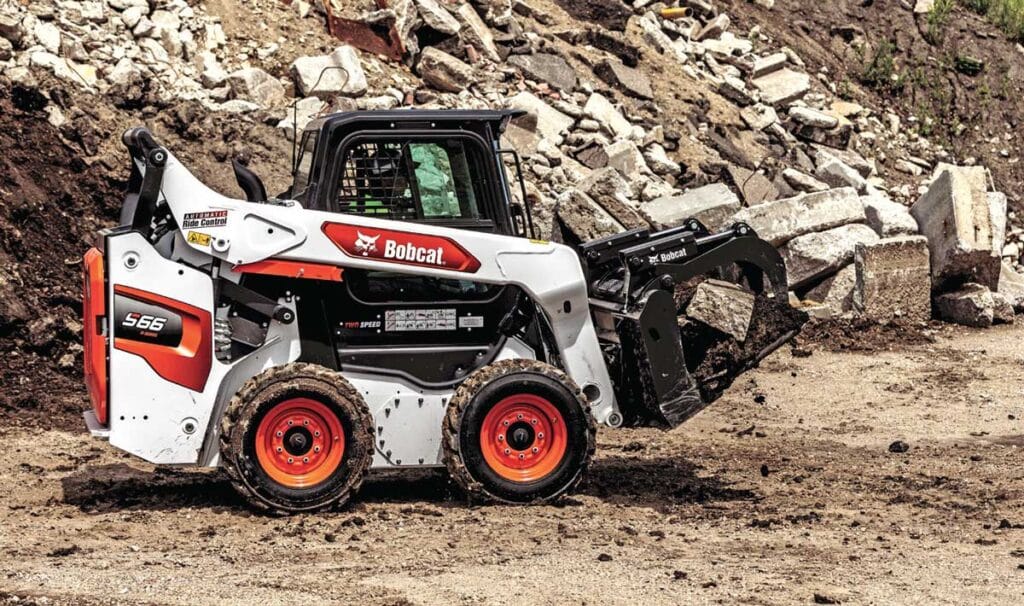
Bobcat and CAT are two of the most established names in wheeled skid steer loaders, and Australian contractors weigh them against each other constantly when booking a hire. This guide compares the current and commonly available Bobcat and CAT wheeled skid steer ranges on the differences that matter most on site, including capacity, hydraulics, lift design, controls and attachment compatibility, so the detail below focuses on what actually affects a hire decision.
Skid Steer vs Forklift: Finding the Right Equipment for Your Project
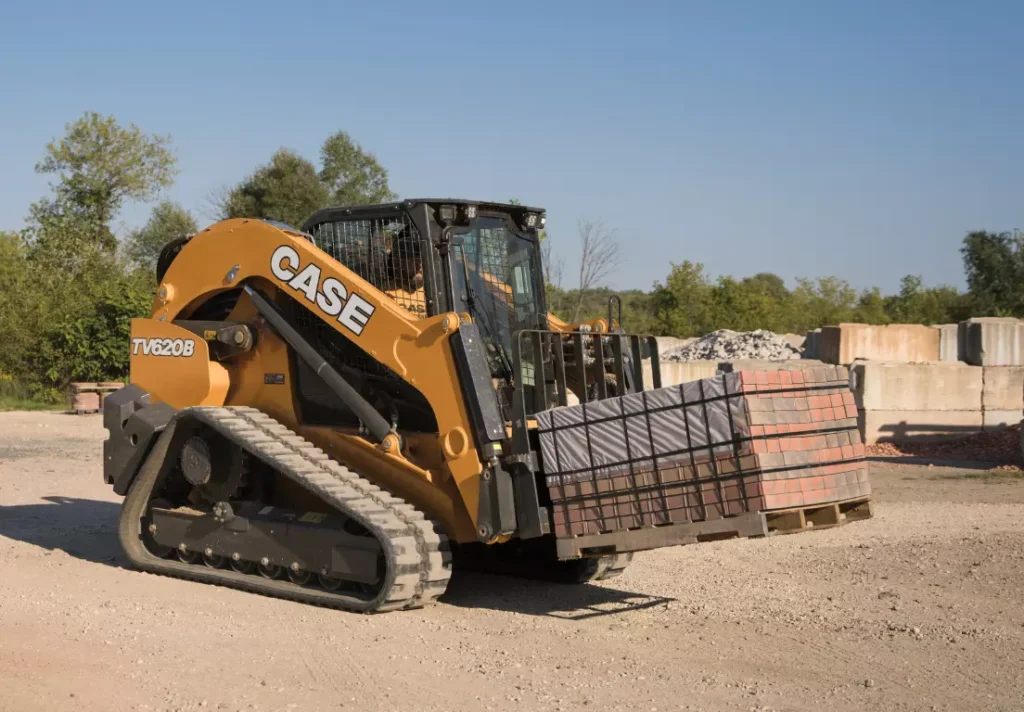
A skid steer scoops, carries and dumps material using a bucket or attachment on a front-mounted lift frame, steering by varying the speed of the wheels on each side. A forklift lifts a pallet on a pair of forks, raising and lowering the load rather than scooping it. That distinction, loose material versus a fixed load, shapes almost every other difference between the two machines covered below.
Skid Steer vs Backhoe Loader: Choosing the Right Construction Equipment for Your Job
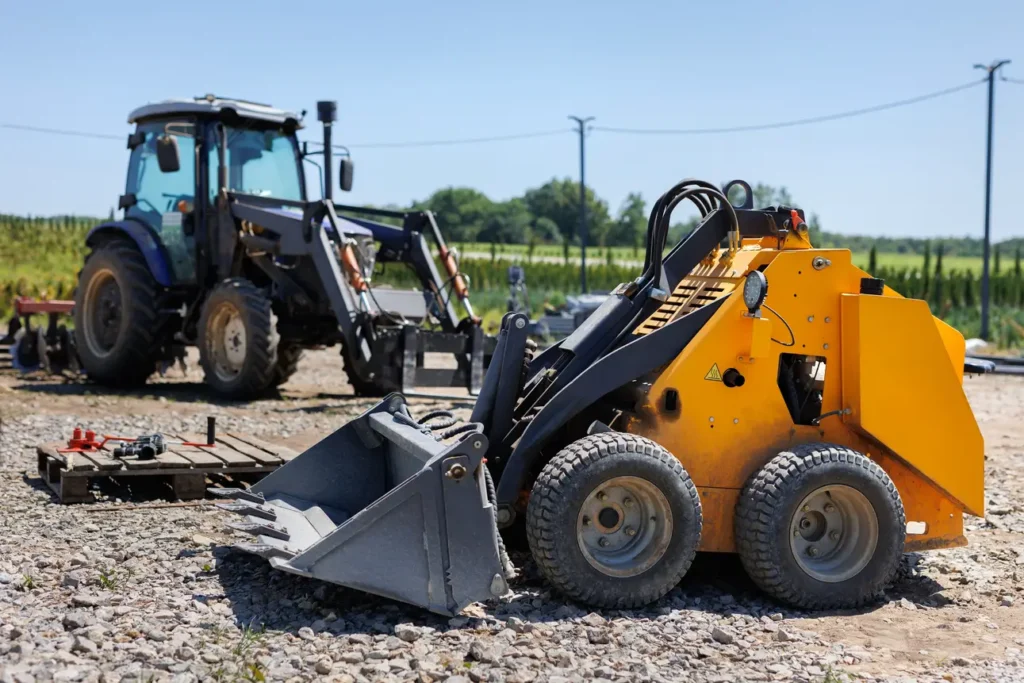
A skid steer and a backhoe loader are both heavy-duty construction equipment, but they solve site work in different ways. A skid steer is a compact loader built around attachments: swap the bucket for forks, an auger or a trencher and it takes on a different task. A backhoe loader puts two machines on one chassis, a front loader bucket for material handling and a rear digging arm for excavation, so one hire covers both loading and digging without a second machine on site. Choosing between a backhoe loader and a skid steer for a construction project usually comes down to whether the job needs manoeuvrability and attachment versatility, or digging depth built into a single unit, and the sections below help you choose the right machine.
Skid Steer vs Bulldozer: Which Machine is Right For Your Project?
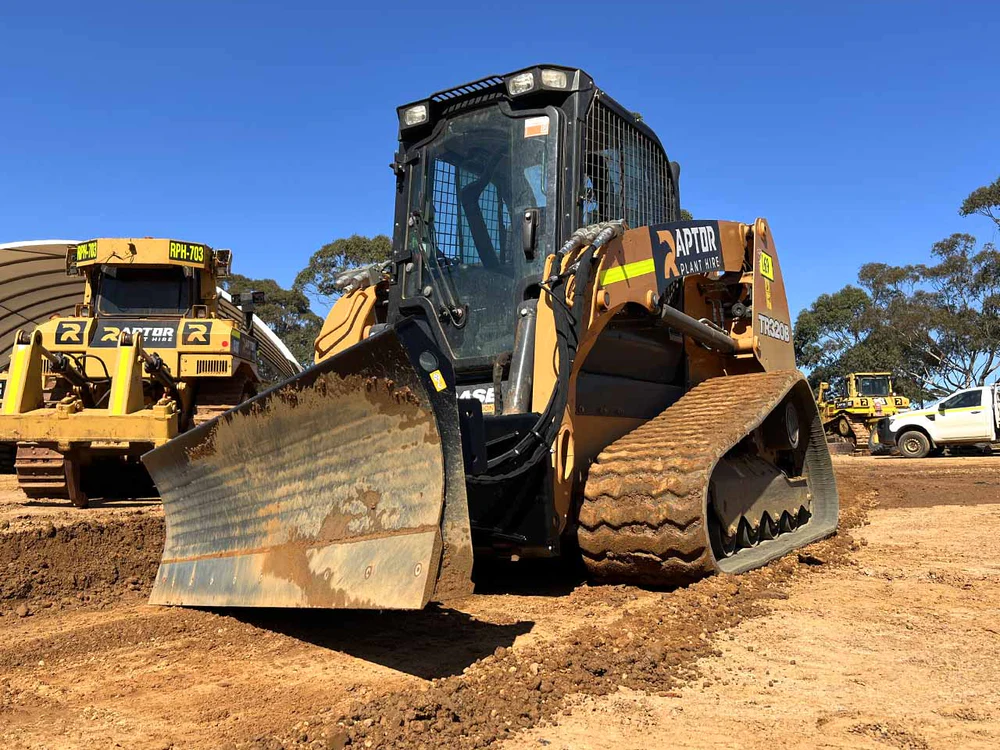
Skid steer or bulldozer is one of the first calls a contractor makes on almost any earthmoving job, because the two machines solve overlapping problems in very different ways. A skid steer loader is compact, quick to manoeuvre and built around attachments for material handling and light grading in tight spaces. A bulldozer trades that agility for raw pushing power, moving large amounts of earth and clearing ground a skid steer simply can’t push through. Picking whichever is better for your construction needs starts with understanding the key differences between skid steers and bulldozers, not just comparing their size.
Forklift vs Telehandler: Know the Differences
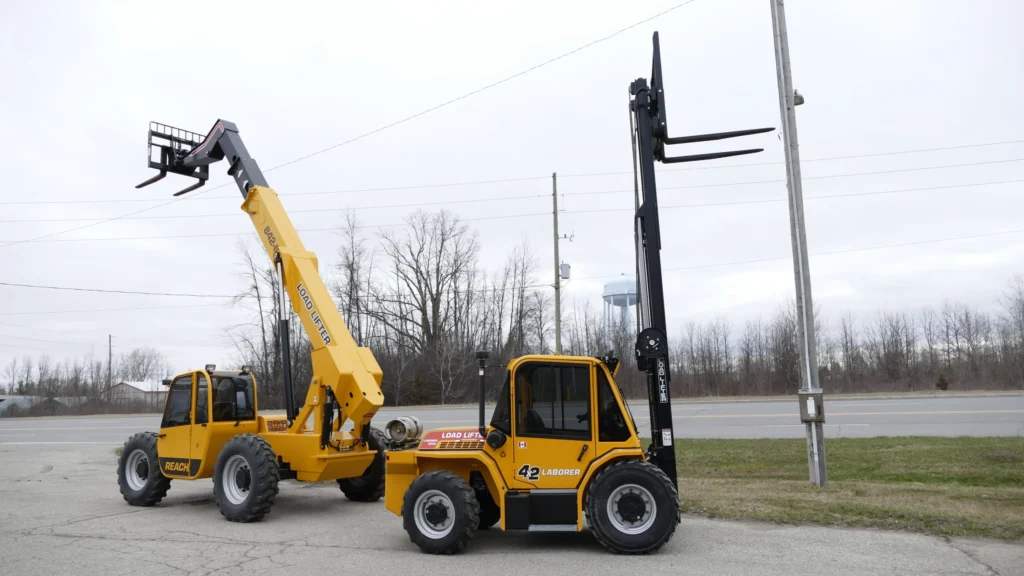
These two machines both move heavy loads, but they’re built for different ground and different jobs. Picking between a forklift and a telehandler comes down to mast versus boom: one lifts straight up, the other reaches out. That distinction shapes material handling and logistics work, and which piece of equipment your next job actually needs.
Dozer vs Track Loader (Crawler Loader): Which is Best?
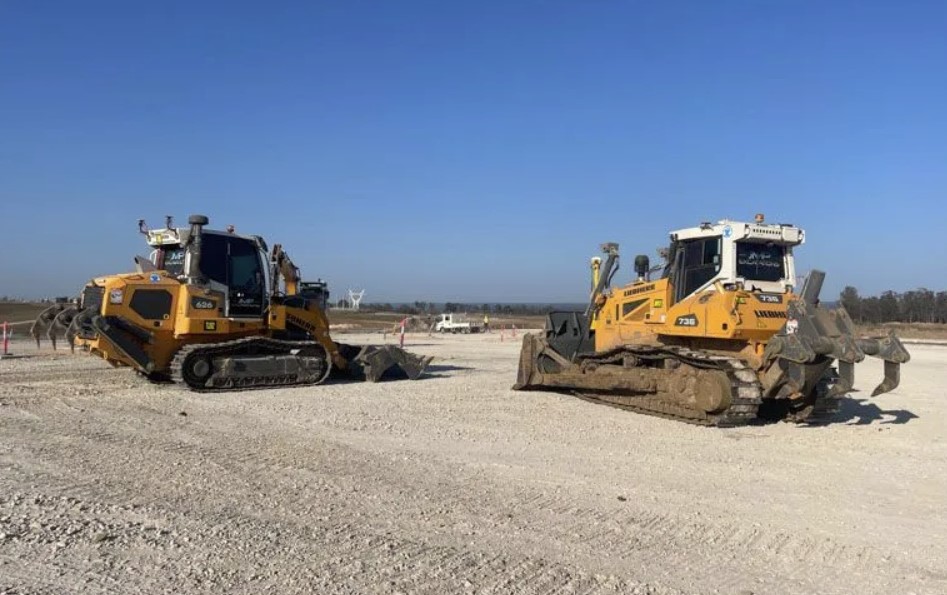
A dozer and a track loader are both tracked machines built for earthmoving, but they move material in opposite ways. One uses a flat blade to push material across the ground; the other lifts material into a bucket and carries it to where it’s needed. For many contractors, the track loader vs dozer question comes down to that single distinction, pushing versus loading, and Quotor’s earthmoving equipment listings group both machine types under it.
Main Differences Between Track and Wheel Dozers
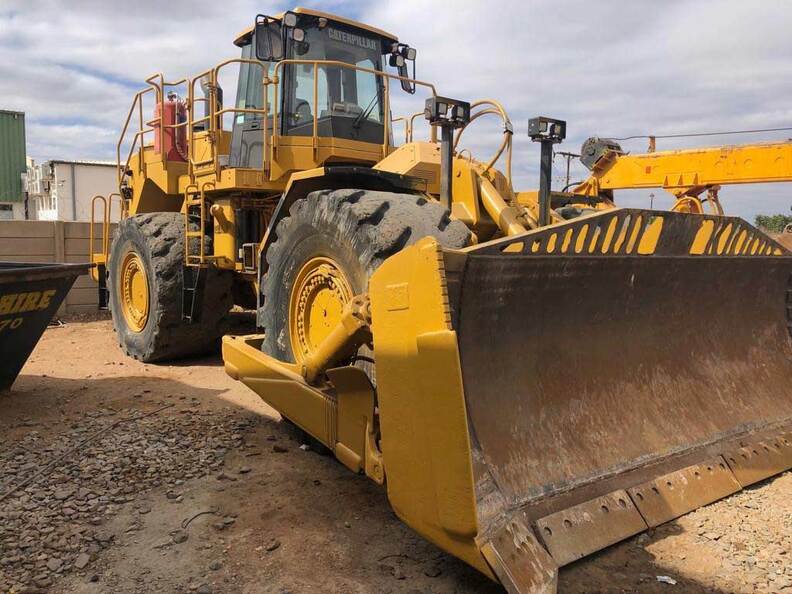
Track dozers and wheel dozers are two of the most common types of heavy equipment on an earthmoving site, doing the same basic job with a front-mounted blade that pushes, spreads and levels material, but the undercarriage underneath changes what each machine does well. A track dozer runs on steel tracks that spread its weight across a long, continuous footprint, giving it strong traction on soft, loose or uneven ground. A wheel dozer runs on large rubber tyres, trading some of that grip for higher travel speed and easier movement across firm ground. Quotor’s guide to what a dozer is covers the basics of how the machine works before getting into how the two undercarriages compare. That single difference between tracks and wheels shapes almost everything else that separates a track dozer from a wheel dozer.
Bulldozer vs Wheel Loader: What You Need to Know
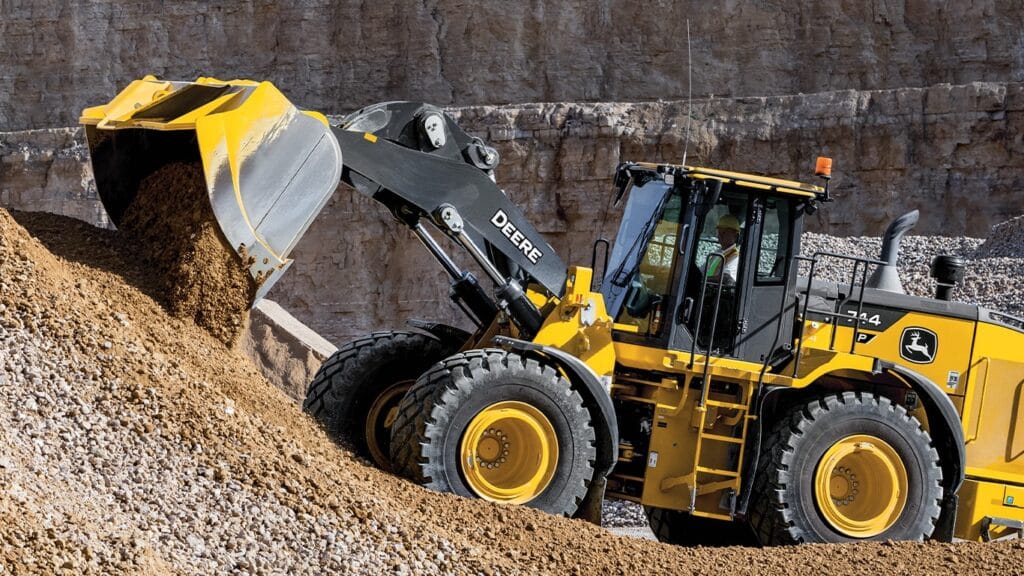
Bulldozers and wheel loaders are two of the most common types of heavy equipment on an Australian job site, and deciding between them starts with how each one moves material. A bulldozer pushes material with a blade mounted at the front of the machine, using its tracks for grip and its weight for pushing power. A wheel loader lifts material in a front-mounted bucket, then carries or dumps it elsewhere, work a blade can’t do. Neither machine digs below its own standing surface the way an excavator does; both work at or above grade. That’s the split behind most of the differences between bulldozers and wheel loaders covered on this page: one machine moves material along the ground, the other lifts and carries it. Both sit within the broader category of earthmoving equipment, but they’re built for different halves of the job, and Quotor lists hire options for both across Australia.
Dozer vs Excavator: Choosing the Right Machine for Your Construction Project
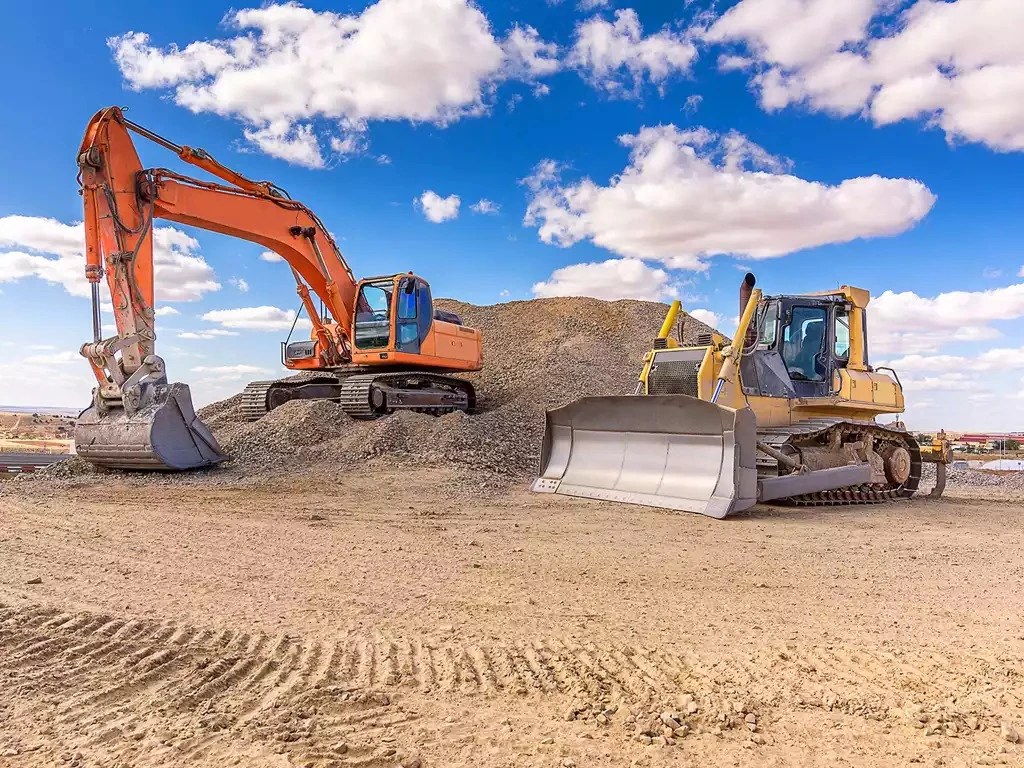
A bulldozer and an excavator are two types of heavy equipment, and how each one works on construction sites comes down to how it moves material. A bulldozer uses a flat blade on the front of the machine to push soil, rubble, and debris across the ground rather than lifting it. An excavator works the opposite way: its boom, arm, and bucket dig down, lift material, and swing it to a truck or a spoil pile. A backhoe loader combines a small front bucket with a rear digging arm but doesn’t replace either machine on a bigger job. Both are heavy machinery Quotor lists for hire, and matching machines to the right stage of a project is really a question of managing equipment across the job: that distinction between pushing and digging drives most of the key differences below.
Dozer vs Backhoe: Picking the Right Machine for the Job
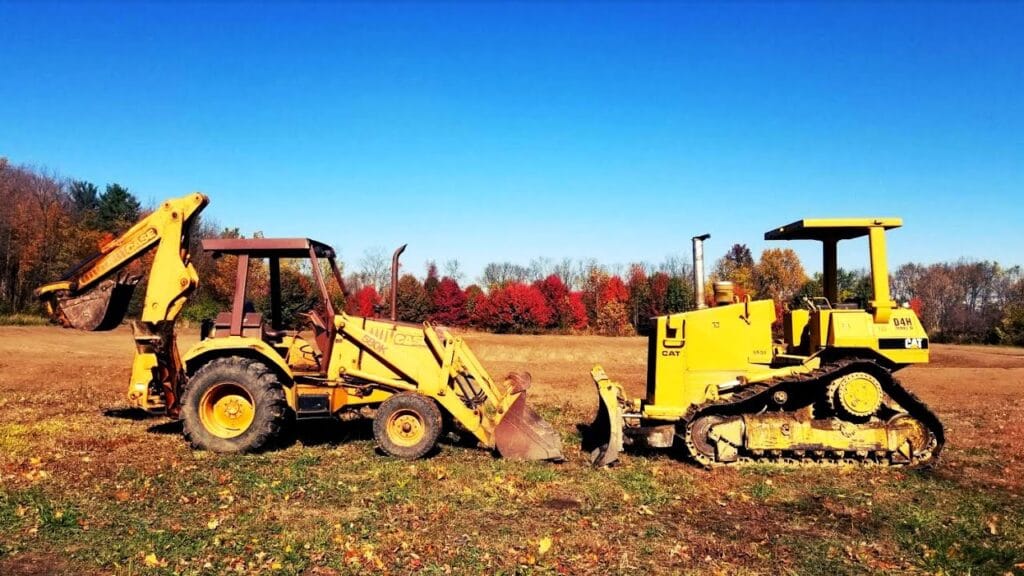
A bulldozer pushes; a backhoe loader digs. A bulldozer runs on tracks with a heavy blade at the front, built for shifting, spreading and levelling material. A backhoe loader carries a front bucket for loading and a rear arm for trenching and excavation, closer to a wheel loader and an excavator combined into one chassis. Bulldozers handle bulk earthmoving and large-scale grading; backhoe loaders handle digging, material handling and smaller jobs a full-size excavator would be overkill for.
Tracked vs Wheeled Excavator: Which Is Best?

Both machines dig, lift and load the same way, through a boom, dipper arm and bucket, but what changes is what’s underneath the cab: tracks or wheels. Quotor’s guide to wheeled and tracked excavators covers how that single difference decides which sites, and which jobs, each machine handles well. Both excavators are suited to general digging, loading and lifting; the wheels or tracks underneath decide where each performs best. Each type of excavator brings its own set of advantages: tracks for grip and stability, wheels for speed and site-to-site travel.