
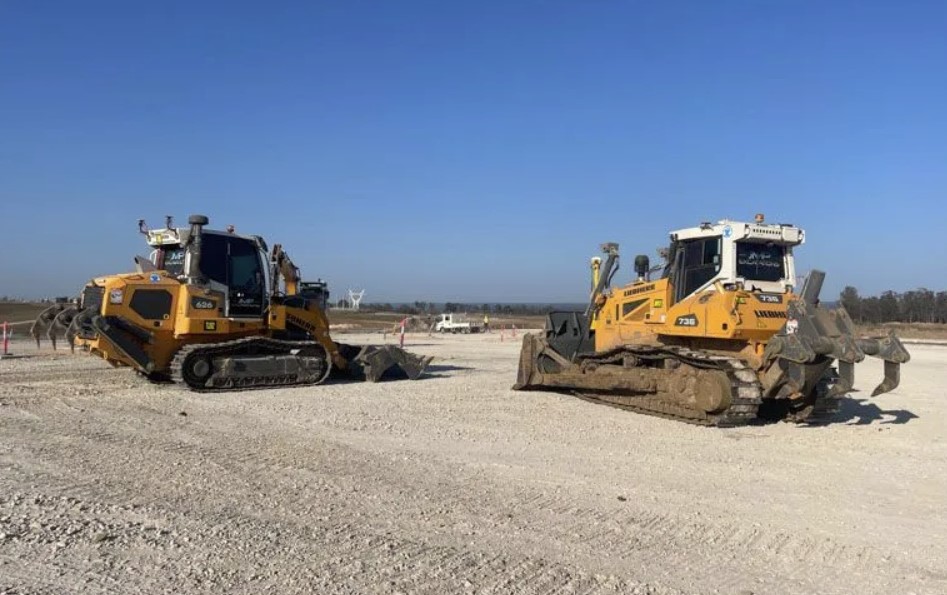
Understanding Dozers and Track Loaders
How Dozers and Track Loaders Handle Ground Work Differently
A dozer and a track loader are both tracked machines built for earthmoving, but they move material in opposite ways. One uses a flat blade to push material across the ground; the other lifts material into a bucket and carries it to where it’s needed. For many contractors, the track loader vs dozer question comes down to that single distinction, pushing versus loading, and Quotor’s earthmoving equipment listings group both machine types under it.
What Is a Dozer?
A dozer, sometimes called a crawler tractor, is a tracked machine with a front-mounted blade used to push, spread and level soil, rubble and debris. Most also carry a rear ripper for breaking up compacted ground or shallow rock before the blade clears it. Blade size and ripper configuration vary by model, and a larger machine handles bulk earthmoving that would take a smaller one many more passes to finish.
What Is a Track Loader?
A track loader, also called a crawler loader, pairs a loader bucket with a bulldozer’s undercarriage. Tracks spread its weight across a wider footprint than wheels, so it can work soft ground and uneven sites that would bog a wheeled machine, while the bucket loads, carries and dumps material the way any loader does. It sits between a bulldozer and a wheel loader in what it’s built to do.
Track Loader Applications
Loading and Carrying Material
A track loader’s core job is to fill trucks, stockpile material and move loads around a site. A wheel loader is often faster at this on firm, level ground, but the tracks keep working once the surface turns muddy or loose, which is where a wheeled machine starts losing traction. Quotor lists both alongside each other for exactly that reason.
Site Clearing and Earthmoving
A track loader can tilt its bucket forward to push light debris, load felled logs onto a dump truck, and shift material around a site without switching machines. It won’t match a straight blade for pushing bulk material, but for mixed clearing work where loading and light pushing both come up, one machine covering both saves time.
Working on Soft or Uneven Ground
Low ground pressure is the track loader’s main advantage over a wheeled loader on wet, boggy or freshly disturbed sites. Grousers on the track pads bite into loose or uneven ground for traction that a wheeled machine can’t match, which is why a logger or rural contractor reaches for a crawler loader so often on forestry and post-rain sites.
Dozer Applications
Pushing and Spreading Material
Pushing and spreading is what a dozer is built for: cutting high ground down, filling low spots and spreading fill across a pad in continuous passes. Because the blade works the ground directly instead of loading and hauling individual trips, it can push and spread large volumes efficiently over short distances, which is why it’s usually the machine contractors reach for first to move dirt in bulk. Quotor lists dozer hire by blade size, operating weight and ripper configuration to match the machine to the job.
Land Clearing and Site Preparation
A bulldozer is usually the first machine on a clearing job. The blade pushes scrub, stumps and felled timber into piles, a root rake attachment separates a stump or debris from soil before it’s stockpiled, and different dozer blade types suit different ground, a straight blade for general pushing, an angle or six-way blade for shaping and windrowing debris to one side.
Rough Grading and Heavy-Duty Earthmoving
Once a site is cleared, operating a dozer well means bringing it to an approximate finished contour, reading the ground and adjusting blade angle and depth on the move, before a grader or excavator does the fine work on a building pad or the rough formation for road building. That’s what makes this stage quicker than levelling the same ground with a loader bucket.
Dozer vs Track Loader Comparison
Blade vs Loader Bucket
The core difference between these machines is the tool on the front. A dozer’s blade pushes material across the ground and can be angled or tilted depending on the blade type fitted, while a loader’s bucket curls to scoop, lift and carry a load clear of the ground. A blade moves material sideways or forward; a bucket moves it up and away.
Pushing Power vs Loading Capability
A dozer generates more pushing power for its size because its whole frame works with the blade to drive through material. A track loader’s strength is in its bucket cycle: load, lift, carry, dump, then back for more. For bulk earthmoving, pushing power wins out; for filling trucks or stockpiling material to move elsewhere, the loader’s bucket cycle is the better fit.
Traction and Terrain Performance
Both machines use tracked undercarriages for traction and flotation, but a dozer is configured around generating drawbar pull for sustained pushing, while a track loader balances traction with the lift and carrying requirements of its loader linkage. Its shorter chassis and idlers trade some of that pushing traction for a tighter turning circle, helped by hydrostatic drive that lets each track run at a different speed.
Manoeuvrability and Site Conditions
A track loader can work effectively around stockpiles, trucks and obstacles because its bucket lets it load, carry and place material rather than relying on long pushing passes. A dozer performs best where it has enough room to build and maintain an efficient push.
Versatility and Attachment Use
A track loader is inherently more versatile in material handling because its bucket can dig, scoop, carry, load trucks and spread material. Depending on the machine, specialised buckets, forks or other work tools may extend that capability further. A dozer’s work equipment is more specialised around blade configurations, rear rippers and, on some machines, winches for applications such as forestry.
Hire Cost Comparison
Hire rates for both machines scale with size rather than machine type, so a small dozer and a small track loader often sit in a similar bracket, while a larger one typically costs more per day than a mid-size loader. Quotor lists rates by operating weight and blade or bucket size, and estimating equipment cost accurately means matching machine size to the job rather than hiring the biggest option available.
Choosing the Right Machine to Hire
When to Hire a Dozer
Hire a dozer when the job is mostly pushing, spreading or rough grading over an open site: land clearing, pad preparation, or moving large volumes of soil short distances. If the work calls for a rear ripper to break up compacted ground first, it’s the only one of the two machines built for it. Larger jobs may also need a qualified operator; this guide to becoming a dozer operator covers what that involves.
When to Hire a Track Loader
Hire a track loader for work that’s mostly loading, carrying and stockpiling material, especially on ground too soft or uneven for a wheeled loader. It also suits mixed jobs, light clearing, timber handling, general site tidying, where switching attachments beats switching machines. Operating either machine well takes training, and a recognised heavy equipment operator qualification is worth having before running larger jobs.
Site Conditions and Project Requirements
Ground conditions often settle the decision before job type does. Wet, soft or uneven sites can suit either tracked machine, depending on configuration. A track loader adds the ability to lift and carry material, while an LGP dozer may be the better choice where pushing and flotation are the priorities. Demolition work and site clearing on a hard-packed pad usually still calls for that pushing power first, even where a loader finishes the job.
Hire Cost and Project Duration
Matching hire duration to the stage of work keeps cost down on both machines: a dozer for the clearing and site-prep stage, then a track loader once the job shifts to loading and moving material. Quotor’s guide to hiring construction equipment covers how to compare availability and pricing across both options before committing to a longer-term hire.