
Understanding Track and Wheel Dozers
How Track and Wheel Dozers Handle Ground Work Differently
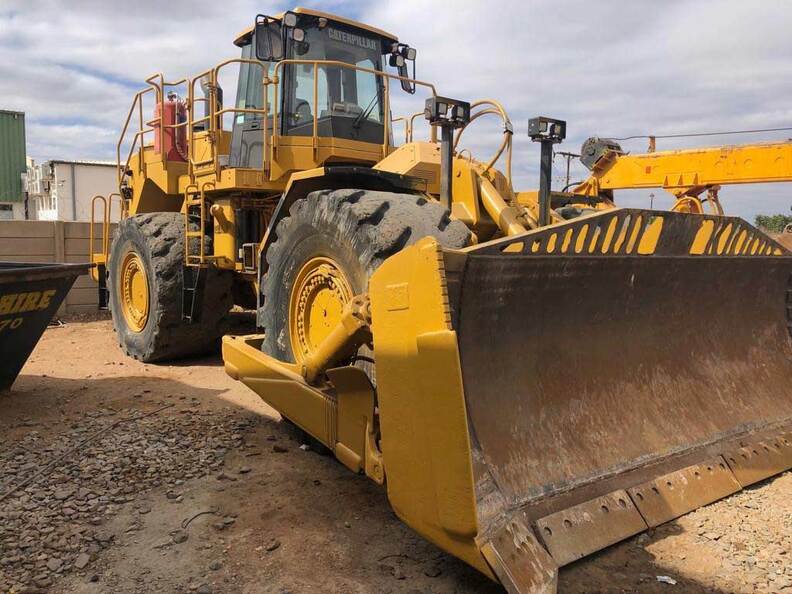
Track dozers and wheel dozers are two of the most common types of heavy equipment on an earthmoving site, doing the same basic job with a front-mounted blade that pushes, spreads and levels material, but the undercarriage underneath changes what each machine does well. A track dozer runs on steel tracks that spread its weight across a long, continuous footprint, giving it strong traction on soft, loose or uneven ground. A wheel dozer runs on large rubber tyres, trading some of that grip for higher travel speed and easier movement across firm ground. Quotor’s guide to what a dozer is covers the basics of how the machine works before getting into how the two undercarriages compare. That single difference between tracks and wheels shapes almost everything else that separates a track dozer from a wheel dozer.
What Is a Track Dozer?
A track dozer, also called a crawler dozer, is the configuration most people picture when they hear the word bulldozer. Steel tracks run the length of the machine, connected to the blade, the ripper and the other parts that make up a dozer. The tracks distribute the machine’s weight over a wide area, which is what gives a track dozer its lower ground pressure and its ability to work in mud, sand or freshly turned soil without sinking.
What Is a Wheel Dozer?
A wheel dozer swaps the tracks for four large rubber tyres and typically steers through an articulated frame rather than by driving one track faster than the other, similar to a wheel loader. It carries a similar blade to a track dozer but is built around speed and mobility rather than maximum ground grip. Wheel dozers are common on mine sites and large quarries, where covering long distances between work areas quickly matters as much as pushing power.
Track Dozer Strengths
Traction on Soft and Uneven Ground
A track dozer’s biggest advantage is grip. The tracks grip loose, wet or broken ground that would leave a wheeled machine spinning or bogged, which is why track dozers are the standard choice for clearing land, working in mud after rain, or pushing over rocky, uneven terrain. That same weight distribution also means less risk of a track dozer sinking into soft or freshly disturbed soil than a wheel dozer of similar size would face.
Pushing Power and Stability
Because the tracks stay planted rather than slipping, a track dozer can put more of its engine power into the blade instead of losing it to wheel spin. That stability also holds the machine steady when ripping compacted ground or breaking up shallow rock, a task most wheel dozers aren’t built for. Understanding how to operate a dozer’s blade and ripper controls helps a track dozer operator get the most out of that stability.
Best Jobs for Track Dozers
Track dozers suit bulk earthmoving, land clearing, off-road or unformed sites, and any job where the ground itself is the challenge. They’re also the better fit for ripping work, since the tracks hold the machine in place while the ripper tears through compacted or rocky ground. Contractors weighing up options can browse Quotor’s dozer listings to see what’s available for a specific site.
Wheel Dozer Strengths
Higher Travel Speed
A wheel dozer can travel considerably faster than a track dozer, often two to three times the speed, which matters most on large sites where the machine needs to move between work areas rather than stay in one spot all day. That speed also means a wheel dozer can relocate under its own power over longer distances without needing to be carried on a float for every short move.
Manoeuvrability on Firm Ground
Articulated steering lets a wheel dozer turn in a tighter radius than most people expect from a machine its size, which helps in tighter mine benches, stockyards or paved work zones where a track dozer’s steering would be clumsier. Operating one well still takes proper training, and knowing how to become a dozer operator matters just as much for a wheel dozer as it does for a track dozer.
Best Jobs for Wheel Dozers
Wheel dozers are well suited to stockpile work, mixing and pushing on compacted or paved surfaces, road maintenance, and mine or quarry sites where speed between tasks adds up over a shift. Because tyres don’t cause damage to a finished surface the way steel tracks can, a wheel dozer is also the safer choice for pushing near a newly paved road or a sealed work zone. Quotor lists wheel dozer hire separately from track dozers for exactly this reason, since the two rarely suit the same job.
Track Dozer vs Wheel Dozer Comparison
Tracks vs Wheels
The undercarriage is the one difference that drives every other difference between these two types of machinery. Tracks trade speed for grip and ground protection, which is why crawler dozers remain the standard pick wherever ground conditions are the main unknown; wheels trade grip for speed and reach. A broader look at what different earthmoving equipment types do is worth a read if wheel and track dozers are only two of several options still on the table for a job.
Traction and Ground Pressure
Tracked dozers put far more surface area in contact with the ground than wheel dozers’ four tyres do, which spreads the machine’s weight further and improves grip on soft or sensitive surfaces. The same wet or loose conditions that slow wheel dozers rarely slow a tracked dozer down, though the reverse is true on firm ground where the extra grip isn’t needed.
Pushing Performance
Tracked dozers generally out-push a similarly sized wheel dozer because the tracks stay planted under load. Wheel dozers can still push effectively, particularly larger mining-class models, but they rely more on machine weight and tyre grip than on the advantage tracks hold in that area.
Travel Speed and Manoeuvrability
Wheel dozers win clearly on travel speed and offer strong manoeuvrability through articulated steering, while tracked dozers can counter-rotate for tight low-speed positioning during pushing and grading.
Ground Conditions and Terrain
Soft, loose, wet or freshly disturbed ground generally favours tracked dozers, while firm, compacted or paved surfaces favour wheel dozers. Terrain grade, rock conditions and required pushing force still need to be checked against the specific machine.
Fuel and Operating Cost Comparison
Running costs for both machines depend heavily on how they’re used rather than tracks versus wheels alone. Tracked dozers typically carry higher undercarriage wear costs, especially on abrasive ground, while wheel dozers carry substantial tyre costs. On sites involving frequent travel between work areas, the wheel dozer’s higher speed can also reduce non-productive travel time. Learning how to approach estimating equipment cost helps weigh those factors against a specific job rather than assuming one machine is cheaper across the board.
Choosing the Right Dozer to Hire
When to Hire a Track Dozer
A track dozer is the right call whenever ground conditions are unpredictable, soft or steep, or when the job involves ripping, bulk clearing or heavy pushing over rough terrain. If grip is the deciding factor on a site, that removes the guesswork.
When to Hire a Wheel Dozer
A wheel dozer earns its place on larger, firmer sites where speed between tasks and surface protection both matter, such as mine benches, quarries, stockyards and paved work zones. It’s also worth considering wherever the machine needs to reposition often across a wide site.
Site Conditions and Project Requirements
Matching the machine to the site, rather than to habit, is what actually determines which dozer best suits the day’s work. Ground softness, slope, surface type and how far the machine needs to travel between tasks all point toward one type of dozer over the other. Once those conditions are clear, working out what size dozer you need is the natural next step in learning how to choose the right machine for the job.
Hire Cost and Project Duration
Hire rates for both track and wheel dozers vary by size, region and how long the machine is needed, so it’s worth matching the hire period to the actual stage of work rather than defaulting to a standard block. A short earthworks stage might only need a track dozer for a few days of clearing, while a longer haul-road or stockpile job could justify a wheel dozer on a longer hire. Quotor’s guide to hiring construction equipment covers how to plan that timing, and Quotor makes it straightforward to compare track and wheel dozer availability and pricing side by side before committing to either one.