
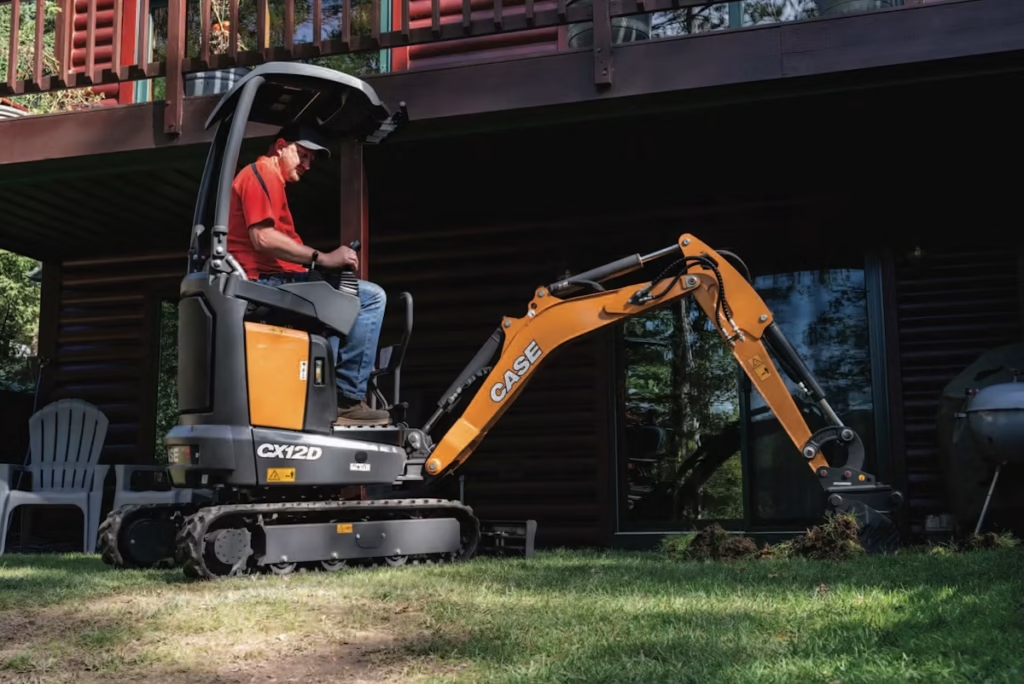
A micro excavator is the smallest excavator you can hire, small enough to fit through a standard doorway and light enough to reduce the risk of marking sensitive flooring. This guide covers what sets it apart from a mini excavator, what it costs, and how to choose the right machine through Quotor.
Introduction to Micro Excavators
Definition and Overview
A micro excavator is the bottom rung of the mini excavator category, not a separate class of machinery. Quotor classifies excavators on a continuous scale, from micro machines under roughly 1.7 tonnes up to conventional excavators over 10 tonnes on major civil works. A micro excavator, sometimes known as a compact excavator or 1-tonne class excavator, sits at the smallest end of the mini excavator bracket, which runs from about 1 to 10 tonnes: an excavator scaled down to work where a full-size machine physically can’t.
Differences Between Micro and Mini Excavators
The line between the two is width, not capability. A micro excavator is smaller and lighter than a mini excavator specifically so the width of the tracks can fit through standard doorways, not just tight job sites. A mini excavator is often the next size up: still compact by excavator standards, but built for tight access on an active job site rather than squeezing through a doorway. Both share the same basic mechanics as a full-size machine, just scaled down.
| Micro excavator | Mini excavator | |
| Operating weight | ~1.0-1.7 t | ~2-10 t |
| Track/transport width | Under 1 m, fits standard doorways | Wider, built for job-site stability |
| Typical access | Indoors, side gates, courtyards | Open or semi-confined job sites |
Common Applications of Micro Excavators
Micro excavators earn their keep on jobs where reach matters less than access. Common uses include digging trenches for plumbing or drainage in tight spaces, prepping ground for a swimming pool install or backyard landscape work, lifting and moving materials, and landscaping projects like garden beds or retaining walls. They also turn up on utility work, small building projects and indoor demolition, spanning a variety of environments a bigger machine simply can’t reach.
Key Features of Micro Excavators
Size and Weight Specifications
Weight is the number that decides where a machine can go. A 1t micro excavator, like Kubota’s smallest K008/U10 models, has an operating weight around 1 to 1.2 tonnes and rubber tracks under a metre wide, light enough to reduce the risk of damaging sensitive surfaces like timber decking, though load distribution and surface condition still matter. A mini excavator features an operating weight roughly double that of the smallest micro models, with a wider track base built for stability rather than doorway access. Digging capability follows the same curve: a 1-tonne micro digs shallower and lifts less than a 3-tonne mini. Transport width is usually kept under 1 metre so the machine can be walked through a house or side gate on its own tracks. Many micro excavators also use an expandable tracked chassis, narrowing for doorway access and widening again once inside for extra stability, and most add an adjustable front blade for backfilling once the digging’s done.
Power and Precision in Compact Excavation
Indoor use depends less on the excavator’s size than on how finely the hydraulics respond. Auxiliary hydraulic flow on a 1-tonne machine is modest, but matched to the smaller bucket and boom so an operator can manage fine grading on a garden bed or trim a trench wall in centimetres rather than shovelfuls. Diesel engines remain standard across the class, sized for hydraulic demand rather than raw output, keeping the machine controllable at low revs in confined spaces where a heavy touch causes damage.
Common Attachments for Micro Excavators
Attachments are where a micro excavator’s versatility shows. A basic bucket, often as small as an 800mm mud bucket for backfilling, comes standard with most hires, and a breaker attachment turns the same machine into a compact demolition tool for concrete paths or old footings. An auger suits post holes, and swapping between various attachments takes minutes thanks to quick-hitch systems and hydraulic hoses that connect without tools. Across the range of excavator attachments, these three cover the wide range of tasks most micro excavator hires are booked for.
Using a Micro Excavator Effectively
Best Practices for Operation
Good technique comes down to reading the ground before digging into it. Using a mini excavator or its micro counterpart safely means checking sightlines around the cab, keeping the bucket close to the machine rather than reaching at full extension, and adjusting travel speed for the surface, whether that’s a lawn, a driveway or an unfinished job site. On indoor jobs, plan the exit path before starting, since there’s rarely room to turn the machine around once it’s inside.
Safety Considerations When Operating
Micro excavators don’t require the same licence as larger machinery, but that doesn’t mean no training is required. Anyone operating one on a commercial site generally needs relevant competency, whether through a manufacturer induction, experience or a recognised unit of competency, and a general construction induction card is standard for any job site regardless of machine size. The guide to becoming an excavator operator covers what’s expected before stepping into the cab.
Benefits of Using a Mini Excavator for Small Projects
The case for hiring rather than tackling a job by hand is straightforward once you’ve moved more than a few wheelbarrows of soil. A micro excavator on a small residential project cuts digging time from days to hours and does less damage to the existing landscape than a larger machine would, since its narrow tracks leave lawns and garden beds largely intact. Where a mini excavator would be overkill on space, the micro class is the more cost-effective hire.
Popular Micro Excavator Brands
Kubota Micro Excavators
Kubota is the benchmark brand in this class, with its K008 and U10 lines sitting at the bottom of the micro excavator bracket. The U-series extends up through the U17, at the upper edge of what’s generally considered micro before crossing into mini excavator territory.
Other Notable Brands in the Market
Comparing small excavators across brands, Bobcat and Takeuchi both compete directly in the sub-2-tonne bracket, with specs similar to Kubota’s smallest models. Further up the range, brands like Komatsu are worth comparing once a project’s needs outgrow a true micro excavator. Established names generally carry the more dependable track record.
| Brand | Model | Operating Weight |
| Kubota | K008 / U10 | ~1.0-1.2 t |
| Kubota | U17 | ~1.7 t |
| Bobcat | E17 / 418 | ~1.7 t |
| Takeuchi | TB210R | ~1.0-1.1 t |
How Much Does a Mini Excavator Cost?
Factors Affecting the Price
Hire pricing scales mainly with operating weight, attachments and hire duration. A 1-tonne micro excavator sits at the affordable end of the excavator range, while a machine pushing toward 10 tons commands a much higher day rate. Diesel-powered machines with a breaker or auger bundled in cost more than a bare bucket-only hire, and commercial use with insurance requirements usually costs more than a weekend job.
Comparing Costs of Mini and Micro Excavators
A micro excavator is consistently the cheaper hire within the mini excavator range, reflecting its smaller engine and lighter transport. Stepping up to a 3 to 5-tonne mini excavator brings a meaningful jump in day rate, driven mainly by transport and delivery costs. For jobs a micro excavator can do, there’s rarely a reason to pay for the bigger machine.
Budgeting for Equipment Purchase or Hire
For most contractors and homeowners, hiring beats buying outright unless the machine will be in near-constant use. Budgeting should account for the base rate, any attachments needed, and delivery if the site isn’t accessible by trailer. Quotor compares available machines and hire packages against a project’s actual requirements, a faster way to land on a fair price than calling suppliers individually.
Micro Excavator Hire Options
Finding Reliable Hire Services
Not every hire company stocks the smallest end of the excavator range, since micro excavators turn over less often than standard mini excavators. Quotor researches the market on the reader’s behalf, contacting suppliers directly to confirm availability for the dates and location needed.
Understanding Terms and Conditions of Hire
Hire agreements for a micro excavator typically cover insurance excess, delivery windows and any attachment swap fees. Some suppliers also specify a minimum experience level or ask for proof of relevant training before releasing the machine. If collecting the machine yourself, check your vehicle’s towing capacity against the combined weight of the excavator and trailer before booking.
Comparing Rental Prices and Packages
Rental prices vary enough between suppliers that comparing packages, not just day rates, matters. A cheaper quote that excludes delivery or attachments can end up costing more than a slightly higher all-inclusive package. Quotor lays out shortlisted options so the comparison is based on total cost and availability, not just one supplier’s price list.