
Understanding Excavator Buckets
What Is an Excavator Bucket?
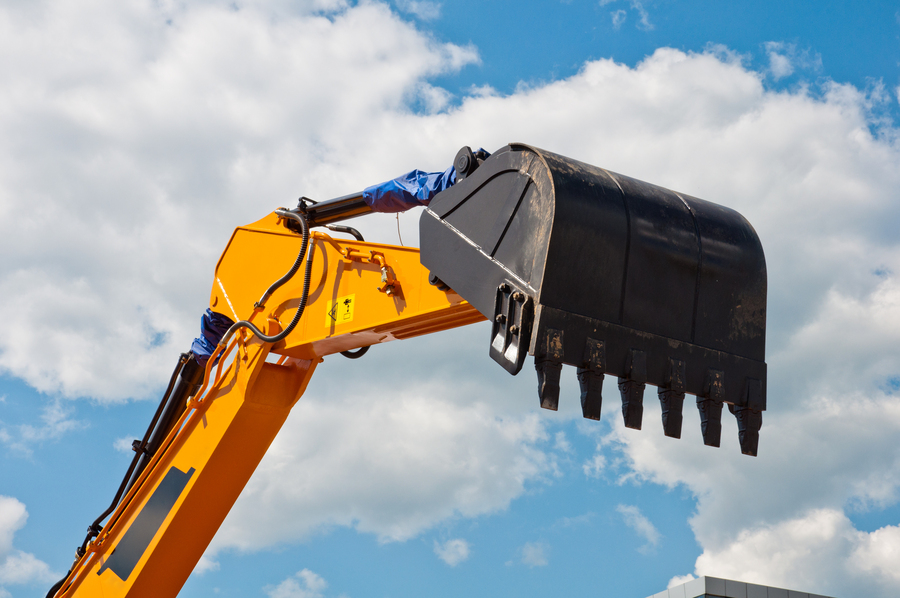
An excavator bucket is the digging attachment mounted at the end of the dipper arm, the part that contacts material being dug, lifted or moved. It’s the attachment excavators use more than any other, since most jobs start with some form of digging or material handling. The what is an excavator article covers how the arm works if you need that background first; this piece stays focused on the bucket.
Why Choosing the Right Bucket Matters
The wrong bucket slows a job down and wears out faster than it should. A digging bucket forced through compacted rock chips its edge, while a rock bucket used for general digging moves less material per pass than needed. Buckets are one type of excavator attachment among several; Quotor’s guide to types of excavator attachments covers the wider range, including hammers, grapples and augers, for jobs a bucket isn’t suited to.
Types of Excavator Buckets
Digging Buckets
The digging bucket, also called a general-purpose bucket, is the default fitted to most excavators for excavation, trenching and loading. It has a curved profile and a full row of teeth, built for soil, clay and loose material rather than rock or debris. Sizing follows the excavator’s weight class: a narrower bucket digs a tighter trench than a wider one on a larger excavator.
Grading Buckets
A grading bucket, sometimes called a clean-up or finishing bucket, has a flat, wide edge with no teeth. Where the digging bucket breaks ground, this one smooths it: levelling soil, backfilling trenches and finishing a surface for concrete or paving. It also suits clean-up work, pulling loose material into a pile without gouging what’s underneath.
Rock Buckets
A rock bucket is reinforced for material a standard bucket can’t handle without damage: broken rock, demolition rubble and similar hard debris. The heavier shell, thicker teeth and reinforced side cutters add weight and cut the volume it carries against a standard bucket of the same width. The trade-off is deliberate, durability over capacity.
Skeleton Buckets
A skeleton bucket has wide gaps or bars instead of a solid floor, built for coarse separation rather than fine screening. Soil falls through as the bucket lifts, while larger rock, concrete and demolition debris stay inside, sorting material on the spot. It suits sites clearing rubble or excavating ground where oversized debris has to come out before backfilling.
Trenching Buckets
A trenching bucket is narrower than a digging bucket and shaped to cut a clean, consistent width for pipe, cable or drainage runs. It cuts tighter and straighter than a general-purpose bucket forced into the same job, with less spoil to move and less backfill once the run is in.
Frost Buckets
A frost bucket has a thicker cutting edge and stronger teeth for breaking ground that’s frozen solid, common on winter jobs where the top layer of soil has set hard overnight or through a cold snap.
Heavy-Duty Buckets
Bucket durability is also rated by duty class, general, heavy, severe and extreme, independent of the bucket’s shape or profile. A heavy-duty bucket carries a thicker shell and stronger wear parts than a standard digging bucket, built for abrasive or high-cycle work that wears out a lighter bucket faster than the material alone would suggest. That’s a different distinction to a rock bucket: duty class is about how much wear the shell and edges are built to take, not the specific material the bucket is shaped for.
Micro Trenching Buckets
Very narrow trenching buckets are available for small conduit, irrigation and light cable work where minimising excavation width matters more than with a standard trenching bucket. Dedicated micro-trenching machines with a cutting wheel handle some of this work too, so it isn’t purely an excavator bucket task.
Rake and Riddle Buckets
A rake bucket has widely spaced tines instead of a solid edge, built for pulling roots, rocks and debris out of topsoil without removing the soil. A riddle bucket does a similar job with a mesh or grid base that sifts smaller stones as material passes through, leaving a finer, plantable surface. Both are landscaping tools rather than digging buckets, used once the rough excavation is done.
Tilt Ditch Cleaning Buckets
A tilt ditch cleaning bucket adds a hydraulic tilt function to a standard ditching bucket profile, letting it angle side to side without repositioning the whole excavator. That matters most on sloped ditch and channel work, where a fixed bucket needs the machine to shift for every angle change. A tilt bucket adjusts on the spot instead, keeping a consistent grade along the cut.
Excavator Bucket Compatibility
Matching Bucket Size to Excavator Size
Every bucket is rated to a weight class. An oversized bucket overloads a mini excavator’s lifting capacity and arm, while an undersized one on a bigger machine wastes capacity it already has. Quotor’s guide to excavator bucket sizes breaks down which widths and capacities suit which weight class.
Couplers and Mounting Systems
Buckets may be mounted directly with pins or connected through a compatible quick coupler. Pin-on buckets require the attachment pins to be removed manually, while a hydraulic quick coupler can allow the locking mechanism to be operated from the cab, though the operator should still confirm the bucket is fully locked before lifting rather than relying on the cab indicator alone. Standards also vary between manufacturers, so a bucket built for one excavator brand doesn’t always bolt onto another; the guide to excavator brands covers how mounting dimensions differ across the major makes.
Bucket Width, Capacity and Machine Weight
A wider bucket carries more material per pass, but its own weight and filled capacity still need to stay within the excavator’s approved operating and lifting limits. Material density matters too: the same bucket filled with rock places a much greater load on the machine than one filled with loose soil.
Bucket Teeth and Cutting Edges
Teeth and cutting edges are replaceable wear parts, so a worn edge gets swapped rather than the whole bucket. Digging and rock buckets use individual teeth for breaking ground, while grading and skeleton buckets typically run a smooth or slotted edge instead. The excavator parts breakdown covers how the bucket and cutting edge fit into the wider arm assembly.
Choosing the Right Excavator Bucket
| Bucket Type | Best For | Main Distinguishing Feature |
|---|---|---|
| Digging | General excavation, soil and clay | Toothed, curved profile |
| Grading | Levelling, backfilling, finishing | Flat, wide edge, no teeth |
| Rock | Rock, rubble, demolition debris | Reinforced shell and teeth |
| Skeleton | Coarse separation from soil | Open bars, no solid floor |
| Trenching | Pipe, cable and drainage runs | Narrow, consistent width |
| Frost | Frozen ground | Thicker edge and teeth |
| Heavy-Duty | Abrasive, high-cycle digging | Higher duty-class rating |
| Micro Trenching | Small conduit and light cable work | Very narrow cut |
| Rake and Riddle | Landscaping, topsoil prep | Tines or mesh base |
| Tilt Ditch Cleaning | Sloped ditches and channels | Hydraulic side tilt |
Match the Bucket to the Material
The table above maps each type of excavator bucket to what it’s built for. Using a bucket rated for lighter material on rock or frozen ground is usually what wears teeth and edges out early, so match the bucket to the material rather than defaulting to whatever is already on the machine.
Match the Bucket to the Job
Digging, grading, trenching and clean-up are different jobs even on the same site, and matching the bucket to the job normally beats running one general-purpose bucket for everything, as the table shows. Reading the job correctly also comes down to operator experience; Quotor’s guide to becoming an excavator operator covers what that involves.
Consider Ground Conditions
Ground conditions change what a bucket can safely do. Wet or unstable ground reduces how much material it can lift per pass, and rocky or frozen ground needs a reinforced edge a lighter bucket doesn’t have. Slope matters too: a tilt function keeps the edge level without repositioning the machine for every pass.
Common Bucket Selection Mistakes
The most common mistake when selecting the right bucket is picking width for speed alone; a wider bucket looks efficient but overloads a smaller excavator’s lifting capacity if it isn’t rated for that class. Another is running a standard digging bucket on rock or frozen ground instead of a reinforced one; it chips teeth and edges well before they’re due for replacement. The guide to operating an excavator covers technique that also affects how hard a bucket works.
Hiring Excavator Buckets
Hiring a Bucket with the Excavator
Most excavator hires include a general-purpose bucket as part of the package, since it covers most digging work. Specialised buckets such as rock, skeleton, trenching, frost or tilt ditch cleaning are usually quoted separately once the provider knows the job. Quotor’s excavator listings show which bucket comes standard with each machine before you book.
Hiring Additional Buckets
If a job needs a bucket the base hire doesn’t include, most providers supply it as an add-on rather than a separate booking. It’s worth confirming coupler compatibility first, since a mismatch on delivery day stops the job before it starts. The guide to hiring construction equipment covers what to check before adding attachments.
Excavator Bucket Hire Costs
Bucket hire cost depends on bucket type and size, hire duration, supplier availability, and whether it’s bundled with the excavator or supplied separately. Quotor’s guide to estimating equipment cost breaks down how these factors add up, and Quotor helps choose the right excavator and bucket as one hire rather than two.