
Articulated Dump Truck vs Rigid Dump Truck
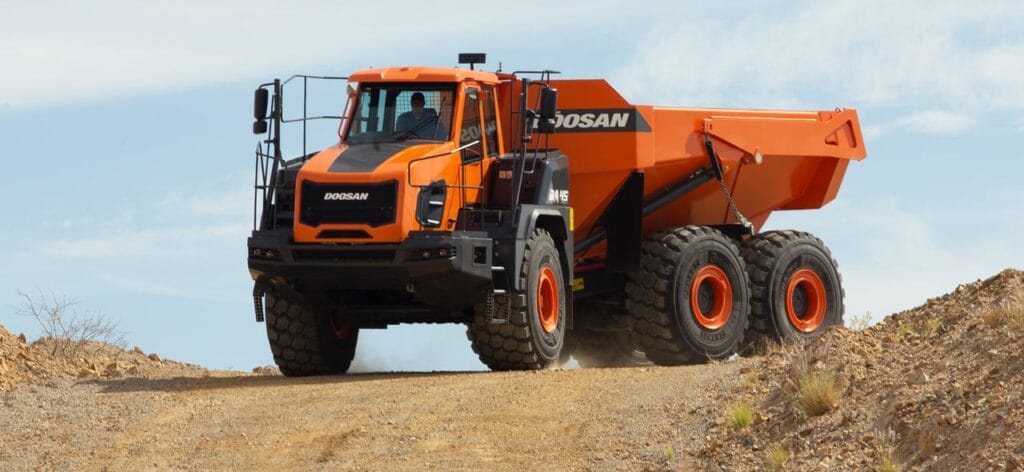
Rigid and articulated dump trucks both move earth, rock and other bulk material around a site, but they get there in very different ways. An articulated dump truck steers by bending in the middle, while a rigid dump truck steers through its front wheels like a standard highway truck, the key difference between articulated dump trucks and rigid dump trucks that shapes almost everything else. If you’re comparing earthmoving equipment for an upcoming job, understanding how each machine handles hauling is the fastest way to work out which one suits your site.
What Is a Grader Used For? Motor Grader Types, Functions and Applications
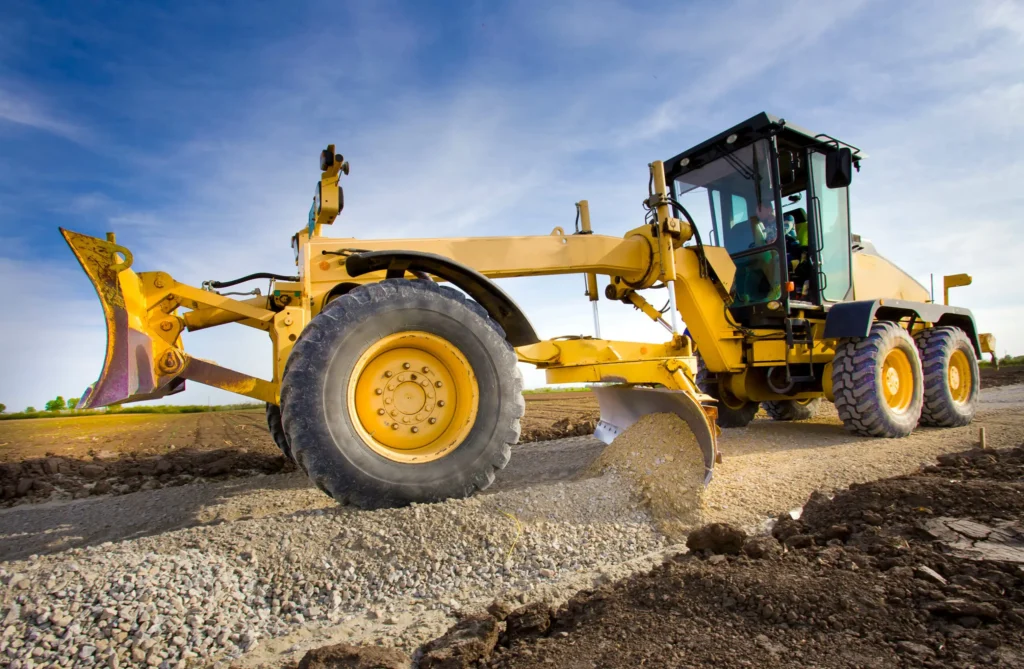
A motor grader is one piece of equipment that turns a rough, uneven site into something you can actually build on. Long, low and unmistakable with its blade slung underneath the frame, a grader is the machine crews reach for whenever a surface needs to come out dead flat or sit at a precise fall. Whether you’re comparing hire options through Quotor or just trying to work out if this is the right machine for your job, it helps to understand what a grader actually does before you start comparing models.
What Is a Scraper? Types Used On Construction Sites
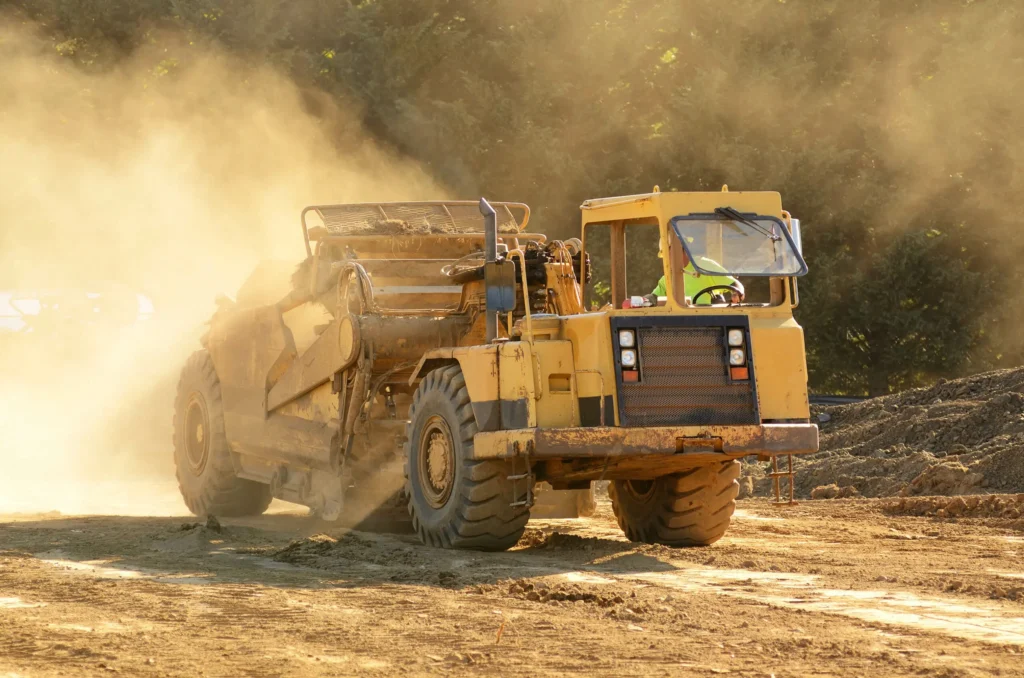
A scraper is a heavy-duty earthmoving machine that cuts, loads, hauls and dumps material in one continuous pass. Quotor lists scrapers alongside dozers, graders and loaders as core earthmoving equipment, though a scraper does the job of both an excavator and a truck in one machine. The rear-mounted bowl, sometimes called the pan or hopper, is what sets it apart from other earthmoving plant.
9 Types of Compaction Rollers Used in Construction
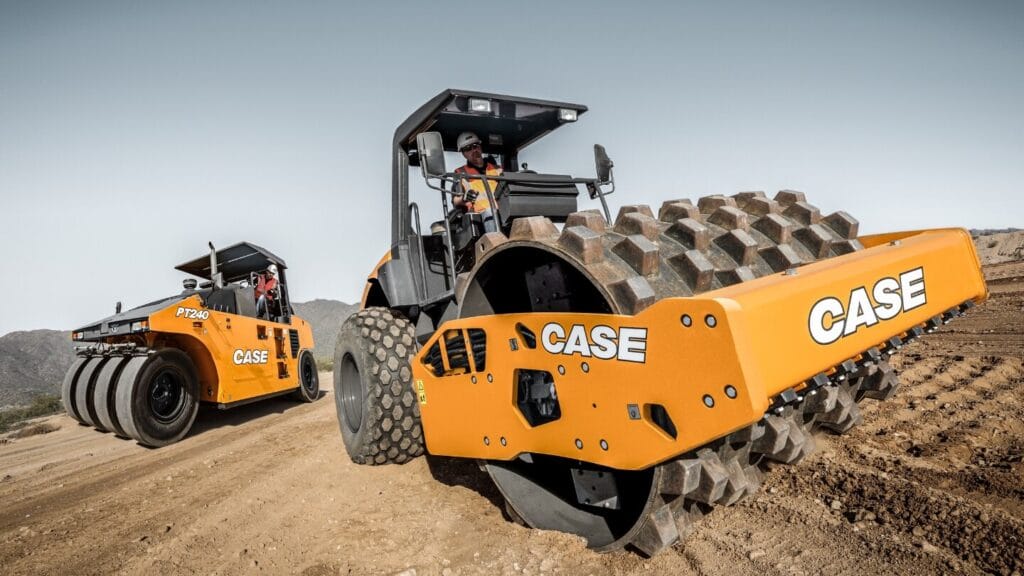
Compaction rollers range from small remote controlled trench units to heavy static three-point rollers, and the type of roller you choose affects compaction quality and rework risk. This guide covers the main types of compaction rollers used on Australian sites, how they compare and how to choose the right one for your soil, site and project. Quotor’s roller category brings these machines together in one place, making it a useful starting point for comparing hire options.
Combination Roller: A Versatile Tool for Asphalt Compaction
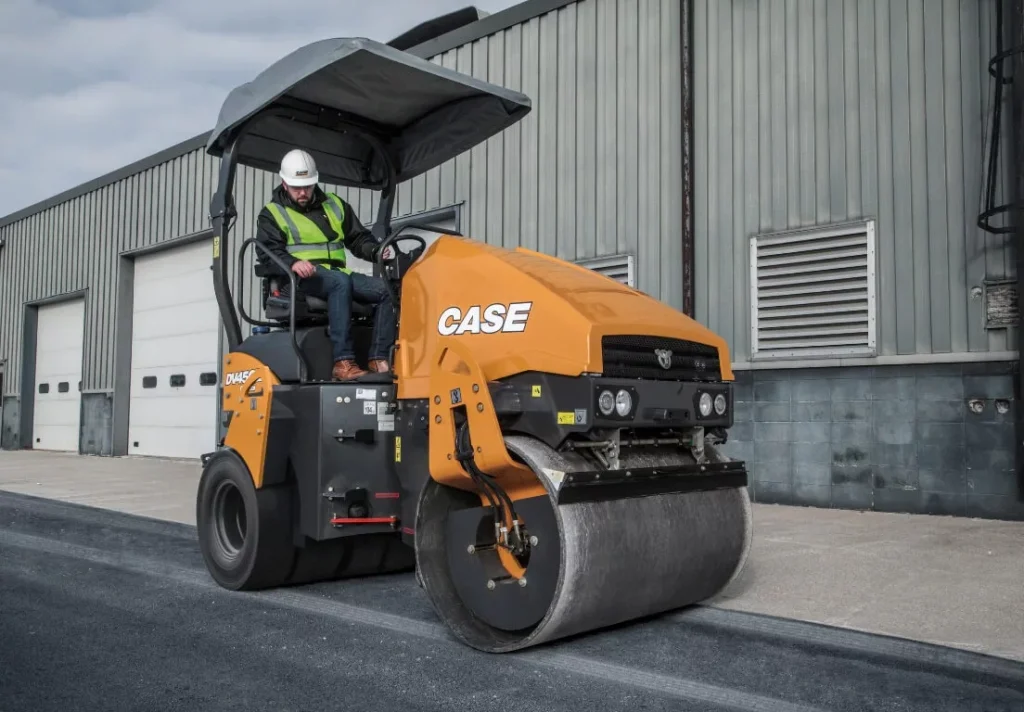
A combination roller pairs a smooth steel drum with pneumatic tyres on the same chassis, so one machine handles the compaction and finishing passes that asphalt work usually needs in separate stages. Quotor lists combination rollers as their own equipment category, alongside other earthmoving and construction equipment used across Australia.
What Is a Trench Roller: Its Role In Construction
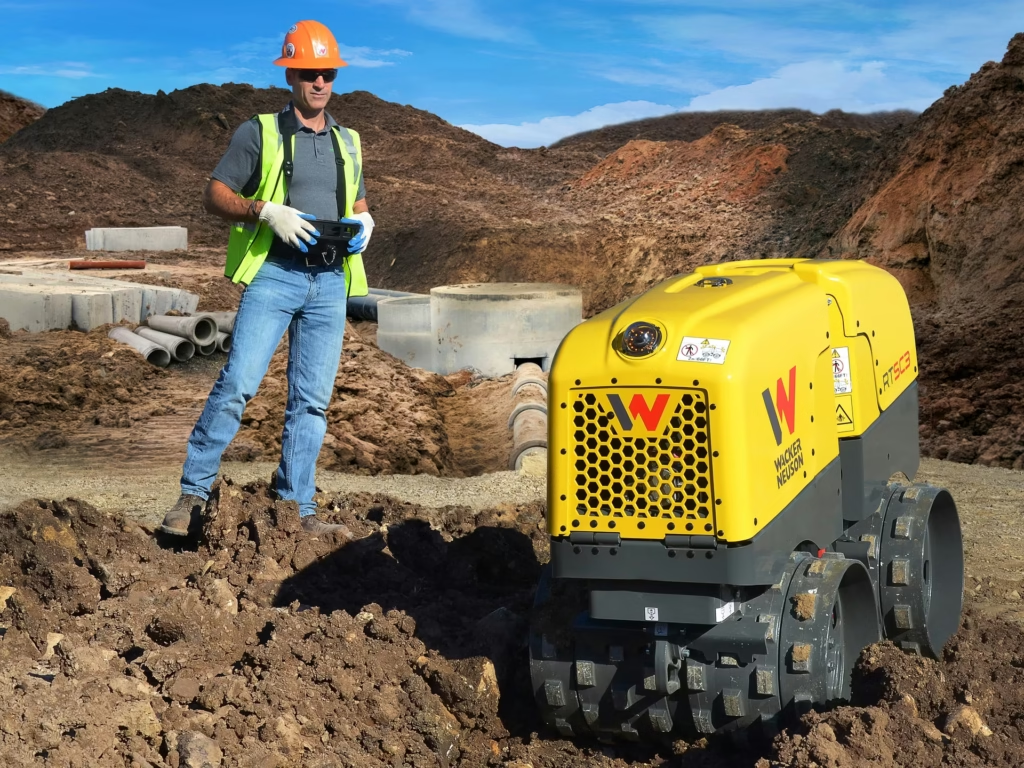
A trench roller is a compact roller, operated by remote control, built for narrow trenches, pipeline corridors and other confined spaces a standard ride-on unit can’t fit into. Also called a trench compactor, it runs two vibrating drums on an articulated frame to knead and compact backfill soil around pipes and cables, delivering more compaction force than a walk-behind plate compactor in the same footprint. Within Quotor’s roller category, trench rollers are a distinct type built for trench and foundation work rather than open-area compaction, used across Australian construction and civil sites.
What Is a Pneumatic Roller: Everything You Need to Know About Multi Tyre Rollers
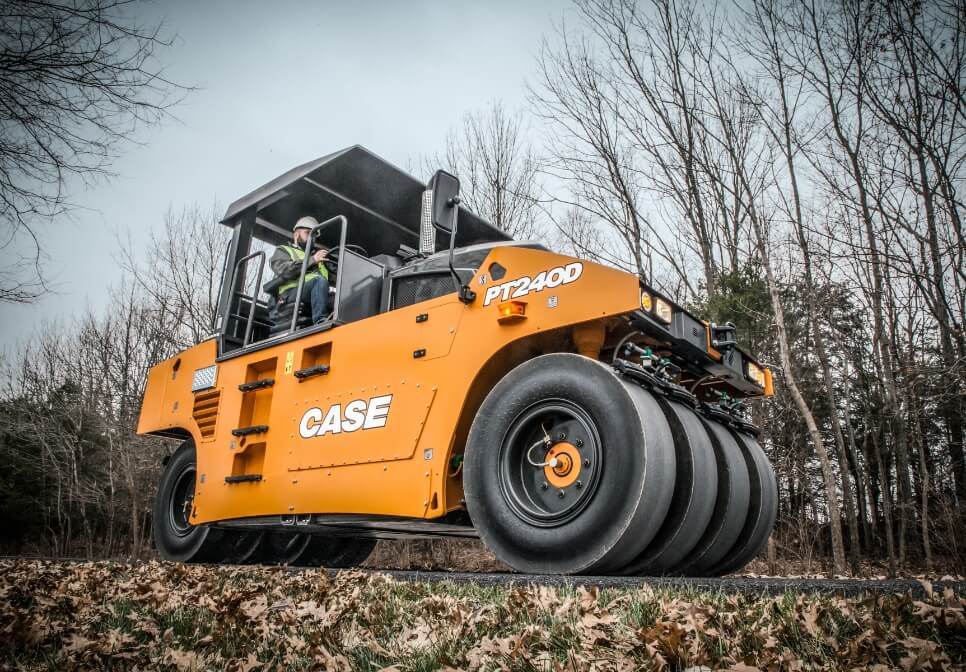
A pneumatic roller uses air filled rubber tyres instead of a steel drum to compact asphalt, granular base material and lightly cohesive soils. It’s one of the machines Quotor helps contractors source, from a small resurfacing job to a full construction project. This guide covers how they work, where they’re used, how they compare, and what to weigh up before hiring one.
Single Drum Roller vs Double Drum Roller: Choose the Right One

Compaction rollers press soil, gravel and asphalt into a dense, stable base before the next stage of a build goes in. Single drum and double drum rollers, as Quotor’s guide explains, are the two road roller configurations you will see most often on an Australian site, and the difference between them starts with drum count and placement. A single drum roller delivers its compactive force through one large steel drum at the front, backed by tyres at the rear for steering and traction. A double drum roller compacts through two steel drums, one at each end of the frame, so every pass works the full width of the machine in steel rather than half steel and half rubber. That layout is what drives almost everything else covered below, from the ground each machine handles best to the finish it leaves.
Padfoot vs Smooth Drum Roller: Choosing the Right Compaction Equipment
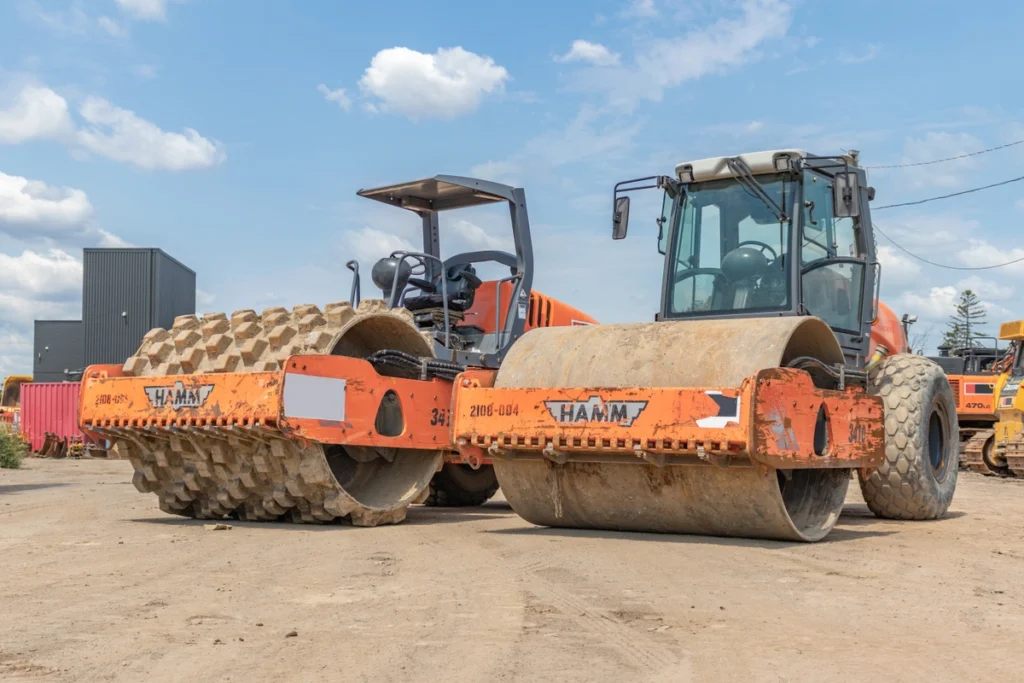
Padfoot rollers and smooth drum rollers are both compaction rollers, but they compact material differently and suit different stages of a job. Getting the choice wrong can mean soil that never reaches the density an engineer specified, or a finished surface left with ridges through it. This guide compares the two types of compaction rollers to match the machine to the ground, from a clay heavy building pad to an asphalt overlay. Quotor stocks both machine types across most of the sites it services in Australia.
Bobcat vs CAT Skid Steer: Which Loader Is Right For You?
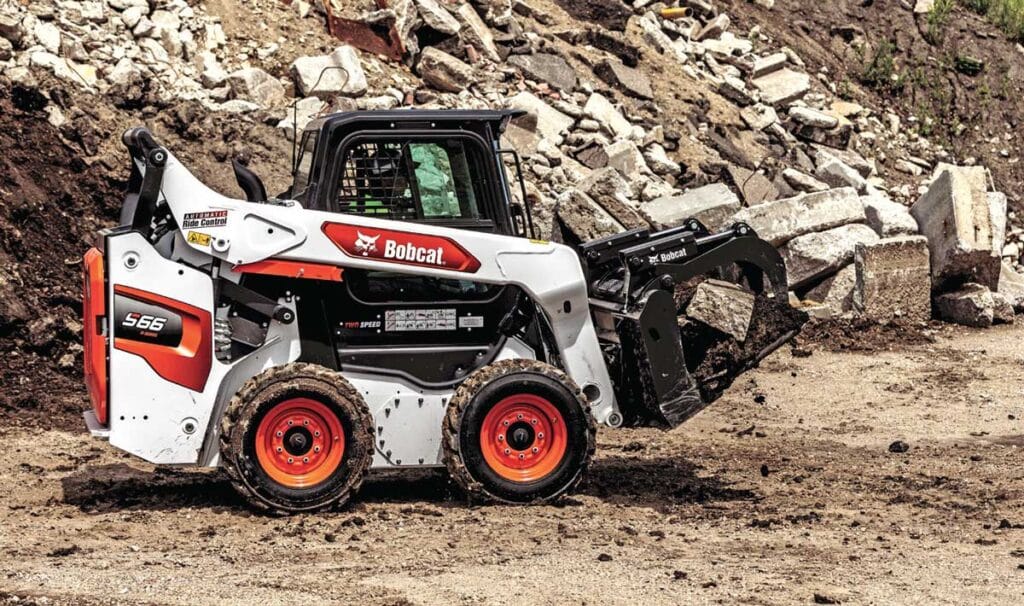
Bobcat and CAT are two of the most established names in wheeled skid steer loaders, and Australian contractors weigh them against each other constantly when booking a hire. This guide compares the current and commonly available Bobcat and CAT wheeled skid steer ranges on the differences that matter most on site, including capacity, hydraulics, lift design, controls and attachment compatibility, so the detail below focuses on what actually affects a hire decision.
Skid Steer vs Forklift: Finding the Right Equipment for Your Project
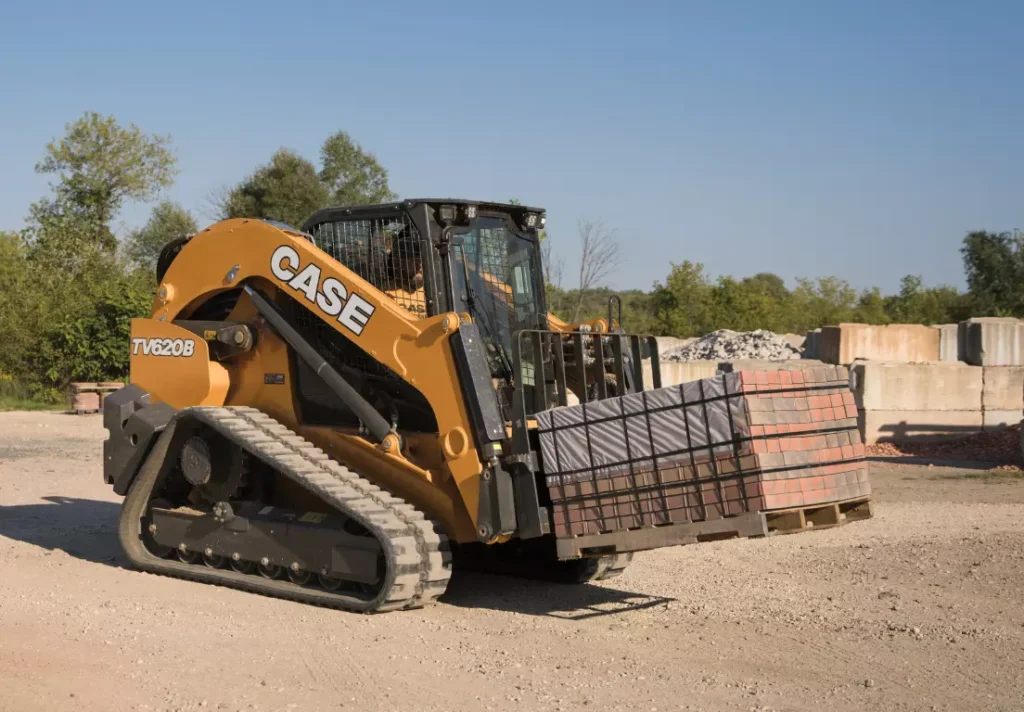
A skid steer scoops, carries and dumps material using a bucket or attachment on a front-mounted lift frame, steering by varying the speed of the wheels on each side. A forklift lifts a pallet on a pair of forks, raising and lowering the load rather than scooping it. That distinction, loose material versus a fixed load, shapes almost every other difference between the two machines covered below.
Skid Steer vs Backhoe Loader: Choosing the Right Construction Equipment for Your Job
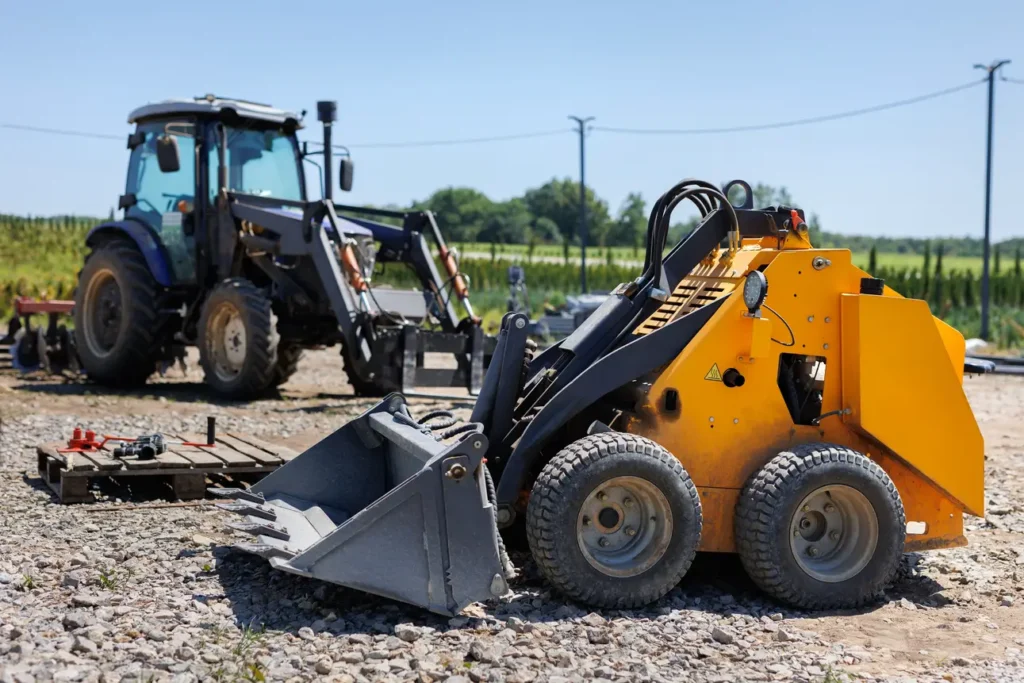
A skid steer and a backhoe loader are both heavy-duty construction equipment, but they solve site work in different ways. A skid steer is a compact loader built around attachments: swap the bucket for forks, an auger or a trencher and it takes on a different task. A backhoe loader puts two machines on one chassis, a front loader bucket for material handling and a rear digging arm for excavation, so one hire covers both loading and digging without a second machine on site. Choosing between a backhoe loader and a skid steer for a construction project usually comes down to whether the job needs manoeuvrability and attachment versatility, or digging depth built into a single unit, and the sections below help you choose the right machine.
Types of Skid Steer Attachments: A Guide to Skid Steer and Compact Track Loaders
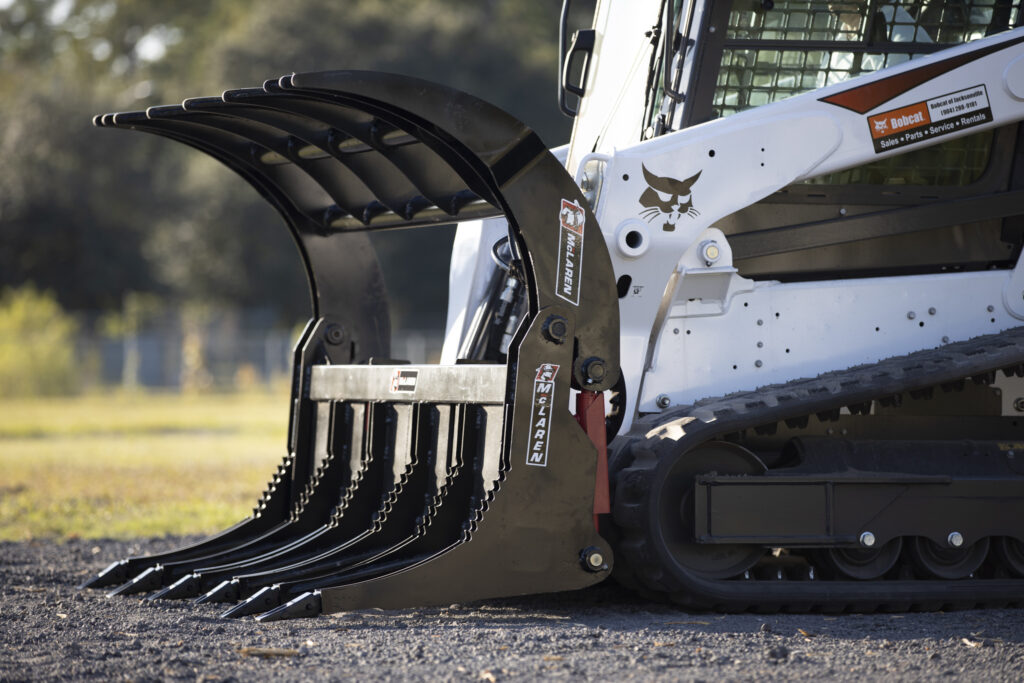
A skid steer loader is a compact, rigid-frame machine that turns by braking the wheels on one side while driving the other, letting it work in tight spaces a larger loader can’t reach. For the full rundown of how the machine itself is built and controlled, see Quotor’s guide to what a skid steer loader is.
Skid Steer vs Bulldozer: Which Machine is Right For Your Project?
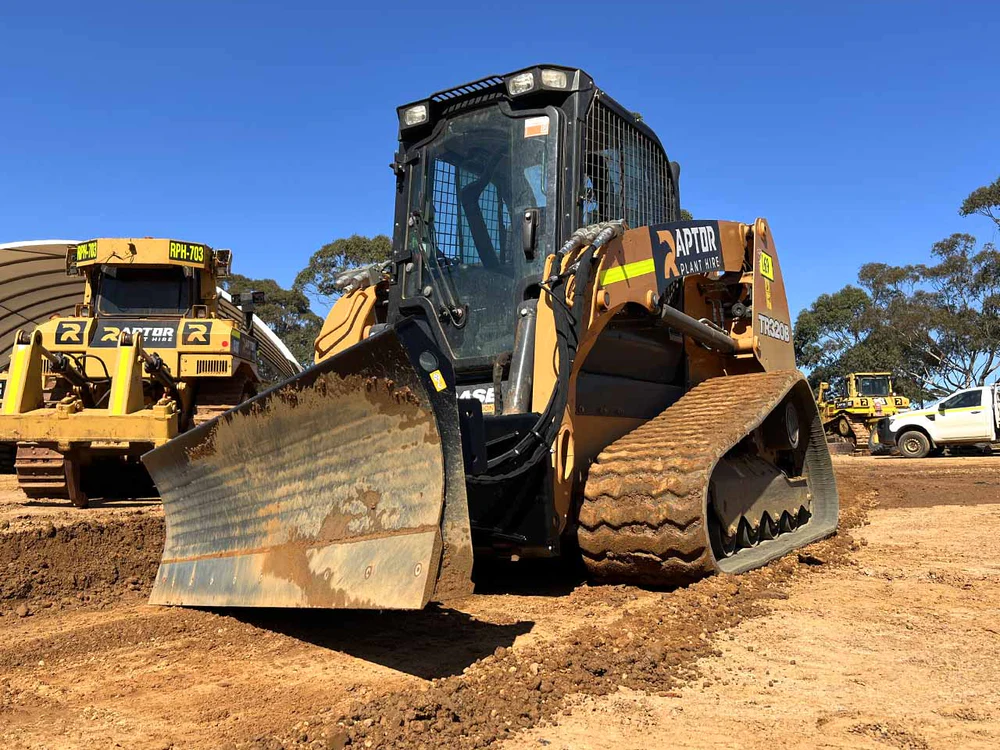
Skid steer or bulldozer is one of the first calls a contractor makes on almost any earthmoving job, because the two machines solve overlapping problems in very different ways. A skid steer loader is compact, quick to manoeuvre and built around attachments for material handling and light grading in tight spaces. A bulldozer trades that agility for raw pushing power, moving large amounts of earth and clearing ground a skid steer simply can’t push through. Picking whichever is better for your construction needs starts with understanding the key differences between skid steers and bulldozers, not just comparing their size.
How to Become a Dozer Operator: Training and Bulldozer Ticket Requirements
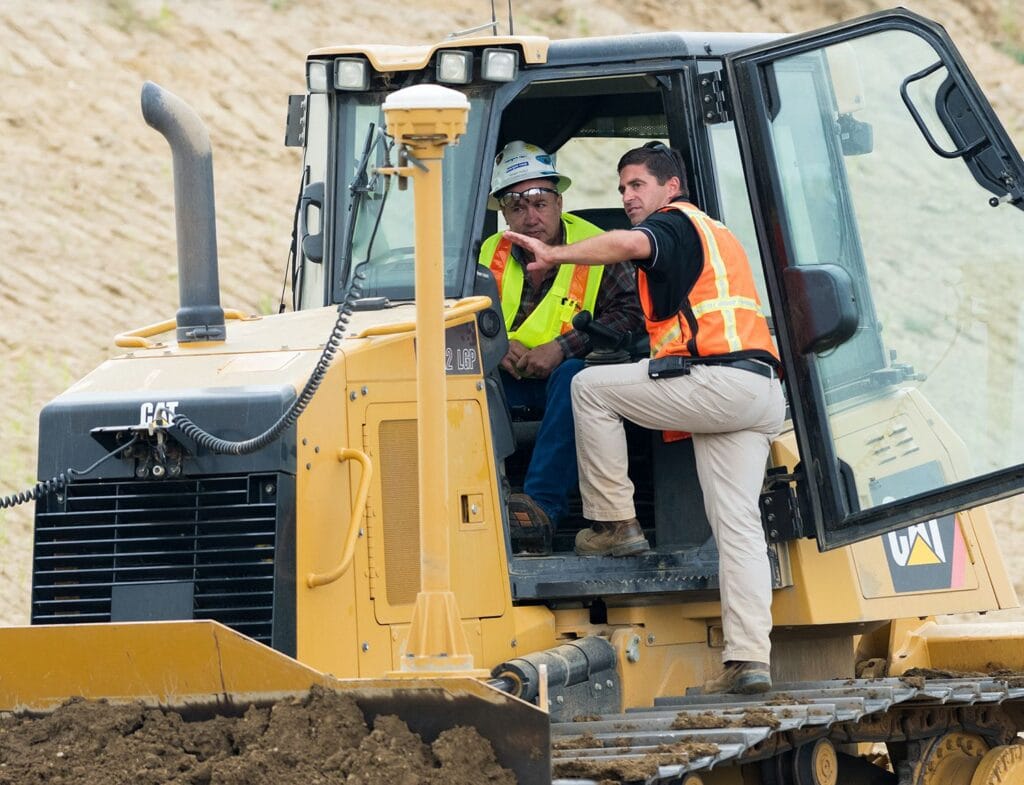
Operating a dozer, also known as a bulldozer, means planning and carrying out earthmoving work: pushing, spreading and levelling material to a survey grade using the machine’s blade and, on some jobs, a rear ripper. If you’re weighing this up as a career, the practical question isn’t really “do I need a licence,” it’s “what does this specific machine actually require, and how do I get it.” Quotor’s dozer explainer covers what separates a dozer from other earthmoving plant if you need that grounding first.
What is a Dozer? Understanding Bulldozer Types and Uses in Construction Projects
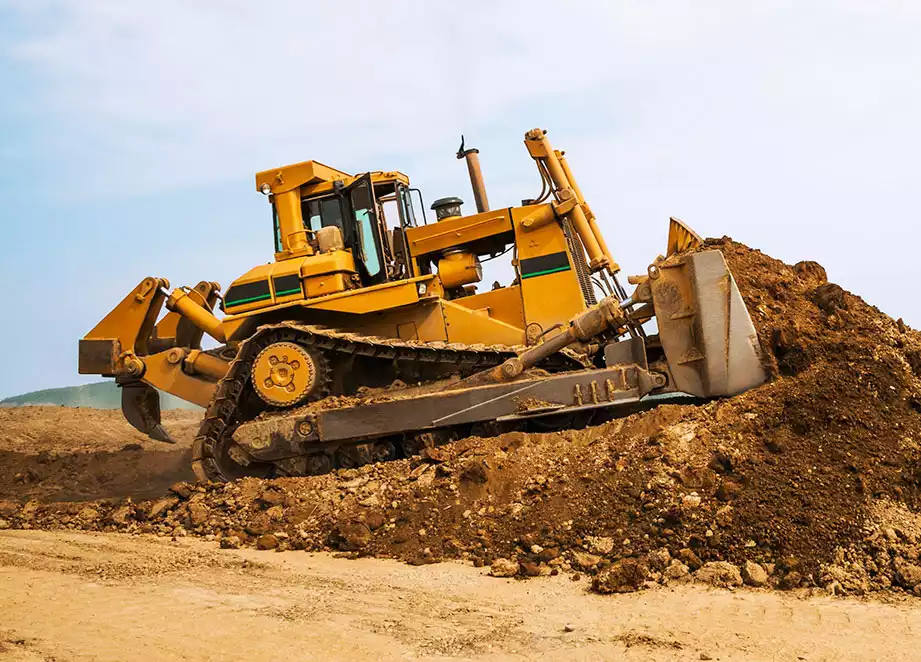
A bulldozer, or dozer, is a heavy tracked or wheeled machine built around one job: pushing material with a large front-mounted blade rather than digging or lifting it. Unlike a bucket on an excavator, the blade doesn’t come off; it’s fixed to the machine, hydraulically raised, lowered and angled from the cab. That’s the line separating a bulldozer from every other earthmoving category on Quotor’s bulldozer equipment page. Bulldozers run on either steel tracks or rubber tyres, and both versions sit inside the same equipment category, split by undercarriage rather than by what the machine does.
How to Operate a Bulldozer: Step-by-step Guide
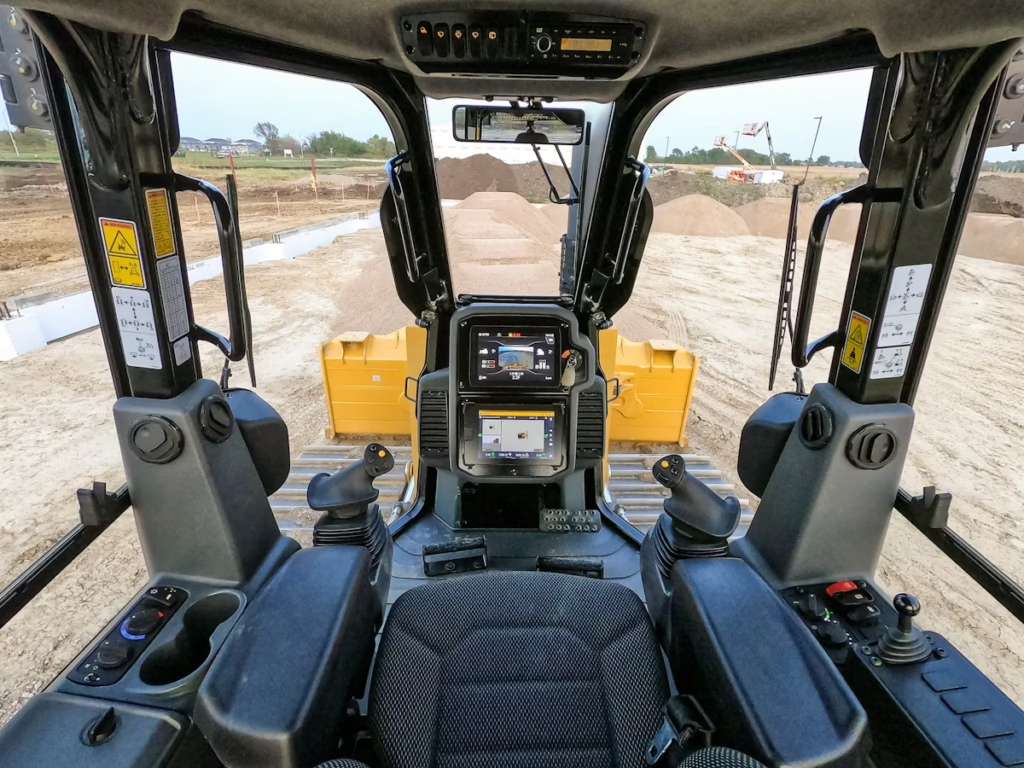
A bulldozer is a tracked machine built around a front-mounted blade that pushes, cuts and shifts material, usually paired with a rear ripper for breaking up hard ground. For a full breakdown of how the machine is built, see what a dozer is and how it works. This guide covers what you need to learn how to operate a bulldozer safely: the controls, pre-start checks and technique.
How to Operate a Telehandler: Tips for Operating a Telehandler Safely
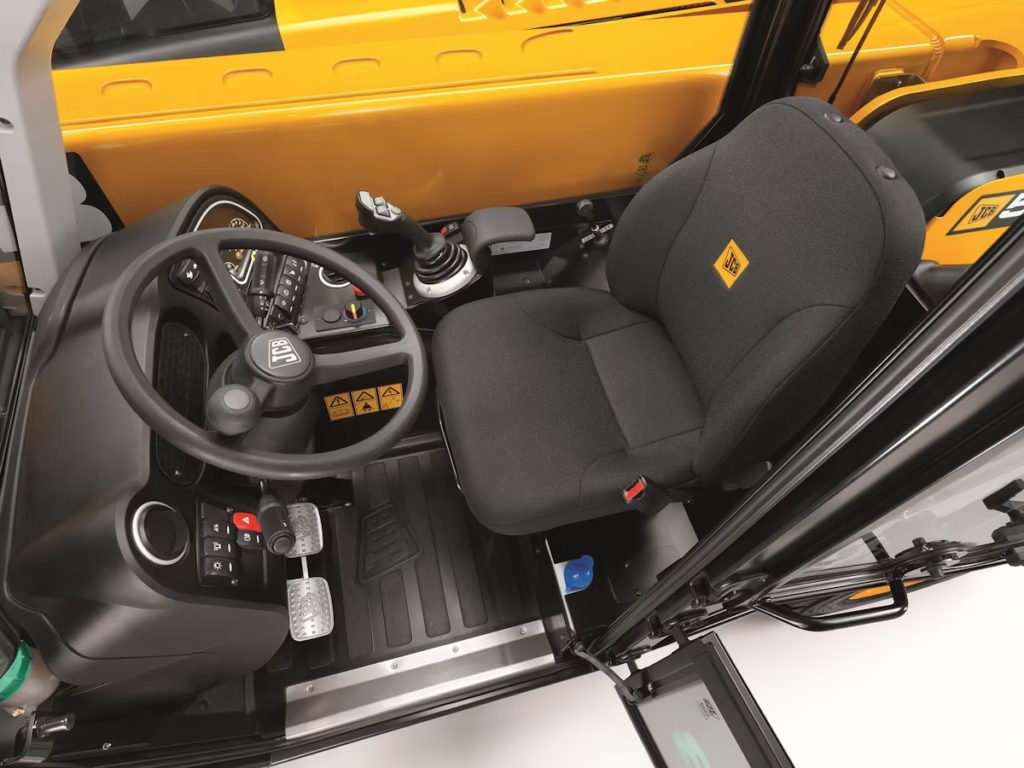
A telehandler, also known as a telescopic handler or teleporter, pairs a wheeled chassis with a boom that extends out and up, rather than sliding vertically on a mast the way a standard forklift’s does. That reach lets one machine lift, place and stack materials up high and at distance that would otherwise take two separate machines, and telehandlers are widely used in agriculture and on construction sites, and in infrastructure work too. For the full rundown of how it’s built, see what a telehandler is. This guide covers the controls, checks and technique needed to run one competently.
Forklift vs Telehandler: Know the Differences
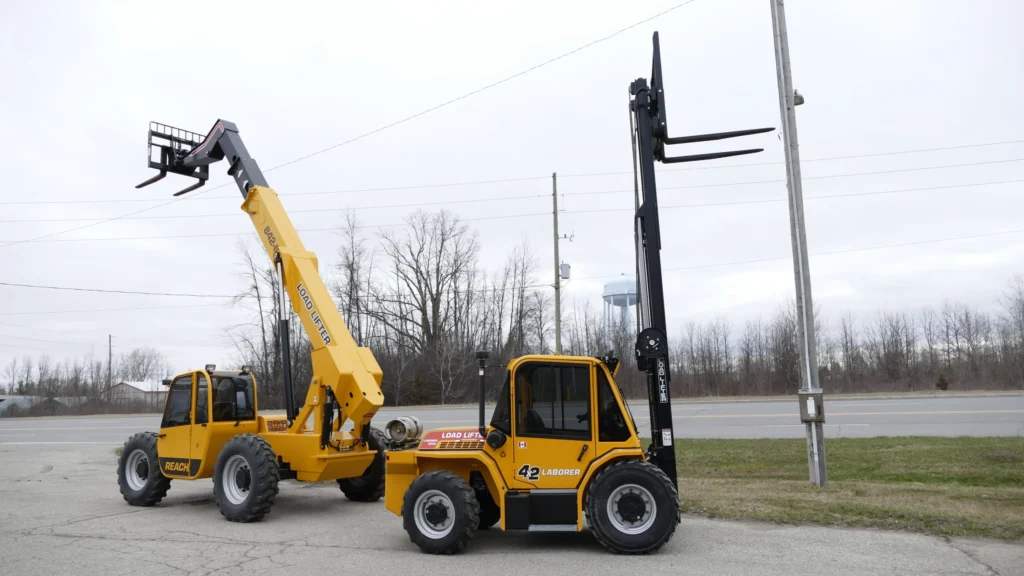
These two machines both move heavy loads, but they’re built for different ground and different jobs. Picking between a forklift and a telehandler comes down to mast versus boom: one lifts straight up, the other reaches out. That distinction shapes material handling and logistics work, and which piece of equipment your next job actually needs.
Dozer vs Track Loader (Crawler Loader): Which is Best?
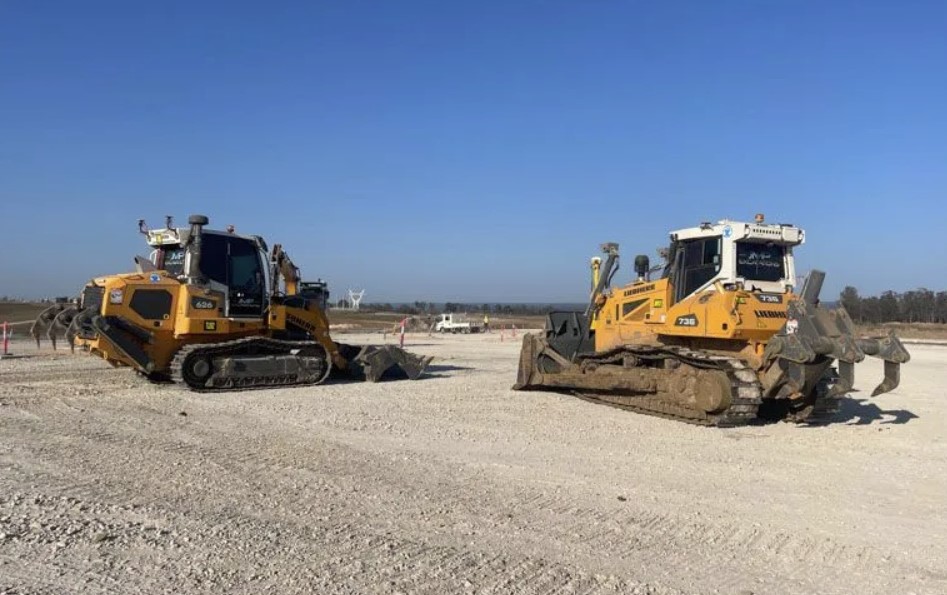
A dozer and a track loader are both tracked machines built for earthmoving, but they move material in opposite ways. One uses a flat blade to push material across the ground; the other lifts material into a bucket and carries it to where it’s needed. For many contractors, the track loader vs dozer question comes down to that single distinction, pushing versus loading, and Quotor’s earthmoving equipment listings group both machine types under it.