
How to Prevent Forklift Accidents and Improve Safety

Most forklift accidents fall into a small number of repeating patterns: tip-overs, pedestrians struck in a blind spot, loads that shift or fall from the forks, and collisions at loading docks or ramps. Each traces back to a specific, repeatable cause, not a one-off mechanical failure.
Guide to Rough Terrain Forklift: Terrain Types & Certification
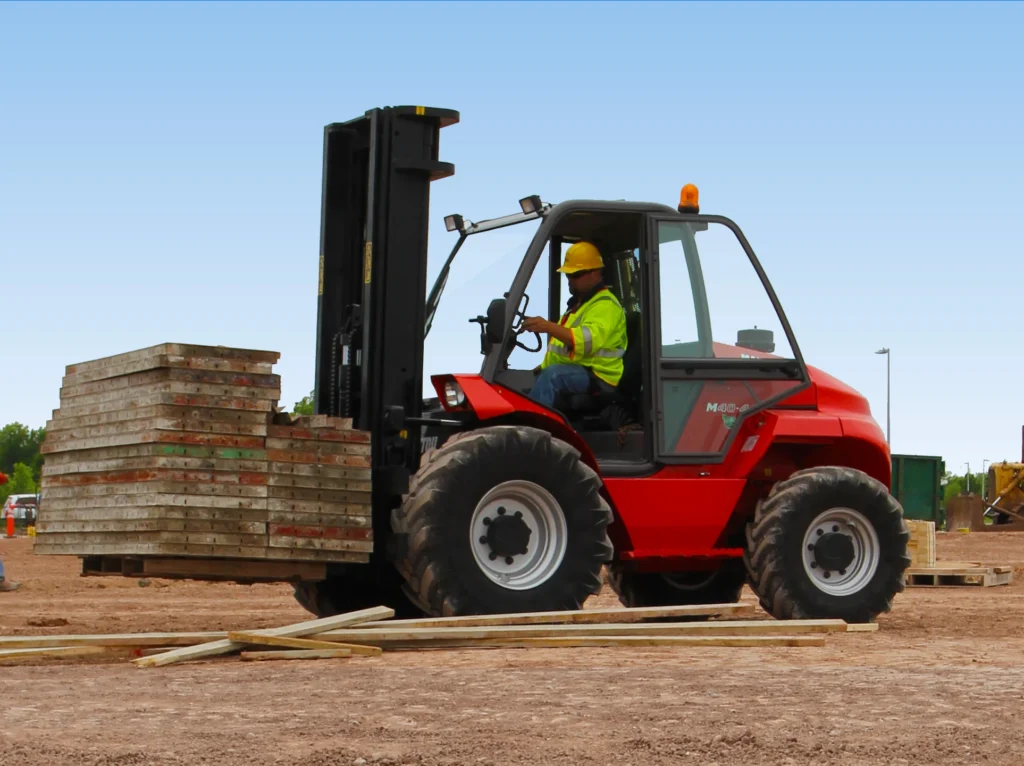
Built for ground a standard warehouse forklift can’t handle, mud, loose fill, slopes and unsealed construction sites, Quotor’s range of rough terrain forklifts spans 2WD, 4WD and compact configurations. This guide covers how they work, where they’re used, and what to weigh up before hiring one.
What Is a High-Reach Forklift? Uses, Benefits and Hire Guide

A high reach forklift, also called a reach truck, is a type of forklift designed to lift pallets into high racking while working in narrower aisles than a standard forklift needs. Quotor lists high reach forklifts within its broader forklift category, alongside counterbalance forklifts and other lift truck types, since the controls are similar even though the mast and frame are built for a different job.
How to Get a Forklift Licence In Australia?

Whether you want to boost your career, comply with workplace safety regulations or just add to your skill set, getting a forklift licence is a must. This article will take you through everything you need to know about forklift licences in Australia, from what a forklift licence is to proper forklift training and assessment.
How to Operate a Forklift Safely: Step-by-Step Guide
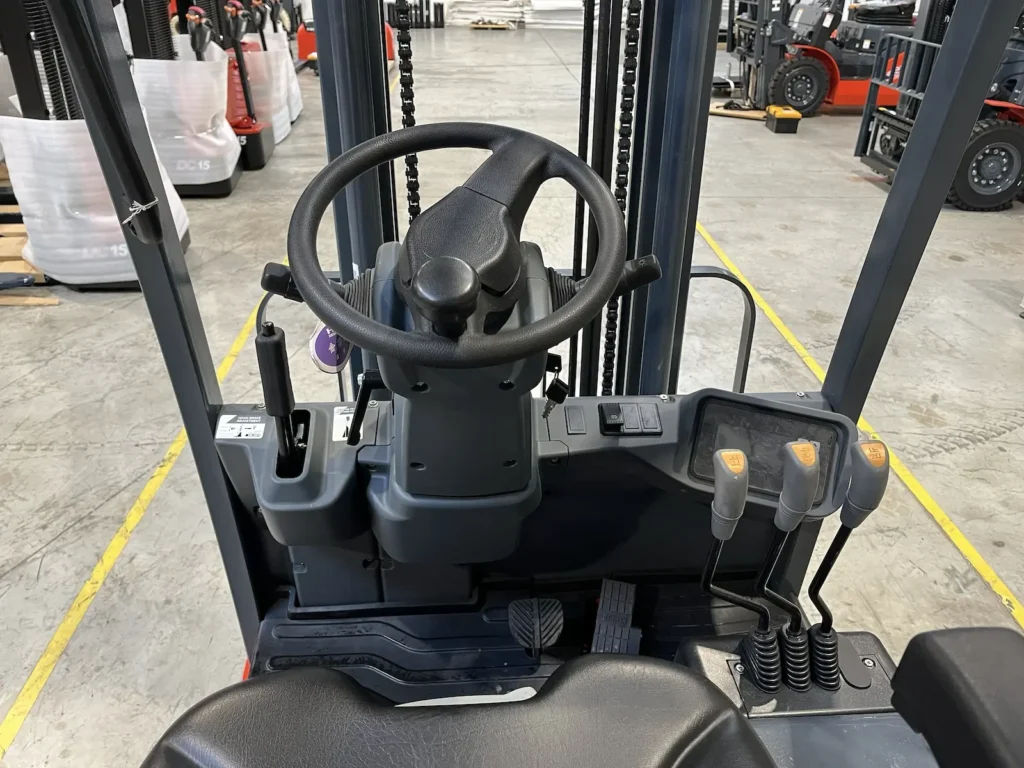
A forklift is a powered industrial truck built for loading, carrying and stacking loads on forks mounted at the front of the forklift. For a full breakdown of how the machine is built, see what a forklift is and how it works. This guide covers what comes next: learn how to operate a forklift safely, from the controls through to core technique.
What Is a Counterbalance Forklift? Uses, Benefits and Hire Guide

A counterbalance forklift is the type of forklift truck most people picture when they hear the word forklift: forks at the front, an engine or motor behind the operator, and a heavy, external counterbalance weight at the rear that offsets the load being lifted. That weight gives the machine its name, and separates it from a reach truck, which uses outrigger legs and a reach mechanism instead of a rear weight to stay stable. Counterbalance and reach trucks are the two most common forklift types on Australian sites, and on Quotor’s forklift range, they sit as separate equipment categories.
Main Differences Between Track and Wheel Dozers
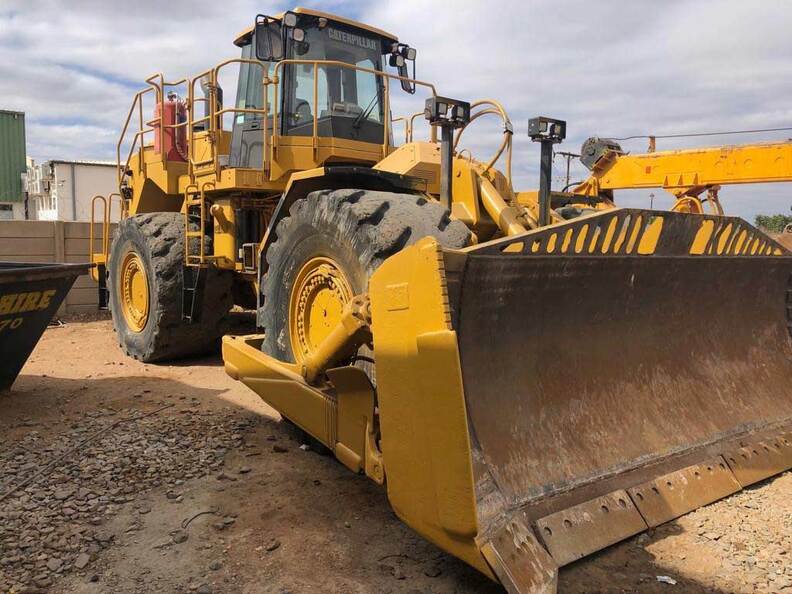
Track dozers and wheel dozers are two of the most common types of heavy equipment on an earthmoving site, doing the same basic job with a front-mounted blade that pushes, spreads and levels material, but the undercarriage underneath changes what each machine does well. A track dozer runs on steel tracks that spread its weight across a long, continuous footprint, giving it strong traction on soft, loose or uneven ground. A wheel dozer runs on large rubber tyres, trading some of that grip for higher travel speed and easier movement across firm ground. Quotor’s guide to what a dozer is covers the basics of how the machine works before getting into how the two undercarriages compare. That single difference between tracks and wheels shapes almost everything else that separates a track dozer from a wheel dozer.
Bulldozer vs Wheel Loader: What You Need to Know
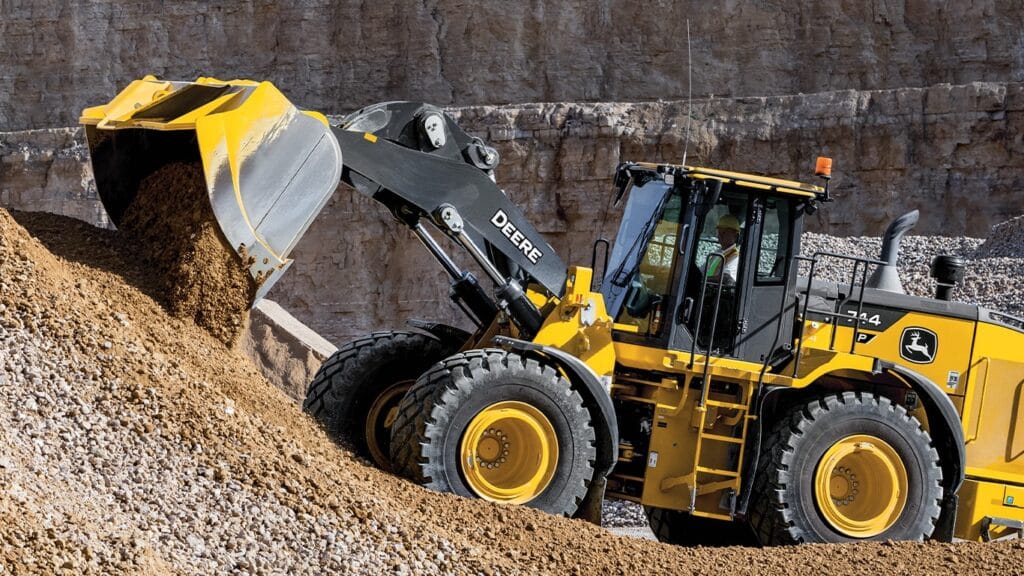
Bulldozers and wheel loaders are two of the most common types of heavy equipment on an Australian job site, and deciding between them starts with how each one moves material. A bulldozer pushes material with a blade mounted at the front of the machine, using its tracks for grip and its weight for pushing power. A wheel loader lifts material in a front-mounted bucket, then carries or dumps it elsewhere, work a blade can’t do. Neither machine digs below its own standing surface the way an excavator does; both work at or above grade. That’s the split behind most of the differences between bulldozers and wheel loaders covered on this page: one machine moves material along the ground, the other lifts and carries it. Both sit within the broader category of earthmoving equipment, but they’re built for different halves of the job, and Quotor lists hire options for both across Australia.
Dozer vs Excavator: Choosing the Right Machine for Your Construction Project
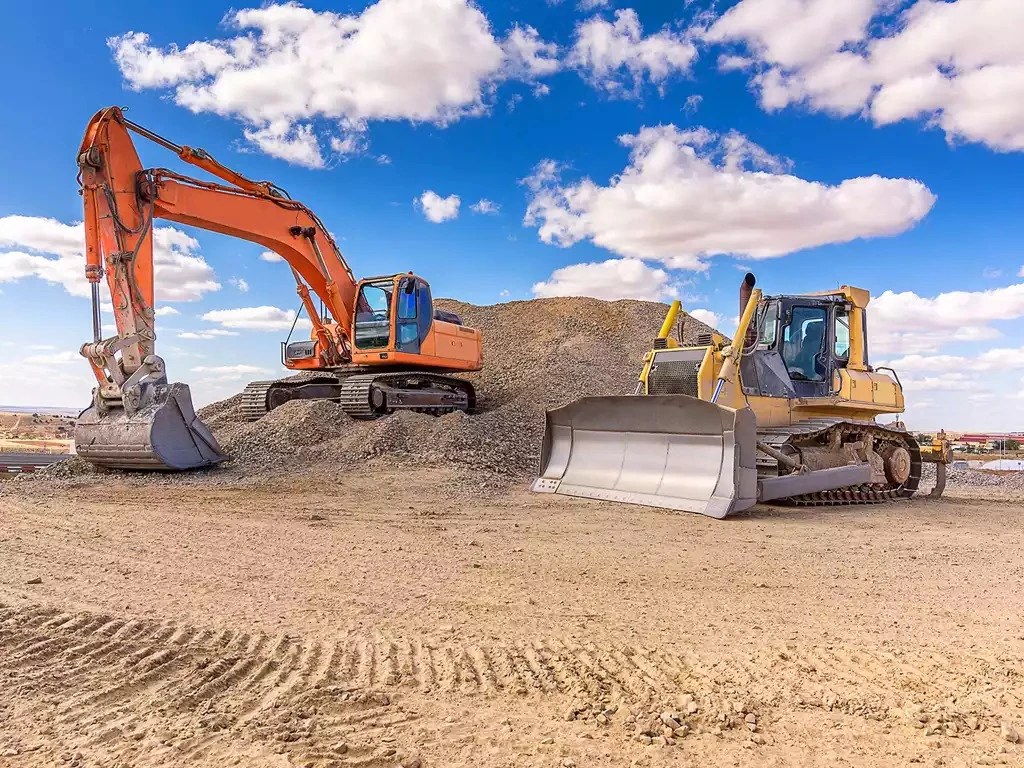
A bulldozer and an excavator are two types of heavy equipment, and how each one works on construction sites comes down to how it moves material. A bulldozer uses a flat blade on the front of the machine to push soil, rubble, and debris across the ground rather than lifting it. An excavator works the opposite way: its boom, arm, and bucket dig down, lift material, and swing it to a truck or a spoil pile. A backhoe loader combines a small front bucket with a rear digging arm but doesn’t replace either machine on a bigger job. Both are heavy machinery Quotor lists for hire, and matching machines to the right stage of a project is really a question of managing equipment across the job: that distinction between pushing and digging drives most of the key differences below.
Dozer vs Backhoe: Picking the Right Machine for the Job
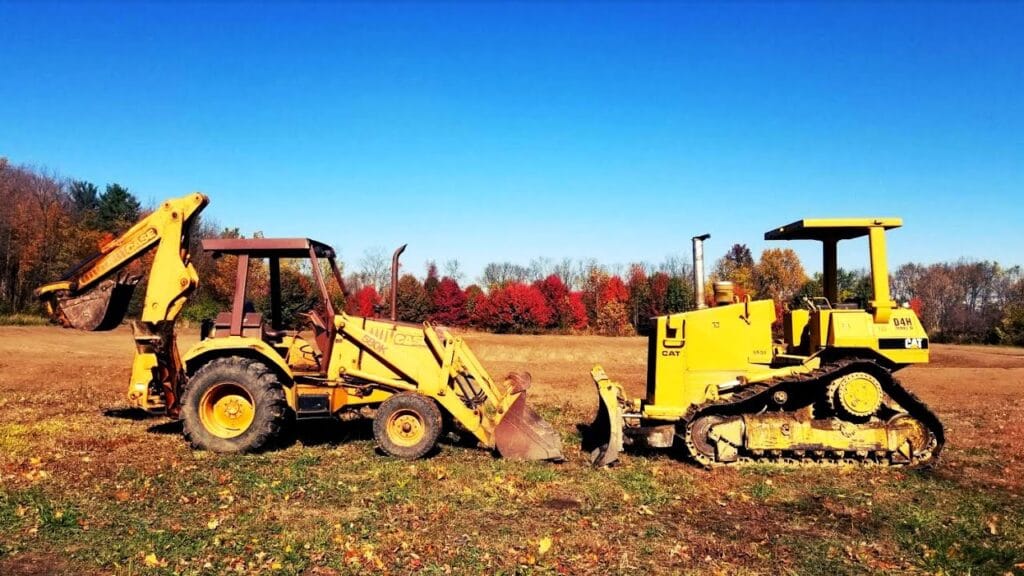
A bulldozer pushes; a backhoe loader digs. A bulldozer runs on tracks with a heavy blade at the front, built for shifting, spreading and levelling material. A backhoe loader carries a front bucket for loading and a rear arm for trenching and excavation, closer to a wheel loader and an excavator combined into one chassis. Bulldozers handle bulk earthmoving and large-scale grading; backhoe loaders handle digging, material handling and smaller jobs a full-size excavator would be overkill for.
How To Operate a Mini Excavator: Operating Tips and Uses
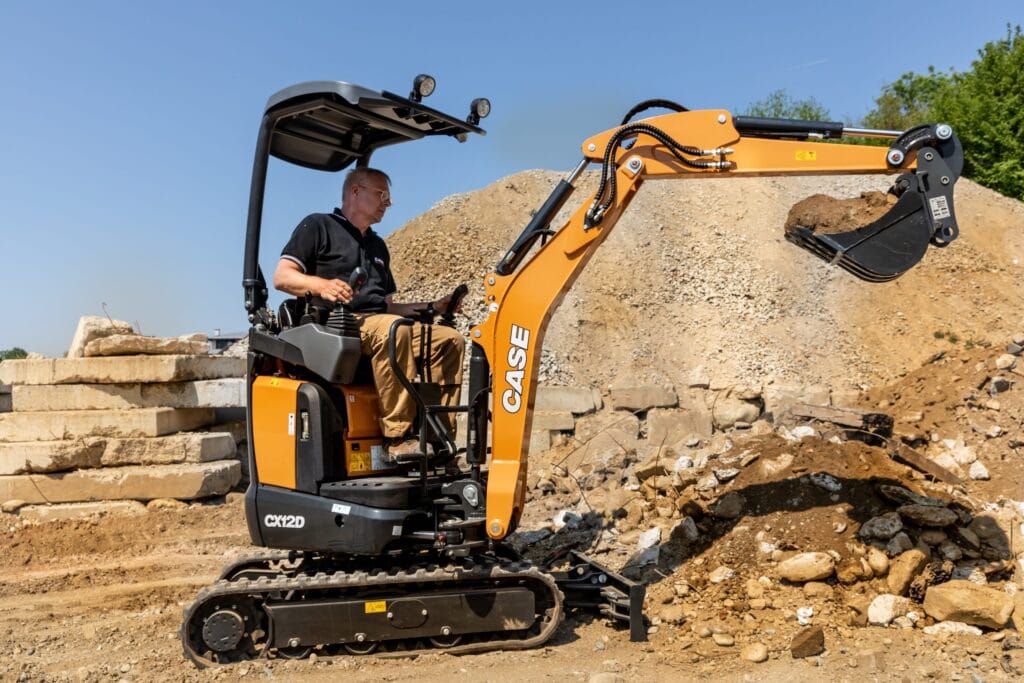
Mini excavators handle the same digging, lifting and grading work as a full-size excavator, but the job usually calls for one because of what a standard machine can’t do: fit through a side gate, work two metres from a fence, or turn without swinging a boom into a wall. Operating one well means understanding where that compact footprint changes the technique, not repeating the general excavator basics. Quotor’s mini excavator hire range covers the sizes discussed below.
Tracked vs Wheeled Excavator: Which Is Best?

Both machines dig, lift and load the same way, through a boom, dipper arm and bucket, but what changes is what’s underneath the cab: tracks or wheels. Quotor’s guide to wheeled and tracked excavators covers how that single difference decides which sites, and which jobs, each machine handles well. Both excavators are suited to general digging, loading and lifting; the wheels or tracks underneath decide where each performs best. Each type of excavator brings its own set of advantages: tracks for grip and stability, wheels for speed and site-to-site travel.
Operations With Integrated Tool Carrier: When to Use ITC?
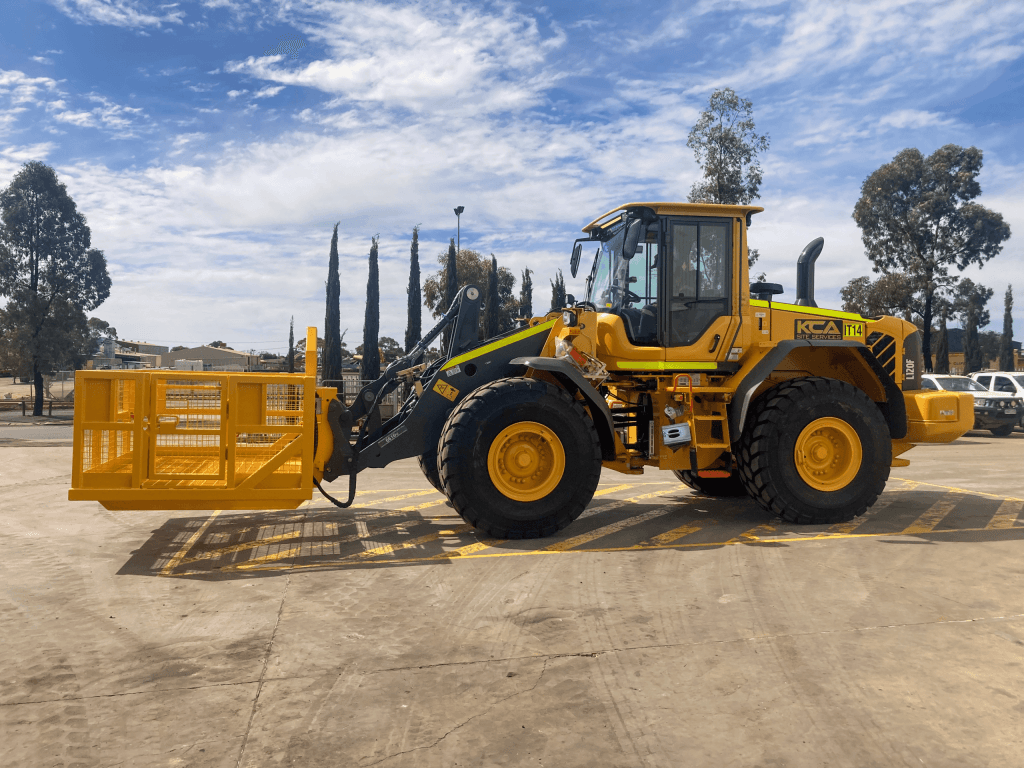
An integrated tool carrier (ITC) is a wheeled loader built around a fast attachment coupler and a lifting linkage designed for handling loads rather than just digging into them. On Quotor, ITCs sit inside the broader loader category alongside wheel loaders, skid steers and compact track loaders, built for sites where the task changes hour to hour rather than staying fixed on one job. This guide covers what sets an ITC apart from a wheel loader, the attachments it runs, where it earns its keep, and what to check before hiring.
Become an Excavator Operator: Ticket & Certification
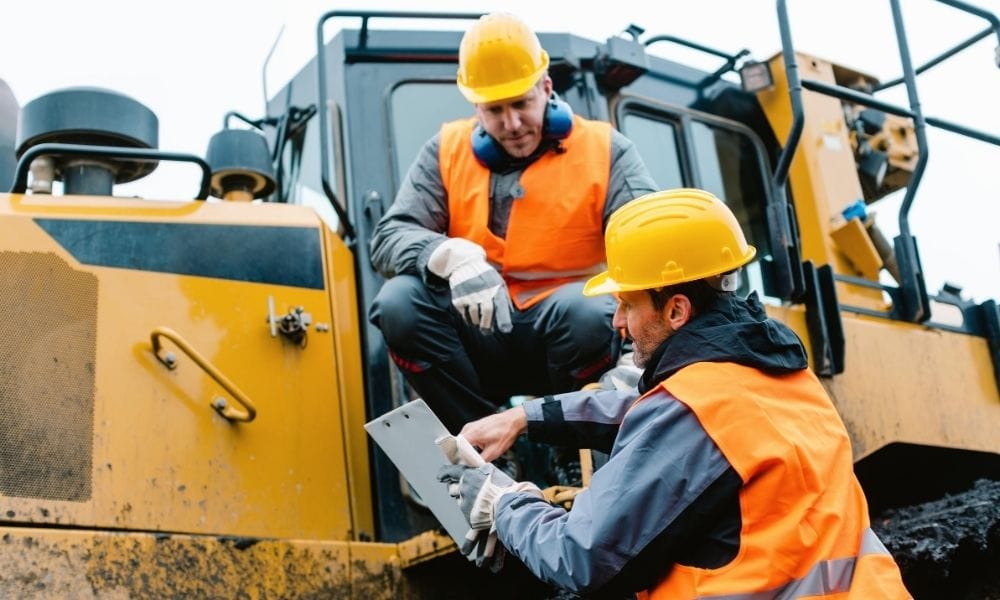
An excavator operator in Australia digs, lifts and places material using a hydraulic excavator’s boom, arm and bucket, work that sits at the centre of most earthmoving and mining sites. Demand for skilled operators across Australia’s construction and mining sectors keeps excavator operators in steady work, but becoming one isn’t about ticking off a single formal credential the way a forklift ticket works, it’s about the specific training and evidence this machine actually requires. Quotor’s excavator explainer covers what the machine does and how it differs from other earthmoving plant, if you need that grounding first.
Do You Need a Licence to Operate an Excavator?
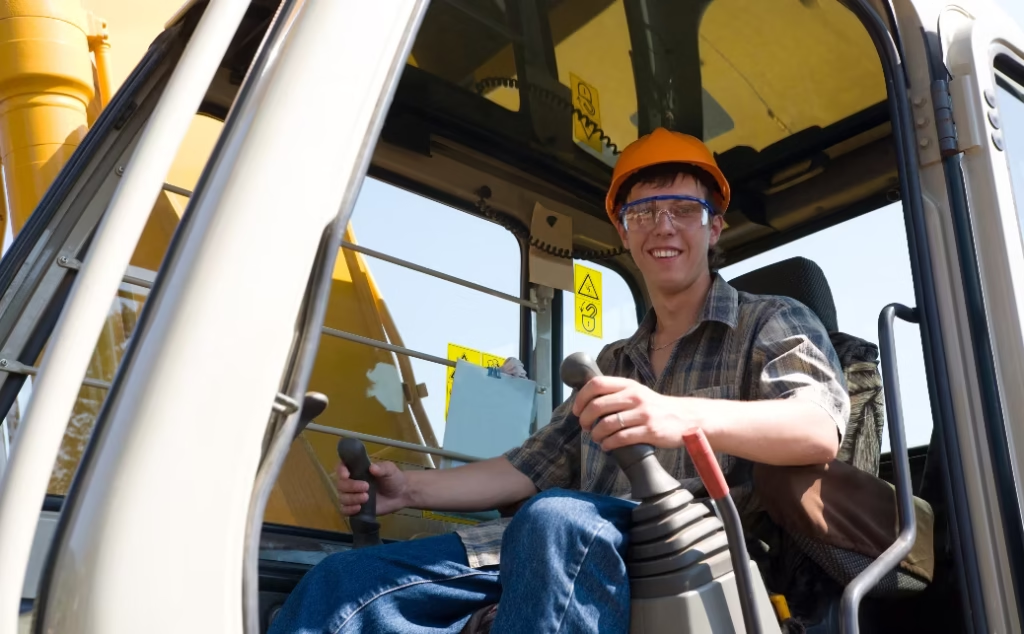
Operating heavy machinery, especially an excavator, comes with big responsibilities in the construction industry. Before you even think about excavator hire or buying an excavator in Australia, you need to understand the licensing requirements. This article will go into whether you need an excavator licence to operate an excavator, covering the different types of excavator licences and why this certification is so important for health and safety in civil construction excavator operations.
How to Operate an Excavator: Heavy Equipment Operator Guide
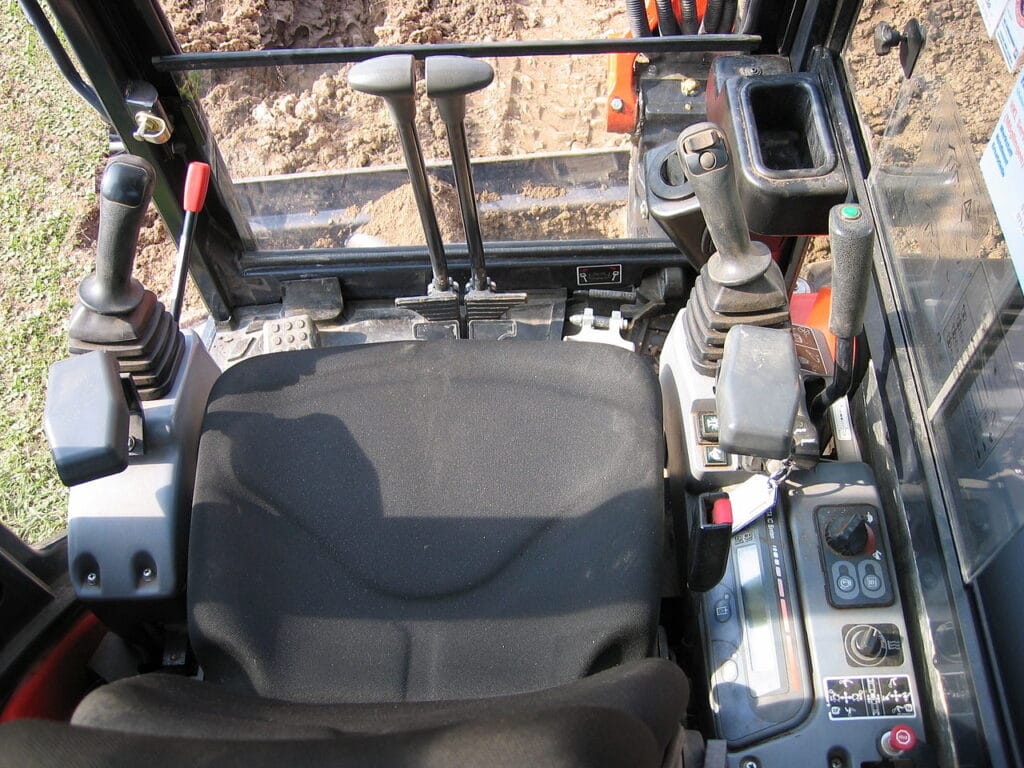
An excavator is a piece of heavy machinery built around a rotating upper structure, a boom, an arm (the stick) and a bucket, usually travelling on tracks but also available on wheeled undercarriages, used for digging, lifting and moving material. For the full breakdown of how the machine is built and what it’s suited to, see Quotor’s guide to what an excavator is. This guide covers what comes after that: the controls, the pre-start checks and the technique needed to operate one safely.
Different Types of Excavator Attachments: Buckets & More
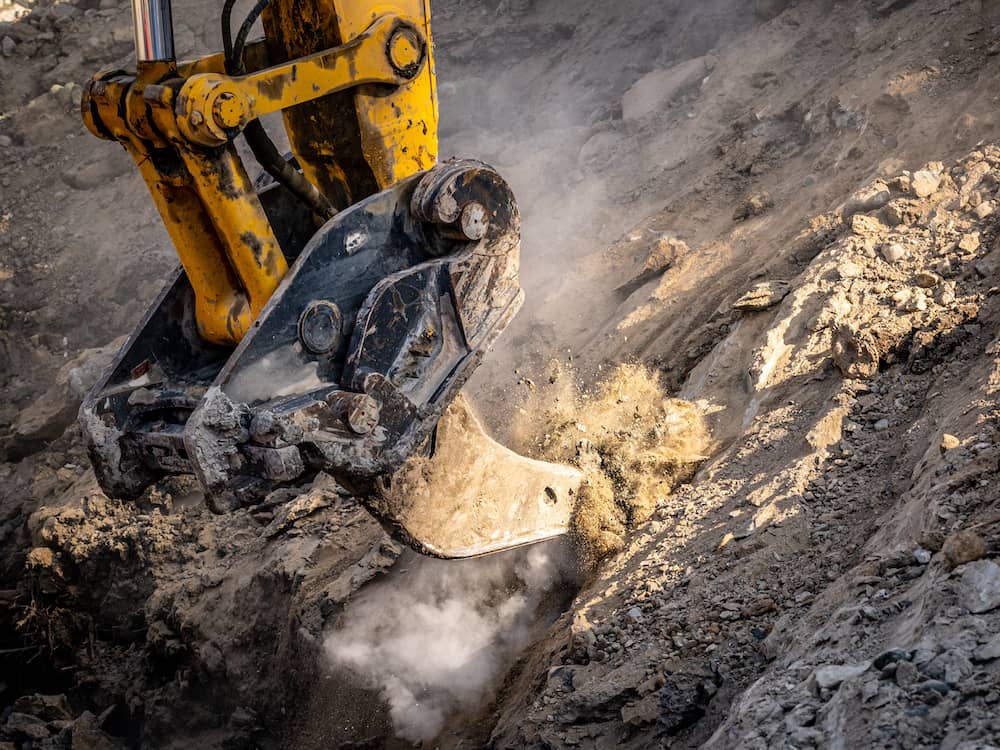
Excavator attachments are tools mounted on the excavator’s arm in place of, or alongside, the standard bucket. Some rely on the excavator’s normal boom, arm and bucket movement, while powered attachments such as hammers, augers and grapples use auxiliary hydraulics. Buckets, hammers, grapples, augers, rippers and thumbs are the various types in common use. Each one turns the same base machine into something built for a different job. This piece assumes you already know the basics of the machine itself; for the full breakdown of how an excavator is built and controlled, see Quotor’s guide to what an excavator is.
What Is a Mini Excavator? Sizes, Uses and Hire Guide
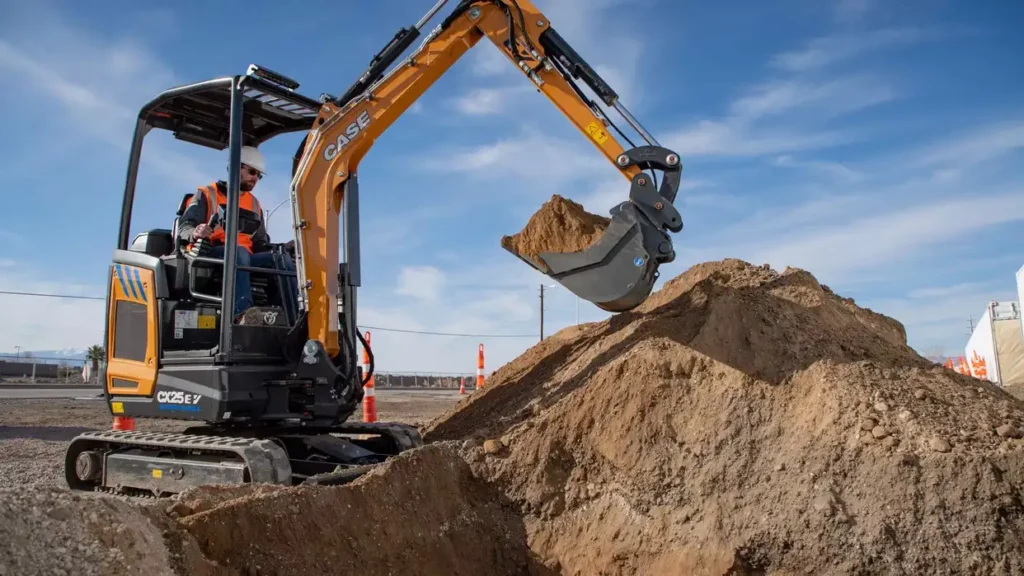
Not every excavation job needs a machine the size of a shipping container. A mini excavator is built for the jobs in between, too big for a shovel and wheelbarrow, too small to justify a full-size excavator. This complete guide covers what a mini excavator is, the size bands Quotor lists it under, and what to check before you hire one.
Excavator vs Backhoe Loader: Choose the Right Machine

An excavator is a purpose-built digger. A backhoe digs and loads. That single fact explains most of what separates them, and it’s worth sorting out before comparing anything else. An excavator is built around a 360-degree rotating upper structure with a boom, arm and bucket, giving it continuous working reach around the machine without repositioning the undercarriage. Nothing else on the chassis competes for that space. A backhoe splits the job across two ends of the same wheeled frame, a front bucket for shifting material and a rear arm for trenching. Whether the job needs an excavator’s reach or a backhoe’s everyday flexibility usually depends on the site.
What Is an Excavator? Different Types of Excavators
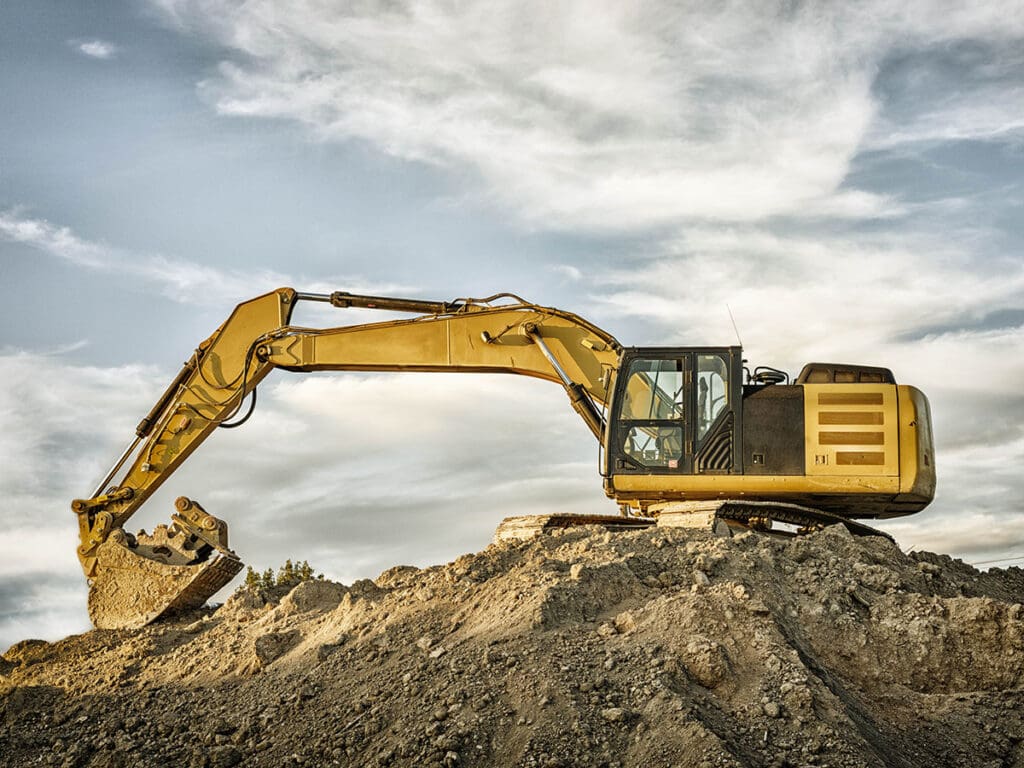
An excavator is a hydraulic machine built around a boom, an arm (or dipper) and a bucket, mounted on a rotating house that sits on tracks or wheels. That rotating house lets an excavator dig, lift and swing material without repositioning the machine, unlike a backhoe loader, whose rear digging assembly has a much more limited swing range. There are several different types of excavators and sizes, from micro machines under around 1.7 tonnes to extra-large mining units, and Quotor organises its listings around this range to help contractors compare options.