
Skid Steer vs Mini Excavator: Which Is Best for Your Job?
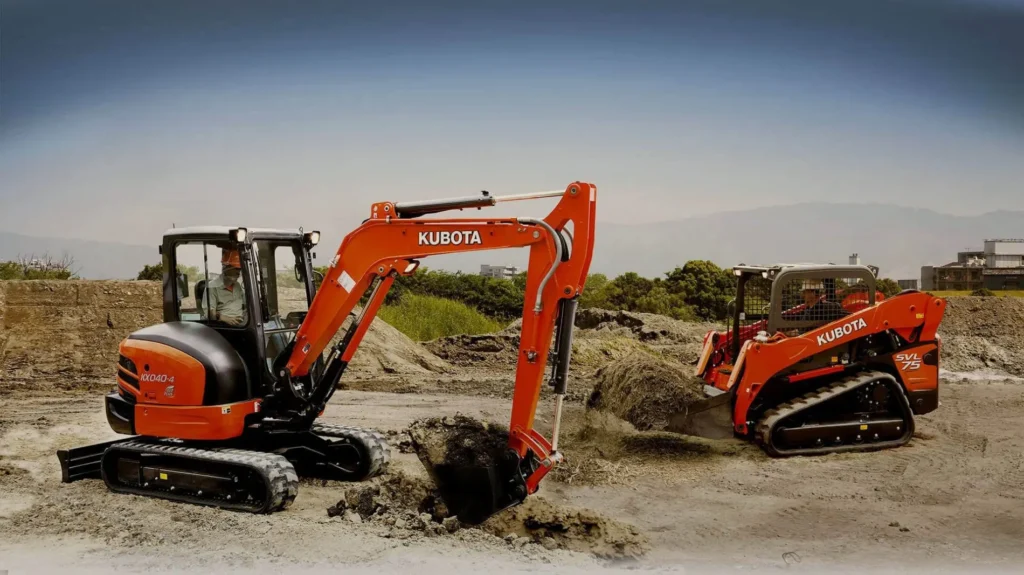
A skid steer and mini excavator solve different problems on a job site. A skid steer moves, carries and grades material with front attachments, while a mini excavator digs below ground with a boom and bucket. Quotor hires both machine types, making comparison easy before booking.
Skid Steer vs Mini Loader: Choosing the Right Machine
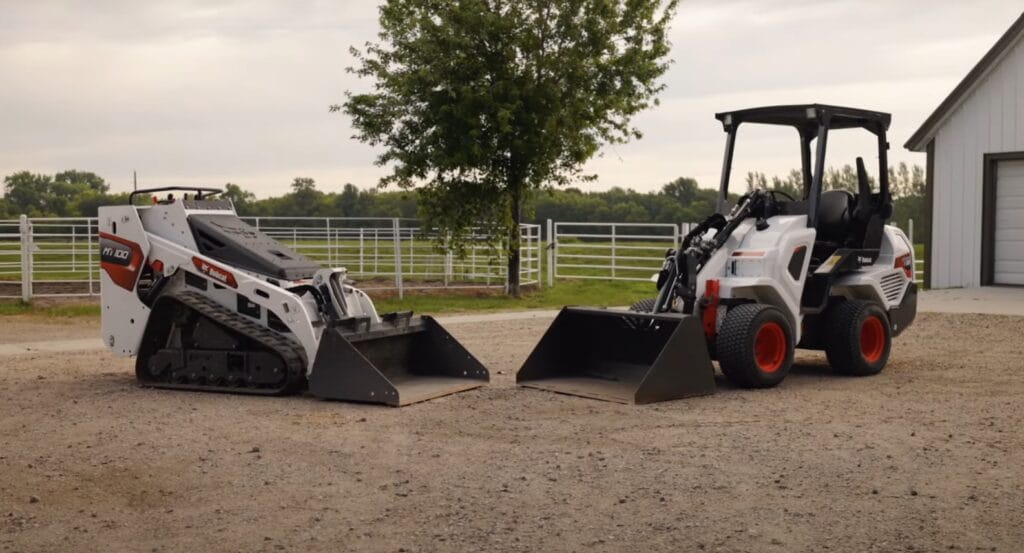
Both skid steers and compact loaders like the mini loader push, lift and carry material with a front-mounted attachment, but they sit at different ends of the same size range. A skid steer trades footprint for lifting capacity, while a mini loader trades capacity for the ability to work through narrow residential access, a trade-off that usually decides which one suits a given job site. Quotor’s loader range lists both as separate categories, alongside backhoe, wheel and Posi-Track loaders, so comparing specs before booking is straightforward.
Skid Steer vs Compact Track Loader
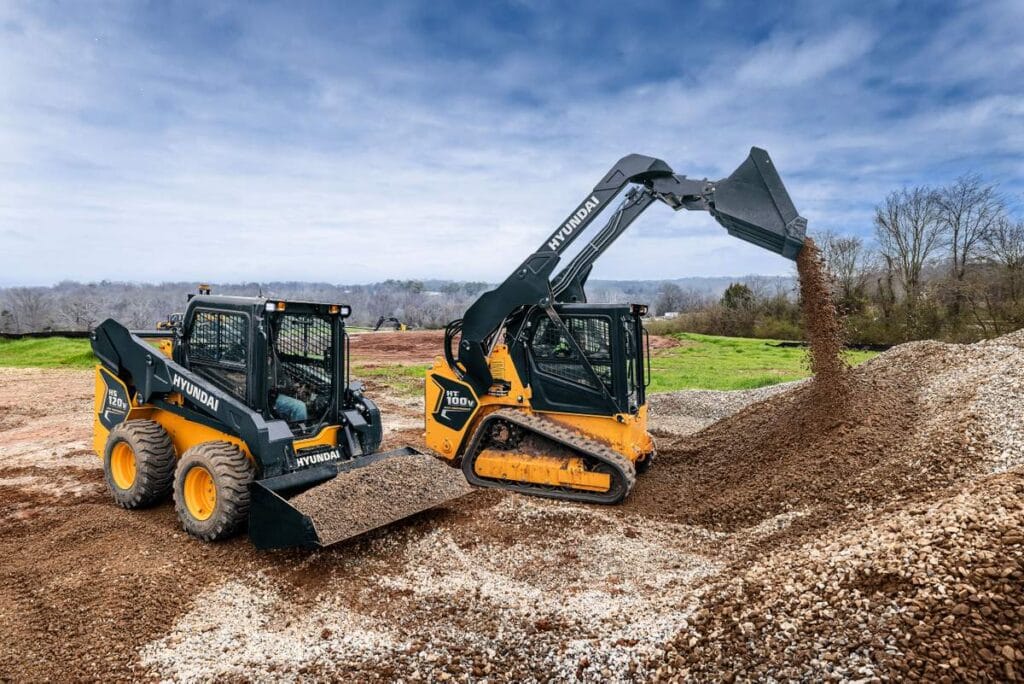
A skid steer loader and a posi-track loader are both compact, highly manoeuvrable machines built around the same skid-steering principle, turning by varying wheel or track speed on each side rather than steering the wheels. The real difference sits at ground level. A wheeled skid steer concentrates its weight over four tyres, which works well on firm, load-bearing surfaces. A posi-track loader spreads that same weight across two long rubber tracks, which changes how it copes with soft, wet or disturbed ground. Both machines are usually listed as separate categories in equipment hire, because the choice between them typically comes down to the job site itself rather than cost alone.
What Is a Posi-Track Loader? Compact Track Loader for the Job!

A posi-track loader is a compact track loader that swaps a skid steer’s wheels for a suspended rubber track undercarriage, trading a little speed on hard ground for extra traction, flotation and stability on soft or uneven sites. Quotor lists posi-track loaders as a distinct category from wheeled skid steers, and this guide covers how the machine works, what attachments and applications it suits, and what to check before booking posi-track loader hire.
What is a Mini Loader Used For? Hiring a Mini Loader
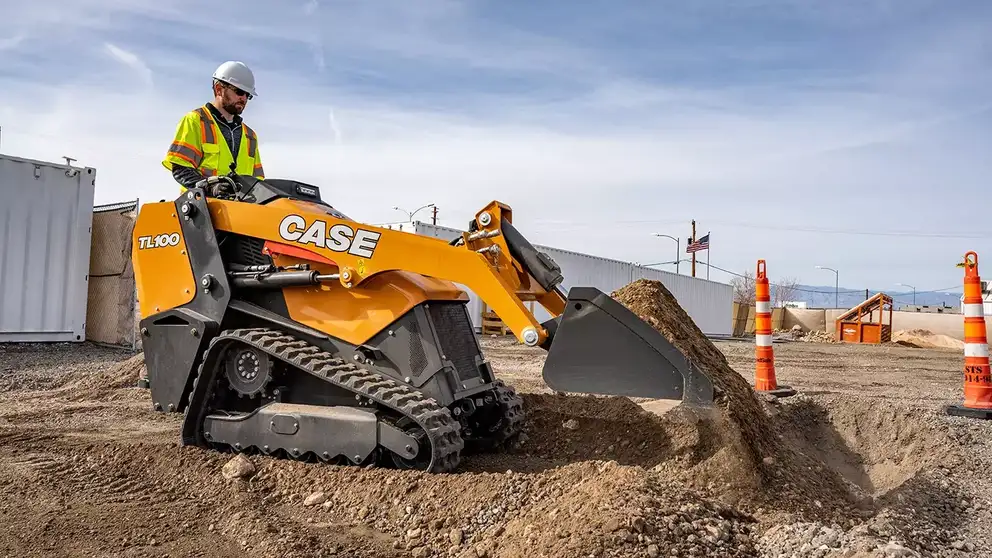
A mini loader is a compact, engine-powered loader for tight spaces where a full-size skid steer will not fit or is not needed. Fitted with attachments from buckets to augers and sweepers, mini loaders are common on landscaping, construction and utility sites across Australia. This guide covers what a mini loader is, where it is used and what to weigh up when hiring.
What Is a Wheel Loader? Types, Attachments and Uses
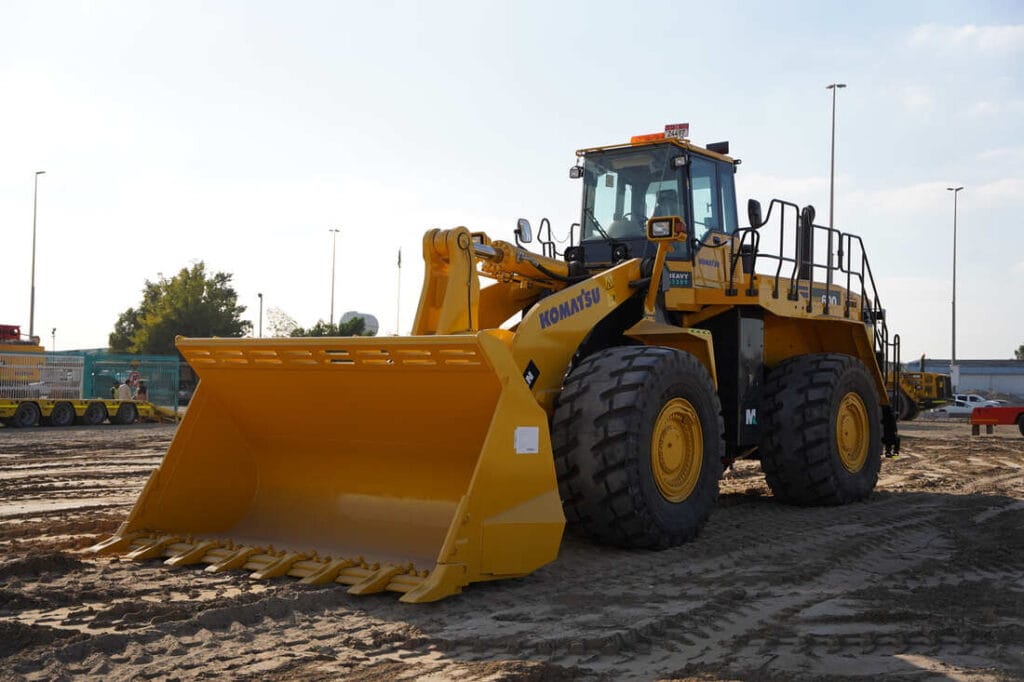
Wheel loaders, sometimes called front loaders or bucket loaders, are wheeled machines built around a front-mounted bucket, used primarily to scoop, lift, carry and load material rather than perform deep excavation. They sit within Quotor’s broader loader category alongside skid steers and compact track loaders, but their size and reach set them apart: a wheel loader can carry a larger load higher and further than most compact loaders, which is why it does the heavy lifting on quarry faces, stockpiles and large construction sites. Quotor’s guide to earthmoving equipment covers where loaders sit within that wider category.
What Is a Telehandler? Benefits of Telehandlers Its Uses

A telehandler, short for telescopic handler, combines the lifting mechanism of a forklift with the reach of a crane, using a telescopic boom to extend, retract and raise heavy loads. On Quotor, telehandlers sit within the broader forklifts category, distinct from standard counterbalance forklifts because of that extending boom. They’re common on construction, agricultural and industrial sites wherever loads need to go higher, further out, or onto ground a conventional forklift can’t reach. This guide covers how telehandlers work, the main types available, common attachments, and what to weigh up before hiring one.
Backhoe Loader: What is a Backhoe? Uses and Benefits
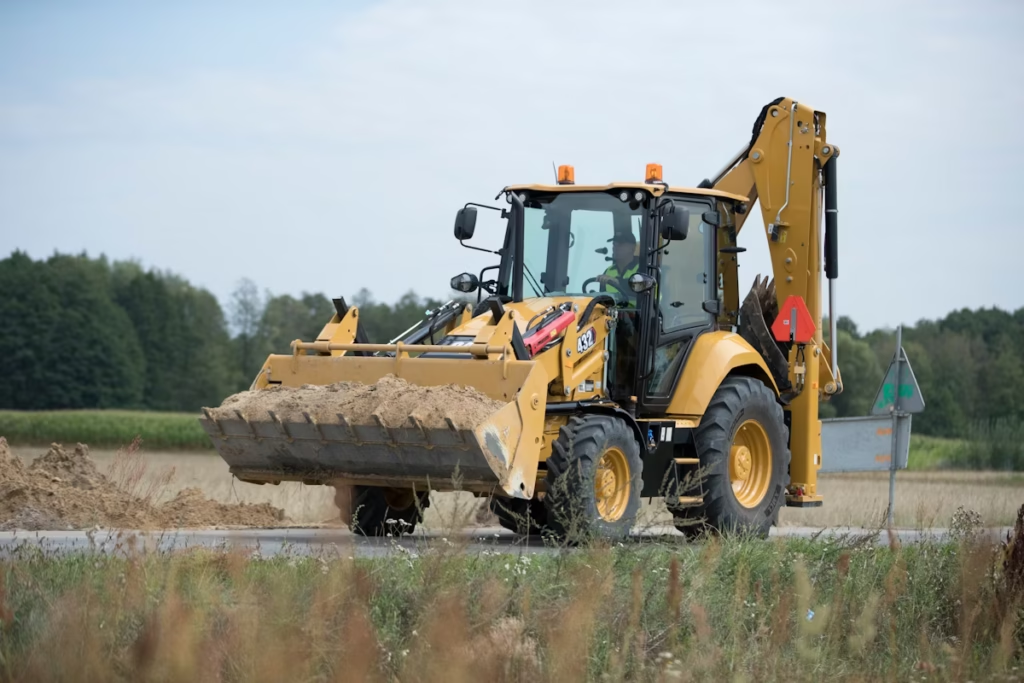
JCB built the first backhoe in 1953, and the machine remains one of the most recognisable pieces of heavy equipment on an Australian construction site, and one of the most versatile for small to medium earthmoving jobs. It combines two machines in one. Quotor lists it within its loaders category. This guide covers how it works, what it can be fitted with, where it is used, and what to weigh up before hiring one.
What Is a Skid Steer Loader?
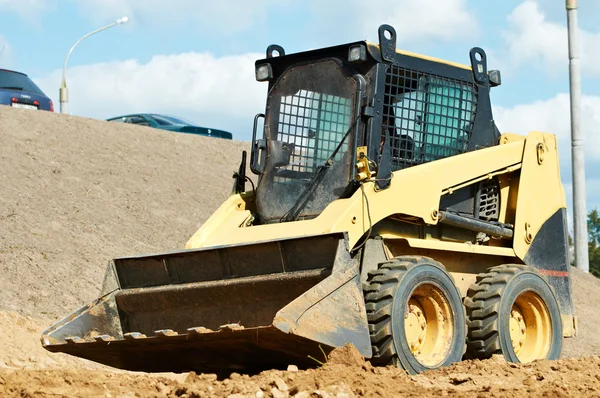
A skid steer loader is one of the most recognisable pieces of construction equipment on an Australian job site, often called a “bobcat” regardless of who actually built it. Compact and quick to swap attachments, it can do the work of several machines. This guide covers how skid steers work, the wheeled versus tracked choice, common attachments and applications, and what to weigh up when choosing or hiring one through Quotor’s skid steer loader listings.
Dry Hire vs Wet Hire Meaning and Benefits
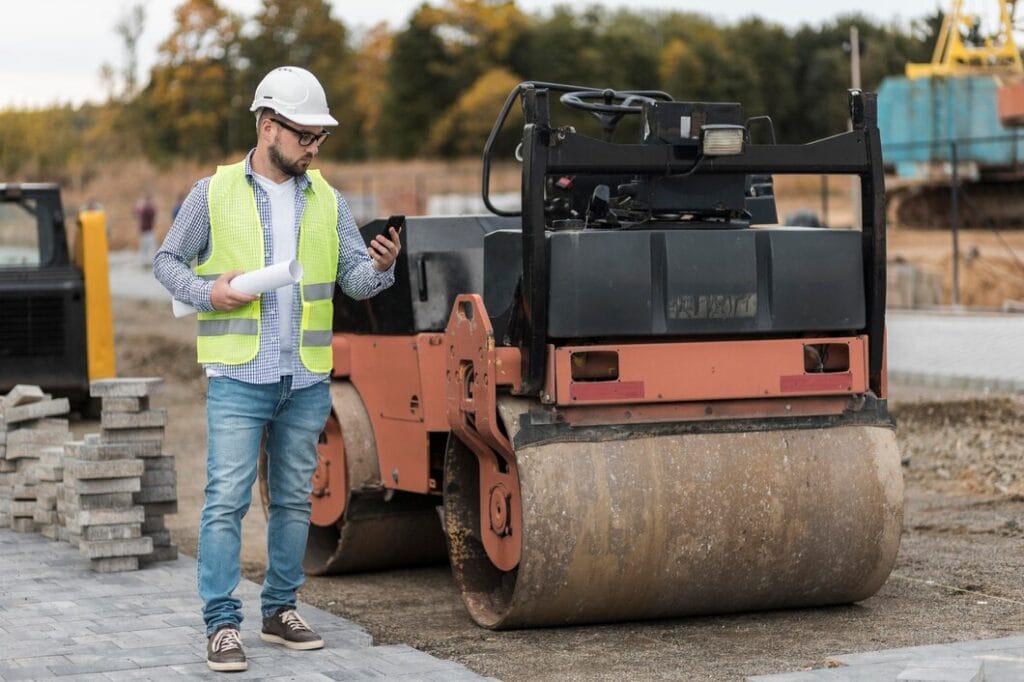
Anyone organising machinery for a construction site eventually has to answer the same question: dry hire or wet hire? The choice decides who operates the equipment, who’s responsible while it’s running, and what actually sits inside the hire rate. This guide covers the difference between wet hire and dry hire, where each one fits, and how to land on the right option for your project.