
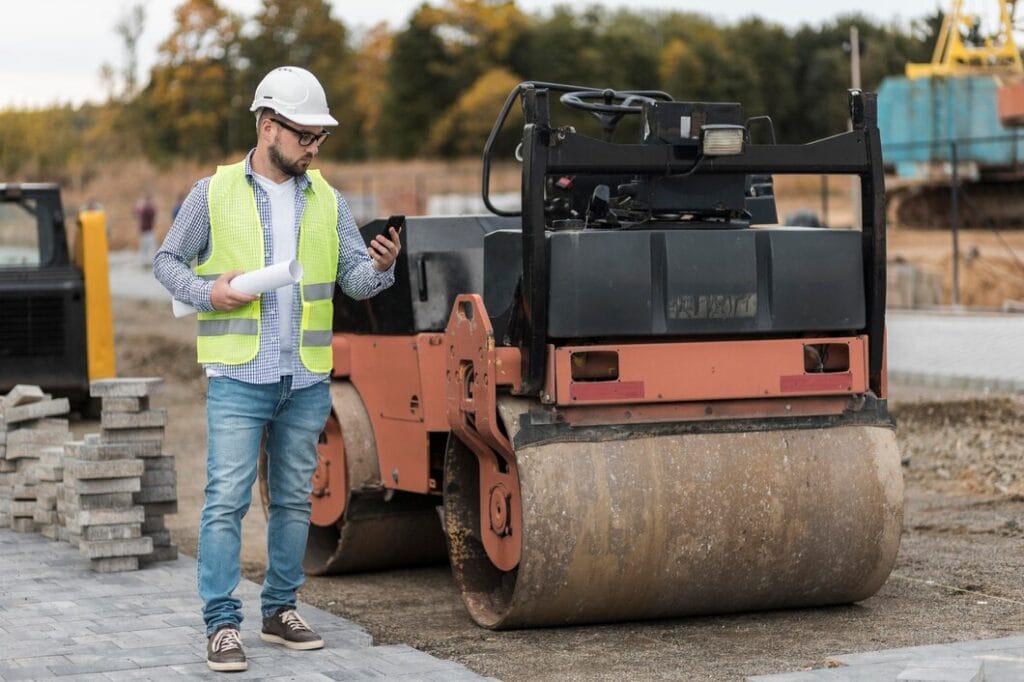
Anyone organising machinery for a construction site eventually has to answer the same question: dry hire or wet hire? The choice decides who operates the equipment, who’s responsible while it’s running, and what actually sits inside the hire rate. This guide covers the difference between wet hire and dry hire, where each one fits, and how to land on the right option for your project.
Understanding Dry Hire and Wet Hire
How Equipment Hire Works
Most machinery on a construction site isn’t owned outright, it’s hired for the length of a project (equipment rental, in some markets) and returned once the job’s done. Whether you call it equipment hire, plant hire or machinery hire, the same operator question applies across the construction industry, from an excavator to a set of rollers to a piece of earthmoving equipment brought in for a single stage of the build. Booking equipment hire through Quotor means deciding two things together: which machine fits the job, and whether it comes with someone to operate it. That second decision, machine only or machine with an operator, is what separates dry hire from wet hire.
What Is Dry Hire?
The dry hire meaning is straightforward: the hire company supplies the machine, and the hirer supplies the operator, usually a member of their own crew who is trained and competent to operate that specific type of equipment, and holds any licence or ticket required for the task. Dry hire equipment still comes with the same servicing and safety standards as any other hire, the only thing missing from the booking is the person running it. It suits contractors who already have the right operator on hand and just need the machine itself.
What Is Wet Hire?
Wet hire flips that arrangement. Wet hire provides both the machine and a qualified operator to run it, supplied together as one booking. The wet hire meaning covers everything from a single excavator with a driver to a full crew on larger jobs, though for most construction hire it’s one machine and one operator. Because the hire company is providing the labour as well as the equipment, wet hire and dry hire differ most in who’s actually accountable for how the machine is used on site day to day, which is why the choice sits inside broader construction equipment management rather than being a one-off booking decision.
Dry Hire Best Uses
When You Already Have a Qualified Operator
If your crew already has an experienced operator qualified on the equipment you need, dry hire is usually the simpler option, since that operator is already on your payroll and the hire itself only needs to cover the machine. The guide to becoming a heavy equipment operator sets out what that competency actually involves if you’re assessing whether your own staff are ready for a particular class of equipment.
Short-Term, Flexible or Lower-Cost Jobs
Dry hire also suits short or irregular jobs, a half-day of trenching, or swapping machines a few times across a site in a single week, where bringing in an external operator wouldn’t be worth the coordination. It’s also the more practical option once the labour cost is already covered elsewhere, an operator already on the books and already insured through your own business, so the hire only needs to account for the machine itself. The equipment procurement guide covers how to weigh that against switching to wet hire for a specific stage instead, and Quotor lets you compare both hire types for the same machine before deciding.
Wet Hire Best Uses
When an Operator Is Required
Some jobs call for wet hire simply because there’s no in-house operator available, a specialised machine your crew doesn’t run often, or a short-notice job where sourcing your own operator isn’t realistic in time. A skilled operator arrives with the machine, already competent on that specific unit, though not all wet hire providers supply the same class of equipment, so it’s worth confirming availability before you commit.
Specialised or High-Risk Equipment
Certain classes of plant, particular crane configurations and some elevated platforms among them, require the operator to hold a High Risk Work Licence under state work health and safety rules, regardless of who’s running the job. Most standard earthmoving and site equipment doesn’t carry that requirement, but a general contractor still has to confirm whoever’s on the controls is competent and appropriately ticketed for that class of machine. Wet hire removes the need to source the operator separately, since the supplier provides someone qualified for the equipment. The site still needs to confirm any project-specific licences, inductions and safe-work requirements that apply.
Projects Where Productivity and Accountability Matter
Wet hire also suits jobs where productivity and accountability matter more than direct site control, since it shifts responsibility for how the equipment is used back to the hire company rather than the crew. That can make things easier for a project manager juggling several trades on site, and Quotor’s wet hire listings show which machines already come with a qualified operator attached.
Dry Hire vs Wet Hire Comparison
Framed as wet hire vs dry hire, the decision really comes down to whether you already have the right operator for the job. The differences between wet and dry hire aren’t just about who’s driving though, they run through cost, insurance and accountability too.
Operator Included vs Equipment Only
The core difference is straightforward: dry hire is equipment only, with the hirer supplying someone qualified to use the equipment. Wet hire is equipment and an operator supplied together as one booking. Everything else below, cost, insurance, accountability, availability, follows from that single distinction rather than being separate trade-offs.
Hire Rates and Labour Costs
A dry hire rate covers the machine only. A wet hire rate covers the machine plus the operator’s wages, oncosts and the hire company’s own insurance for supplying that labour, which is why the daily figure looks higher even when the machine itself is identical. Dry hire isn’t always significantly cheaper once you count what it costs to find, pay and insure an operator yourself, the cost benefits only show up once that labour is already covered. Wet hire may cost more per day, but it removes the operator question from the job entirely. The equipment cost estimating guide breaks down how to compare those two rate structures against what it would actually cost to source, pay and insure an operator through your own business instead.
Insurance, Control and Responsibility
Wet and dry hire change who employs the operator and who has day-to-day control of the machine, but they do not automatically transfer every legal or insurance responsibility to one party. Contract terms, site control and applicable WHS duties all matter, so liability and insurance should be confirmed in writing for the specific hire.
Maintenance and Breakdown Responsibility
The supplier will commonly remain responsible for scheduled inspection, servicing and mechanical maintenance, but the exact arrangement depends on the hire agreement and hire duration. Daily checks and responsibilities for damage, misuse or consumables may sit elsewhere. Who notices a developing problem first often comes down to who’s running the machine each day. A wet hire operator working it daily often catches an issue before it turns into downtime, while under dry hire, that depends on how familiar your own operator already is with that specific unit.
Productivity and Site Control
Dry hire keeps the machine under your own site control from day one, the operator answers to your supervisor alongside the rest of the crew, so there’s no separate chain of command to coordinate. It also offers more flexibility in terms of who’s on site and when, since the crew is coordinating around a machine rather than an outside person’s schedule. Wet hire trades some of that direct control for an operator supplied by the hire company. Where that operator is genuinely experienced on the specific machine, it can still reduce familiarisation time and support consistent productivity on specialised or short-duration work.
Licensing and Competency Requirements
Whichever type of hire provides the machine, whoever will operate the equipment needs to hold whatever ticket, licence or induction that machine and site require, since operating equipment safely depends on it. The difference is who’s responsible for confirming that before the machine turns up: under dry hire it’s on the hirer to check their own operator’s competency, under wet hire the hire company has already done that as part of supplying the operator.
Availability and Mobilisation
Dry hire can sometimes mobilise faster if the machine itself is available and your own operator is free to start straight away. Wet hire adds one more variable, operator availability alongside the machine, which can extend lead time on short notice or for specialised equipment where only a handful of operators are qualified. Neither option is reliably faster in every case. It depends on the specific machine and how tight the booking window is.
Choosing the Right Hire Option
Choosing the right equipment hire for a job means weighing the machine and the operator question together, working out which arrangement is best suited before cost enters the picture. In practice, the right hire depends mainly on operator availability, not budget alone.
When to Choose Dry Hire
Choose dry hire when your crew already has a competent operator for the machine, holding whatever licence or ticket the job actually requires, the job is short or needs to flex around other work, and the labour cost is already accounted for elsewhere in the project. Contractors typically opt for dry hire in that scenario, since it’s usually the simplest way to choose the right hire option without adding an outside person to the crew.
When to Choose Wet Hire
Choose wet hire when there’s no available operator in-house, the equipment falls into a specialised or high-risk category, or a one-off job doesn’t justify training or hiring someone new. Wet hire is often the simpler call whenever the job itself is unfamiliar territory for your crew. The guide to hiring construction equipment covers how to book either option through Quotor’s plant hire services once you’ve settled on which one fits.
Project Requirements and Operator Availability
The right choice usually comes down to two things: what the project actually requires from the machine, and whether an operator is genuinely available to run it, in-house or otherwise. Browsing what’s on offer through Quotor’s equipment listings is a practical way to check both wet and dry hire options for the same machine before assuming one is off the table. The specifics of your project, site access, timeline and who’s available, usually settle the question faster than a general rule would.
Total Hire Cost and Project Duration
Total hire cost isn’t just the daily rate, it also includes mobilisation and factors like how fuel prices affect equipment hire costs, plus how long the machine actually needs to be on site. Matching the hire arrangements to the real shape and duration of the project, not just the headline figure, is how you choose the right option. Quotor lists availability for both dry hire and wet hire side by side, so comparing the two for a specific job doesn’t mean separate bookings.