
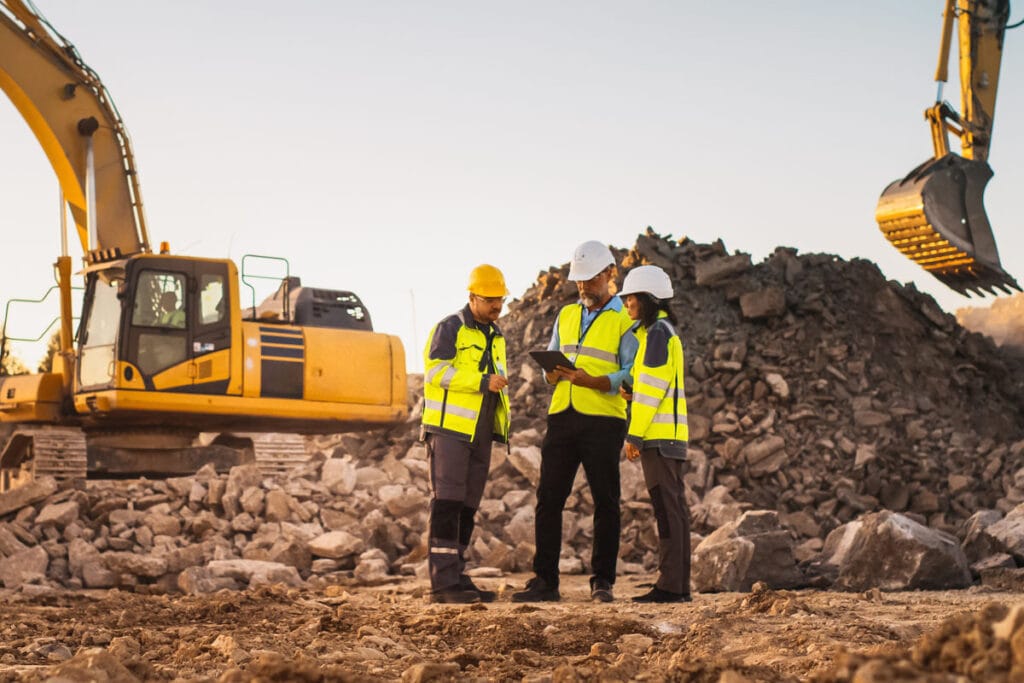
A construction project manager plans, coordinates and reports on a construction project on behalf of the client, from early scope setting through to handover. Whether you’re delivering a commercial fit-out or a multi-stage development, understanding what this role covers shapes how well the engagement works.
Understanding the Construction Project Manager Role
What Is a Construction Project Manager?
A construction project manager commonly acts on behalf of the client or project owner, coordinating scope, budget, programme and risk across the project lifecycle. The title sometimes overlaps with construction manager, and on some projects, construction management sits with the head contractor’s own site team rather than being a separate appointment, so it’s worth confirming exactly what scope a given engagement covers before assuming the title tells you everything. Construction project management is not itself a licensed trade in Australia in the same way as building, electrical or plumbing work, although the people and businesses carrying out that regulated work still need the relevant licences.
What Does a Construction Project Manager Do?
Day to day, the construction project manager job covers setting the project programme, coordinating the design and construction teams, tracking costs against budget, managing changes and reporting progress to the client. The responsibilities section below breaks each of these down.
Why the Role Matters on a Construction Project
Scope, cost and schedule move together on a project, and a decision made on one usually affects the other two. A design change might solve a cost problem while extending the programme by weeks. A project manager must weigh that trade-off early, rather than after it turns into a dispute or a delay, which is often the difference between a successful project and a difficult one.
Key Responsibilities of a Construction Project Manager
Planning the Project Scope and Programme
Before construction starts, the project manager works with the client and design team to define what’s being built, then translates that into a master programme, or project schedule, with milestones for design sign-off, procurement, construction phases and handover. This programme becomes the reference point for tracking progress once work begins.
Coordinating Contractors, Consultants and Suppliers
The project manager keeps information moving between architects, engineers, the head contractor and specialist consultants, so design decisions reach the people building the project and site issues get back to whoever can resolve them. On construction projects with several consultants involved, this coordination gap is often where delays actually start, not on the job site itself.
Managing Budgets and Project Costs
This covers setting the project budget, tracking actual spend against it, and forecasting the cost impact of a proposed change before it’s approved, which helps ensure the project stays within budget rather than drifting over it unnoticed. A project manager who can’t show the client where the budget stands at any given point isn’t doing this part of the job properly.
Monitoring Progress and Managing Delays
The project manager’s job here is to monitor project progress against the programme, flag tasks on the critical path that are falling behind, and work with the contractor to recover the schedule, or reset client expectations where recovery isn’t realistic. Catching a two-week slip early is far cheaper to fix than catching it at handover.
Managing Risk, Compliance and Documentation
This includes maintaining a risk register, tracking permit and approval conditions, and keeping project records in order for handover. On safety, work health and safety duties in Australia sit with each business involved in the project, known as a PCBU, and a construction project manager may coordinate safety information, reporting and interfaces between project participants, but that does not remove or replace the WHS duties held by each PCBU.
Communicating with Clients and Project Stakeholders
Regular reporting, typically weekly or fortnightly meetings plus written progress updates, keeps the client informed throughout the project and gives them what they need to make timely decisions. How that reporting gets structured is worth raising before you engage someone, covered in the hiring section below.
Construction Project Manager vs General Contractor
How Their Responsibilities Differ
In a client-side engagement, the project manager represents the client’s interests across the entire project, including the design phase, and typically doesn’t hold the construction contract or self-perform any trade work on the construction site. A general contractor, also called a head contractor or builder in Australia, holds the construction contract directly and is responsible for delivering the physical build, including managing the subcontractors doing the work.
Where Their Roles Overlap
Both roles track schedule, manage risk and coordinate the people working on the project, which is part of why the two titles get confused. The real difference is contractual: a project manager works for the client, while a general contractor is contracted to deliver the build itself.
How They Work Together on a Project
On many projects, the project manager acts as the client’s representative in dealings with the general contractor, reviewing progress claims, attending site meetings and reporting back on how construction is tracking against the programme.
How to Choose a Construction Project Manager
Relevant Construction and Project Experience
Look for direct experience on construction projects of a similar scale and type to yours. Projects with significant civil or earthworks scope call for a construction project manager who understands equipment mobilisation and lead times as well as construction methods and sequencing.
Qualifications and Professional Background
Most construction project managers hold a degree in construction management, engineering or a related field, though there’s no single mandatory qualification for the role in Australia, and construction management courses vary widely in what they actually cover. Membership with a body such as the Australian Institute of Project Management is a reasonable signal of ongoing professional standing, but practical construction experience, built through years on site, matters just as much, so ask for specifics rather than taking a background in the construction industry on faith.
Experience with the Delivery Method and Sector
Different types of construction projects call for different delivery methods, so it’s worth checking a candidate’s experience against the delivery method you’re using rather than treating “project management experience” as one thing. Design and construct, construct-only, fit-out, commercial construction, residential development, civil and infrastructure, and staged live-site work each demand a different mix of coordination, risk tracking and stakeholder management. Ask for examples from the specific delivery method and sector you’re working in, not just years in the construction industry generally.
Questions to Ask Before Engaging a Project Manager
Ask how they structure reporting, how they handle scope changes, and how they account for cost volatility, fuel prices alone can shift equipment hire rates enough to affect a budget over a long programme. Their answers say as much about how they’ll work with you as any qualification does.
Scope of Services and Contract Responsibilities
The engagement contract should set out deliverables, reporting frequency, decision-making authority and fee structure clearly, functioning much like a job description for the engagement itself. It should also specify how the project manager estimates and tracks costs for plant and equipment, so budget expectations are set from the outset.
Working with a Construction Project Manager
Establishing Roles, Reporting and Communication
Early on, agree who reports to whom, how often, and in what format. Many construction project managers use project management software to share a live dashboard; others prefer a simple weekly email update. Setting this up clearly at the start avoids friction later in the project.
Managing Decisions, Changes and Variations
Expect a formal process for any change to scope, cost or programme: a written request, a cost and schedule impact assessment, then client sign-off before work proceeds. Skipping this step is how projects end up with disputed variations at the end.
Coordinating the Wider Project Team
The project manager typically runs regular meetings with architects, engineers and other consultants to keep design and construction moving in step. As the client, you’ll usually see the outcomes of that coordination in progress reports rather than attending every meeting yourself.
Working with Contractors and Suppliers
The construction project manager liaises directly with the general contractor and key suppliers on programme, quality and any site issues that need resolving, and this is often where ongoing equipment and resource needs across the project get tracked.
Equipment and Resource Coordination
On construction projects with significant plant requirements, the construction project manager may help coordinate how machinery is sourced across the build, including choosing between dry hire and wet hire depending on what a given phase needs and comparing hire options across suppliers rather than settling on the first one available. Getting this right keeps equipment costs and availability from becoming a separate problem on top of the build itself.