
Construction Equipment Hire: Your Guide to the Rental Process
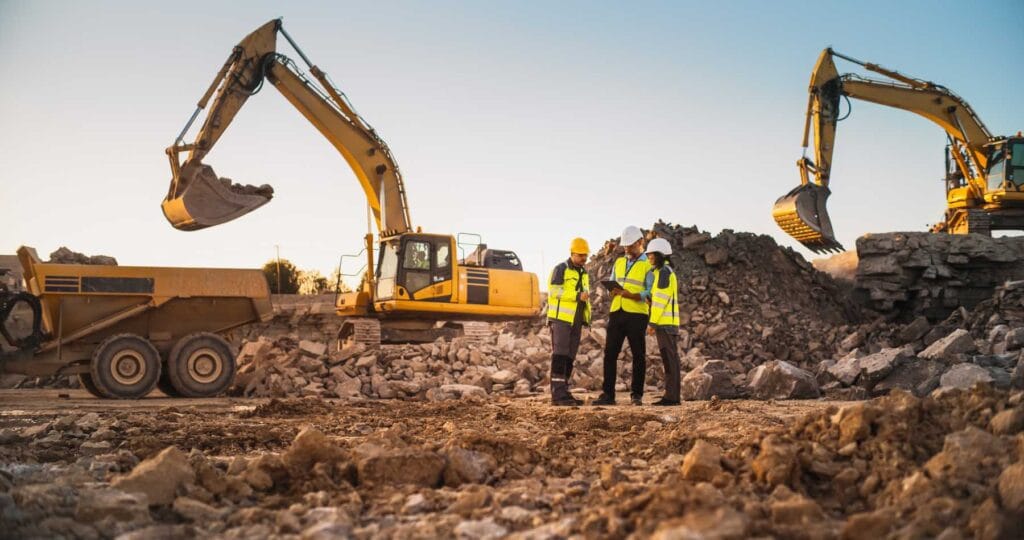
Hiring the wrong excavator, or missing a fine print clause, can turn a simple job into a late start and an unplanned bill. This guide covers how the hire process works, from working out what you need to getting a hire company on site.
How Rising Fuel Prices Are Affecting Equipment Hire Costs
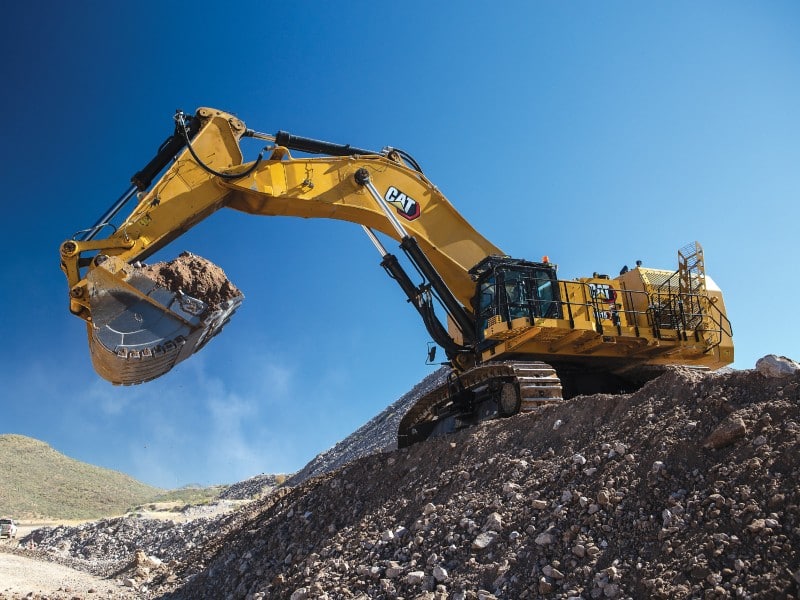
Things are getting tougher in Australia with diesel prices consistently going up in construction heavy regions. For most plant, especially heavy earthmoving gear, fuel is the main thing that you need to keep running. The more you use these machines, the more fuel they go through.
What Is Earthmoving Equipment? Dozers, Dumpers, Excavators and More
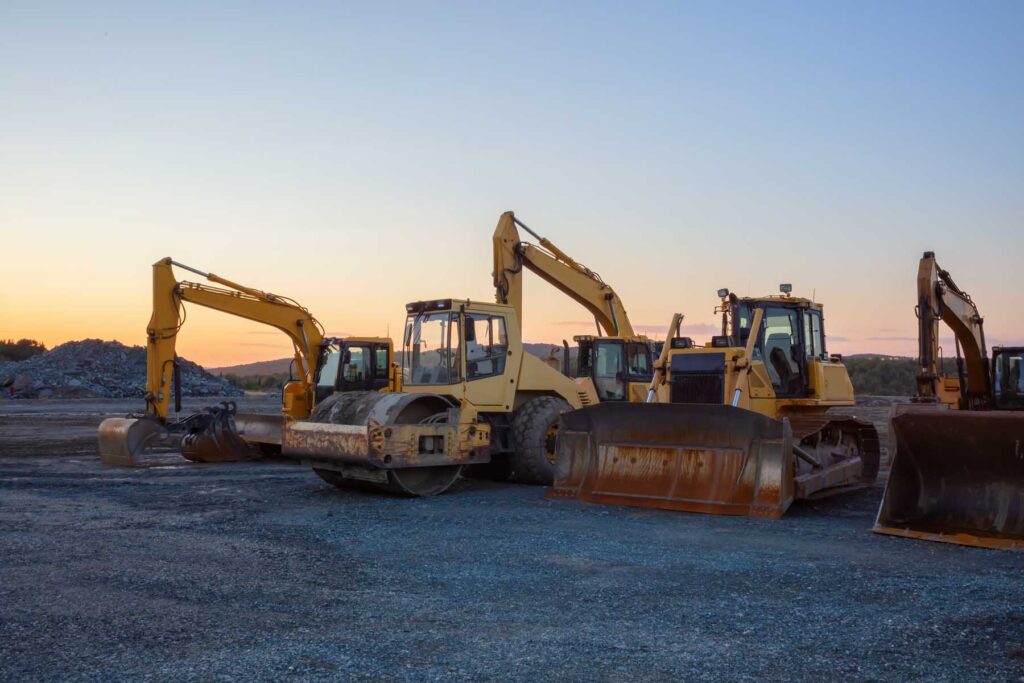
Earthmoving equipment is the machinery designed to dig, push, load, grade and haul large volumes of soil and earth on a construction site. The category spans excavators, dozers, wheel loaders, graders, scrapers and dump trucks, plus the excavator attachments and buckets that extend what each machine can do. These machines form the backbone of the construction industry’s heavy work, distinct from the finishing trades that follow once the ground is ready. Quotor lists them under its equipment range because most projects need several types working in sequence rather than one machine doing everything.
Motor Grader vs Scraper: Understanding the Difference In Machinery
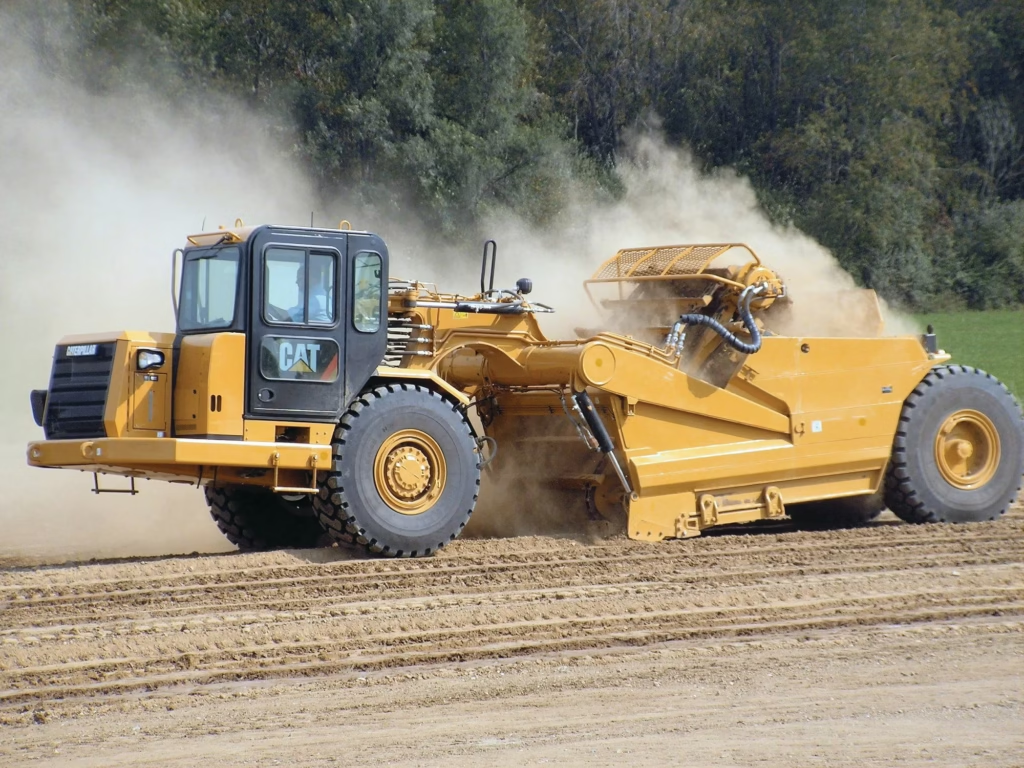
Earthmoving equipment covers the machines used to cut, shift, shape and level ground on a construction site, from excavators and dozers through to graders and scrapers. Quotor’s guide to earthmoving equipment breaks down where each machine type fits into that picture. Motor graders and scrapers sit at opposite ends of it, each purpose-built for something different: one for a precise finish, the other for moving volume.
Types of Wheel Loader Attachments: A Complete Guide
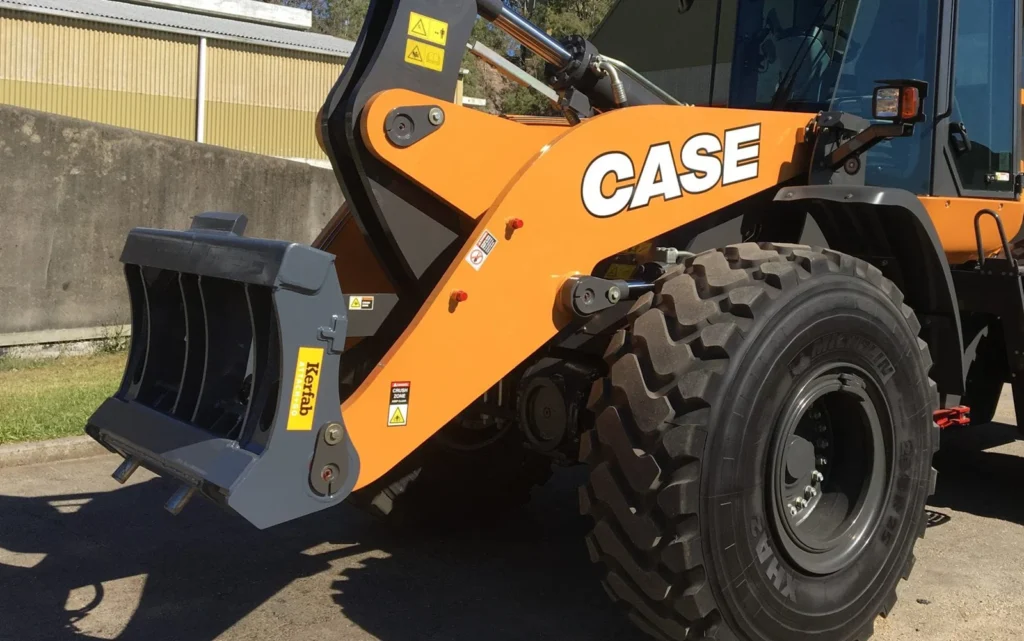
Attachments for wheel loaders mount onto the machine’s lift arms in place of, or alongside, the standard bucket, changing what the loader can pick up, carry or process without changing the loader itself. Quotor’s guide to what a wheel loader is covers how the base machine works; this piece focuses on what’s available, what each attachment is built for, and which one suits the job.
How to Become a Certified Forklift Operator: Obtaining Your Forklift License
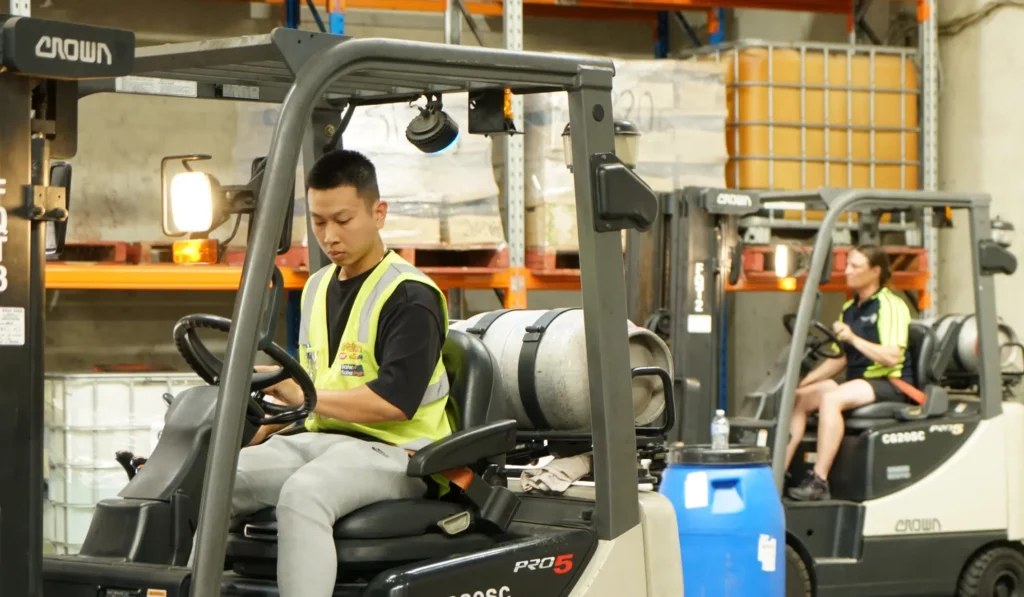
The job involves moving palletised and bulk loads around warehouses, distribution centres and construction sites, using a machine’s mast, forks and hydraulic controls. Before anyone can legally operate a forklift for work in Australia, they need a state-issued licence in the class that matches the machine. Quotor’s guide to what a forklift is covers the machine itself; this piece covers the licensing and career path into operating one, scoped to New South Wales, since forklift licensing is issued state by state even though the underlying training is nationally recognised.
Dozer vs Motor Grader: Choosing the Right Earthmoving Equipment
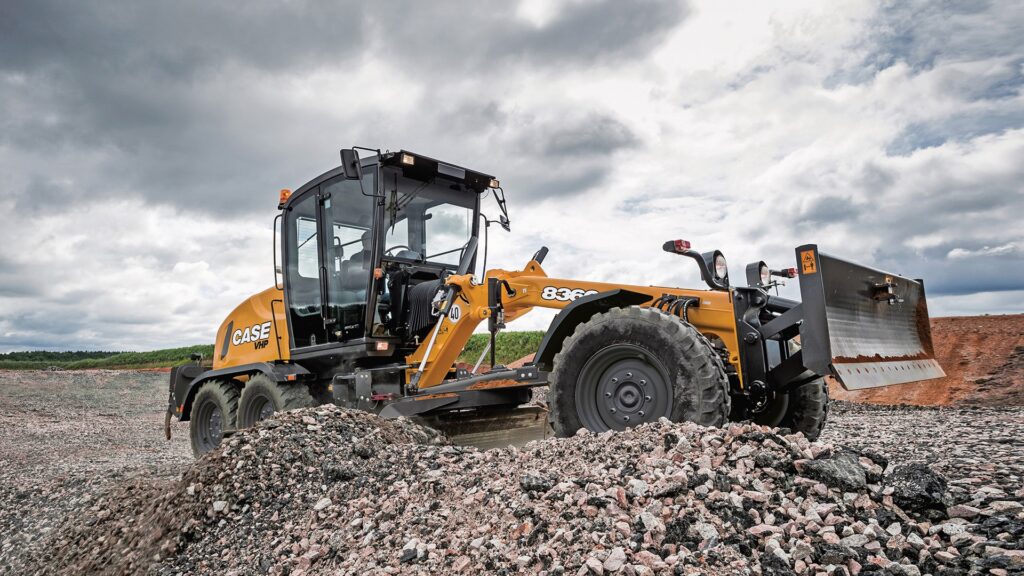
Dozers and motor graders are two of the most common pieces of construction equipment on a heavy construction site, and they get mixed up more than most equipment pairings, since both carry a large blade and move earth. This comparison covers blade design, ground conditions and hire cost to help you understand the differences between a dozer and a motor grader, so you can pick the machine that fits the job, whether that’s clearing a site or grading it to finish.
Types of Telehandler Attachments: Enhancing Productivity
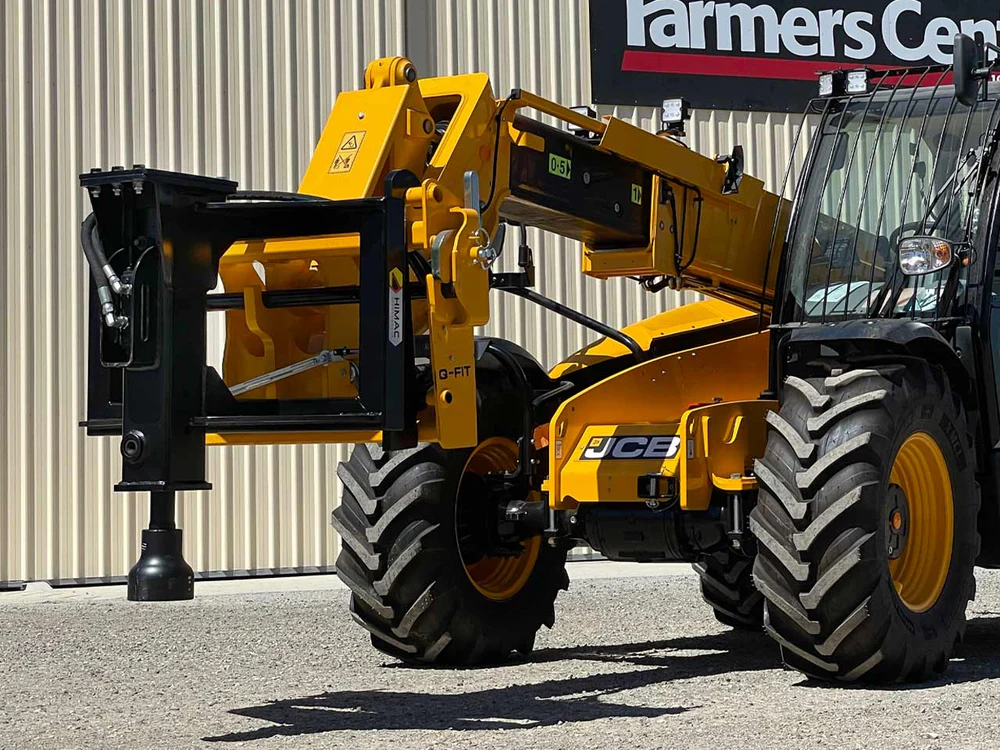
A telehandler attachment is any tool that fits onto the machine’s telescopic boom in place of, or alongside, its standard forks. Swapping pallet forks for a bucket, a jib or a work platform turns one machine into several without changing what’s under the bonnet. For the mechanics of the base machine itself, Quotor’s guide to what a telehandler is covers the telescopic boom, drivetrain and lift capacity in more depth.
Types of Dozer Blades: Choosing the Right Bulldozer Blade
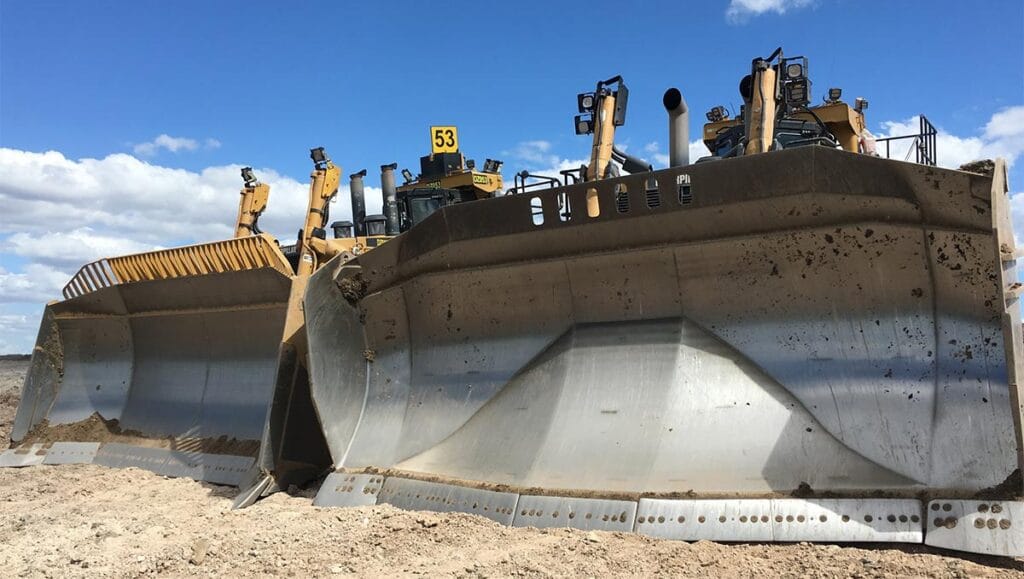
A bulldozer blade is the flat, curved plate mounted to the front of a dozer, used to push, cut and grade material across construction and excavation sites. It’s one of several bulldozer parts that work alongside the undercarriage and hydraulics. The blade attaches to the dozer’s push arms, which is what lets the hydraulics raise, lower and angle it as it contacts the ground and the material. It’s also one of the specs Quotor lists on every dozer listing, alongside the machine’s class and reach. For background on the machine itself, see our guide to what a dozer is.
Parts of a Forklift: Key Components and Their Functions
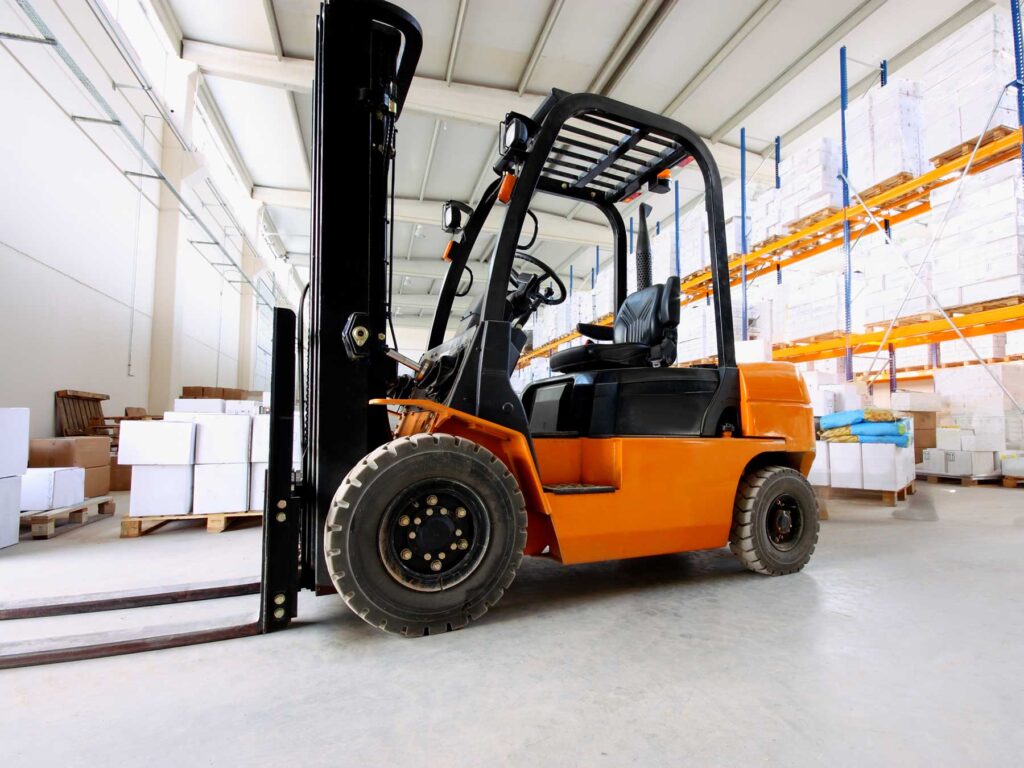
A forklift is a powered industrial truck built for material handling: lifting, carrying and stacking loads on forks mounted to a vertical mast. Most forklifts used on warehouse floors and construction sites are counterbalance forklifts, meaning a weight at the rear of the chassis offsets the load out front rather than relying on outriggers. For a full breakdown of how forklifts are classified and used, see what a forklift is and how it works. The parts covered in this article describe a standard counterbalance forklift specifically.
Parts of a Backhoe Loader: Ensure Optimal Performance
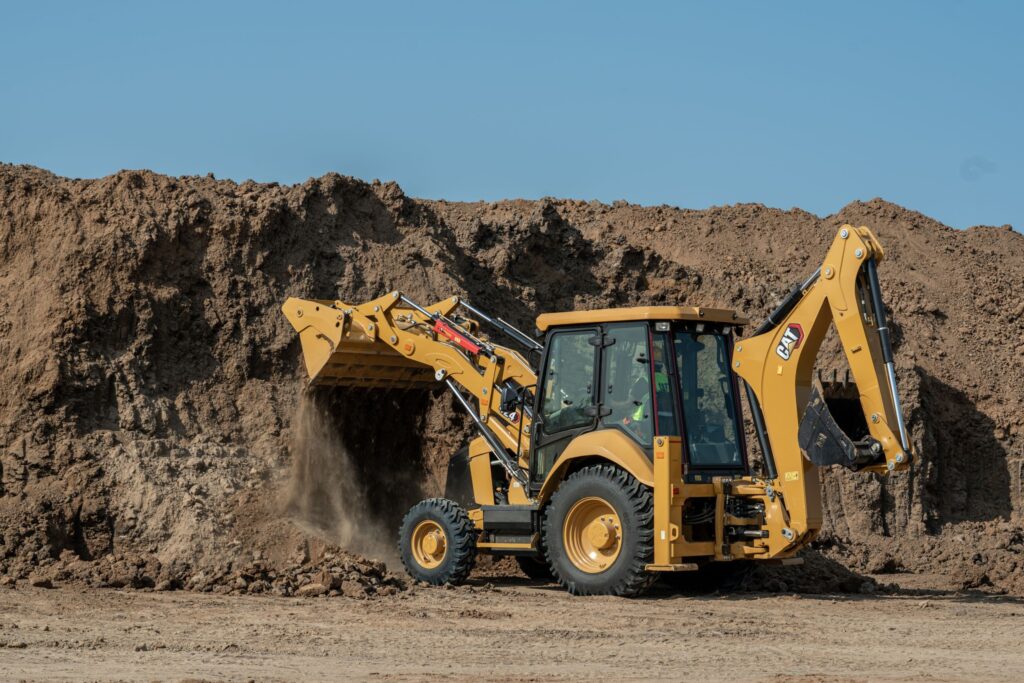
As the name implies, a backhoe loader combines two machines in one: a front loader and a rear backhoe, mounted on a single tractor-style chassis. It’s a piece of construction equipment useful for agricultural, utility and construction site work alike, built to switch between loading, carrying and digging without swapping machines. See what a backhoe loader is and how it fits within earthmoving equipment. Quotor lists backhoe loaders in its backhoe loader category for hirers comparing machines by size.
Main Parts of an Excavator: Understanding Excavator Components
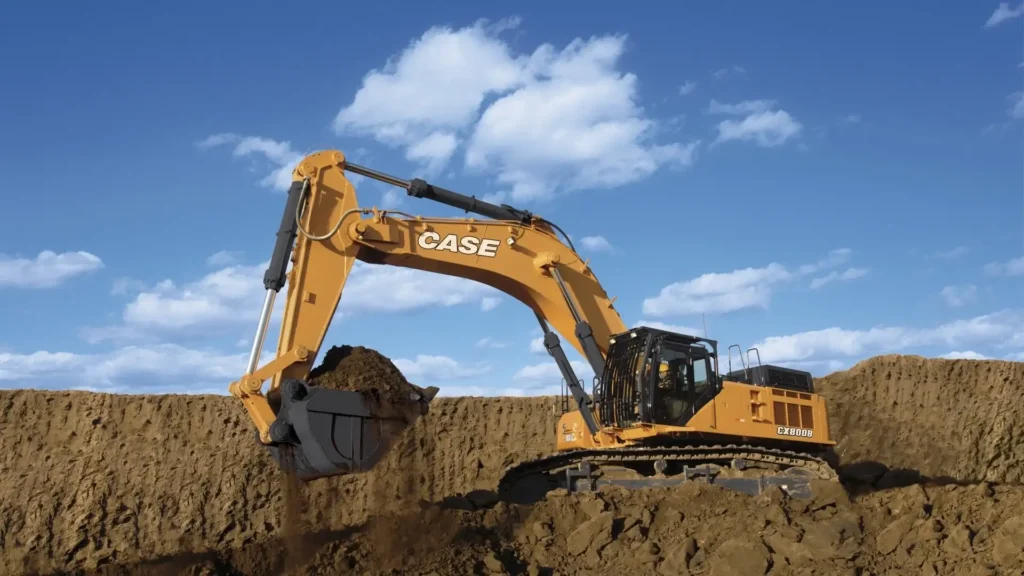
An excavator is a piece of earthmoving equipment that combines a rotating upper structure, an articulated digging arm and a mobile undercarriage into one unit, using hydraulic power for digging, lifting and excavation work on a job site. For a full look at how excavators are classified and used, see Quotor’s guide to what an excavator is. Quotor lists excavator equipment for hire, from mini excavators, ideal for tight spaces on residential jobs, to larger crawler machines for civil work.
Different Types of Excavator Buckets: Choosing the Right One
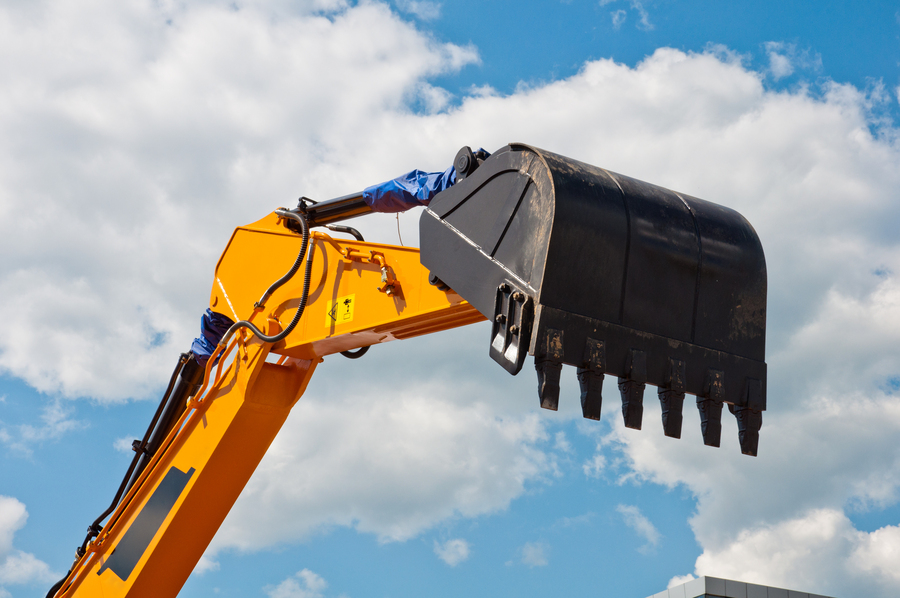
An excavator bucket is the digging attachment mounted at the end of the dipper arm, the part that contacts material being dug, lifted or moved. It’s the attachment excavators use more than any other, since most jobs start with some form of digging or material handling. The what is an excavator article covers how the arm works if you need that background first; this piece stays focused on the bucket.
Types of Backhoe Attachments: Best Attachments to Use
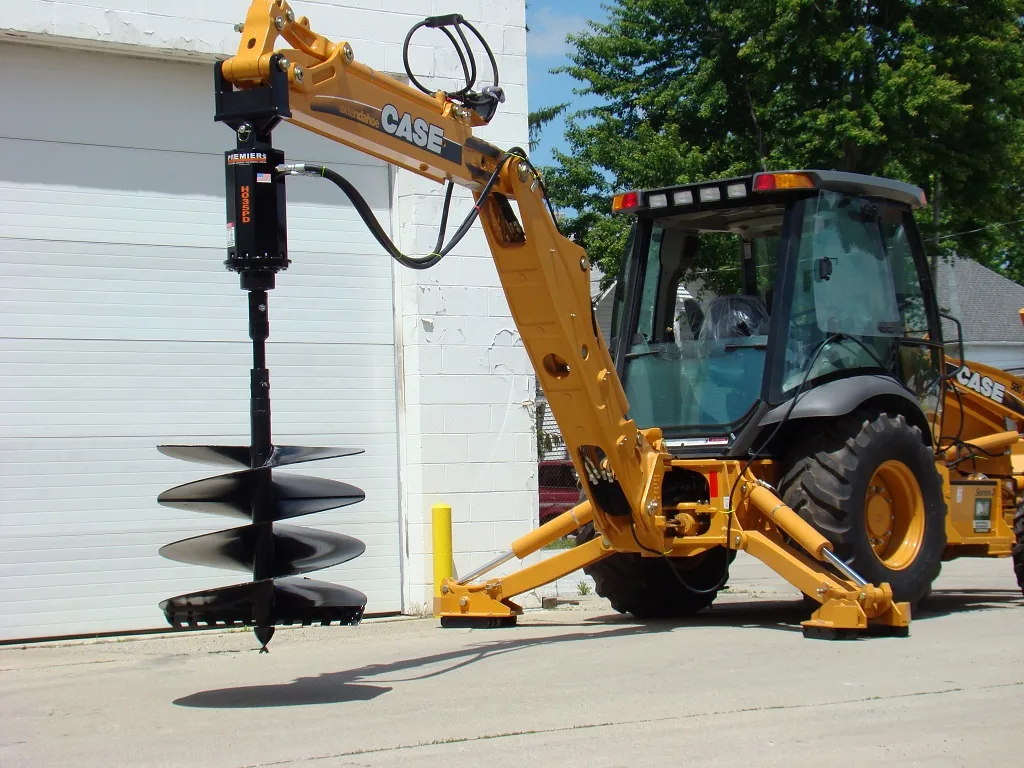
A backhoe loader combines a front loading bucket with a rear digging arm on one wheeled chassis, letting one operator load material at one end and excavate at the other. For the full breakdown of how it’s built and controlled, see Quotor’s guide to what a backhoe loader is.
How to Operate a Skid Steer Loader
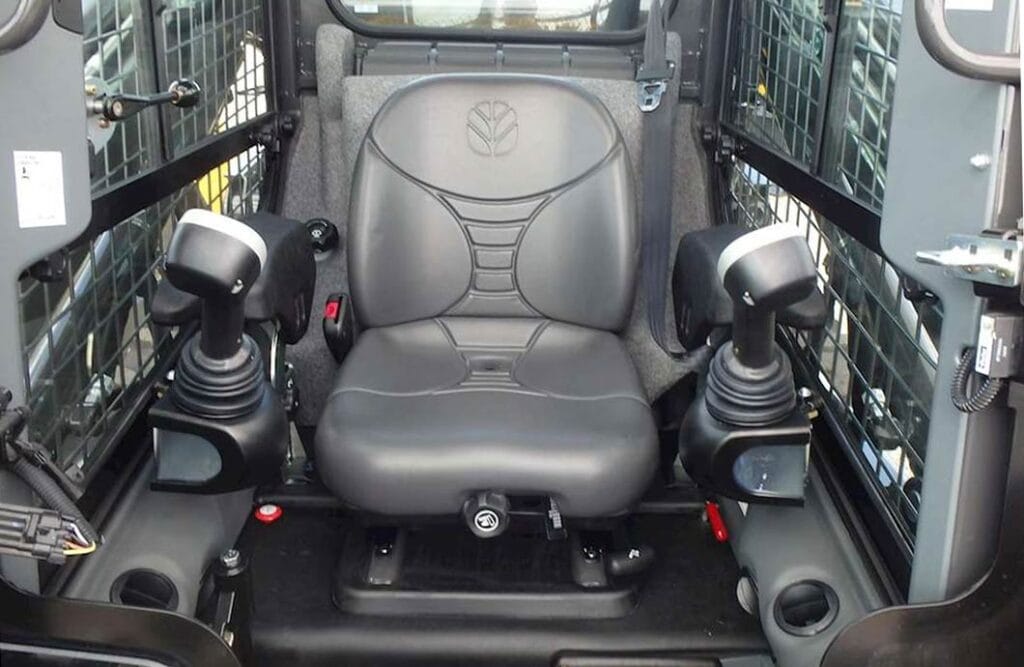
A skid steer loader is a compact, rigid-frame wheeled machine that steers by varying power to its left and right wheels rather than turning them, letting it pivot within a very tight space. For the full breakdown of how the machine is built, see Quotor’s guides to what a skid steer loader is and the wider loaders category if you’re also weighing other loader types. This piece covers what comes next: the controls, the pre-start checks and the technique needed to operate one safely.
How to Safely Operate a Backhoe Loader
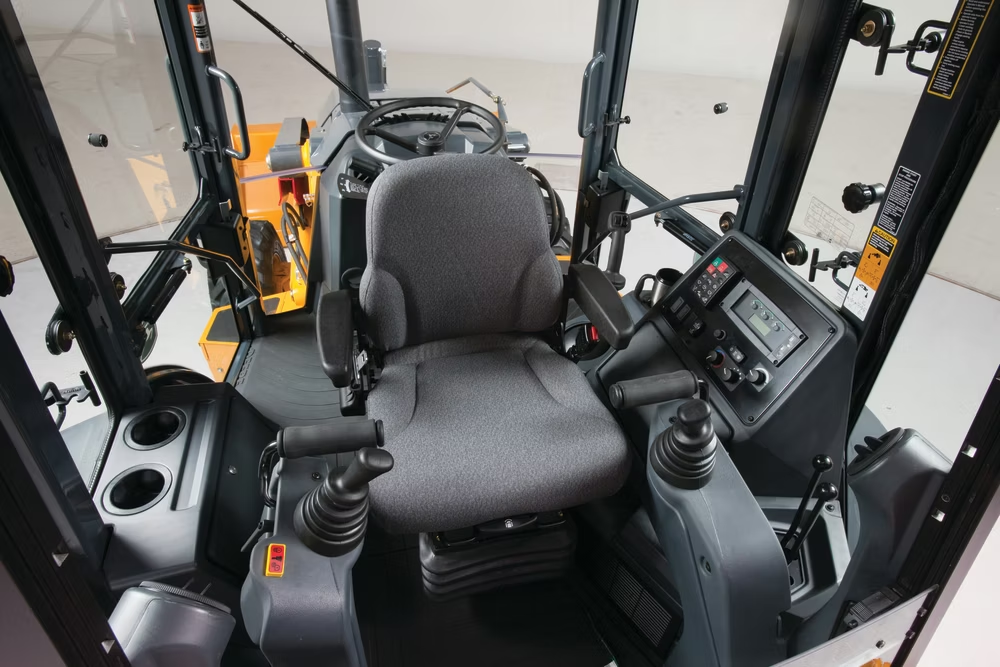
A backhoe loader is one of the most recognisable machines on an Australian job site, a loader bucket on the front and a digging arm folded up behind the cab. It’s also one of the more common types of earthmoving equipment hired for utility, landscape and general construction work. Learning to operate a backhoe loader safely means getting comfortable with two separate control sets on the one machine. This step-by-step guide covers the basics of operating a backhoe loader, from the controls and pre-start checks through to loading, digging and backfilling, along with a few essential safety tips worth carrying into every shift.
Skid Steer vs Compact Wheel Loader: Choosing the Right Equipment
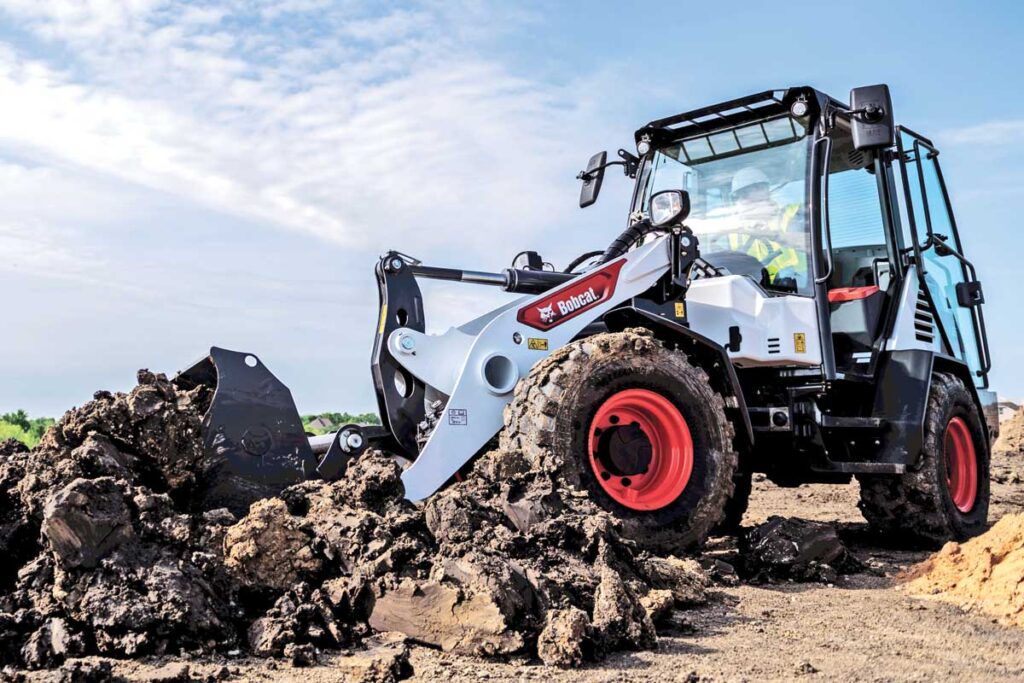
A skid steer and a wheel loader both move material across a construction site, but they get the job done in different ways. Both are compact loaders built for tight sites, yet a skid steer uses a compact frame with a quick-hitch coupler to scoop, carry and place material in short, repeated cycles, while a wheel loader relies on a larger front bucket and loader arm to shift bigger volumes in fewer passes. That difference shapes almost everything else that separates the two, including size, tooling and hire cost. Quotor’s loader hire range covers both machine types side by side.
Backhoe Loader vs Wheel Loader: Key Differences

Backhoes and wheel loaders are both wheeled machines built around a front bucket, which is why they’re often mixed up on a hire list. The similarity ends there. A backhoe loader adds a rear digging arm to that setup, so it can excavate as well as load. A wheel loader has no digging arm at all; everything it does happens through the bucket on the front. That single design choice decides which jobs each machine suits. Both sit within the broader family of earthmoving equipment used across Australian construction sites, the kind of gear Quotor lists across hire companies nationwide.
Operations with Integrated Tool Carrier vs Wheel Loader
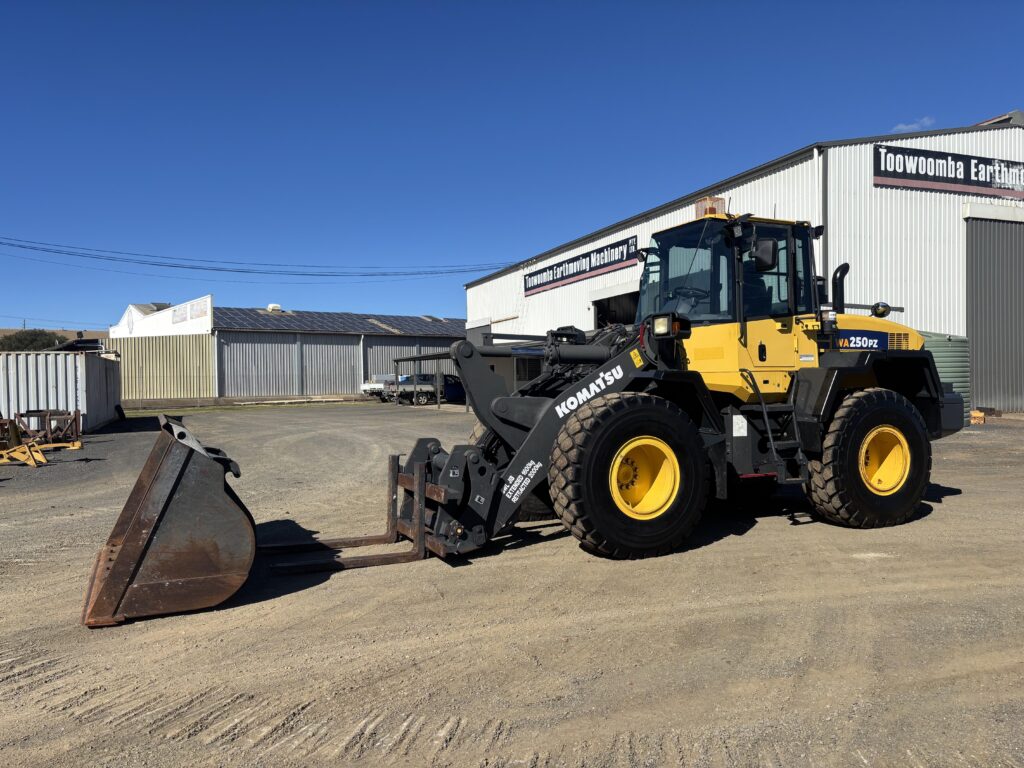
Both are loaders, but each is purpose-built for different work in the earthmoving industry. An integrated tool carrier is a flexible, versatile machine, while a production-focused option works differently. Configuration, not size or the label, decides most of what separates the two in daily operation.
Long Reach Excavator for Deep Excavation Projects
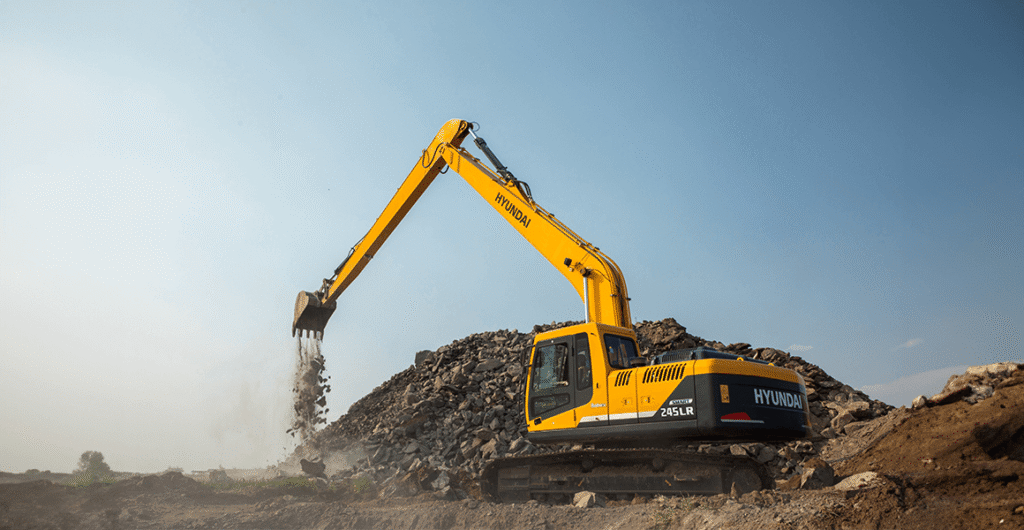
A long reach excavator is a standard excavator fitted with an extended boom and arm, built to dig deeper and reach further while its tracks stay on stable ground. Quotor lists long reach excavators as their own category within its excavator range, alongside standard, mini and wheeled machines. This guide covers how they work, what they’re used for and what to check to choose the right one before hiring.