
What Is a Compaction Roller? Static vs Vibratory, Single vs Double Drum Rollers
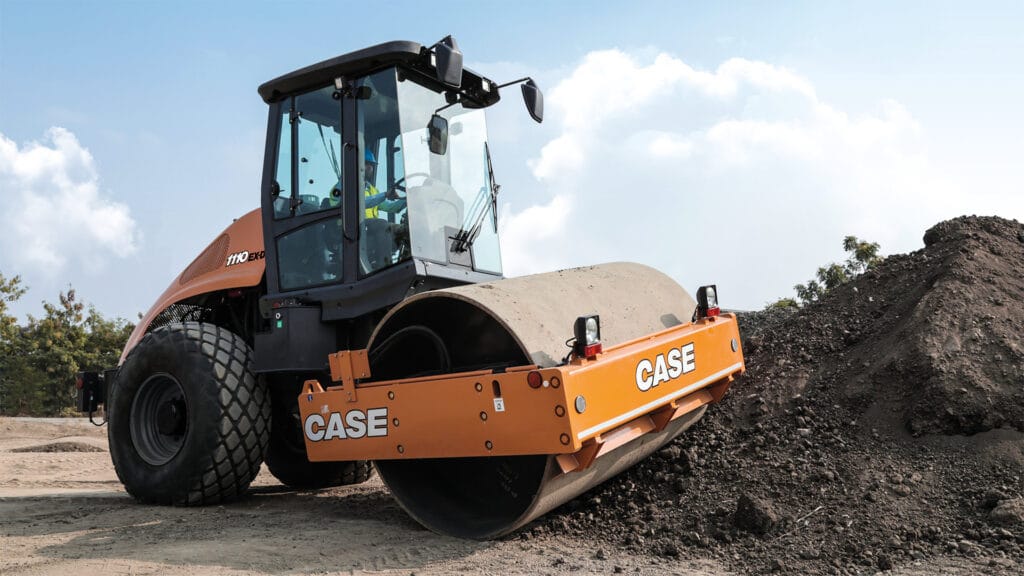
A compaction roller is a common sight on Australian construction sites, using weight and often vibration to press soil, gravel and asphalt into a dense, stable base before building continues. Quotor’s guide to compaction rollers spans from compact trench units to heavy three-point road rollers, and picking the right one starts with knowing how each works.
What Is a Forklift Truck? Common Forklift Types and How They Work
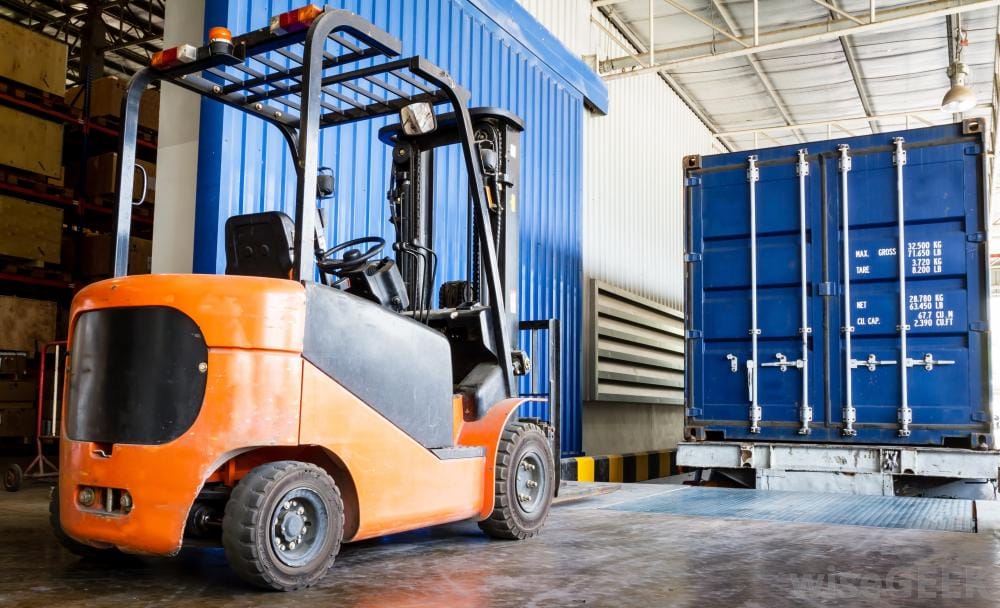
A forklift truck, usually just called a forklift, is a powered industrial vehicle built to lift, lower and carry loads on a pair of fork arms mounted to a vertical mast. Quotor groups forklifts within the broader material handling equipment range, with conventional forklifts, rough terrain forklifts and telehandlers separated into practical subcategories based on how they lift and move loads, distinct from loaders that lift and carry on a bucket rather than a mast or boom. Forklifts appear anywhere goods need loading, moving or stacking quickly: warehouses, construction sites, ports and manufacturing plants.
Micro Digger vs Mini Excavator: What’s the Difference?
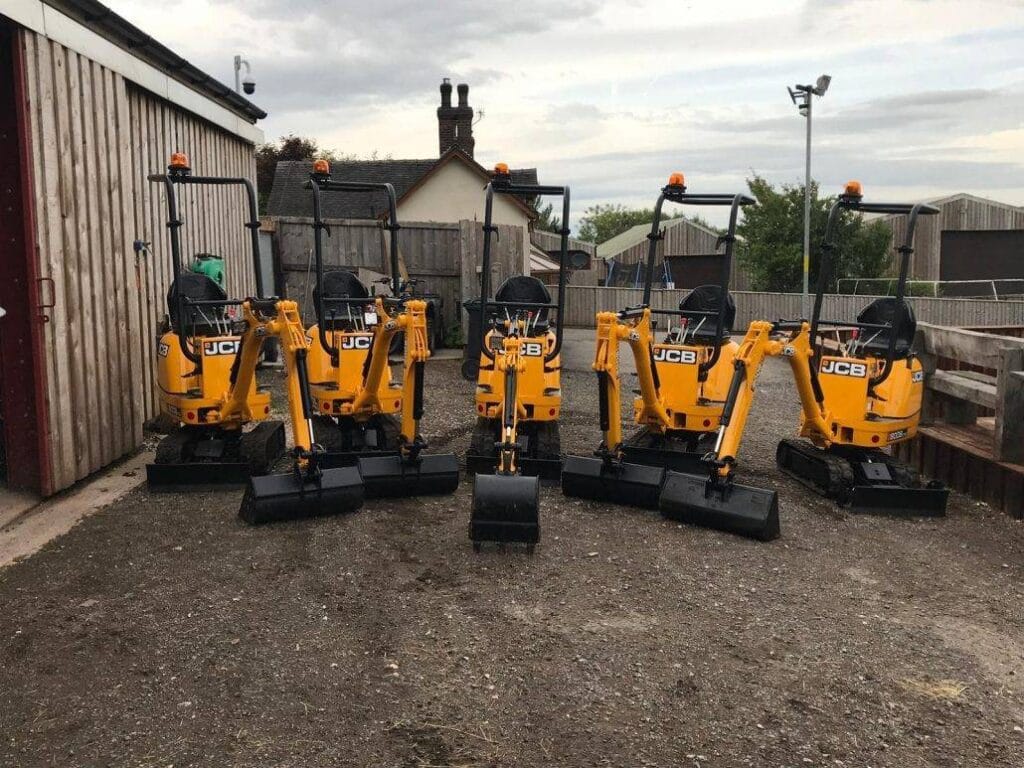
Micro diggers and mini excavators both fall under the broader excavator category, but they’re built for different jobs. Choose the wrong one and you’re either stuck with a machine too wide to get through the gate, or one that can’t dig deep enough or lift enough to finish the job on time.
What Is a Micro Excavator? Understanding 1t Mini Excavators
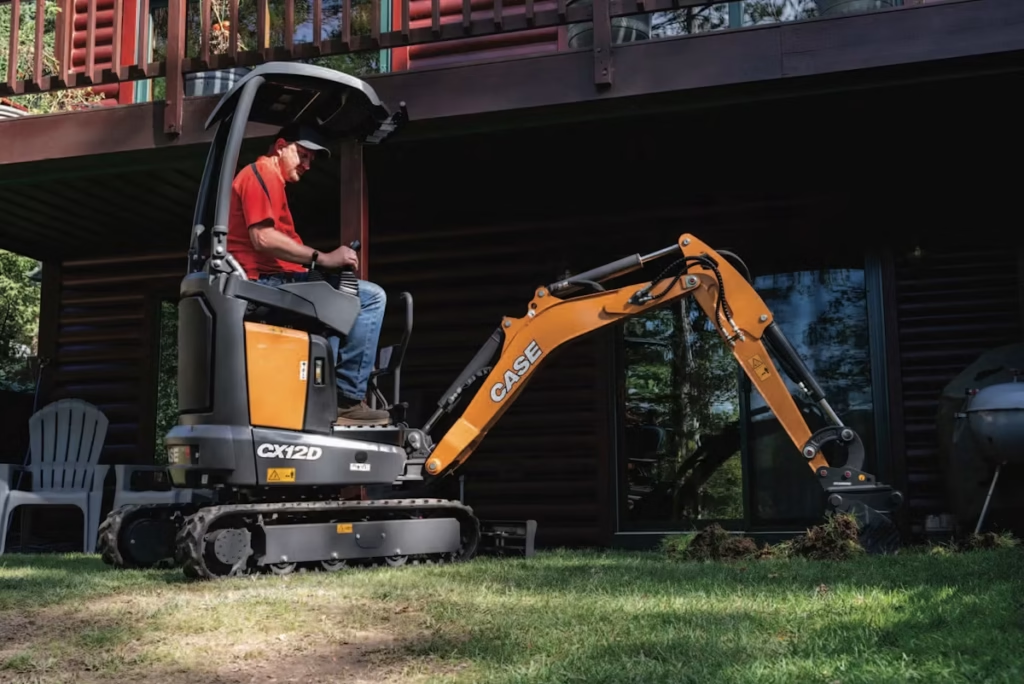
A micro excavator is the smallest excavator you can hire, small enough to fit through a standard doorway and light enough to reduce the risk of marking sensitive flooring. This guide covers what sets it apart from a mini excavator, what it costs, and how to choose the right machine through Quotor.
Backhoe Loader Brands: Leading Manufacturers and How to Choose
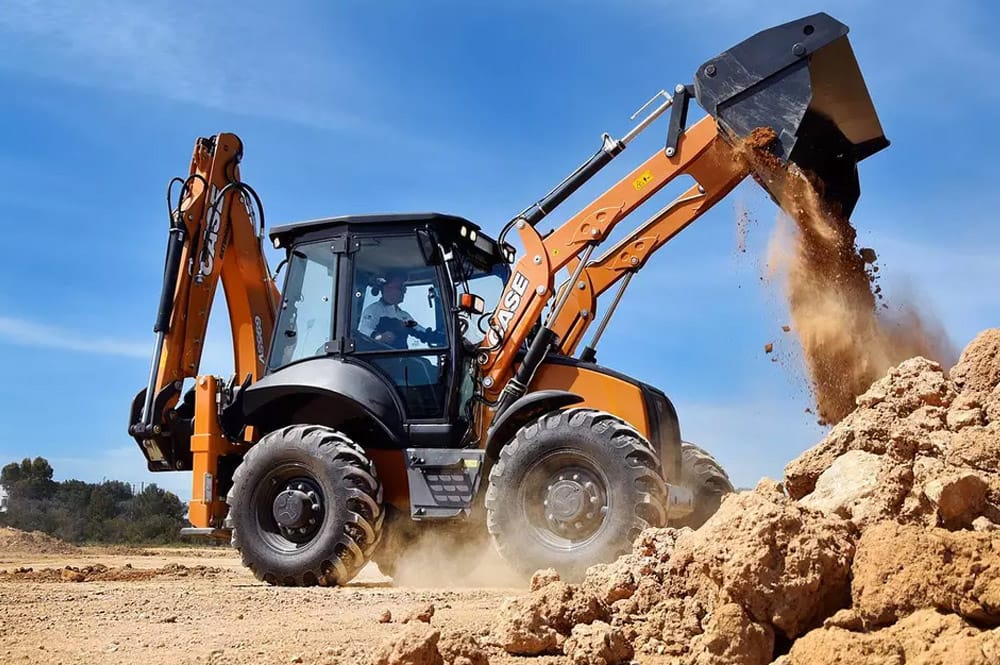
A backhoe loader is one of the most recognisable pieces of construction machinery, combining a front loader bucket and a rear excavator arm on one wheeled chassis so a single operator can handle digging and loading without swapping machines. That versatility keeps backhoe loaders in demand on sites of every size. For the full breakdown of how it works, see what is a backhoe loader. Backhoe loaders are still widely used in the global construction industry for urban construction and small and medium-sized projects, alongside utility trenching. Browse Quotor’s current backhoe loader listings to see what’s available.
Forklift Brands in Australia: Leading Manufacturers and How to Choose
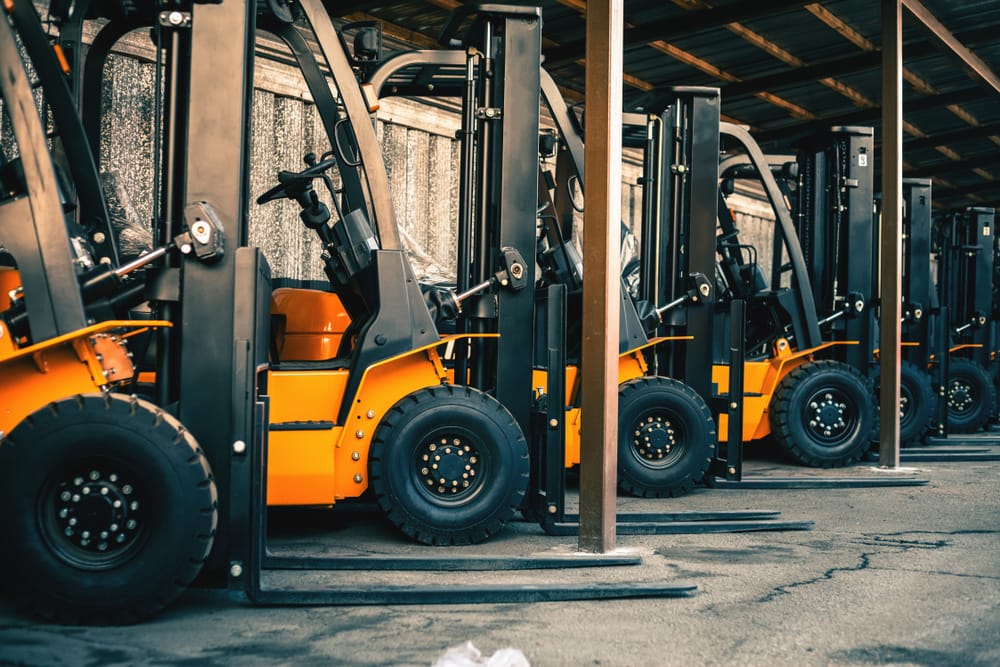
Australia’s forklift market spans household names like Toyota and Crown alongside newer entrants expanding through metro dealer networks. There is no single best forklift, only the best fit for a given job, budget and site. This guide walks through the country’s leading brands in the Australian market, how they differ, and how to evaluate brand against the practical realities of buying or hiring.
Top Excavator Brands: Choosing the Best Excavator Brand
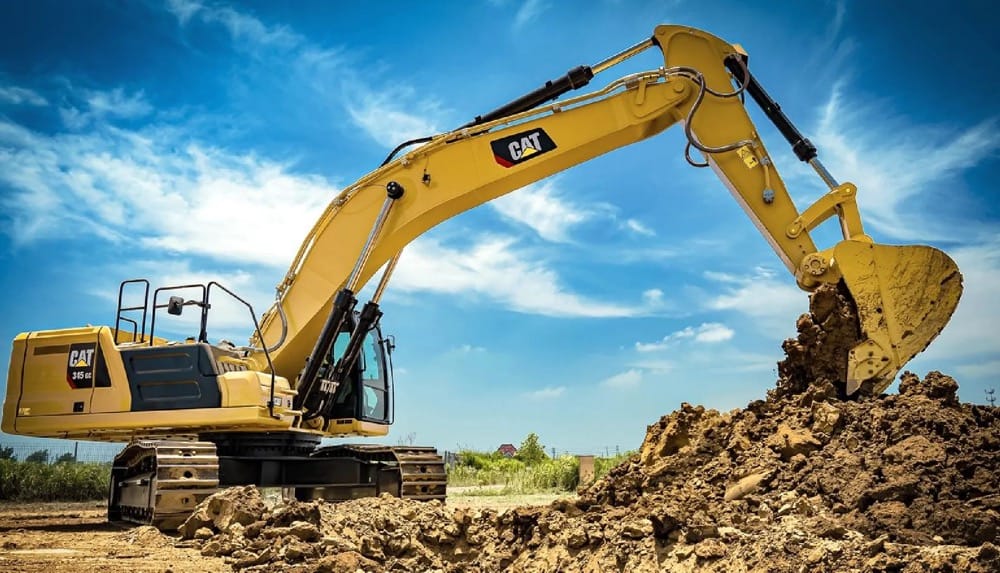
An excavator is a tracked or wheeled piece of machinery built around a boom, arm and bucket, used for digging, lifting and material handling on construction and civil works sites. For more on how the machine works, see what is an excavator. Quotor’s excavator category page lists current excavator models if you want to browse directly.
Skid Steer Brands: Leading Manufacturers and How to Choose
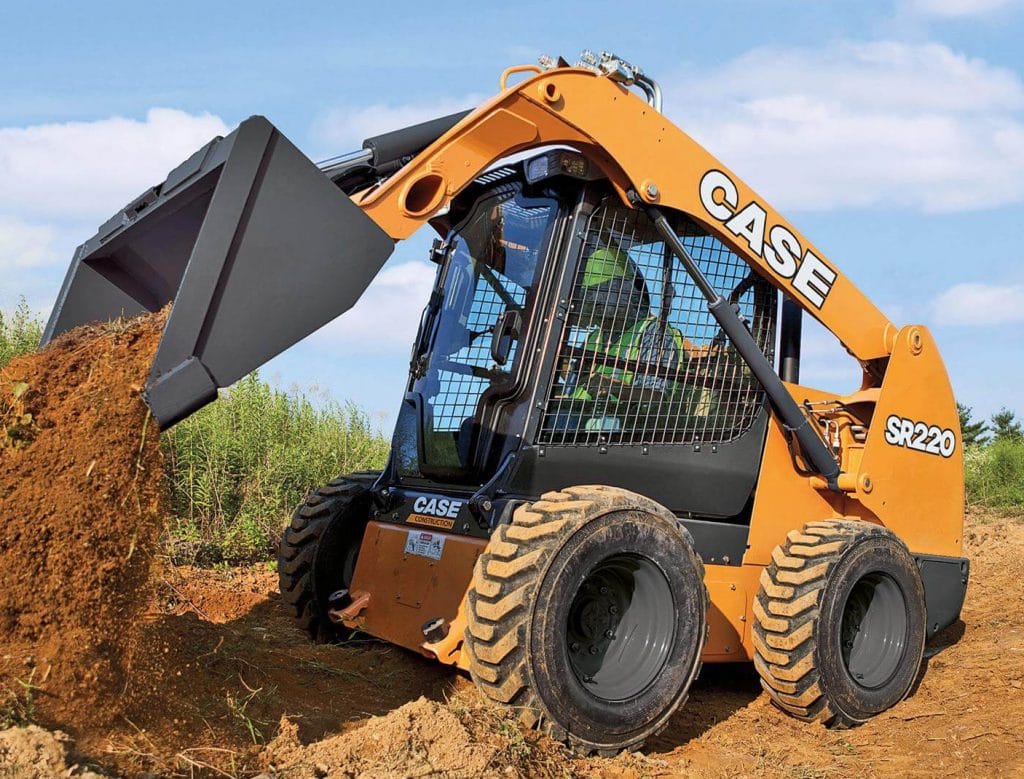
A skid steer is a compact, rigid-frame wheeled loader that turns by varying wheel speed from one side to the other, letting it pivot in a very tight space, useful from job sites to farm buildings. See Quotor’s guide to what a skid steer loader is for the full picture.
Equipment Procurement and Asset: The Hidden Schedule Killer
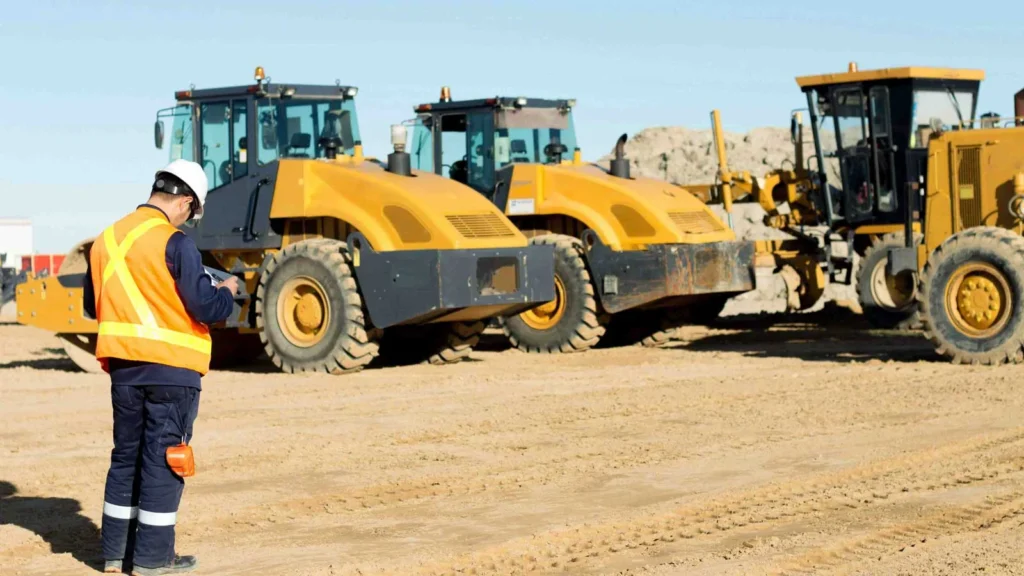
Equipment procurement is the process a construction business goes through to get the machinery a project needs, from working out what’s required through to that equipment arriving and staying available until the job is done. Handled well, it barely gets noticed. Handled poorly, it becomes one of the more common causes of schedule slippage on a construction project, usually because decisions get made too late or without visibility into supplier lead times and equipment a business already owns.
Ultimate Guide to Construction Equipment Management
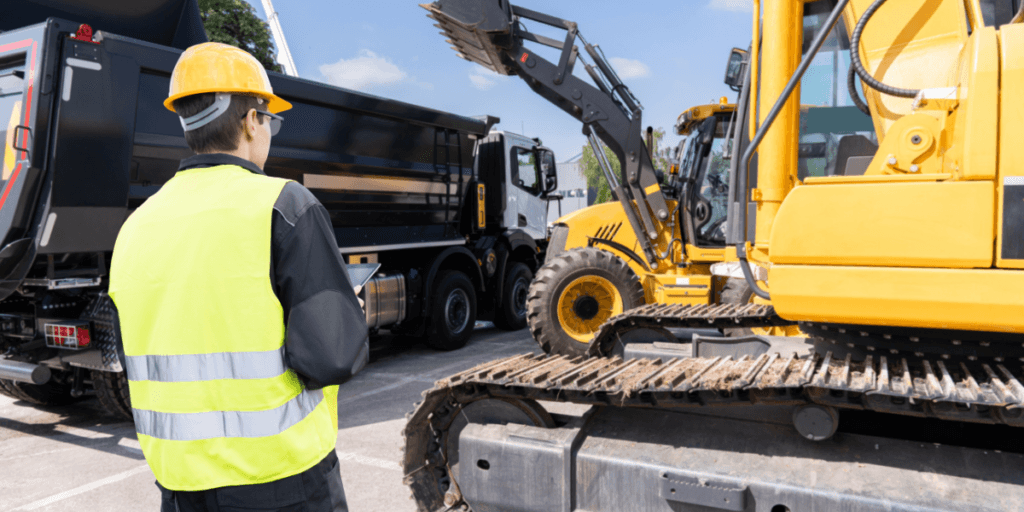
A construction business rarely makes money from equipment sitting on a truck between jobs. Every excavator or loader is capital that only pays for itself while working, and construction companies that manage that gap well run tighter, more profitable projects.
How to Become a Heavy Equipment Operator: Training, Licensing and Career Path

Heavy equipment operation covers everything from shifting earth on a residential build to running plant on a mine site. Getting there means working out which licence or competency requirement applies to the machine you want to run, then following the right training pathway. This guide to heavy equipment operator licensing covers both. Whether you’re starting from scratch or adding a new machine, the requirements below cover what applies in Australia today.
What Does a General Contractor Do? Role, Responsibilities and Hiring Guide

A general contractor manages day-to-day execution of a construction project: coordinating subcontractors, keeping work on schedule and within budget. Understanding what the role covers, and how to engage it well, shapes how the project runs.
What Size Excavator Bucket Do I Need? Choosing the Right Bucket Size
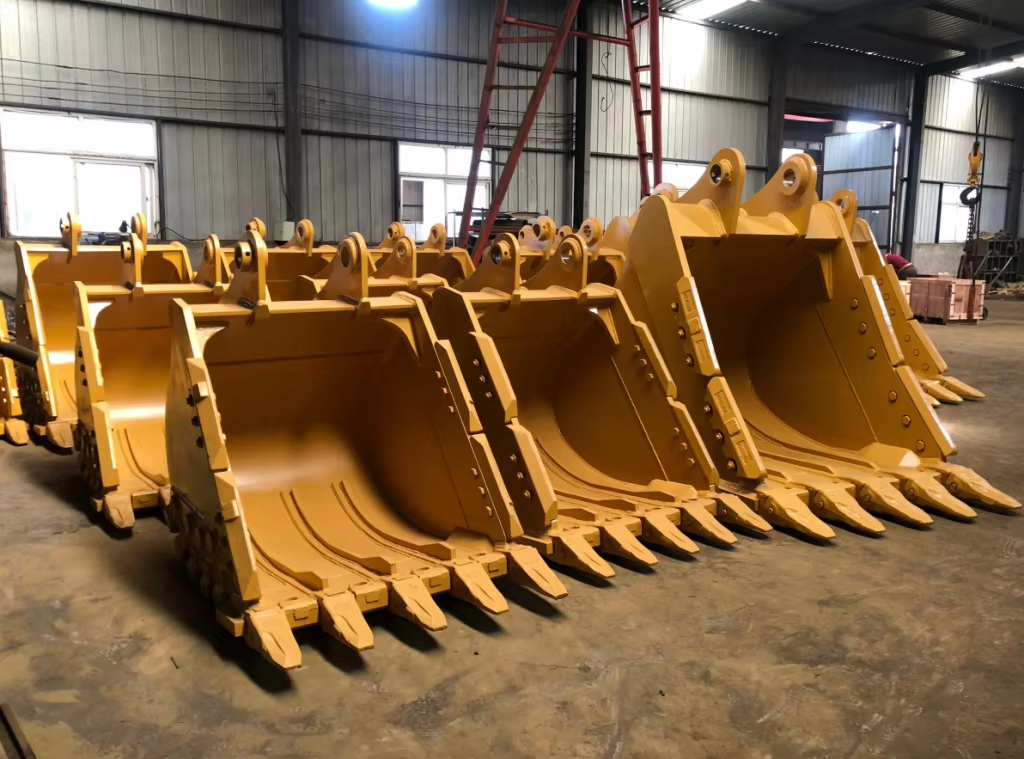
An excavator bucket is the digging attachment mounted on the dipper arm, the part that fills with material during a dig cycle. It’s the most common excavator attachment; Quotor’s guide to types of excavator attachments covers hammers, grapples and augers for jobs a bucket isn’t built for. If the question is which bucket type suits the work rather than what size to hire, general-purpose, rock, skeleton and other excavator bucket types come before size in that decision. Background on the arm itself sits in what is an excavator if needed.
What Forklift Size Do I Need? Forklift Dimensions and Weight Capacity
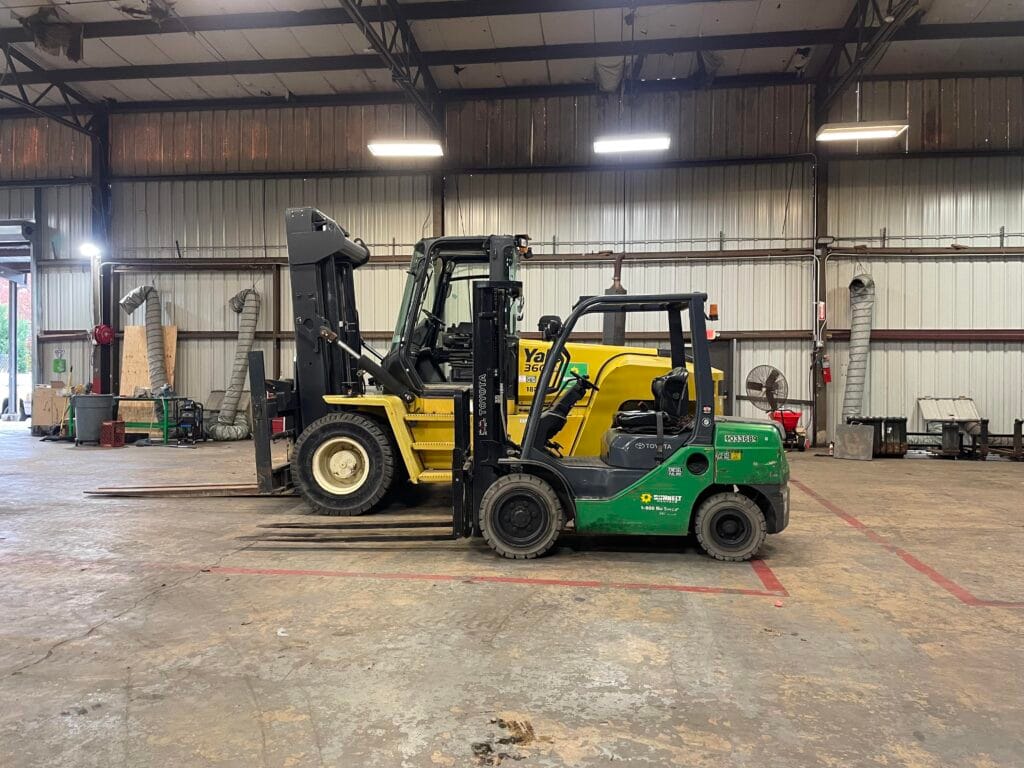
A forklift’s job looks simple: pick a load up, move it, put it down. Getting the size wrong makes that simple job expensive in one direction or another. A machine rated below the load stalls or, worse, tips. One rated well above it burns more fuel, costs more per hour to hire, and can be too wide for the racking or doorway it needs to pass through. This guide breaks forklift size down into what actually matters: rated capacity, physical dimensions, lift height, and the site conditions that decide which class fits the job.
What Size Excavator Do I Need? Choosing the Right Excavator Size
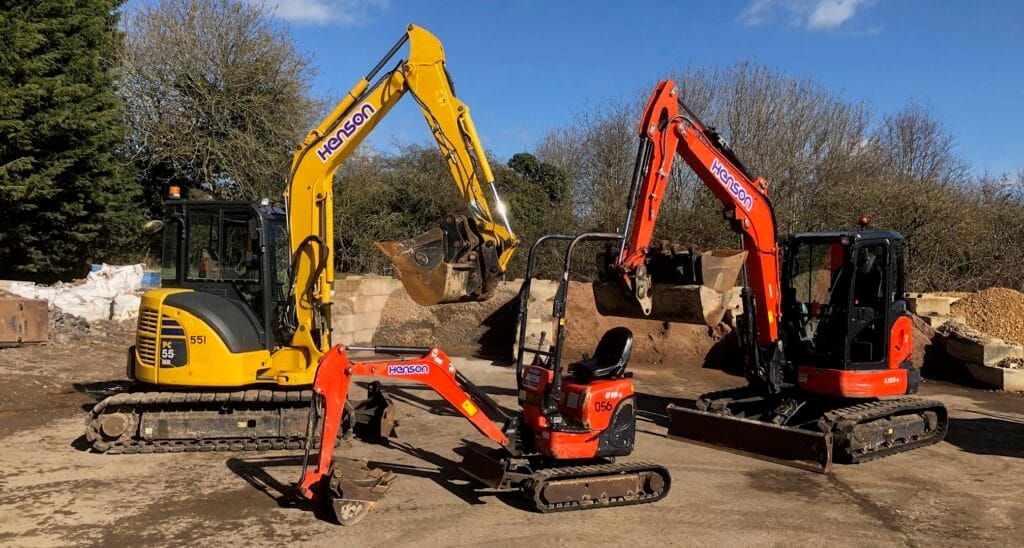
Knowing you need an excavator is the easy part. The harder question is which size, and getting it wrong in either direction costs money: a machine that’s too small drags a job out over days it should take hours, while one that’s too big can’t fit down the side of the house or through a shed door. This guide breaks excavator size down by operating weight, walks through the site factors that decide the right class for a job, and matches size to the work Australian contractors and homeowners actually hire excavators for.
What Size Dozer Do I Need: Choosing the Right Bulldozer
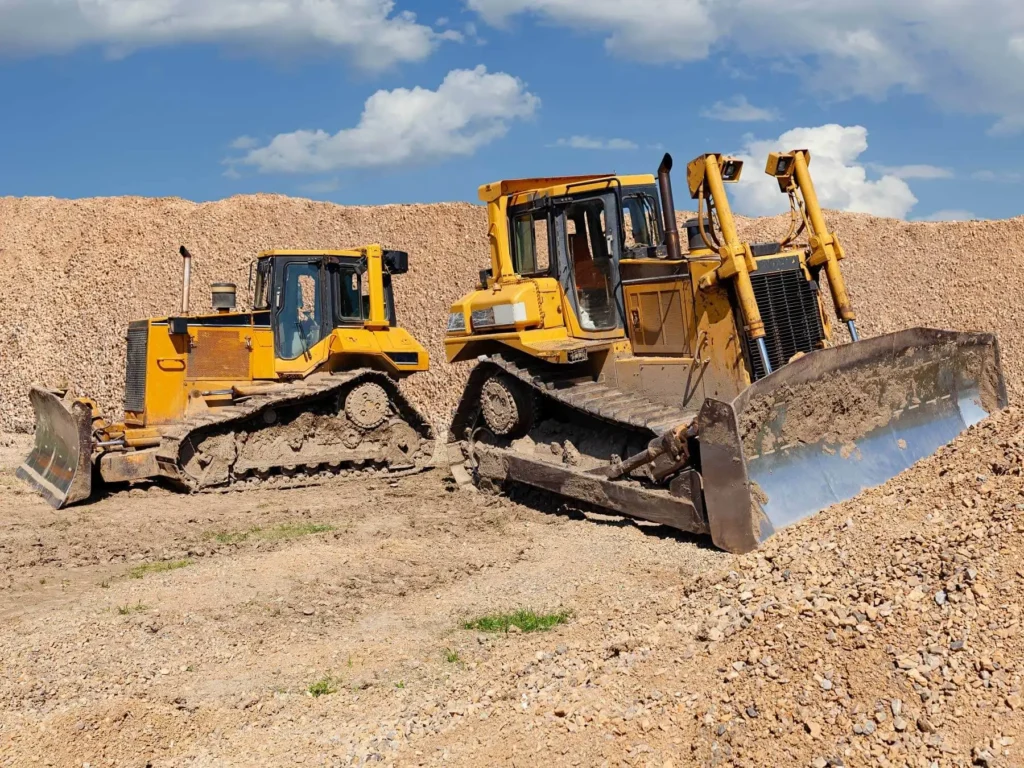
Every dozer pushes material the same way, using a fixed blade on a tracked machine, but the machine behind it ranges from a compact crawler suited to constrained sites to a 100-tonne-plus mining giant. A dozer is one of several types of earthmoving equipment, and getting its size wrong costs money either way: an undersized machine turns a two-day push into a week of overtime, while an oversized one can’t get through the access point or sits on an hourly rate the job never needed. This guide covers how dozer size is measured, what drives the decision, and how to match a class to the job at hand.
What Does a Construction Project Manager Do?
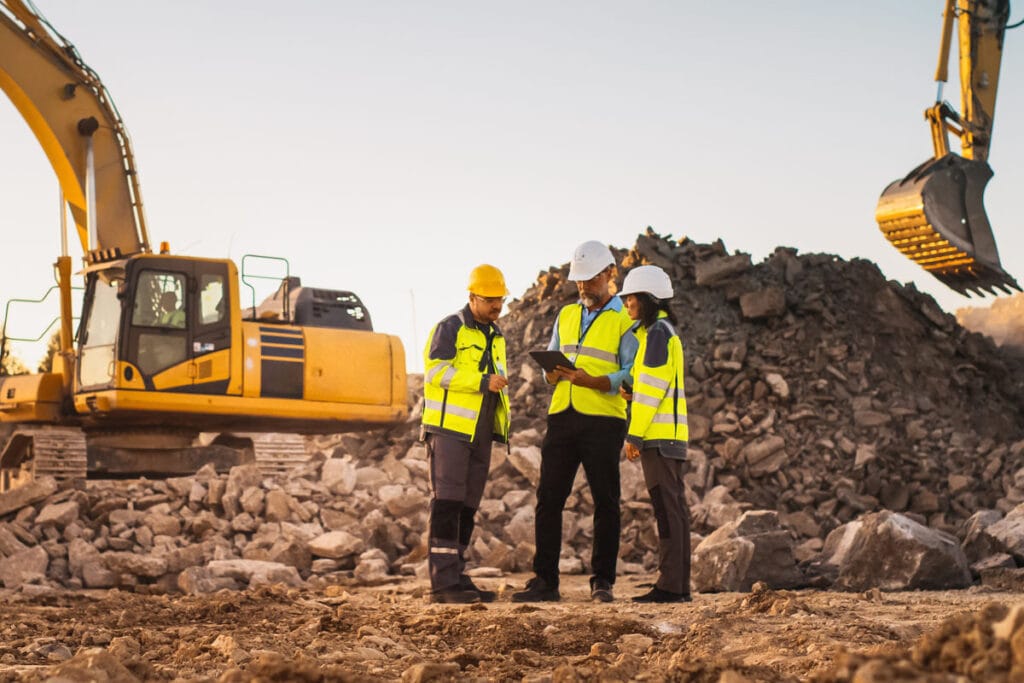
A construction project manager plans, coordinates and reports on a construction project on behalf of the client, from early scope setting through to handover. Whether you’re delivering a commercial fit-out or a multi-stage development, understanding what this role covers shapes how well the engagement works.
What Are The Parts of a Bulldozer?
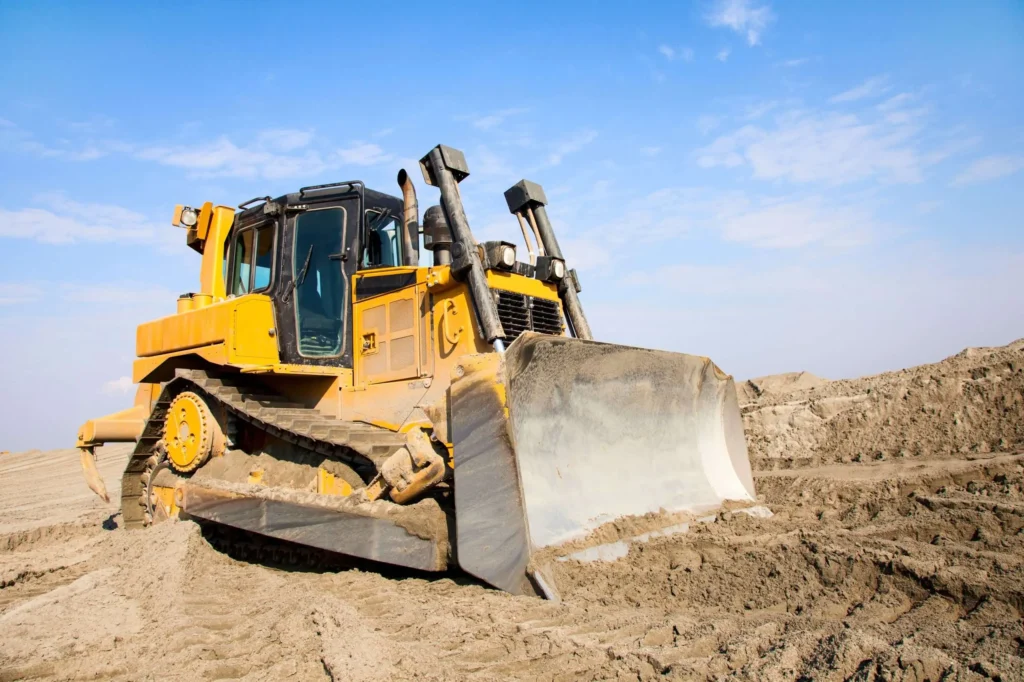
A bulldozer is a heavy-duty tracked or wheeled machine built to push, grade and clear soil, rock and debris using a blade at the front. Every modern bulldozer runs on the same core components: an engine and drivetrain that generate and deliver power, an undercarriage that carries the machine across the terrain, a cab where the operator sits, and a blade that does the physical work. For the full picture of how bulldozers are classified and used, see Quotor’s guide to what a dozer is. Bulldozers sit alongside excavators and other earthmoving equipment on most construction projects, all built for moving large volumes of soil or material.
How to Estimate Equipment Cost in Construction
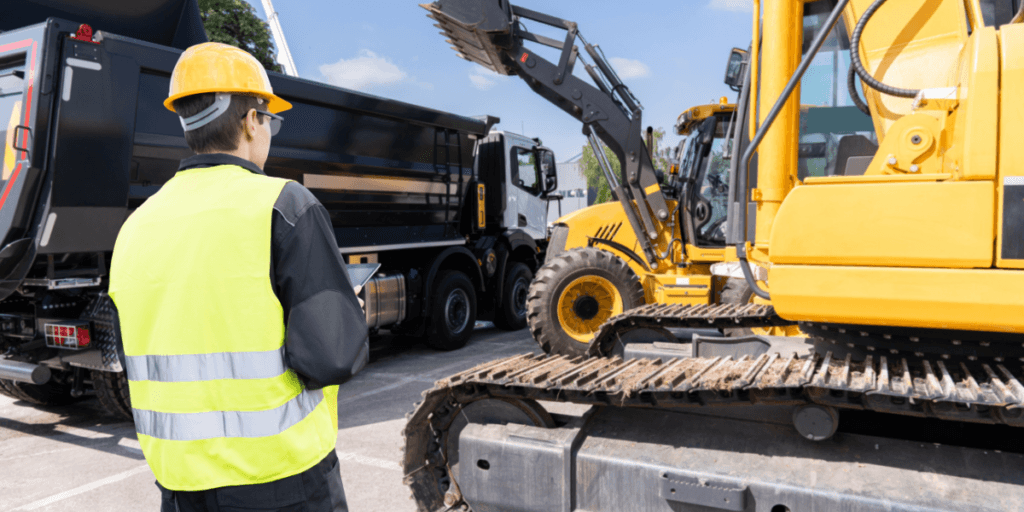
To estimate equipment costs, start with what counts as one: everything it takes to have a machine on site and running, not just the rate quoted by a supplier. That includes direct costs like the hire or ownership rate, and indirect costs such as fuel, an operator where one is needed, transport to and from site, and the costs associated with running and maintaining heavy machinery on a live job. Leaving any of these out of a construction estimate is a common reason budgets run short partway through a project.
Demolition Work: Understanding Demolition Machinery and Equipment
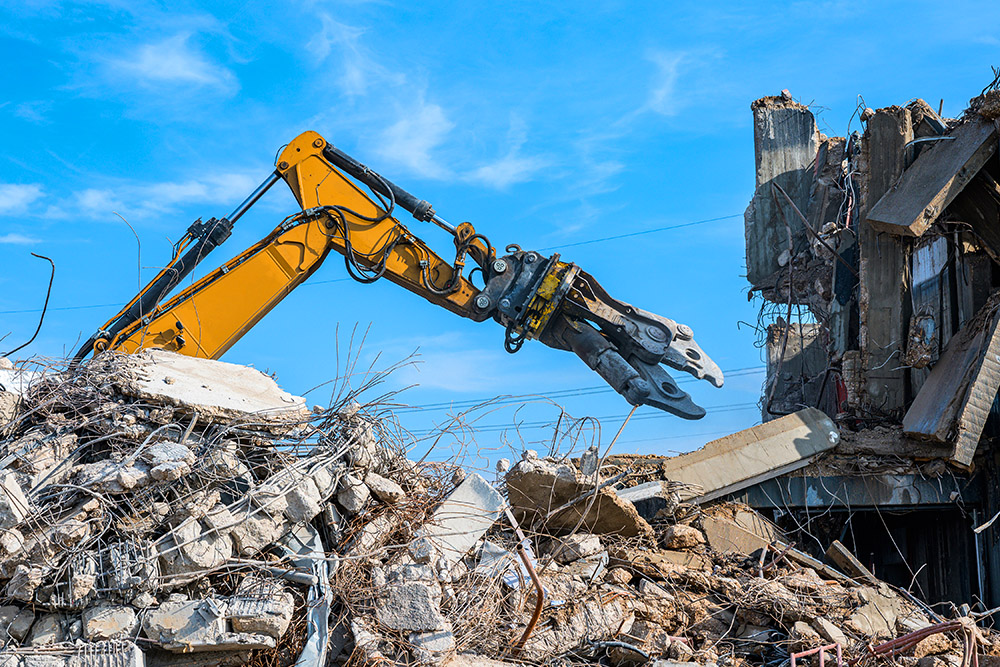
Demolition work means breaking down buildings and structures in a planned, controlled way, from a full teardown to selective deconstruction that saves materials or protects what’s next door. It covers everything from a single house to a multi-storey building or an industrial structure being cleared for new construction. The method chosen shapes which machines end up on site.