
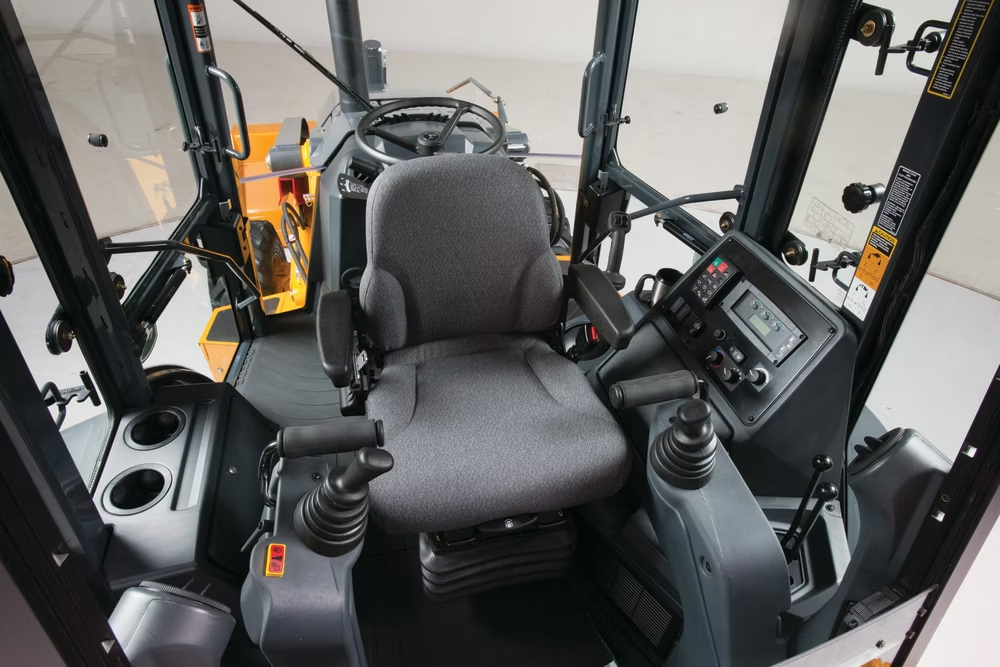
A backhoe loader is one of the most recognisable machines on an Australian job site, a loader bucket on the front and a digging arm folded up behind the cab. It’s also one of the more common types of earthmoving equipment hired for utility, landscape and general construction work. Learning to operate a backhoe loader safely means getting comfortable with two separate control sets on the one machine. This step-by-step guide covers the basics of operating a backhoe loader, from the controls and pre-start checks through to loading, digging and backfilling, along with a few essential safety tips worth carrying into every shift.
Understanding Backhoe Loader Controls
What Is a Backhoe Loader?
A standard backhoe loader combines a front loader bucket with a rear digging arm on a single wheeled chassis. JCB popularised the design so thoroughly that people still call any backhoe loader “a JCB,” regardless of make. This guide focuses on backhoe operation rather than the build itself; for the full breakdown of how the machine is built, see Quotor’s guide to what a backhoe loader is.
Front Loader Controls
Control layouts vary by manufacturer and model. Most backhoe loaders use a single loader control lever, sometimes called a front end loader joystick, to raise and lower the loader arms and curl or dump the bucket, though the exact direction varies, so confirm it from the cab markings and manual first. Move the lever gently for fine bucket control, and keep the bucket low while carrying a load for stability. Quotor’s guide to the parts of a backhoe loader shows where each control connects to the machine underneath.
Rear Backhoe Controls
The rear backhoe, located behind the rear wheels, usually runs on two hand levers, each combining two movements: one lever typically handles the boom and the swing, the other the dipper and the bucket. The dipper attaches to the boom and is also called the dipper stick or arm. Many machines let you switch between common control patterns via a selector valve near the seat; naming and layout vary by manufacturer, so confirm the pattern before you start. The backhoe loader hire page lists current machines with this setup.
Steering, Stabiliser and Transmission Controls
Steering works like driving a tractor, through a steering wheel rather than a joystick. A gear or shuttle lever sets forward, neutral or reverse, and a foot pedal on the floor controls travel speed on most models. The parking brake sits within reach of the seat and should be engaged any time the machine is stationary. Separate stabiliser controls, usually two switches or a small lever near the backhoe console, lower the stabiliser legs independently of the rest of the machine.
| Control / Function | What It Does | Variation |
|---|---|---|
| Steering wheel | Steers during travel | Conventional wheeled steering |
| Loader lift | Raises/lowers front loader arms | Joystick/lever layout varies |
| Loader bucket curl/dump | Controls front bucket angle | May share joystick with lift |
| Rear boom | Raises/lowers digging boom | Pattern varies |
| Rear dipper/stick | Extends/retracts digging arm | Pattern varies |
| Rear bucket | Curls/dumps digging bucket | Pattern varies |
| Swing | Moves rear boom left/right | Pattern varies |
| Stabilisers | Supports machine during digging | Setup varies by model |
| Transmission/shuttle | Selects travel direction/range | Layout varies |
Pre-Operation Backhoe Loader Checks
Walk-Around Inspection
Before you use a backhoe, inspect the machine by walking its full perimeter. Check tyres for damage and correct pressure, look over hydraulic hoses and cylinders for leaks, and check the steps and handholds are clear of mud or debris. Always maintain three points of contact when climbing in or out of the cab.
Fluids, Hydraulics and Tyre Checks
Check all fluid levels before you start, including engine oil, coolant and hydraulic fluid, and top up anything low rather than working around it. Hydraulic fluid that looks milky or discoloured points to a problem worth having checked before the machine goes back to work. Quotor’s guide to construction equipment management covers what a longer-term maintenance routine looks like for machinery like a backhoe loader.
Loader, Backhoe and Stabiliser Checks
Inspect the loader bucket’s cutting edge and teeth for wear, and check the pins and bushings on both the loader and the backhoe arm for play. Look over the stabiliser pads for cracks, and confirm the boom transport lock is intact before you unlock it for work.
Cab, Controls and Safety Systems
Adjust the seat and mirrors before starting, and put the seatbelt on. With the engine running and the machine stationary, cycle each lever through its full range, and check the horn, lights and backup alarm are all working before you operate the machine.
How to Operate a Backhoe Loader
Starting and Positioning the Machine
Start the machine and let the engine warm up to normal engine revolutions per minute before engaging any hydraulics. Use the controls with the machine stationary first, to get a feel for response and lag. Position the machine on level, solid ground before starting loader or backhoe work, and unlock the boom transport lock once you’re set up and ready to dig.
Driving and Steering
Make sure the front wheels are straight before you drive the backhoe forward, and travel with the loader bucket low, just clear of the ground, rather than raised. Slow down for turns, since a loaded bucket raises the machine’s centre of gravity and changes how it handles.
Using the Front Loader
Position the bucket low and approach material square-on, curling it back as it enters the pile rather than driving in flat. Lift only once the bucket is loaded and curled back, then lower the boom again before travelling to keep the load stable. At the dump point, position the machine squarely, slow or stop as required, raise the bucket only as high as needed, and tip it under control.
Positioning the Stabiliser Legs
Before you start the backhoe, make sure the area is clear of people and obstacles, then lower the stabiliser legs onto firm ground and set the machine up according to the manufacturer’s instructions so it’s stable before digging. Use suitable pads or blocking where required on soft or weak ground.
Operating the Rear Backhoe
Even operators who know how to operate the loader need to adjust to the backhoe’s three coordinated movements. Curl the bucket in to break the ground, then use the dipper to draw material toward the machine as the boom lifts. Swing to the dump point, open the bucket to dump the load, then swing back. Avoid heavy loads at excessive reach, where capacity and stability drop off, and follow the machine’s load limits and manufacturer guidance.
Stopping and Parking Safely
Lower the backhoe and loader buckets to the ground, engage the parking brake, and re-lock the boom before you shut off the engine. Leaving either attachment raised, even briefly, is one of the more common causes of avoidable damage on site.
Backhoe Loader Operating Techniques
Loading and Moving Material
Scoop with the bucket curled back to avoid spilling material on the way to the dump point, and travel with the load low and close to the machine. Different jobs call for different attachments, forks for pallets, a four-in-one bucket for grading, and Quotor’s guide to backhoe loader attachments covers the options worth knowing about.
Digging and Trenching
Position the machine so the backhoe boom lines up with the direction of the trench, and work in a steady rhythm: curl in, lift, swing, dump, swing back, then lower the bucket for the next pass. Keep the width consistent by working the dipper and bucket together rather than repositioning the whole machine for small adjustments, and check depth regularly against the job specification rather than by eye alone.
Backfilling and Site Cleanup
Backfilling places material back into the hole in controlled layers: the loader bucket for larger volumes of fill, the backhoe bucket for finer placement close to a structure or pipe. Once backfilled, use the loader to clear loose material from the surrounding site.
Repositioning Between Loader and Backhoe Work
Raise and lock the stabiliser legs before driving, and re-lock the backhoe boom for travel rather than driving with it loose. Moving between loader work at the front and digging at the rear of the machine is one of the more frequent transitions in a normal shift, and re-checking both locks each time prevents unnecessary wear.
Building Backhoe Operating Skill
Common Operating Mistakes
A new backhoe operator most often runs into trouble travelling with the loader bucket too high, positioning stabiliser legs on ground that hasn’t been checked for stability, and reaching the backhoe boom and dipper out to excessive reach, where lifting capacity and stability drop off. Skipping the walk-around inspection is another, since obvious problems on the ground often show up mid-task instead.
Coordinating Boom, Dipper and Bucket Movements
Smooth backhoe work comes from coordinating boom, dipper and bucket rather than moving one at a time, a different feel to driving a tractor alone. Start by using the backhoe on open ground, raising the boom alone, then the dipper, then bringing in the bucket, before combining movements as confidence builds. This takes some adjustment between machines depending on the model and control pattern, so practise on a consistent one where possible. Once you’re ready to operate one without supervision, Quotor’s range of loaders covers other sizes and configurations.
Improving Loader and Backhoe Control
A backhoe loader does not have a specific national High Risk Work Licence class simply for operating the machine, but employers still need to confirm the operator is competent for the plant and task before anyone is trusted to operate a backhoe safely. Quotor’s guide to becoming a heavy equipment operator covers what that broader training path looks like, once the fundamentals here are solid.