
What Size Dozer Do I Need: Choosing the Right Bulldozer
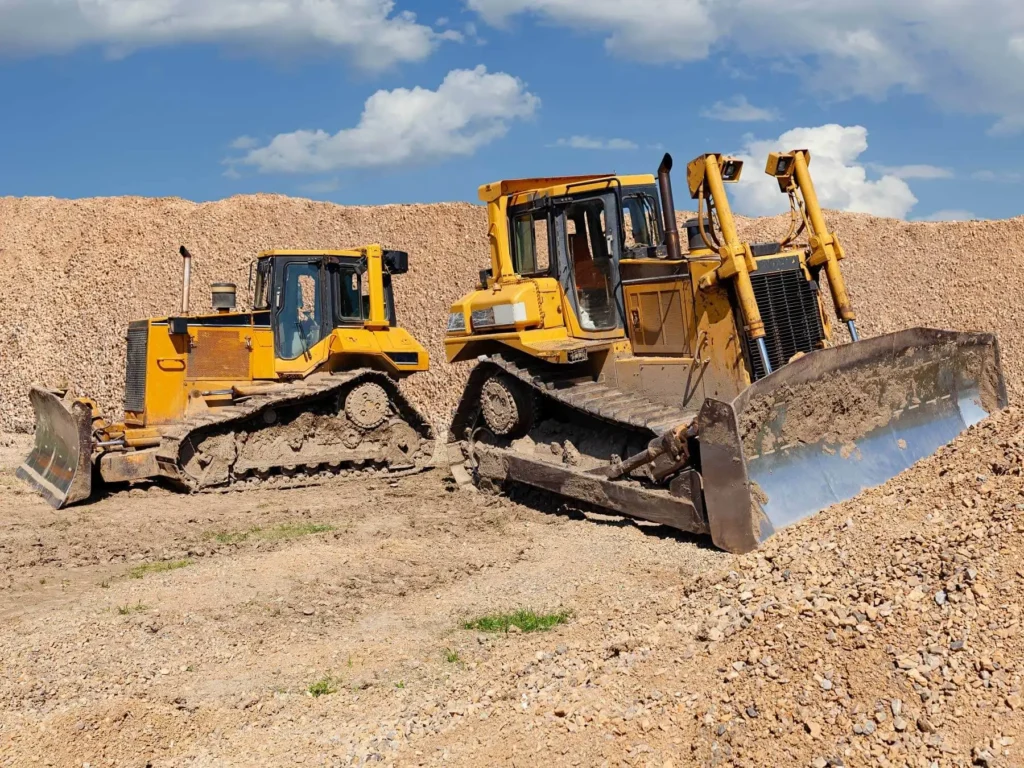
Every dozer pushes material the same way, using a fixed blade on a tracked machine, but the machine behind it ranges from a compact crawler suited to constrained sites to a 100-tonne-plus mining giant. A dozer is one of several types of earthmoving equipment, and getting its size wrong costs money either way: an undersized machine turns a two-day push into a week of overtime, while an oversized one can’t get through the access point or sits on an hourly rate the job never needed. This guide covers how dozer size is measured, what drives the decision, and how to match a class to the job at hand.
What Are The Parts of a Bulldozer?
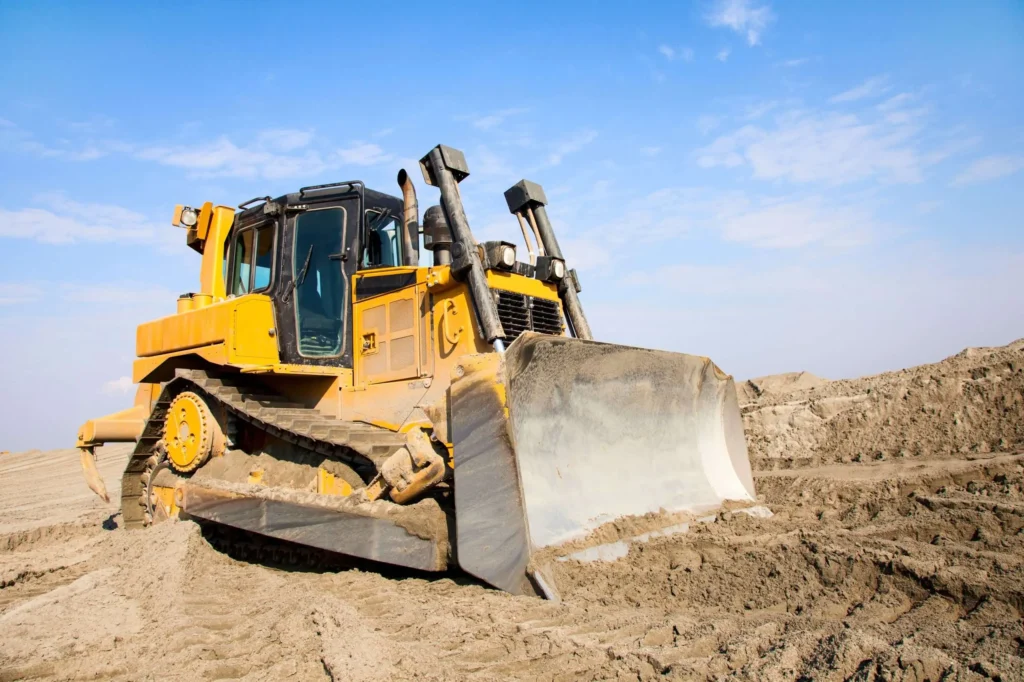
A bulldozer is a heavy-duty tracked or wheeled machine built to push, grade and clear soil, rock and debris using a blade at the front. Every modern bulldozer runs on the same core components: an engine and drivetrain that generate and deliver power, an undercarriage that carries the machine across the terrain, a cab where the operator sits, and a blade that does the physical work. For the full picture of how bulldozers are classified and used, see Quotor’s guide to what a dozer is. Bulldozers sit alongside excavators and other earthmoving equipment on most construction projects, all built for moving large volumes of soil or material.
Demolition Work: Understanding Demolition Machinery and Equipment
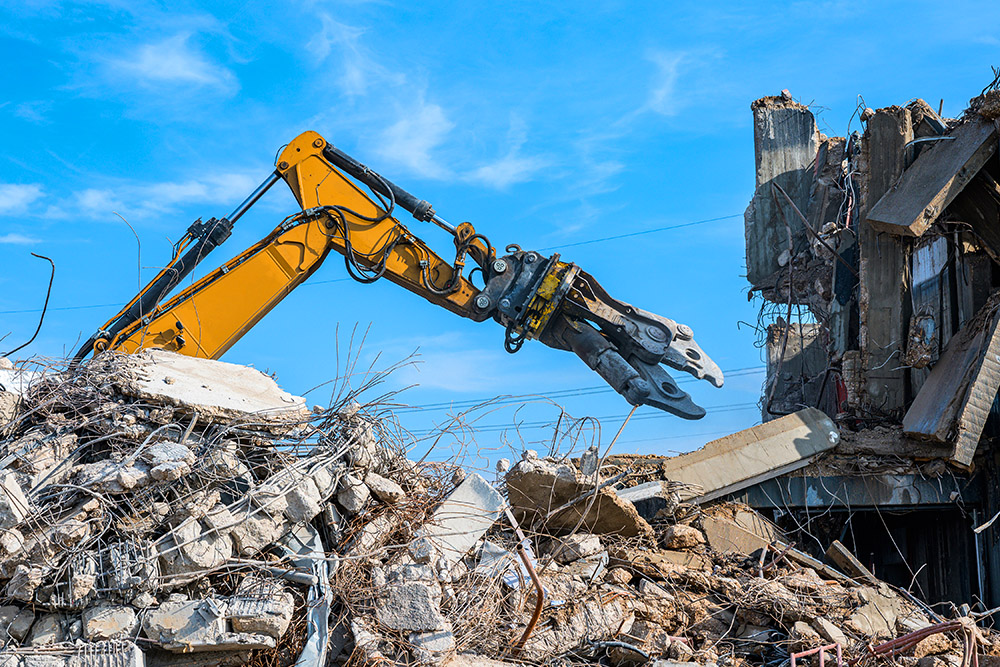
Demolition work means breaking down buildings and structures in a planned, controlled way, from a full teardown to selective deconstruction that saves materials or protects what’s next door. It covers everything from a single house to a multi-storey building or an industrial structure being cleared for new construction. The method chosen shapes which machines end up on site.
What Is Earthmoving Equipment? Dozers, Dumpers, Excavators and More
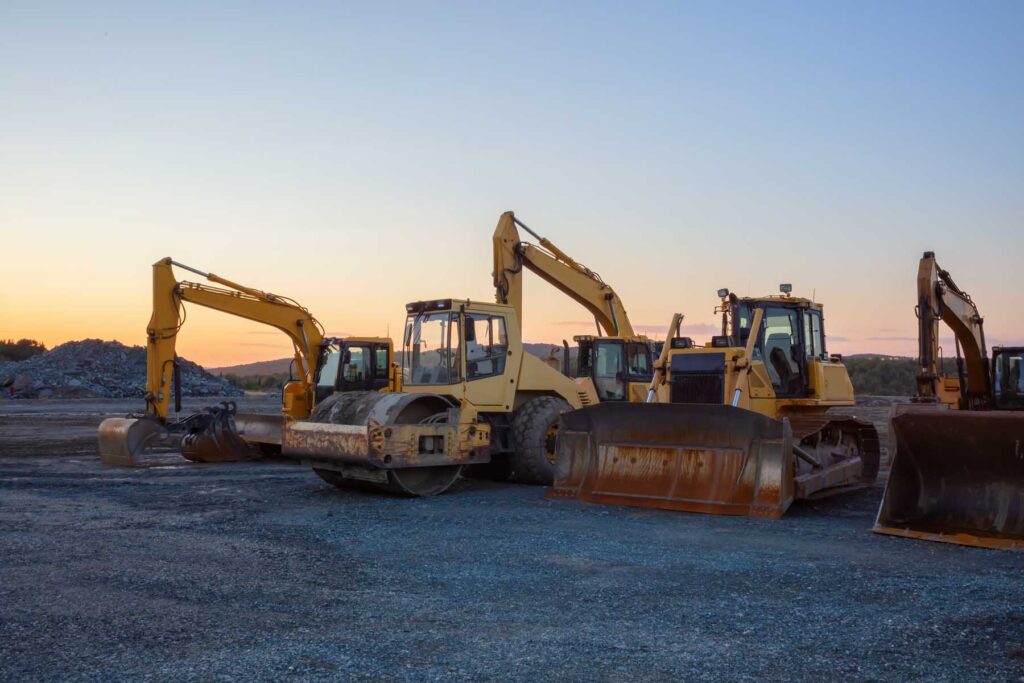
Earthmoving equipment is the machinery designed to dig, push, load, grade and haul large volumes of soil and earth on a construction site. The category spans excavators, dozers, wheel loaders, graders, scrapers and dump trucks, plus the excavator attachments and buckets that extend what each machine can do. These machines form the backbone of the construction industry’s heavy work, distinct from the finishing trades that follow once the ground is ready. Quotor lists them under its equipment range because most projects need several types working in sequence rather than one machine doing everything.
Dozer vs Motor Grader: Choosing the Right Earthmoving Equipment
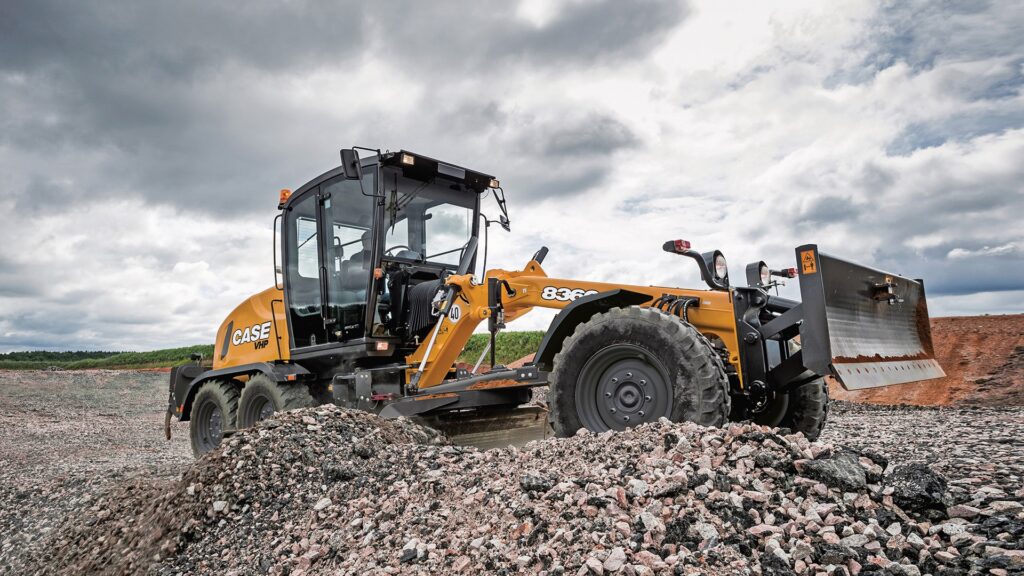
Dozers and motor graders are two of the most common pieces of construction equipment on a heavy construction site, and they get mixed up more than most equipment pairings, since both carry a large blade and move earth. This comparison covers blade design, ground conditions and hire cost to help you understand the differences between a dozer and a motor grader, so you can pick the machine that fits the job, whether that’s clearing a site or grading it to finish.
Types of Dozer Blades: Choosing the Right Bulldozer Blade
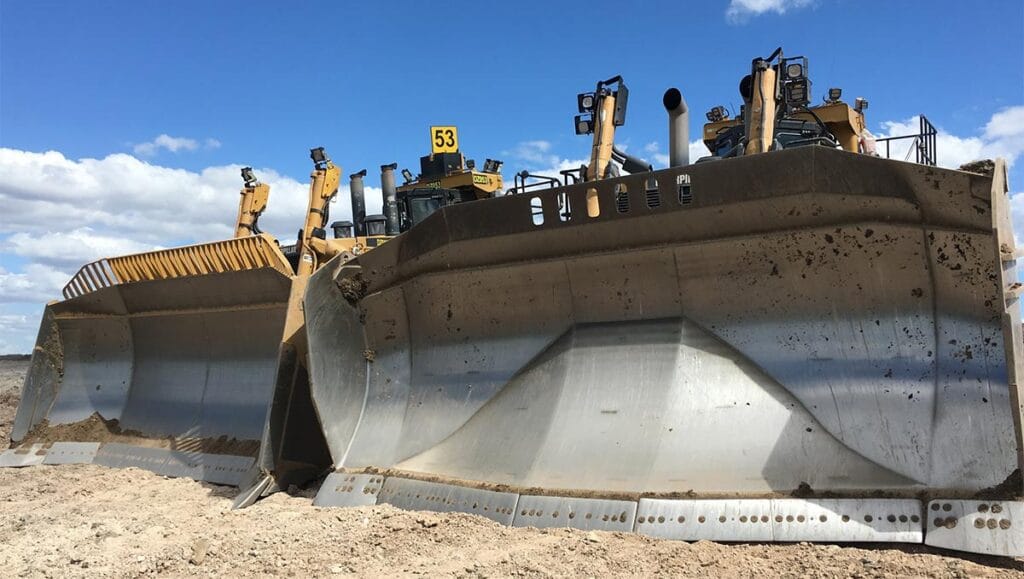
A bulldozer blade is the flat, curved plate mounted to the front of a dozer, used to push, cut and grade material across construction and excavation sites. It’s one of several bulldozer parts that work alongside the undercarriage and hydraulics. The blade attaches to the dozer’s push arms, which is what lets the hydraulics raise, lower and angle it as it contacts the ground and the material. It’s also one of the specs Quotor lists on every dozer listing, alongside the machine’s class and reach. For background on the machine itself, see our guide to what a dozer is.
Skid Steer vs Bulldozer: Which Machine is Right For Your Project?
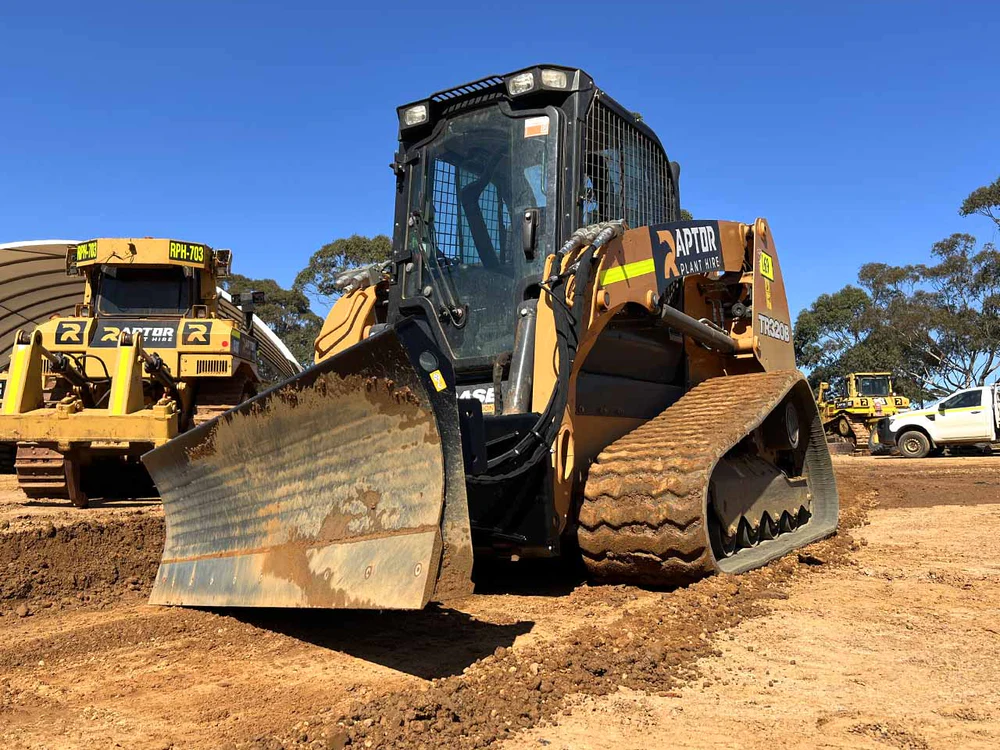
Skid steer or bulldozer is one of the first calls a contractor makes on almost any earthmoving job, because the two machines solve overlapping problems in very different ways. A skid steer loader is compact, quick to manoeuvre and built around attachments for material handling and light grading in tight spaces. A bulldozer trades that agility for raw pushing power, moving large amounts of earth and clearing ground a skid steer simply can’t push through. Picking whichever is better for your construction needs starts with understanding the key differences between skid steers and bulldozers, not just comparing their size.
How to Become a Dozer Operator: Training and Bulldozer Ticket Requirements
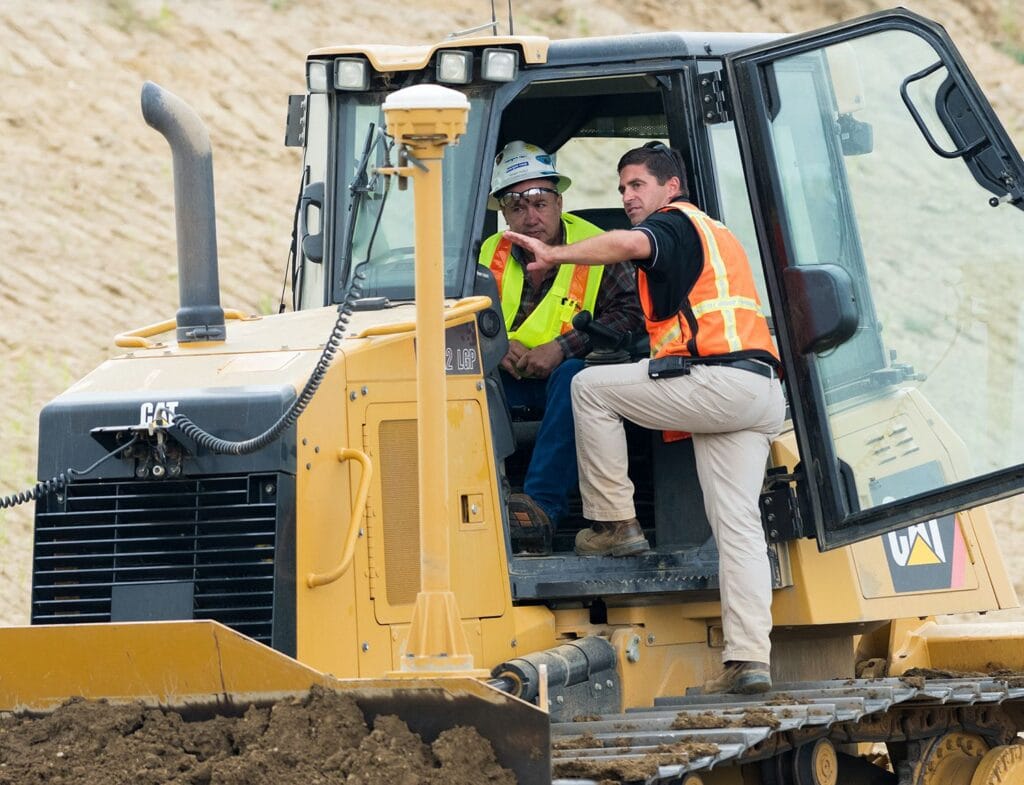
Operating a dozer, also known as a bulldozer, means planning and carrying out earthmoving work: pushing, spreading and levelling material to a survey grade using the machine’s blade and, on some jobs, a rear ripper. If you’re weighing this up as a career, the practical question isn’t really “do I need a licence,” it’s “what does this specific machine actually require, and how do I get it.” Quotor’s dozer explainer covers what separates a dozer from other earthmoving plant if you need that grounding first.
What is a Dozer? Understanding Bulldozer Types and Uses in Construction Projects
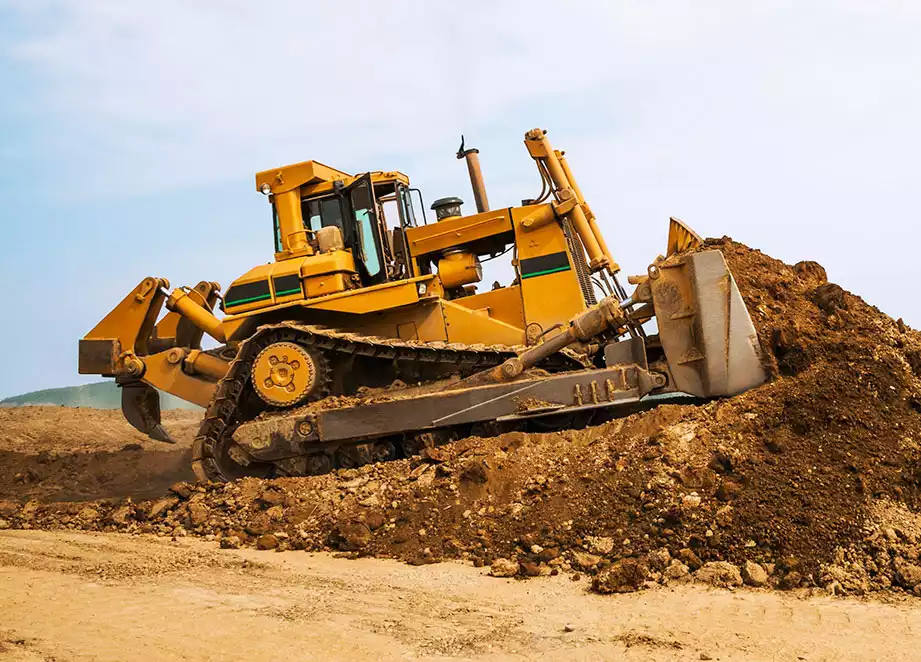
A bulldozer, or dozer, is a heavy tracked or wheeled machine built around one job: pushing material with a large front-mounted blade rather than digging or lifting it. Unlike a bucket on an excavator, the blade doesn’t come off; it’s fixed to the machine, hydraulically raised, lowered and angled from the cab. That’s the line separating a bulldozer from every other earthmoving category on Quotor’s bulldozer equipment page. Bulldozers run on either steel tracks or rubber tyres, and both versions sit inside the same equipment category, split by undercarriage rather than by what the machine does.
How to Operate a Bulldozer: Step-by-step Guide
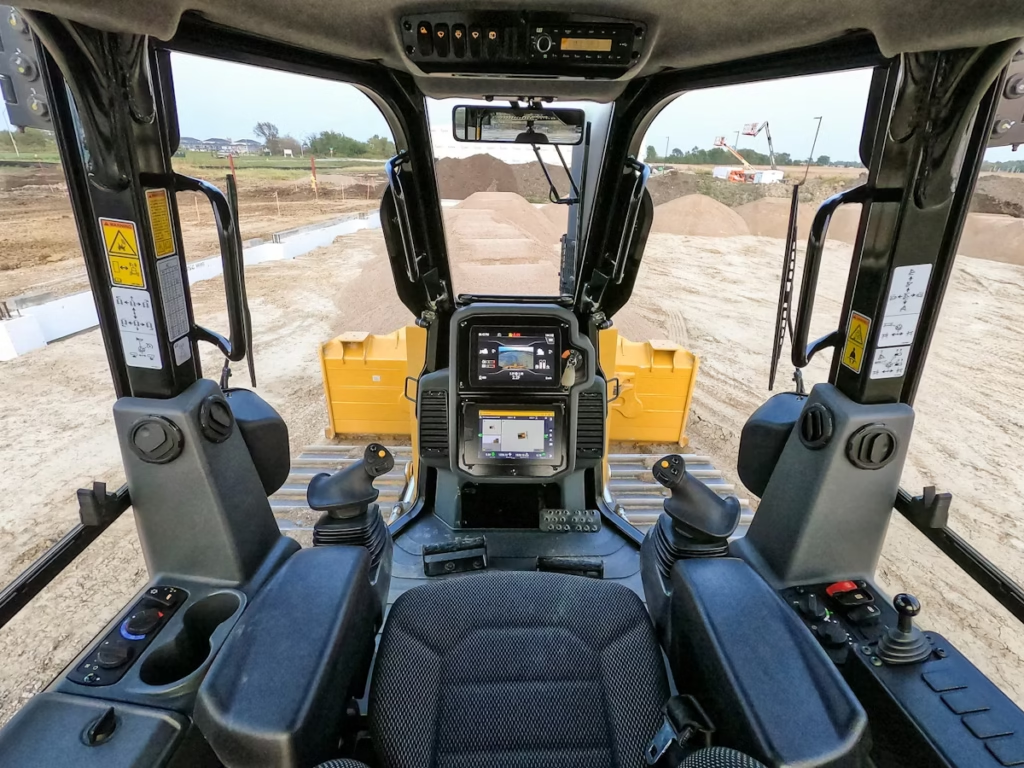
A bulldozer is a tracked machine built around a front-mounted blade that pushes, cuts and shifts material, usually paired with a rear ripper for breaking up hard ground. For a full breakdown of how the machine is built, see what a dozer is and how it works. This guide covers what you need to learn how to operate a bulldozer safely: the controls, pre-start checks and technique.
Dozer vs Track Loader (Crawler Loader): Which is Best?
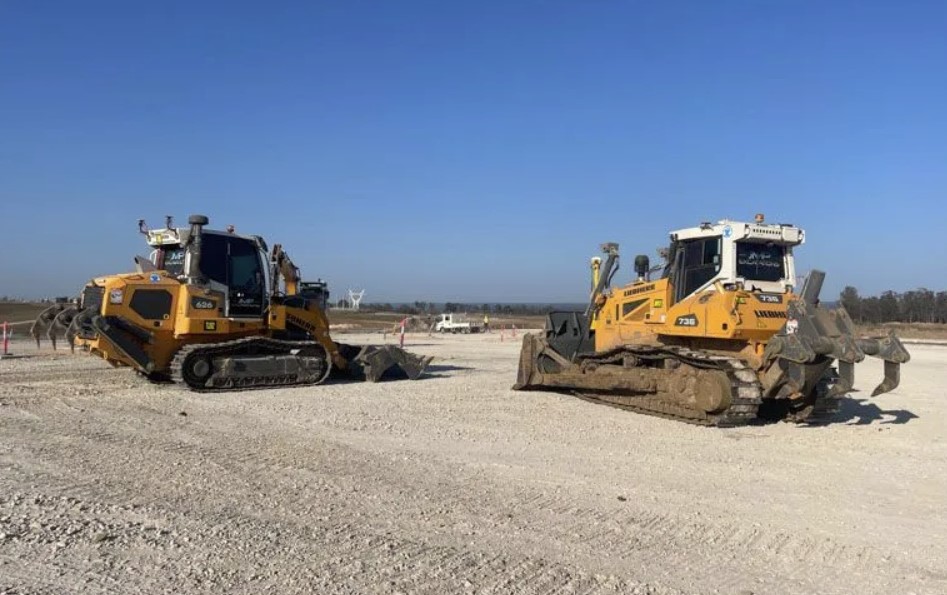
A dozer and a track loader are both tracked machines built for earthmoving, but they move material in opposite ways. One uses a flat blade to push material across the ground; the other lifts material into a bucket and carries it to where it’s needed. For many contractors, the track loader vs dozer question comes down to that single distinction, pushing versus loading, and Quotor’s earthmoving equipment listings group both machine types under it.
Main Differences Between Track and Wheel Dozers
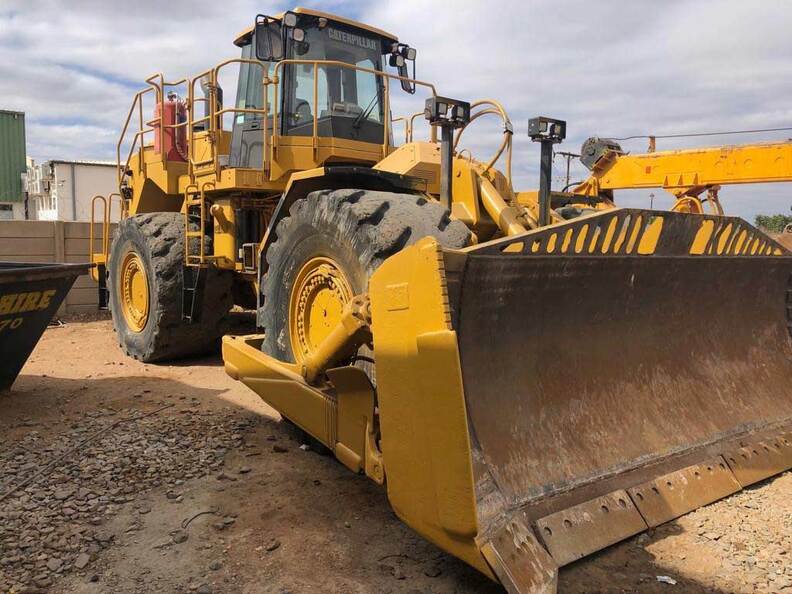
Track dozers and wheel dozers are two of the most common types of heavy equipment on an earthmoving site, doing the same basic job with a front-mounted blade that pushes, spreads and levels material, but the undercarriage underneath changes what each machine does well. A track dozer runs on steel tracks that spread its weight across a long, continuous footprint, giving it strong traction on soft, loose or uneven ground. A wheel dozer runs on large rubber tyres, trading some of that grip for higher travel speed and easier movement across firm ground. Quotor’s guide to what a dozer is covers the basics of how the machine works before getting into how the two undercarriages compare. That single difference between tracks and wheels shapes almost everything else that separates a track dozer from a wheel dozer.
Bulldozer vs Wheel Loader: What You Need to Know
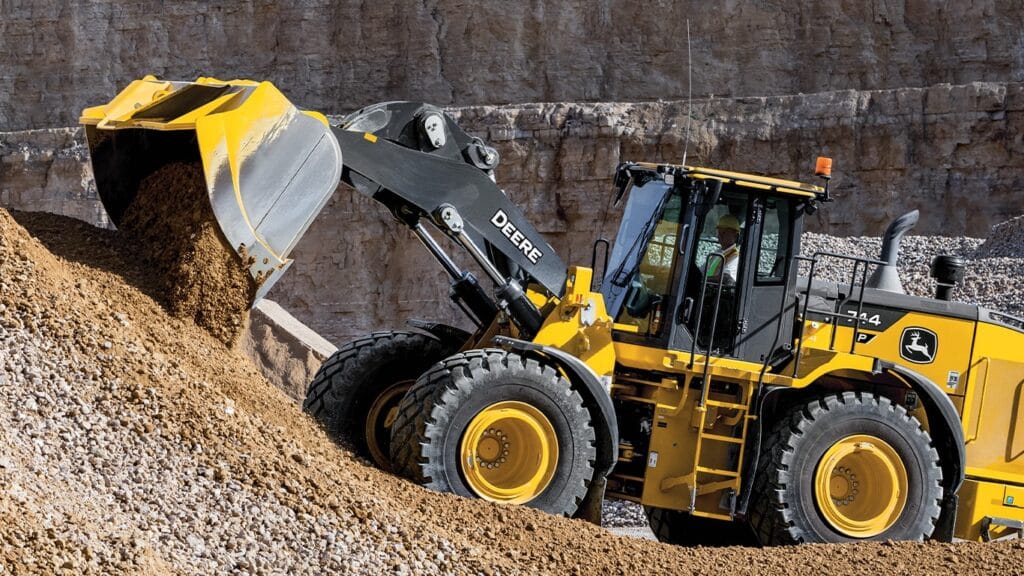
Bulldozers and wheel loaders are two of the most common types of heavy equipment on an Australian job site, and deciding between them starts with how each one moves material. A bulldozer pushes material with a blade mounted at the front of the machine, using its tracks for grip and its weight for pushing power. A wheel loader lifts material in a front-mounted bucket, then carries or dumps it elsewhere, work a blade can’t do. Neither machine digs below its own standing surface the way an excavator does; both work at or above grade. That’s the split behind most of the differences between bulldozers and wheel loaders covered on this page: one machine moves material along the ground, the other lifts and carries it. Both sit within the broader category of earthmoving equipment, but they’re built for different halves of the job, and Quotor lists hire options for both across Australia.
Dozer vs Excavator: Choosing the Right Machine for Your Construction Project
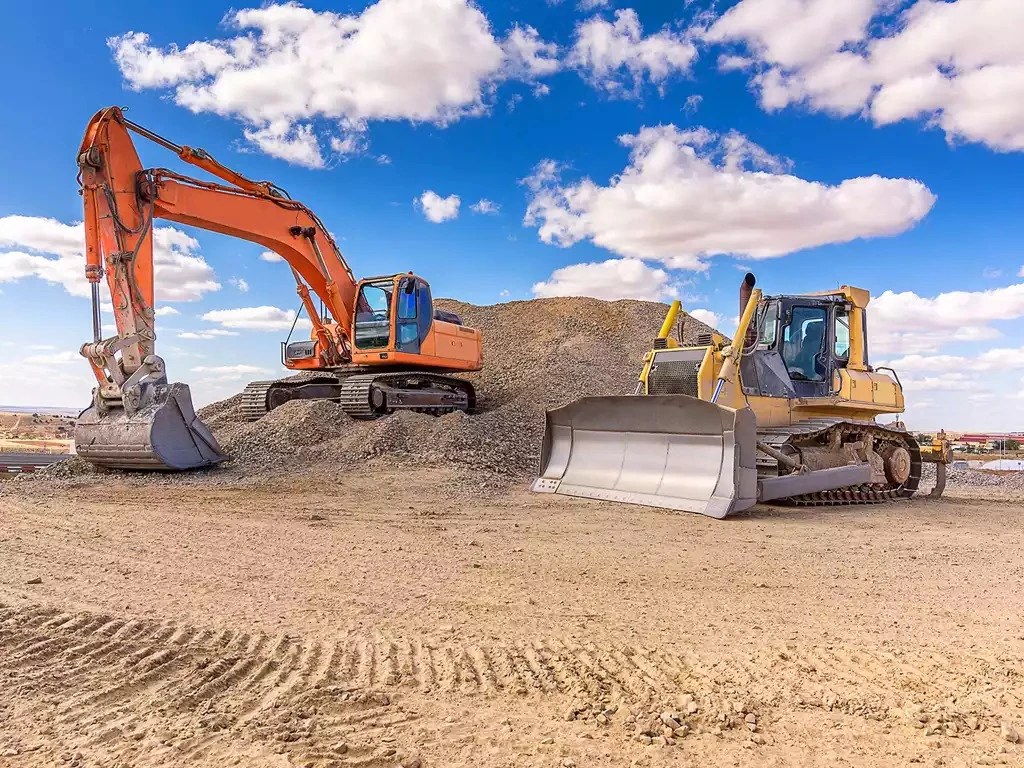
A bulldozer and an excavator are two types of heavy equipment, and how each one works on construction sites comes down to how it moves material. A bulldozer uses a flat blade on the front of the machine to push soil, rubble, and debris across the ground rather than lifting it. An excavator works the opposite way: its boom, arm, and bucket dig down, lift material, and swing it to a truck or a spoil pile. A backhoe loader combines a small front bucket with a rear digging arm but doesn’t replace either machine on a bigger job. Both are heavy machinery Quotor lists for hire, and matching machines to the right stage of a project is really a question of managing equipment across the job: that distinction between pushing and digging drives most of the key differences below.
Dozer vs Backhoe: Picking the Right Machine for the Job
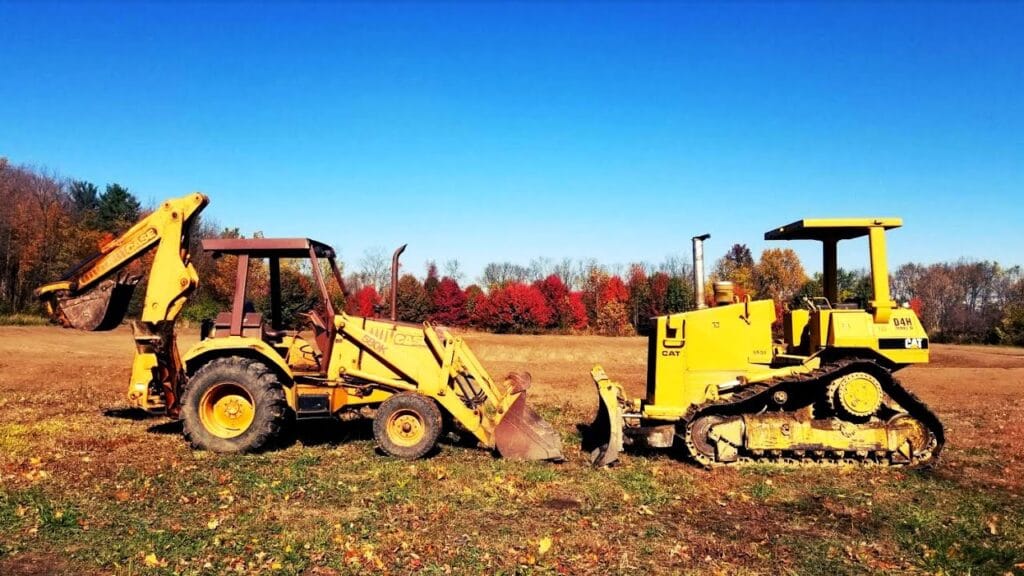
A bulldozer pushes; a backhoe loader digs. A bulldozer runs on tracks with a heavy blade at the front, built for shifting, spreading and levelling material. A backhoe loader carries a front bucket for loading and a rear arm for trenching and excavation, closer to a wheel loader and an excavator combined into one chassis. Bulldozers handle bulk earthmoving and large-scale grading; backhoe loaders handle digging, material handling and smaller jobs a full-size excavator would be overkill for.