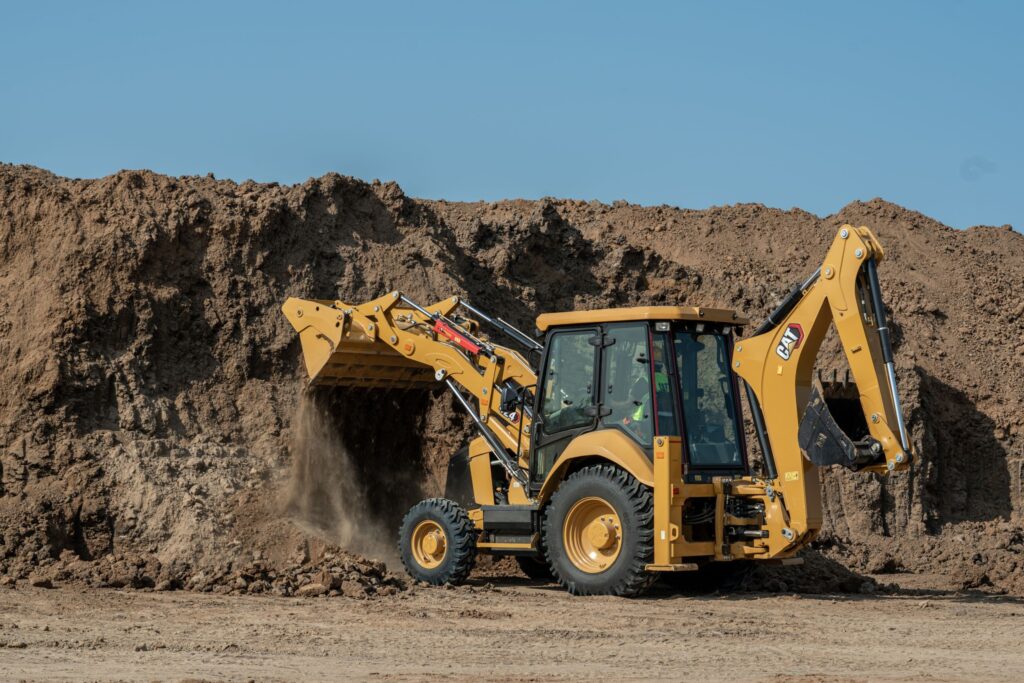
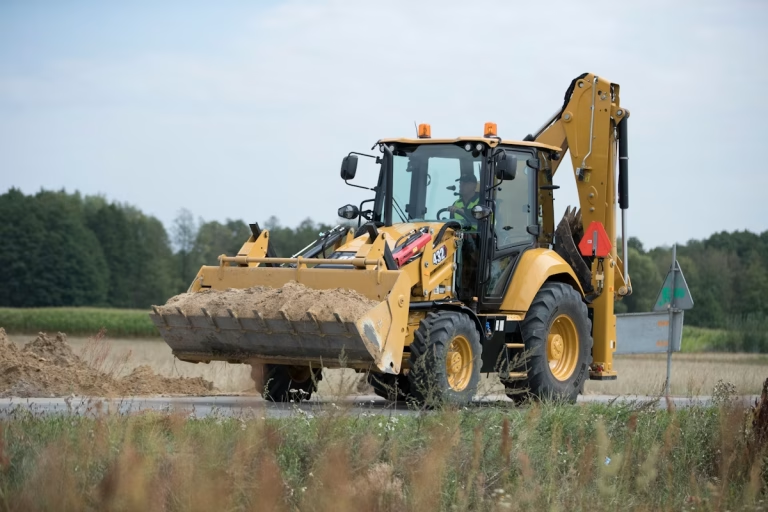
Backhoe loaders are the real MVPs of the construction site – you can find them all over the world just getting the job done. They’re a machine that can pretty much do it all – from digging trenches and holes to moving around big loads of heavy stuff. Anyone who works on a construction or farm site really needs to know their stuff when it comes to the parts of a backhoe to get the best out of these incredibly versatile machines.
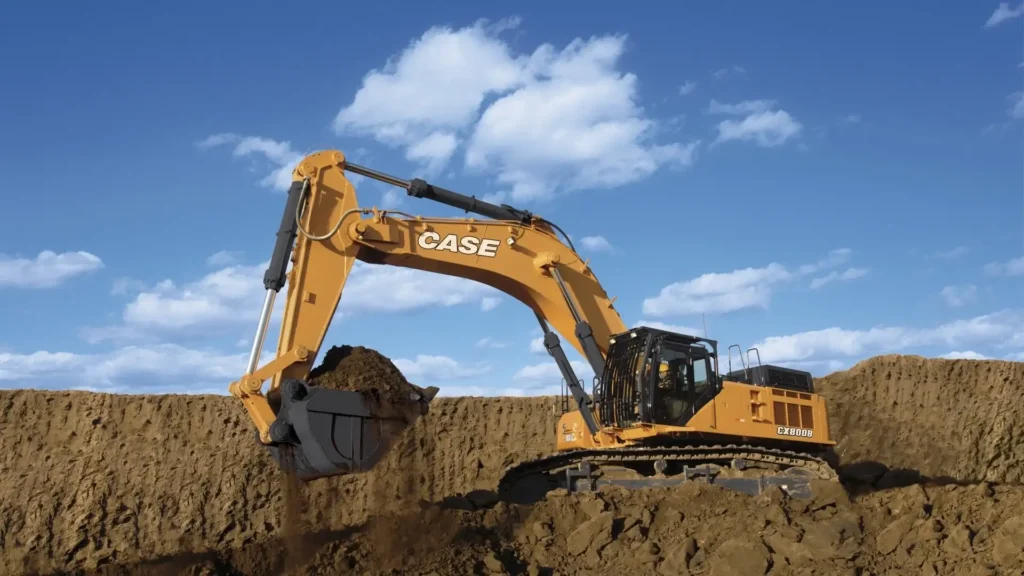
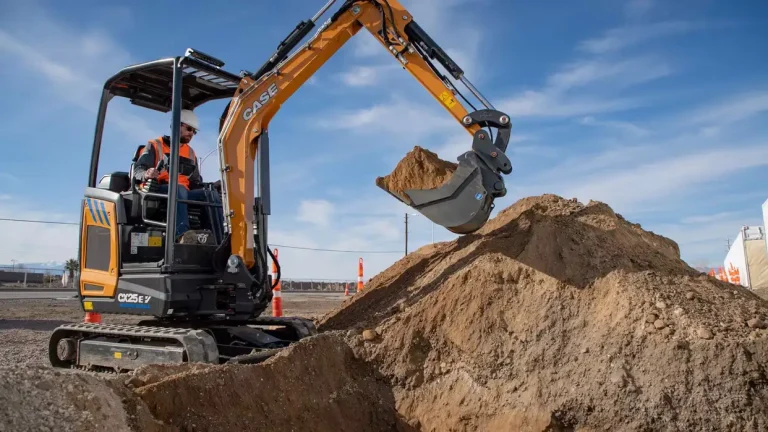
Excavators are the workhorses of the construction industry – used to dig, move earth and generally get the job done. But to get the most out of one of these machines, you need to understand how all the bits fit together. Knowing the main parts of an excavator and what they do is essential if you want to use one efficiently, keep it in good nick and stay safe on the job site. So, let’s take a closer look at the key components of an excavator and their roles.
Figuring out the right excavator bucket for the job is super important for making the most of your excavator. You see, excavators come with a whole bunch of different buckets – each one designed to handle specific tasks and materials. Knowing your way around the different types of buckets, and what makes each one tick, is essential for any construction, demolition, or landscaping project you might be working on.
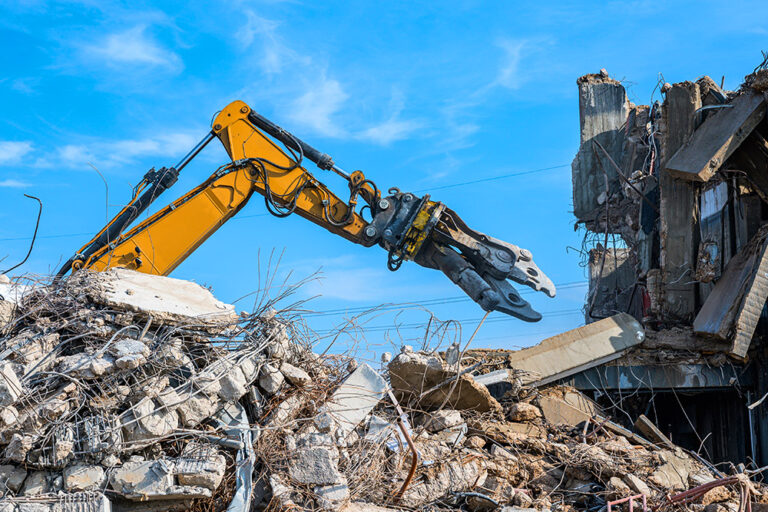
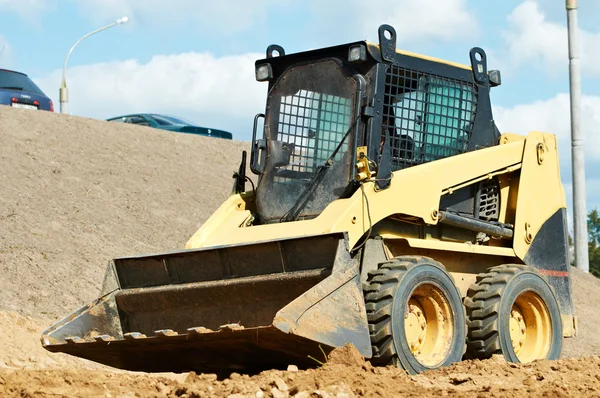
Backhoe attachments unlock the true potential of a backhoe loader, turning it from a one-trick pony into a jack-of-all-trades on the job site, much like a skid steer. With the right attachment, you can get so much more done with less hassle and fewer machines rolling around. Whether you’re digging trenches, breaking up concrete or laying asphalt, the right attachment can make all the difference – cutting down on the time it takes to get the job done and the number of machines you need to call in.
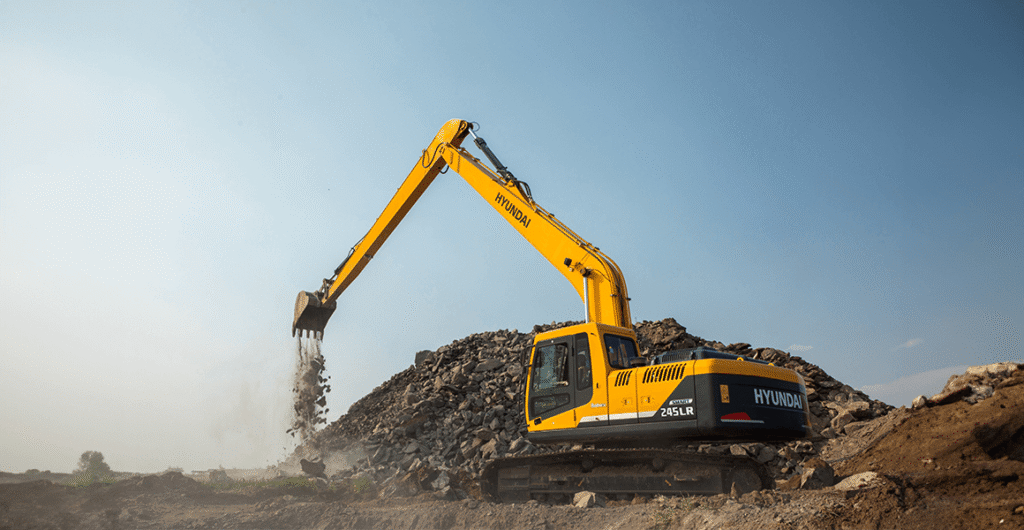
Long reach excavators are a class of heavy machinery that’s been designed to take on excavation projects which demand a lot of reach and precision. Understanding what they can do and the attachments they’ve got is going to make a big difference for contractors looking to get work done faster and safer on site.
A grader, more commonly referred to as a motor grader or road grader, is a crucial piece of equipment that gets used all the time in the construction industry and in civil engineering projects. If you’re involved in any sort of road construction, heavy construction or commercial construction, you’re going to need to get familiar with motor graders. They’re a lifesaver on the job site, capable of performing a whole bunch of different tasks – from smoothing out a surface to finishing grading and even snow removal. Graders are put to use in all sorts of applications.
Heavy equipment scrapers are absolute game-changers when it comes to streamlining earthmoving tasks on job sites. Go from construction to mining operations – these machines are used to haul off dirt and other materials in no time. So lets take a closer look at what a scraper is, its parts and the benefits.
Starting a construction project is a bit like a puzzle – you need all the right pieces to fall into place – and one of the key pieces is soil compaction. Without good compaction, your whole project can be at risk. Whether you’re building a road, a foundation or anything in between, you need to know that the ground is stable and will support whatever you’re building. Getting the right type of compaction roller is a big part of that – choosing the wrong one can actually make things worse. So here’s a rundown of 6 types of rollers that are commonly used in construction projects – it should give you a good idea what to look for when it comes to choosing the right compactor for your needs.
The combination roller stands out as a bit of a superstar in the construction industry, particularly for asphalt paving projects. This nifty machine combines the best bits of different types of rollers into one, giving you a comprehensive solution for asphalt compaction – and that’s just the start of it. It’s been designed to make your job a lot easier and save you some serious cash on the site, which is just what you need when you’re working on a major road construction or repair project in Australia’s busy transportation infrastructure.
Trench rollers – also known as trench compactors – are pretty specialized construction machines that get to work compacting soil in tight, cramped spaces. Now, these remote-controlled machines are downright essential for making sure soil is all compacted and happy in trenches, especially when you’re talking about big-ticket projects in Australia where stability and foundation integrity are right at the top of the to-do list. If you want to get a handle on what makes trench rollers tick, well then understanding their purpose and features is pretty much a no-brainer.
Multi tyre rollers are an essential bit of kit that get used all over the place on construction sites. So if you want to know more about these things, then you’ve definitely come to the right place. In this article, we’ll be going into everything you need to know about multi tyre rollers – what makes them tick, how they work, and how they compare to other types of rollers. By the end of this piece, you should have a pretty good idea of why pneumatic rollers are generally such a staple of the construction industry.
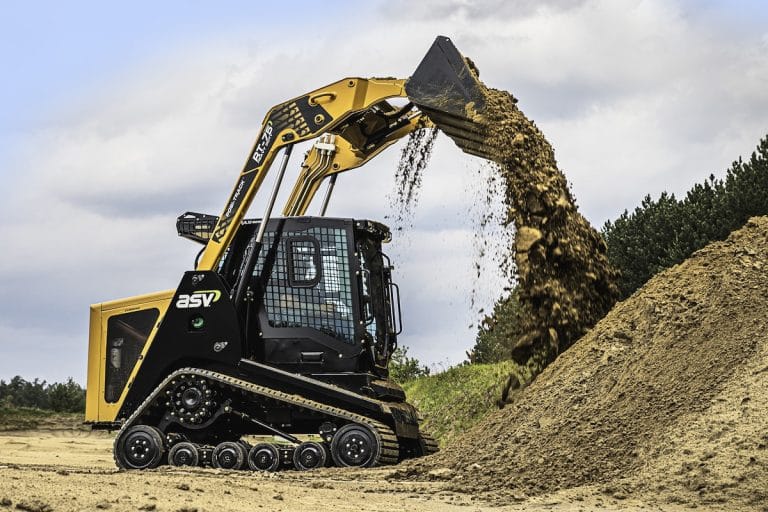
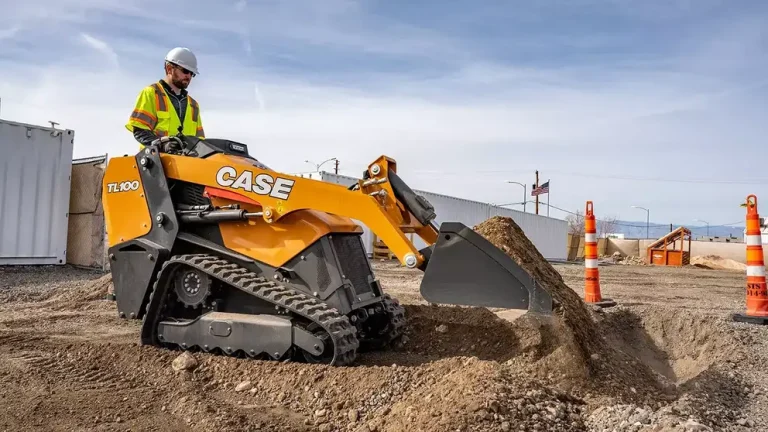
Skid steers and compact track loaders are incredibly versatile machines – capable of tackling all sorts of tasks across a wide range of industries. The secret to their success lies in the huge variety of skid steer attachments out there, which allow you to turn these basic loaders into real workhorses. This guide is a comprehensive look at the different types of skid steer attachments out there – looking at what they do, the benefits they bring and where they can be used. Whether you work in construction, landscaping, agriculture or snow removal, knowing your skid steer attachments inside out is the key to getting the most out of your skid steer or compact track loader.