
Backhoe Loader Brands: Leading Manufacturers and How to Choose
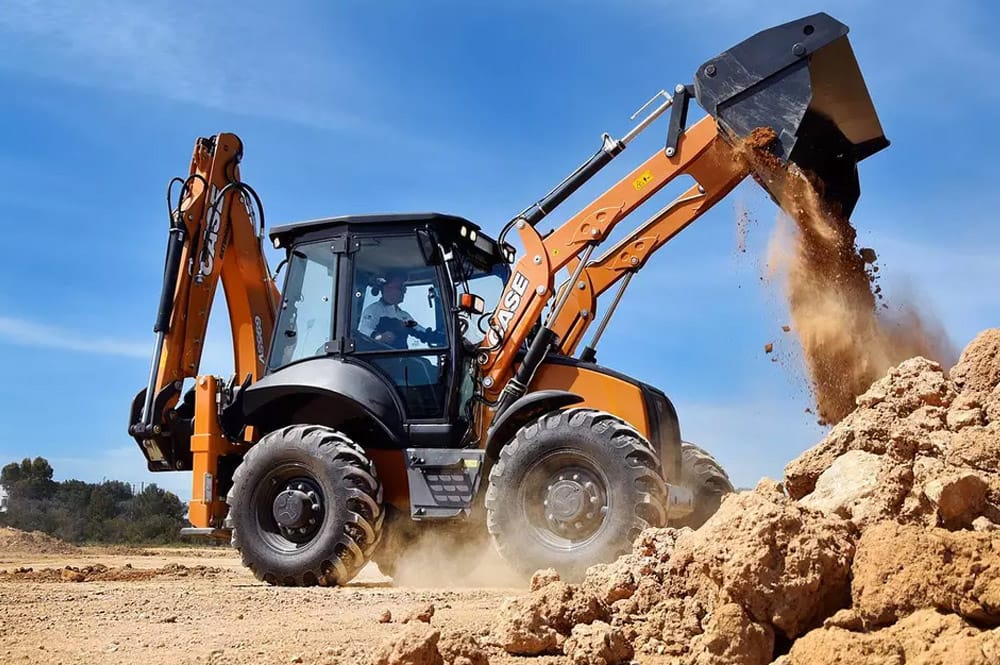
A backhoe loader is one of the most recognisable pieces of construction machinery, combining a front loader bucket and a rear excavator arm on one wheeled chassis so a single operator can handle digging and loading without swapping machines. That versatility keeps backhoe loaders in demand on sites of every size. For the full breakdown of how it works, see what is a backhoe loader. Backhoe loaders are still widely used in the global construction industry for urban construction and small and medium-sized projects, alongside utility trenching. Browse Quotor’s current backhoe loader listings to see what’s available.
Parts of a Backhoe Loader: Ensure Optimal Performance
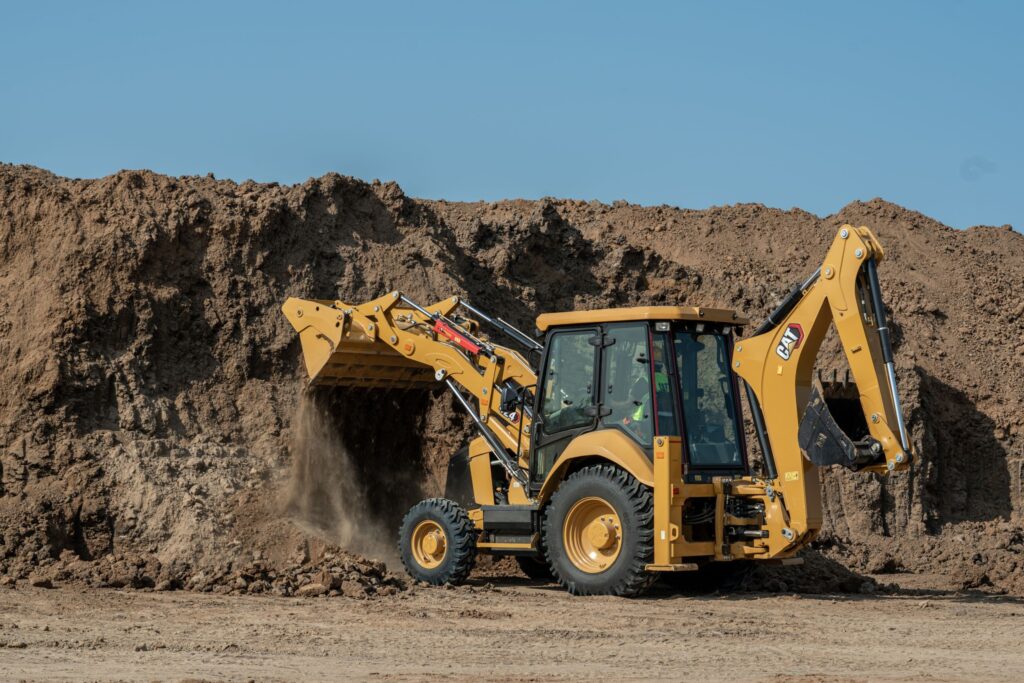
As the name implies, a backhoe loader combines two machines in one: a front loader and a rear backhoe, mounted on a single tractor-style chassis. It’s a piece of construction equipment useful for agricultural, utility and construction site work alike, built to switch between loading, carrying and digging without swapping machines. See what a backhoe loader is and how it fits within earthmoving equipment. Quotor lists backhoe loaders in its backhoe loader category for hirers comparing machines by size.
Types of Backhoe Attachments: Best Attachments to Use
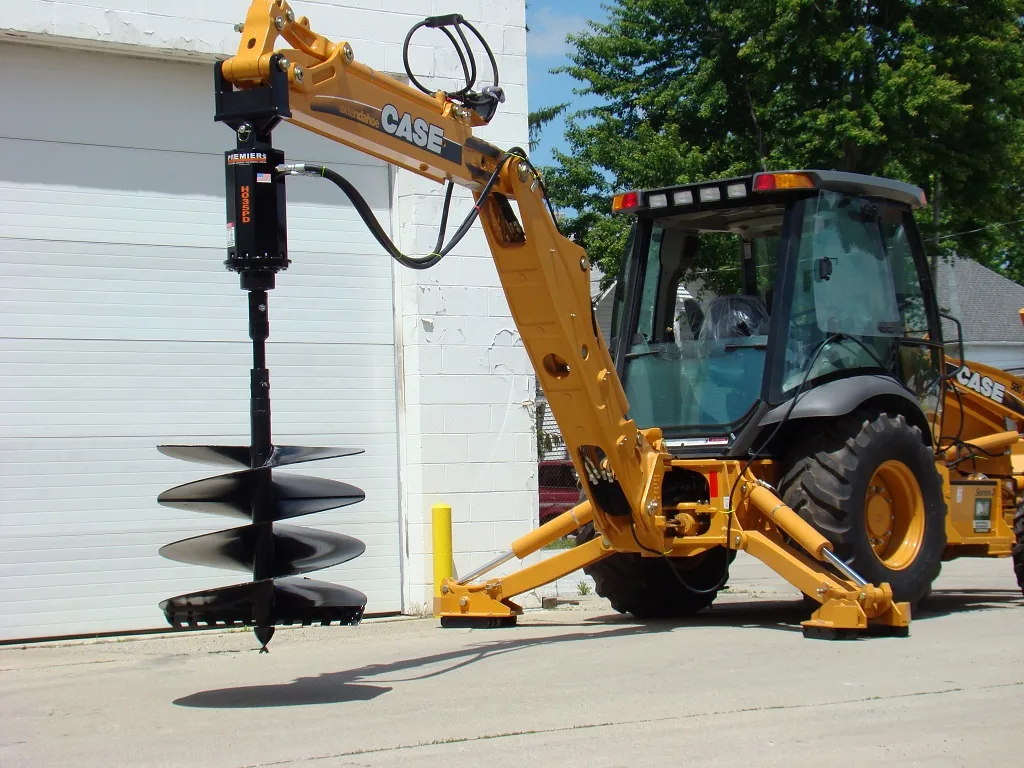
A backhoe loader combines a front loading bucket with a rear digging arm on one wheeled chassis, letting one operator load material at one end and excavate at the other. For the full breakdown of how it’s built and controlled, see Quotor’s guide to what a backhoe loader is.
How to Safely Operate a Backhoe Loader
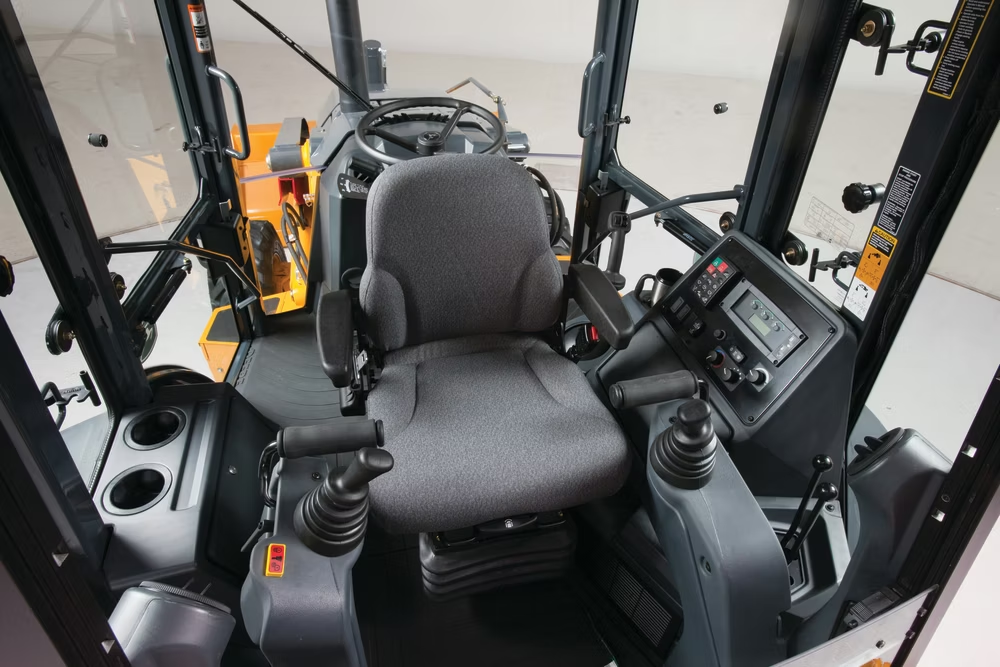
A backhoe loader is one of the most recognisable machines on an Australian job site, a loader bucket on the front and a digging arm folded up behind the cab. It’s also one of the more common types of earthmoving equipment hired for utility, landscape and general construction work. Learning to operate a backhoe loader safely means getting comfortable with two separate control sets on the one machine. This step-by-step guide covers the basics of operating a backhoe loader, from the controls and pre-start checks through to loading, digging and backfilling, along with a few essential safety tips worth carrying into every shift.
Backhoe Loader vs Wheel Loader: Key Differences

Backhoes and wheel loaders are both wheeled machines built around a front bucket, which is why they’re often mixed up on a hire list. The similarity ends there. A backhoe loader adds a rear digging arm to that setup, so it can excavate as well as load. A wheel loader has no digging arm at all; everything it does happens through the bucket on the front. That single design choice decides which jobs each machine suits. Both sit within the broader family of earthmoving equipment used across Australian construction sites, the kind of gear Quotor lists across hire companies nationwide.
Skid Steer vs Backhoe Loader: Choosing the Right Construction Equipment for Your Job
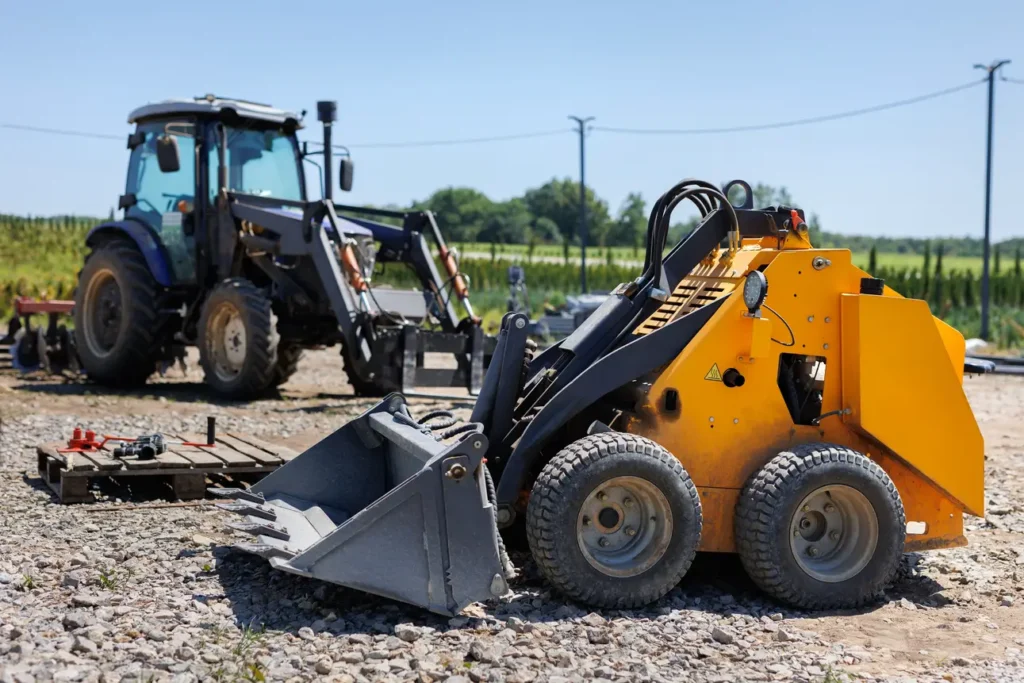
A skid steer and a backhoe loader are both heavy-duty construction equipment, but they solve site work in different ways. A skid steer is a compact loader built around attachments: swap the bucket for forks, an auger or a trencher and it takes on a different task. A backhoe loader puts two machines on one chassis, a front loader bucket for material handling and a rear digging arm for excavation, so one hire covers both loading and digging without a second machine on site. Choosing between a backhoe loader and a skid steer for a construction project usually comes down to whether the job needs manoeuvrability and attachment versatility, or digging depth built into a single unit, and the sections below help you choose the right machine.
Dozer vs Backhoe: Picking the Right Machine for the Job
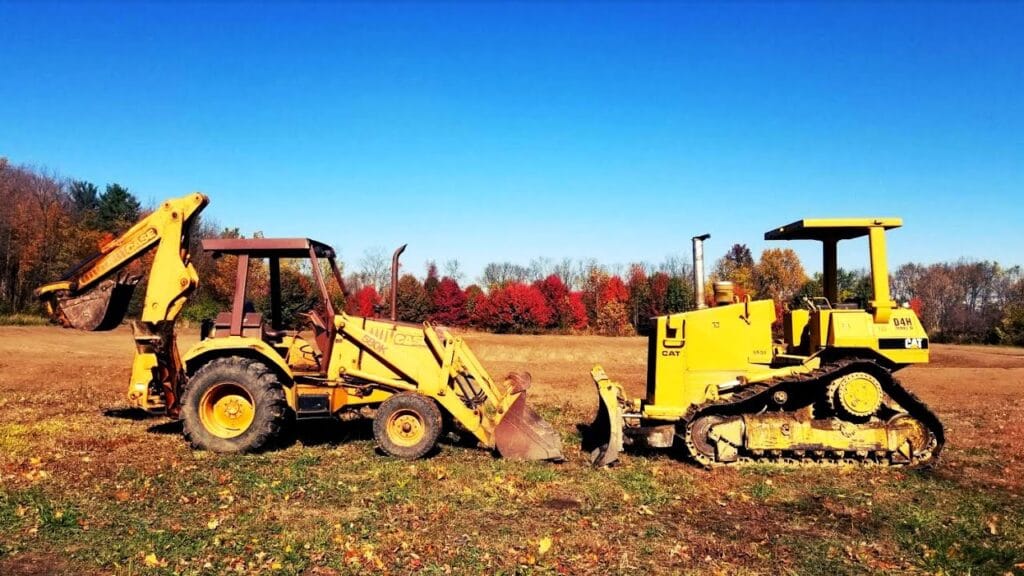
A bulldozer pushes; a backhoe loader digs. A bulldozer runs on tracks with a heavy blade at the front, built for shifting, spreading and levelling material. A backhoe loader carries a front bucket for loading and a rear arm for trenching and excavation, closer to a wheel loader and an excavator combined into one chassis. Bulldozers handle bulk earthmoving and large-scale grading; backhoe loaders handle digging, material handling and smaller jobs a full-size excavator would be overkill for.
Excavator vs Backhoe Loader: Choose the Right Machine

An excavator is a purpose-built digger. A backhoe digs and loads. That single fact explains most of what separates them, and it’s worth sorting out before comparing anything else. An excavator is built around a 360-degree rotating upper structure with a boom, arm and bucket, giving it continuous working reach around the machine without repositioning the undercarriage. Nothing else on the chassis competes for that space. A backhoe splits the job across two ends of the same wheeled frame, a front bucket for shifting material and a rear arm for trenching. Whether the job needs an excavator’s reach or a backhoe’s everyday flexibility usually depends on the site.
Backhoe Loader: What is a Backhoe? Uses and Benefits
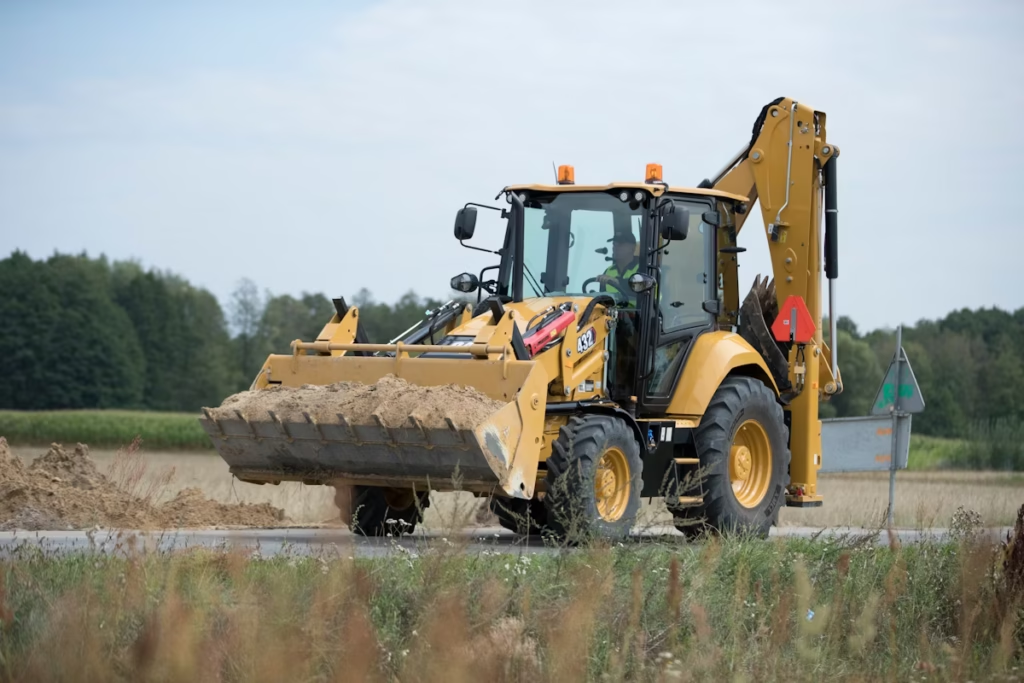
JCB built the first backhoe in 1953, and the machine remains one of the most recognisable pieces of heavy equipment on an Australian construction site, and one of the most versatile for small to medium earthmoving jobs. It combines two machines in one. Quotor lists it within its loaders category. This guide covers how it works, what it can be fitted with, where it is used, and what to weigh up before hiring one.