
Types of Wheel Loader Attachments: A Complete Guide
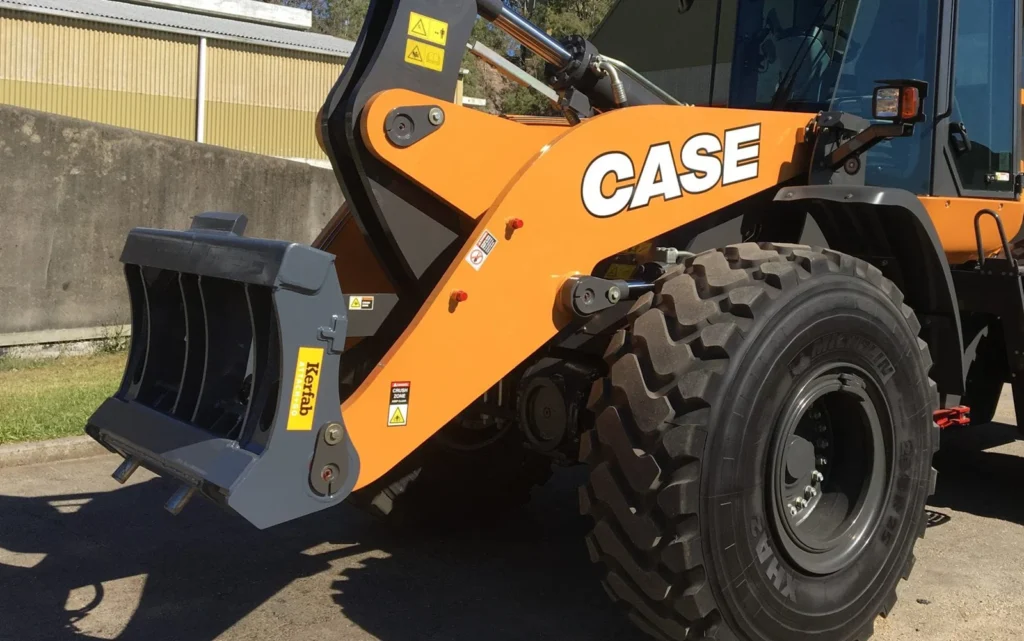
Attachments for wheel loaders mount onto the machine’s lift arms in place of, or alongside, the standard bucket, changing what the loader can pick up, carry or process without changing the loader itself. Quotor’s guide to what a wheel loader is covers how the base machine works; this piece focuses on what’s available, what each attachment is built for, and which one suits the job.
Skid Steer vs Compact Wheel Loader: Choosing the Right Equipment
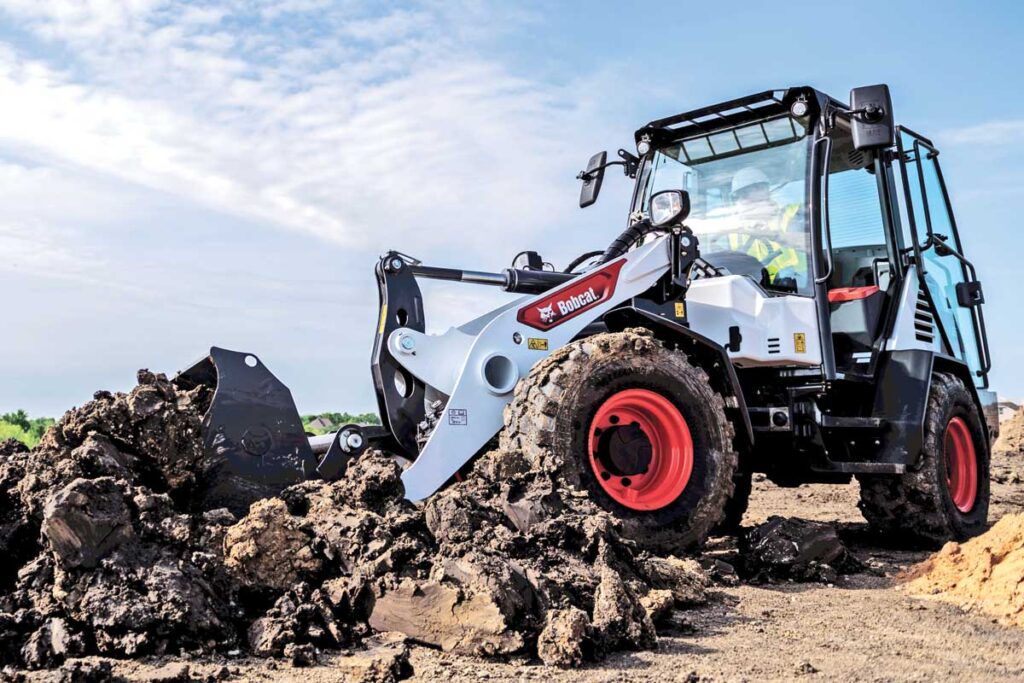
A skid steer and a wheel loader both move material across a construction site, but they get the job done in different ways. Both are compact loaders built for tight sites, yet a skid steer uses a compact frame with a quick-hitch coupler to scoop, carry and place material in short, repeated cycles, while a wheel loader relies on a larger front bucket and loader arm to shift bigger volumes in fewer passes. That difference shapes almost everything else that separates the two, including size, tooling and hire cost. Quotor’s loader hire range covers both machine types side by side.
Backhoe Loader vs Wheel Loader: Key Differences

Backhoes and wheel loaders are both wheeled machines built around a front bucket, which is why they’re often mixed up on a hire list. The similarity ends there. A backhoe loader adds a rear digging arm to that setup, so it can excavate as well as load. A wheel loader has no digging arm at all; everything it does happens through the bucket on the front. That single design choice decides which jobs each machine suits. Both sit within the broader family of earthmoving equipment used across Australian construction sites, the kind of gear Quotor lists across hire companies nationwide.
Operations with Integrated Tool Carrier vs Wheel Loader
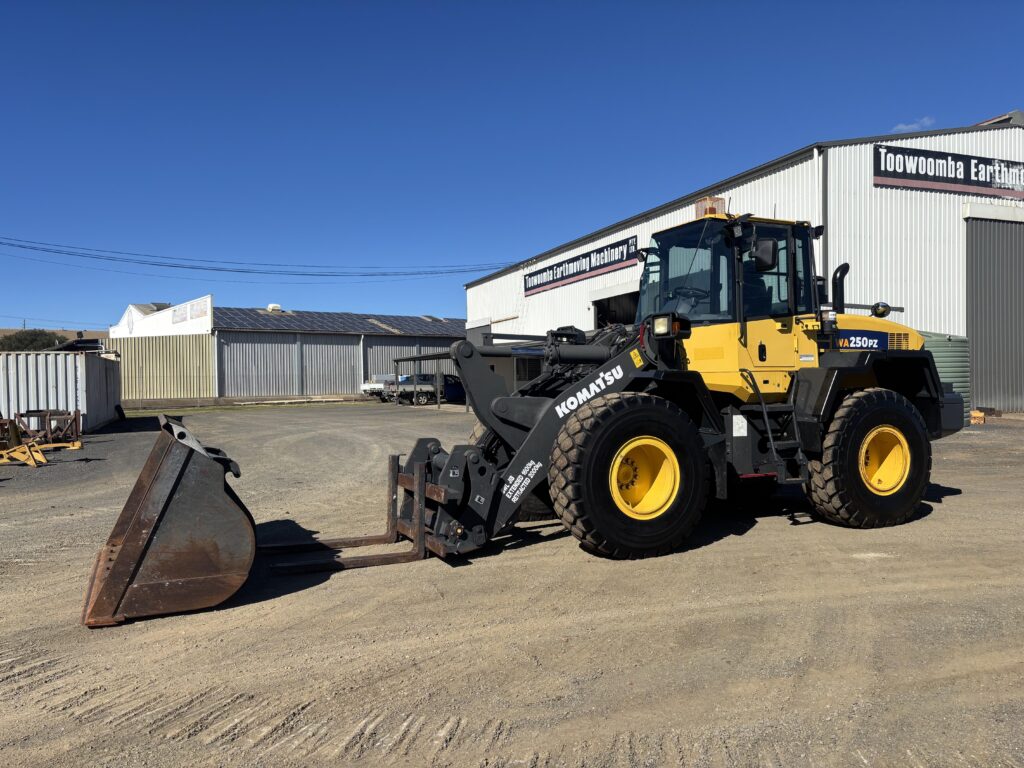
Both are loaders, but each is purpose-built for different work in the earthmoving industry. An integrated tool carrier is a flexible, versatile machine, while a production-focused option works differently. Configuration, not size or the label, decides most of what separates the two in daily operation.
Bulldozer vs Wheel Loader: What You Need to Know
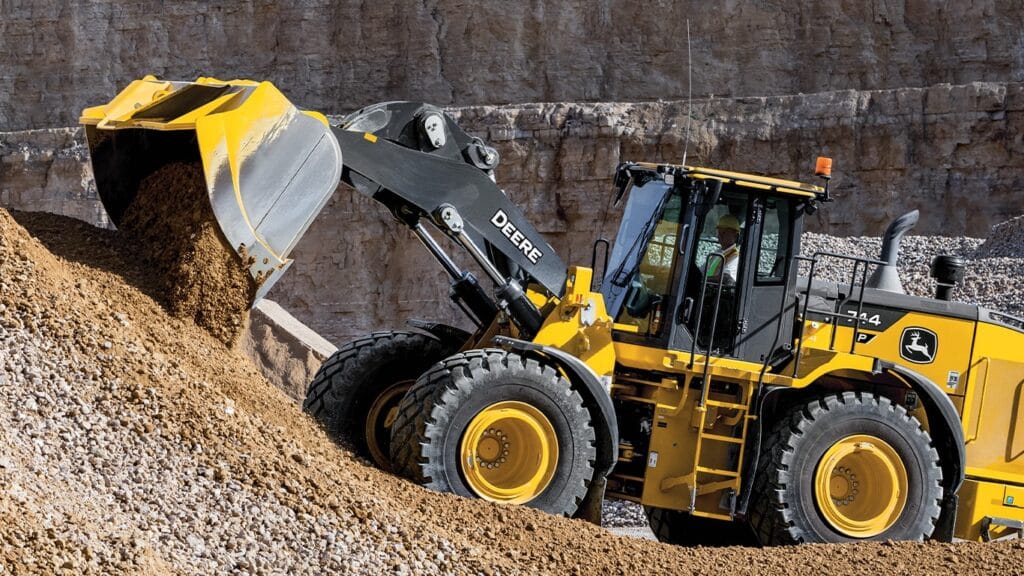
Bulldozers and wheel loaders are two of the most common types of heavy equipment on an Australian job site, and deciding between them starts with how each one moves material. A bulldozer pushes material with a blade mounted at the front of the machine, using its tracks for grip and its weight for pushing power. A wheel loader lifts material in a front-mounted bucket, then carries or dumps it elsewhere, work a blade can’t do. Neither machine digs below its own standing surface the way an excavator does; both work at or above grade. That’s the split behind most of the differences between bulldozers and wheel loaders covered on this page: one machine moves material along the ground, the other lifts and carries it. Both sit within the broader category of earthmoving equipment, but they’re built for different halves of the job, and Quotor lists hire options for both across Australia.
What Is a Wheel Loader? Types, Attachments and Uses
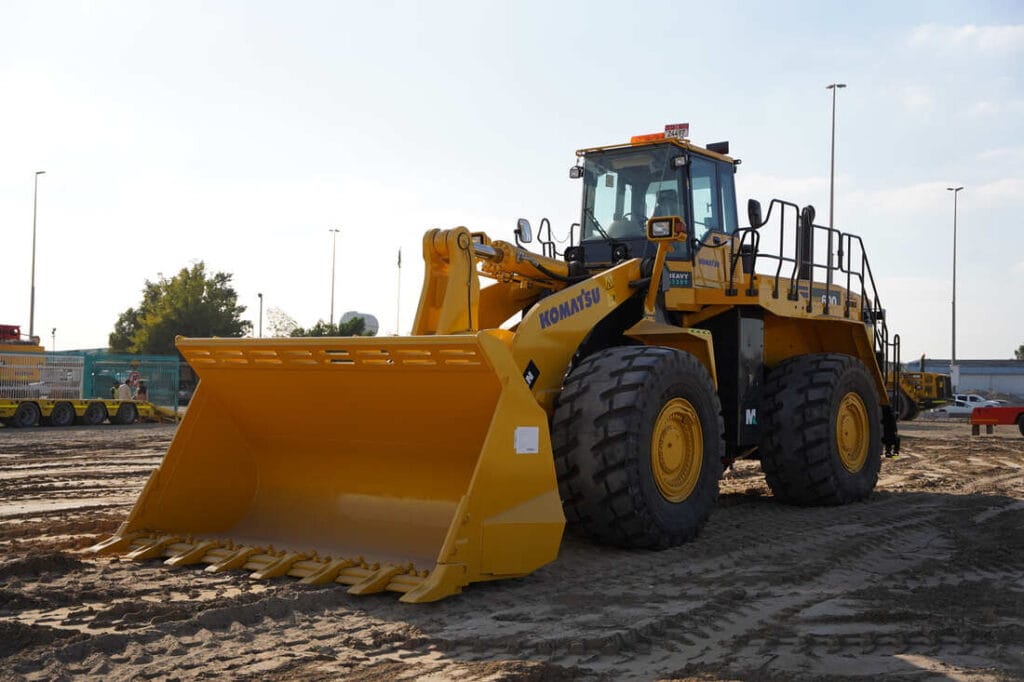
Wheel loaders, sometimes called front loaders or bucket loaders, are wheeled machines built around a front-mounted bucket, used primarily to scoop, lift, carry and load material rather than perform deep excavation. They sit within Quotor’s broader loader category alongside skid steers and compact track loaders, but their size and reach set them apart: a wheel loader can carry a larger load higher and further than most compact loaders, which is why it does the heavy lifting on quarry faces, stockpiles and large construction sites. Quotor’s guide to earthmoving equipment covers where loaders sit within that wider category.