
What Is a Compaction Roller? Static vs Vibratory, Single vs Double Drum Rollers
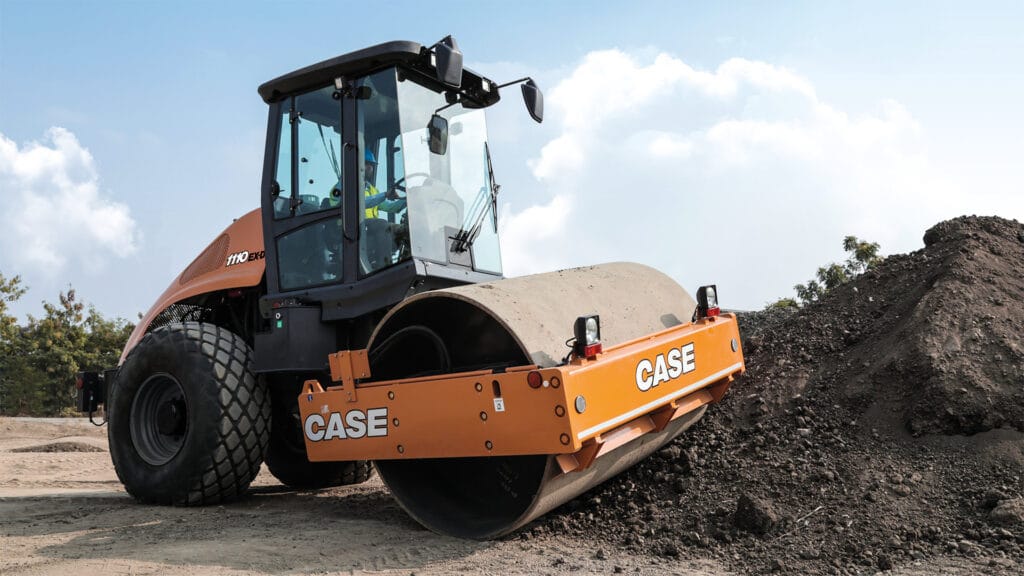
A compaction roller is a common sight on Australian construction sites, using weight and often vibration to press soil, gravel and asphalt into a dense, stable base before building continues. Quotor’s guide to compaction rollers spans from compact trench units to heavy three-point road rollers, and picking the right one starts with knowing how each works.
9 Types of Compaction Rollers Used in Construction
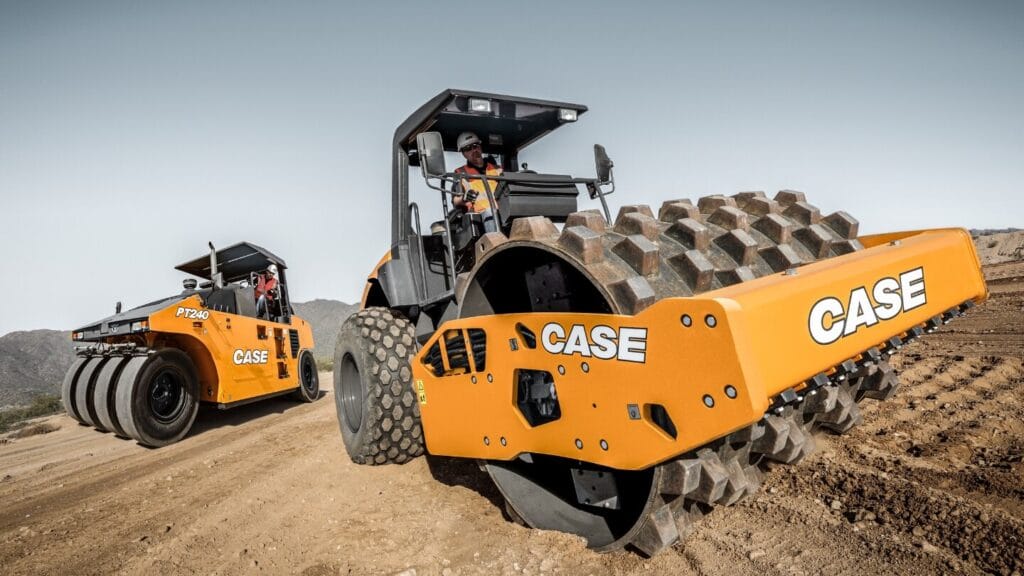
Compaction rollers range from small remote controlled trench units to heavy static three-point rollers, and the type of roller you choose affects compaction quality and rework risk. This guide covers the main types of compaction rollers used on Australian sites, how they compare and how to choose the right one for your soil, site and project. Quotor’s roller category brings these machines together in one place, making it a useful starting point for comparing hire options.
Combination Roller: A Versatile Tool for Asphalt Compaction
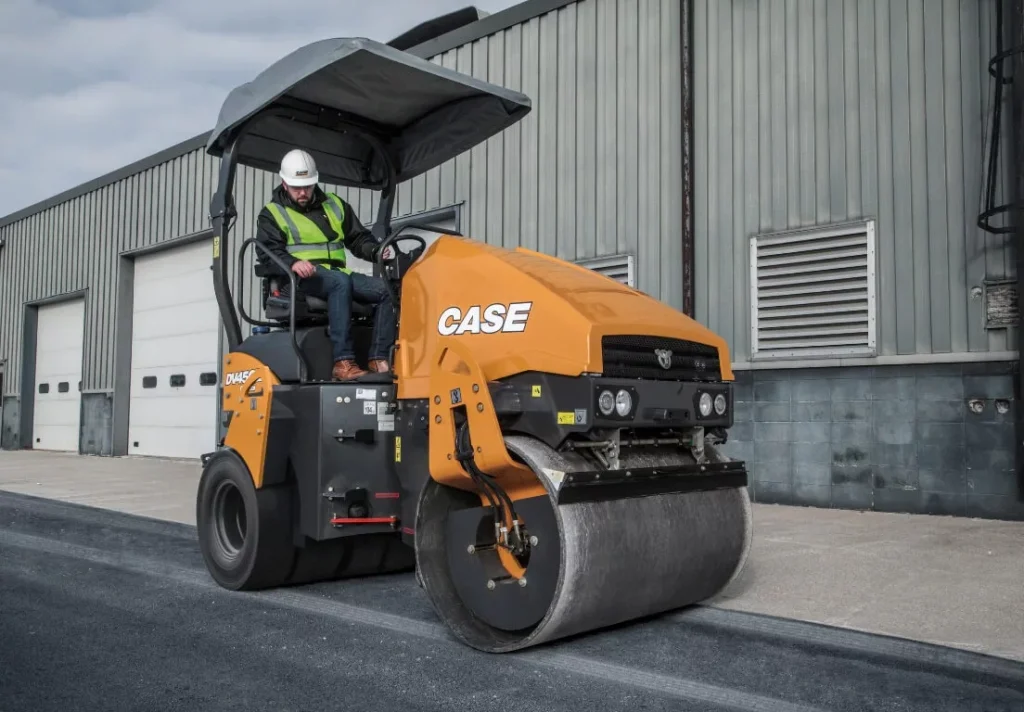
A combination roller pairs a smooth steel drum with pneumatic tyres on the same chassis, so one machine handles the compaction and finishing passes that asphalt work usually needs in separate stages. Quotor lists combination rollers as their own equipment category, alongside other earthmoving and construction equipment used across Australia.
What Is a Trench Roller: Its Role In Construction
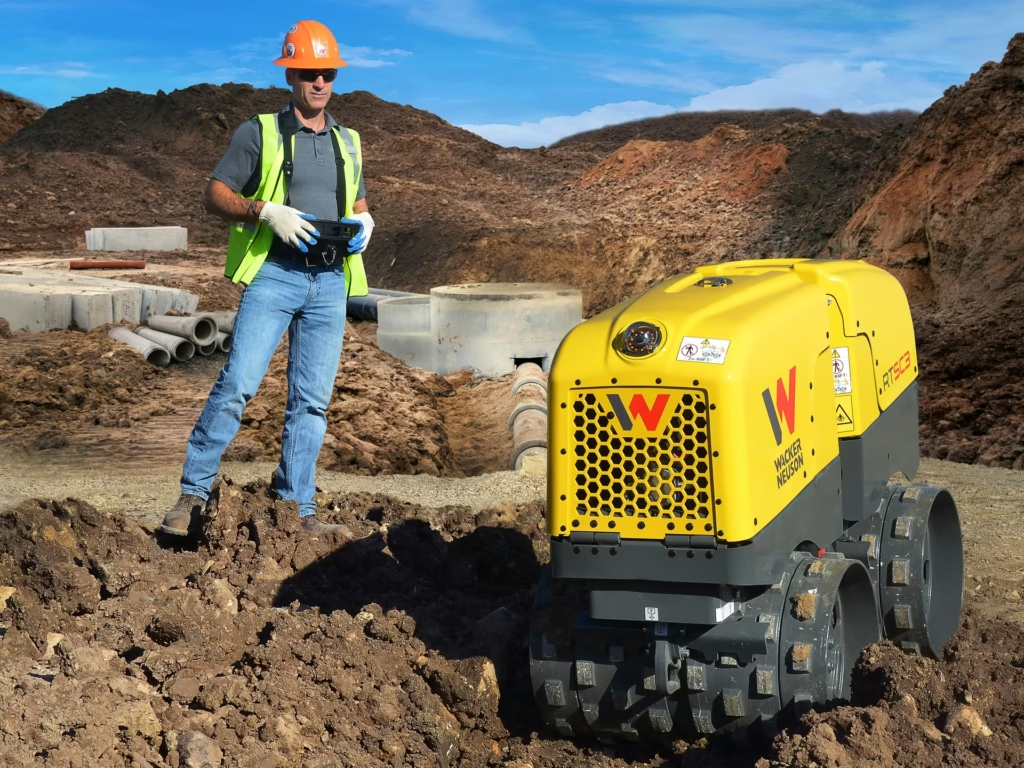
A trench roller is a compact roller, operated by remote control, built for narrow trenches, pipeline corridors and other confined spaces a standard ride-on unit can’t fit into. Also called a trench compactor, it runs two vibrating drums on an articulated frame to knead and compact backfill soil around pipes and cables, delivering more compaction force than a walk-behind plate compactor in the same footprint. Within Quotor’s roller category, trench rollers are a distinct type built for trench and foundation work rather than open-area compaction, used across Australian construction and civil sites.
What Is a Pneumatic Roller: Everything You Need to Know About Multi Tyre Rollers
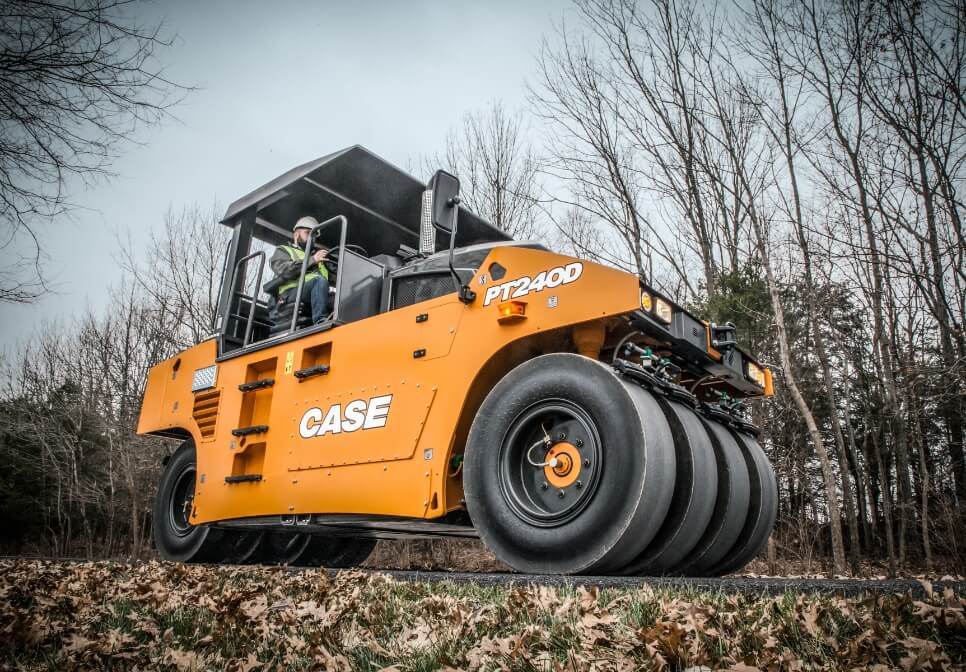
A pneumatic roller uses air filled rubber tyres instead of a steel drum to compact asphalt, granular base material and lightly cohesive soils. It’s one of the machines Quotor helps contractors source, from a small resurfacing job to a full construction project. This guide covers how they work, where they’re used, how they compare, and what to weigh up before hiring one.
Single Drum Roller vs Double Drum Roller: Choose the Right One

Compaction rollers press soil, gravel and asphalt into a dense, stable base before the next stage of a build goes in. Single drum and double drum rollers, as Quotor’s guide explains, are the two road roller configurations you will see most often on an Australian site, and the difference between them starts with drum count and placement. A single drum roller delivers its compactive force through one large steel drum at the front, backed by tyres at the rear for steering and traction. A double drum roller compacts through two steel drums, one at each end of the frame, so every pass works the full width of the machine in steel rather than half steel and half rubber. That layout is what drives almost everything else covered below, from the ground each machine handles best to the finish it leaves.
Padfoot vs Smooth Drum Roller: Choosing the Right Compaction Equipment
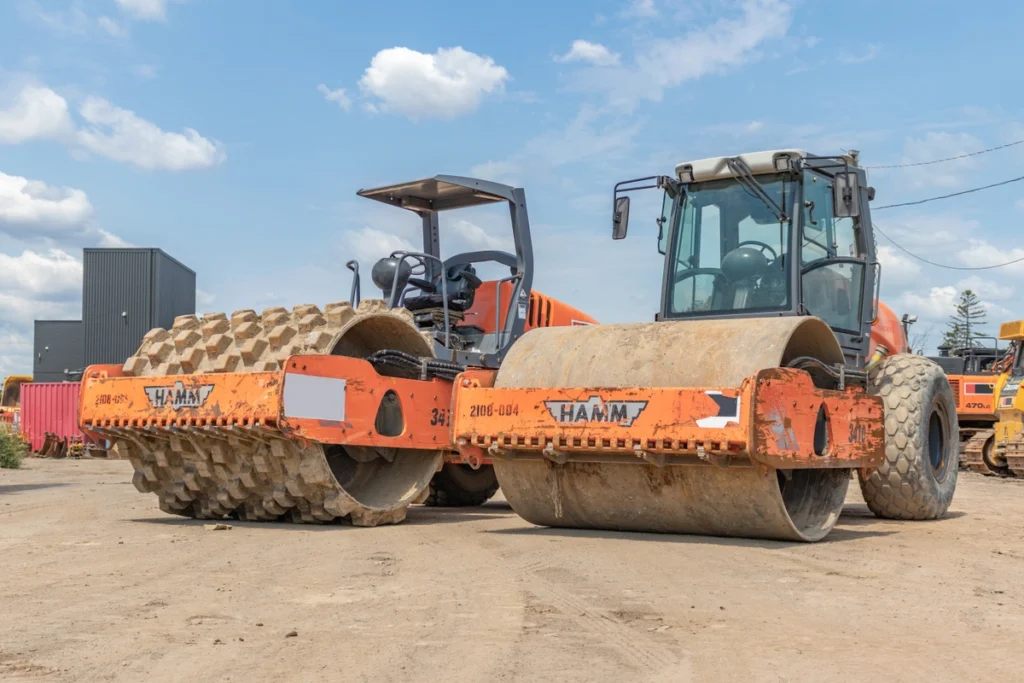
Padfoot rollers and smooth drum rollers are both compaction rollers, but they compact material differently and suit different stages of a job. Getting the choice wrong can mean soil that never reaches the density an engineer specified, or a finished surface left with ridges through it. This guide compares the two types of compaction rollers to match the machine to the ground, from a clay heavy building pad to an asphalt overlay. Quotor stocks both machine types across most of the sites it services in Australia.