
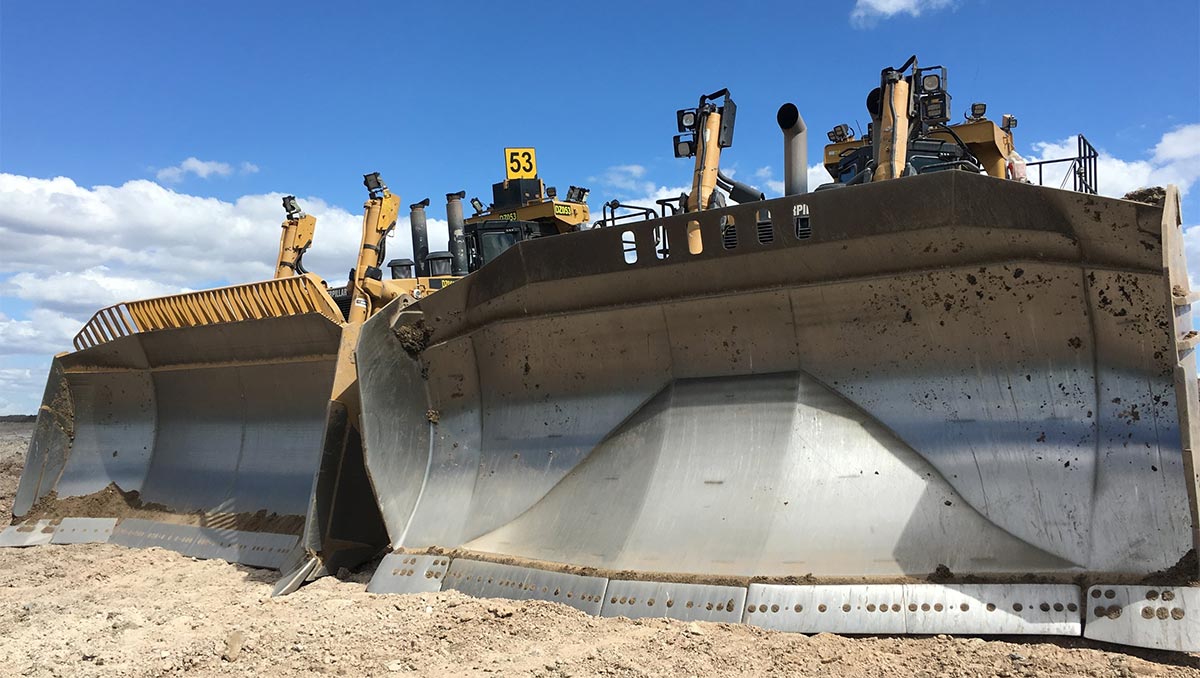
This guide is going to walk you through the main types of dozer blades and their applications, which is a crucial part of any earthmoving or construction site. Knowing which blade to use is key to getting the job done efficiently. By taking a closer look at the specific needs of your project, you can choose the right blade to enhance your dozers capabilities and get the results you want. So let’s get started.
Overview of Dozer Blades
What is a Dozer Blade?
A blade is an absolutely essential component of any bulldozer. It gets attached to the front of the dozer and is what lets it push stuff around – whether that’s soil, gravel or just plain old debris. And let’s be honest, without it a bulldozer is just not going to be able to move the kind of volumes you need it to on a construction site. The design and size of the blade can vary depending on the type of blade and what you’re trying to get done. If you’re new to these machines, our guide on what is a dozer gives a great overview of how they work and what they’re used for.
Why Choosing the Right Blade is So Important
Getting the right blade for the job is a no-brainer. If you use the wrong one you can end up burning more fuel, doing less work, and potentially even causing damage to your equipment. It’s not exactly rocket science but it is crucial. So take a little time to get to know the different types out there.
Dozer Blades in Action
Blade is a vital tool in all sorts of applications – from levelling land and clearing construction sites to backfilling trenches. They’re used in road construction, mining and forestry – anything that involves moving and shaping the earth. Knowing which type of blade is going to do the job best is what lets operators really get the most out of their equipment, making each job faster, better and more cost effective.
Different Types of Dozer Blade
Straight Blade
The straight blade – or S-blade – is one of the most common types of bulldozer blade around. It’s a pretty versatile piece of kit that’s great for general earthmoving and levelling tasks. A straight blade comes with no curvature or side wings and is designed to push stuff straight ahead, making it one of the best used for just about any job.
Angle Blade
The angle blade is a bit different – it lets you angle the blade to either side, which makes it perfect for side casting material. This is great for grading or even digging ditches, showcasing the blade’s versatility. The angle blade is really handy to have around because it’s so flexible – you can use it to do all sorts of things on a construction site.
U-Blade
The U-blade is a pretty imposing piece of kit – it combines a big curvature and some serious wings for enhanced penetration. It’s designed to move huge volumes of loose material over long distances, making it a favourite on big earthmoving projects. U-blades are a great choice when you need to get a lot done quickly and efficiently. You can browse dozers available for hire to find the right machine and blade configuration for your project.
Tilt Blade
The tilt blade is a really handy tool for anyone doing precision levelling work. This blade can pivot from side to side, letting you create slopes and ditches with ease. The tilt feature is what really sets it apart – it makes it perfect for landscaping and construction work where accuracy is key.
Universal Blade
The universal blade is also known as a 4-way blade – it’s a bit of a jack of all trades and is an excellent choice when you’re doing both big earthmoving tasks and fine grading work. It’s got a bit of a curved shape and some moderate wings, making it really versatile.
Semi-U Blades
The semi-U blade is a bit of a compromise between a straight blade and a full U-blade. It’s got a slight curve and smaller wings compared to a full U-blade, so it’s got a bit of both worlds. It’s a versatile blade that offers a good balance of capacity and control, making it one of the best used for various tasks.
C-Blade
The C-blade is a real workhorse – it’s got a super-aggressive cutting edge that makes it perfect for pushing through tough, compacted earth. This blade is a favourite on really heavy-duty projects where you need to break up and move hard soil or rock. It’s a real beast of a blade that’s designed to get the job done quickly and efficiently, offering impressive manoeuvrability and penetration.
Pat Blade
The Pat blade is a bulldozer blade attachment that has a real unique design – sections that can be adjusted independently. This gives you the precision you need for contouring and grading – and that means it’s best suited for the really tough earthmoving projects. The fact that it’s adjustable makes sure you get the performance you need to get the job done, which means you can shape the land exactly as you want it when you’re working.
Choosing the Right Bulldozer Blade For the Job
What to Consider
When you’re choosing a blade, you need to think about a few key things. One big factor is what kind of material you’re pushing – different types of blades are made for different types of materials, so make sure you select the right one for optimal performance. Then there’s the size and scope of the project, the blade’s durability, and the horsepower of the bulldozer itself – all of these things will affect how efficiently you can get the job done. If you get the right blade and the right factors are in balance, it can make all the difference in how well your bulldozer performs, especially when you select the right one for the job.
Moving the Blade – Left or Right
A blade’s ability to move left or right is a big deal for certain tasks, enhancing its versatility on the job site. An angle blade can be angled to one side or another, which is super useful for grading and just side-casting material in general. Knowing how far you can move the blade will really open up your options – for example, it can make a big difference for tasks like casting material to the side. Some blades give you a lot of control over this kind of movement.
Heavy-Duty vs Standard Blades – Which One to Choose?
Do you go for a heavy-duty blade or a standard one? That depends on the job. Heavy-duty blades are built to handle tough conditions and materials – so they’re the way to go for jobs like big earthmoving projects, pushing boulders, or demolition work. You can be sure they’ll last, especially when you explore the different types of materials they can handle. Standard blades are better for lighter tasks, like just grading or moving a lot of soil around. Think about how tough the job is and pick the blade type that best fits.
All About Bulldozer Parts and Blades
Getting the Blade onto the Bulldozer
If you want to keep your bulldozer running smoothly – and you want to operate it safely and efficiently – you need to understand how the blade attaches to the dozer. The blade is secured to the dozer using strong mounting points, which means the blade stays stable and the power is transferred correctly. This connection lets the force of the blade be used to push material effectively, maximizing its versatility. Do check your blade attachment points regularly to make sure everything is still secure – this will prevent downtime and keep your dozer running its best.
The Importance of Blade Curvature
The curvature of a blade can make a huge difference – it affects how well it can move material and its overall penetration capabilities. A U-blade has a curved shape and side wings, so it can move a lot of loose material. A straight blade is more suited to precision grading and leveling. Understanding the blade’s shape will really help you pick the right one for the job.
Keeping Your Dozer Blade in Tip Top Condition
Looking after your blade is vital if you want it to last a long time. Inspect the blades regularly for signs of wear and tear – especially the cutting edge. If that gets a little dull, you might want to sharpen it or even replace it if it’s really badly worn out. A well-maintained blade will penetrate the soil much more easily and won’t put as much strain on your dozer, improving its overall manoeuvrability. Proper maintenance doesn’t just keep your bulldozer running well – it also stops you having to fix things that go wrong and it reduces the risk of expensive repairs – which means you can be sure your bulldozer and its blade are always in top shape. For a full walkthrough on getting the most out of your machine on site, check out our guide on how to operate a dozer.