
Equipment Procurement and Asset: The Hidden Schedule Killer
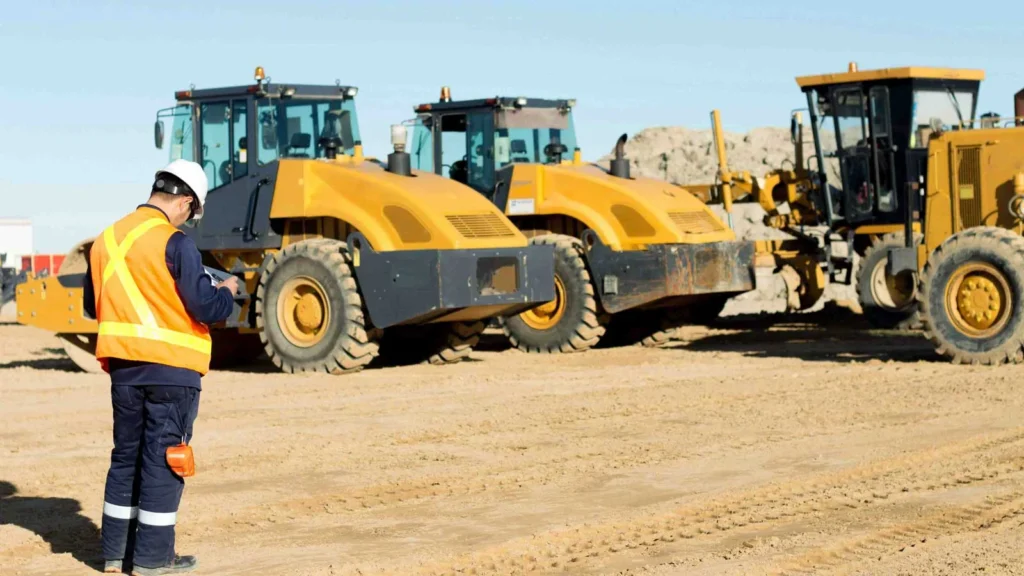
Equipment procurement is the process a construction business goes through to get the machinery a project needs, from working out what’s required through to that equipment arriving and staying available until the job is done. Handled well, it barely gets noticed. Handled poorly, it becomes one of the more common causes of schedule slippage on a construction project, usually because decisions get made too late or without visibility into supplier lead times and equipment a business already owns.
Ultimate Guide to Construction Equipment Management
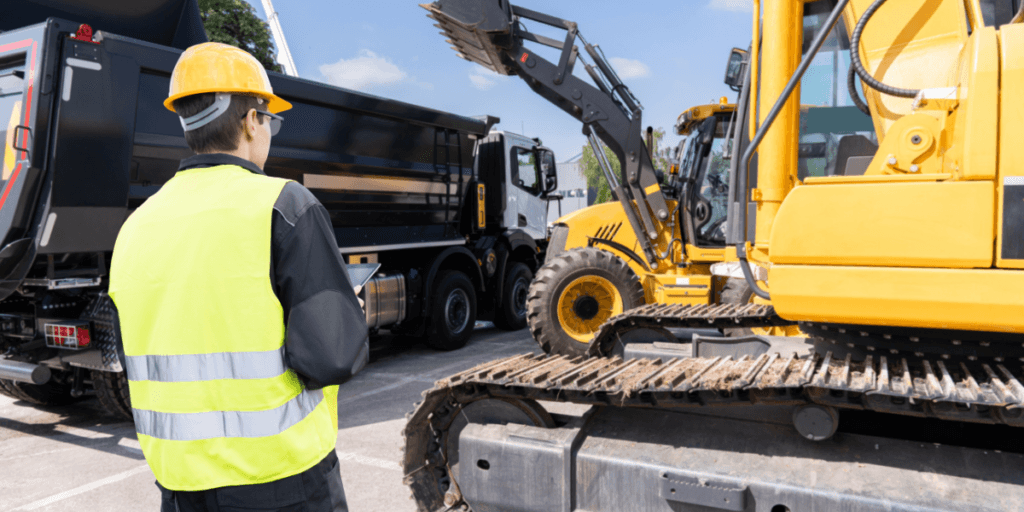
A construction business rarely makes money from equipment sitting on a truck between jobs. Every excavator or loader is capital that only pays for itself while working, and construction companies that manage that gap well run tighter, more profitable projects.
How to Become a Heavy Equipment Operator: Training, Licensing and Career Path

Heavy equipment operation covers everything from shifting earth on a residential build to running plant on a mine site. Getting there means working out which licence or competency requirement applies to the machine you want to run, then following the right training pathway. This guide to heavy equipment operator licensing covers both. Whether you’re starting from scratch or adding a new machine, the requirements below cover what applies in Australia today.
What Does a General Contractor Do? Role, Responsibilities and Hiring Guide

A general contractor manages day-to-day execution of a construction project: coordinating subcontractors, keeping work on schedule and within budget. Understanding what the role covers, and how to engage it well, shapes how the project runs.
What Does a Construction Project Manager Do?
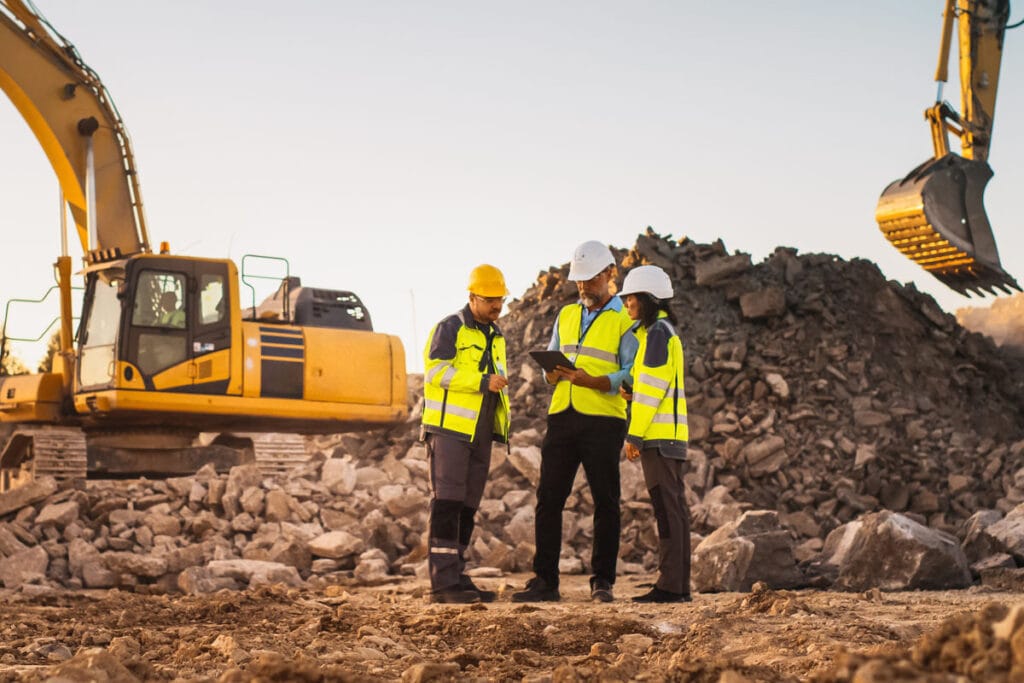
A construction project manager plans, coordinates and reports on a construction project on behalf of the client, from early scope setting through to handover. Whether you’re delivering a commercial fit-out or a multi-stage development, understanding what this role covers shapes how well the engagement works.
How to Estimate Equipment Cost in Construction
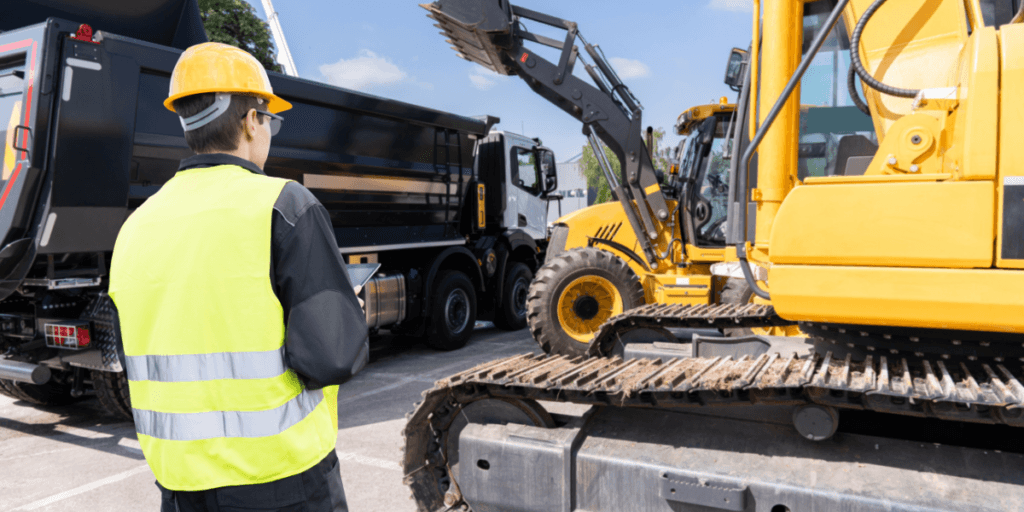
To estimate equipment costs, start with what counts as one: everything it takes to have a machine on site and running, not just the rate quoted by a supplier. That includes direct costs like the hire or ownership rate, and indirect costs such as fuel, an operator where one is needed, transport to and from site, and the costs associated with running and maintaining heavy machinery on a live job. Leaving any of these out of a construction estimate is a common reason budgets run short partway through a project.
Construction Equipment Hire: Your Guide to the Rental Process
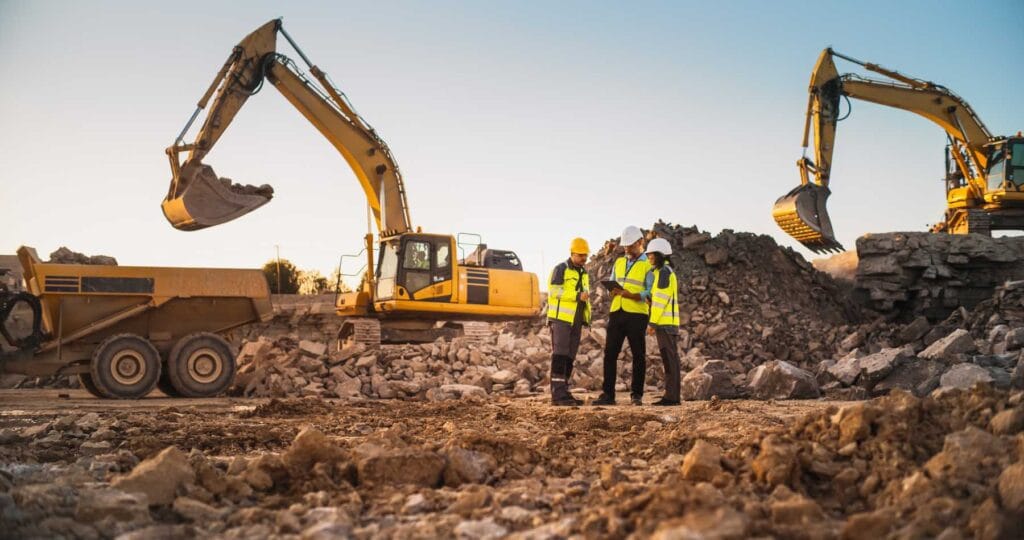
Hiring the wrong excavator, or missing a fine print clause, can turn a simple job into a late start and an unplanned bill. This guide covers how the hire process works, from working out what you need to getting a hire company on site.
How Rising Fuel Prices Are Affecting Equipment Hire Costs
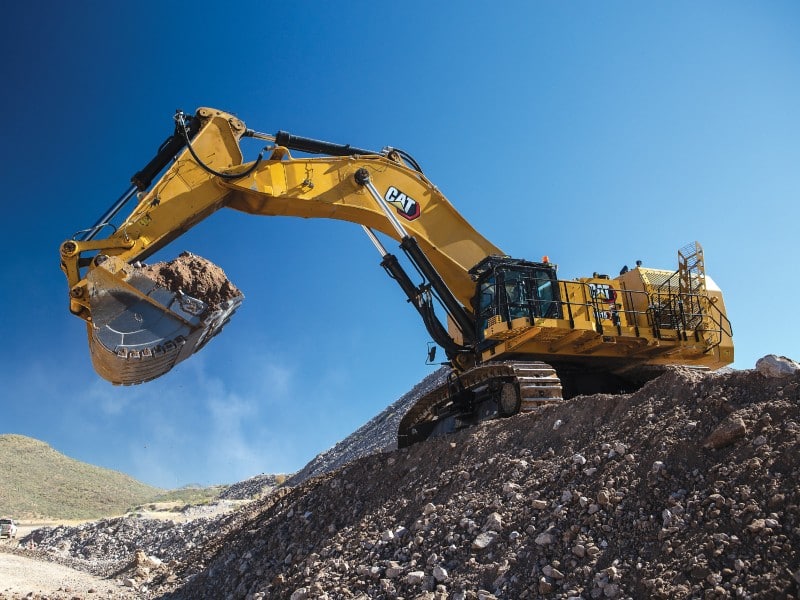
Things are getting tougher in Australia with diesel prices consistently going up in construction heavy regions. For most plant, especially heavy earthmoving gear, fuel is the main thing that you need to keep running. The more you use these machines, the more fuel they go through.
What Is Earthmoving Equipment? Dozers, Dumpers, Excavators and More
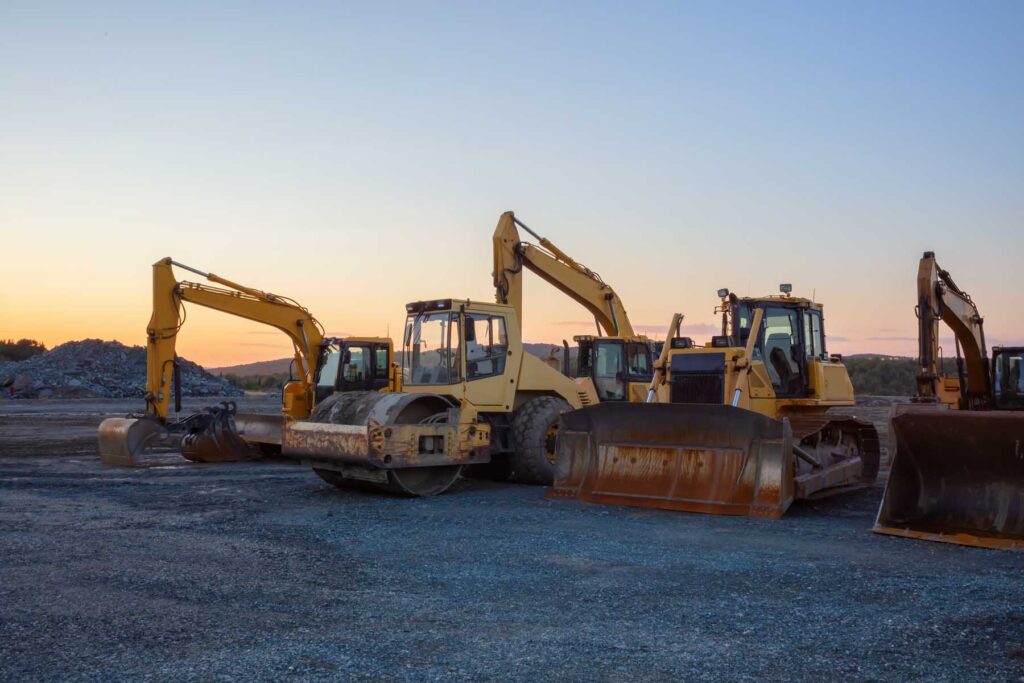
Earthmoving equipment is the machinery designed to dig, push, load, grade and haul large volumes of soil and earth on a construction site. The category spans excavators, dozers, wheel loaders, graders, scrapers and dump trucks, plus the excavator attachments and buckets that extend what each machine can do. These machines form the backbone of the construction industry’s heavy work, distinct from the finishing trades that follow once the ground is ready. Quotor lists them under its equipment range because most projects need several types working in sequence rather than one machine doing everything.
Dry Hire vs Wet Hire Meaning and Benefits
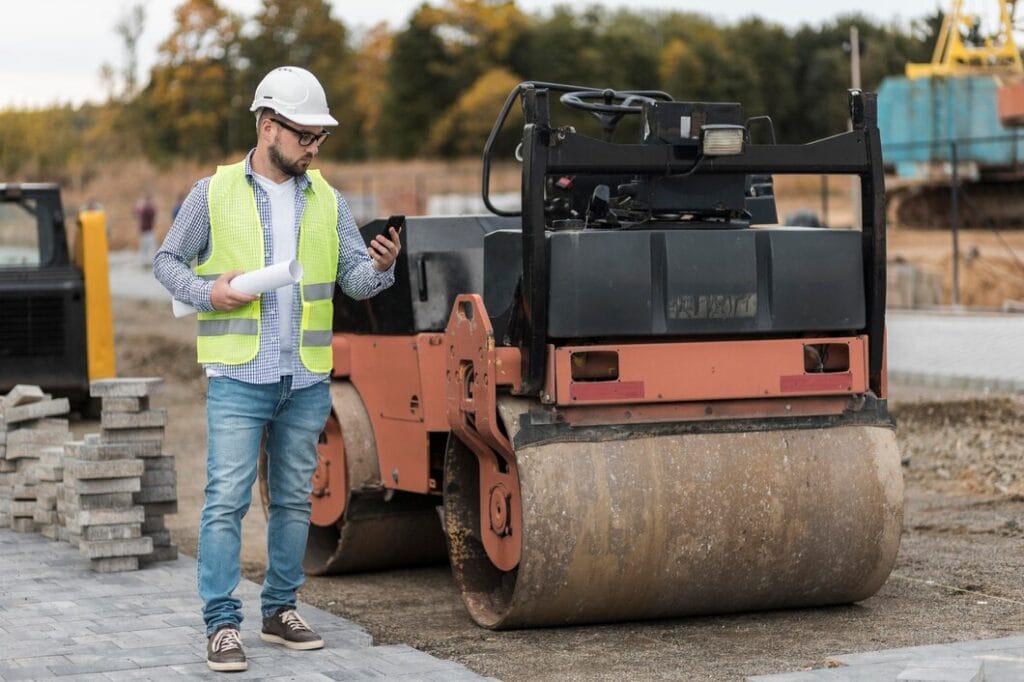
Anyone organising machinery for a construction site eventually has to answer the same question: dry hire or wet hire? The choice decides who operates the equipment, who’s responsible while it’s running, and what actually sits inside the hire rate. This guide covers the difference between wet hire and dry hire, where each one fits, and how to land on the right option for your project.