
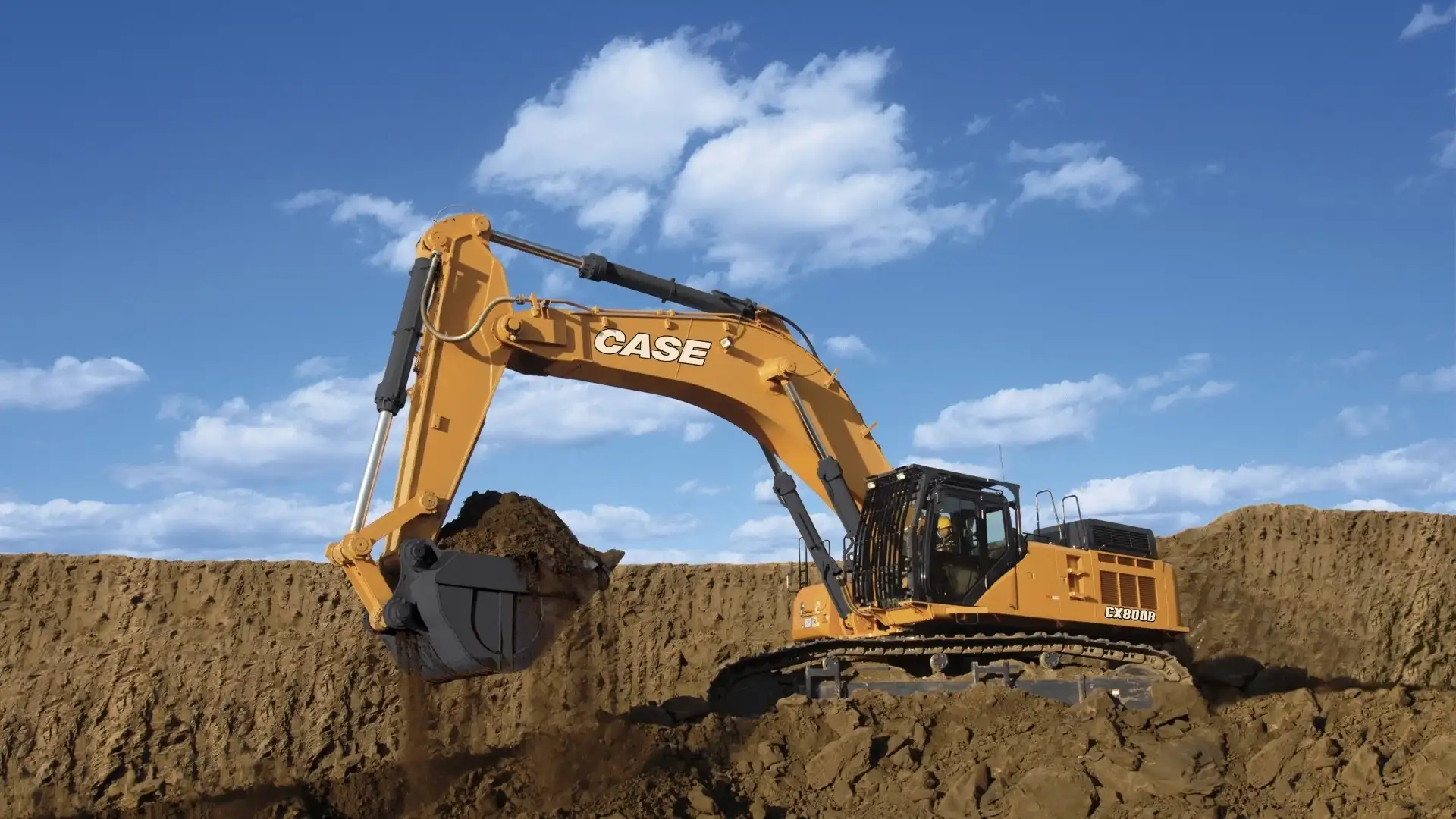
Excavators are the workhorses of the construction industry – used to dig, move earth and generally get the job done. But to get the most out of one of these machines, you need to understand how all the bits fit together. Knowing the main parts of an excavator and what they do is essential if you want to use one efficiently, keep it in good nick and stay safe on the job site. So, let’s take a closer look at the key components of an excavator and their roles.
What an Excavator is all About
What is an Excavator – and Why is it Important
An excavator is a big construction vehicle made up of a boom, dipper, a bucket and a cab – all of which sit on a rotating platform called the “house”. The undercarriage, with either tracks or wheels, is what gives you the mobility and stability to get the job done. And of course, it all relies on a hydraulic system to get the parts moving. Understanding what all these bits do is crucial if you want to get the best out of your excavator – and keep it running smoothly. If you want a broader overview of the machine before diving into its components, our guide on what an excavator is and how it works is a good place to start.
Types of Excavators
Excavators come in all shapes and sizes, from big crawlers to compact mini excavators. Crawler excavators use tracks for movement and are ideal for rough terrain, where they can really dig in with their grip. Mini excavators are small, but can still get the job done on smaller sites. Wheeled excavators are great on paved surfaces – and can go a lot faster than their tracked cousins. The choice of excavator will depend on what job you’re doing – and what kind of surface you’re working on.
Where Excavators Come In Handy
Excavators are super versatile machines – used in all sorts of jobs. They’re great for digging, of course – but are also used for laying trenches, lifting heavy loads – and even demolitions. With the right attachment, an excavator can even do tasks like augering and grapple work – which is where the arm and bucket come in handy. These are the tools of the trade – and are essential for getting the job done.
The Main Parts of an Excavator
The Cab – Where the Magic Happens
The cab is the control centre of the excavator – where the operator sits and does their magic. It’s usually got a ROPS (Rollover Protective Structure) to keep them safe in case things get a bit hairy. And inside, you’ll often find ergonomic seating, joysticks and displays to help the operator get the job done with precision. This is where the operator controls the movement of the boom, arm, bucket, and undercarriage.
The Undercarriage – The Stable Base
The undercarriage is the foundation of the excavator – providing the stability and mobility it needs to get the job done. It’s typically made up of a track frame, track chain links, rollers, idlers and sprockets. For crawler excavators, the track pads give you the grip you need on rough terrain, which is essential for the stability of the excavator undercarriage. And because it has to support the weight of the whole machine, it’s got to be pretty robust – to keep the excavator stable during all that earthmoving.
The Arm and Bucket – The Tools of the Trade
These are the hard workhorses of the excavator – doing the actual digging and lifting. The boom and arm system gives you the reach you need – and precision positioning of the bucket. And because they’re all powered by hydraulic cylinders, you can dig, lift and dump with precision. Of course, the bucket isn’t one-size-fits-all – there’s a whole range of options depending on the job, and our guide to the different types of excavator attachments breaks down which ones suit which tasks.
Components of an Excavator – Breaking it Down
The Hydraulic System – Where it All Comes Together
The hydraulic system is the heart of the excavator – powering all the different parts and making them move. It’s a complex system, made up of hydraulic pumps, cylinders, and a main control valve – all of which work together to generate and distribute the hydraulic pressure, connecting the boom and the arm. And it’s what makes the excavator tick – so you need to keep it well maintained if you want to stay mobile and avoid costly repairs.
Tracks and Wheels – Getting Around
Excavators can come with either tracks or wheels – each with its own advantages. Crawler excavators use tracks to get a grip on rough terrain – which is great for stability and traction. Track pads help to distribute the weight evenly – so you don’t sink into the ground. Wheeled excavators are great on paved surfaces – and can go a bit faster than their tracked cousins. It all depends on the job in hand – and the kind of surface you’re working on.
The Engine – The Powerhouse
The engine is the heart of the excavator – giving you the power you need to drive the hydraulic system and get all the other components moving. Most excavators use diesel engines – which are great for torque and fuel efficiency. The power output of the engine will affect the digging force and lifting capacity of the excavator – so you need to keep it well maintained to keep it going.
Excavator Equipment and Attachments
Common Attachments for Excavators
Excavators are the ultimate jack-of-all-trades – their capabilities stretch far and wide because of the huge array of excavator attachments that can be bolted on. And it’s not just the standard bucket that’s used for digging and earthmoving. Oh no, there’s a whole range of specialized buckets that can supercharge the excavator’s capabilities in a heartbeat. Augers drill holes in no time, while grapples make quick work of debris. Rock guards protect the gear from damage when the going gets tough – and hydraulic thumbs just make material-handling a whole lot more efficient. The real beauty of it all is that these attachments open up a whole new world of possibilities for the excavator. If you’re looking to get one on site, you can browse excavators available for hire across a range of sizes and types.
Specialized Gear for Getting the Job Done
You’d think attachments would just be a standard affair, but nope – there’s also specialized gear out there that’s designed for specific tasks. Hydraulic breakers – think of them as wrecking balls on steroids – come in handy for demolition work. Compaction wheels help to firm up the soil and get it ready for the next phase of the project, which is crucial for the overall performance of the excavator parts. You can also get the boom and arm system modified with different types of extensions, which just makes it easier to reach those hard-to-get spots. And for underwater excavation – well, that’s where specialized underwater buckets and hydraulic systems really come into their own. With this sort of kit, the excavator can pretty much tackle anything that comes its way.
What You Gain from Using the Right Attachments
Using the right attachments – and that’s the key – can really make a difference on the job site, allowing for better use of the arm and boom. You can connect the boom to various attachments for different tasks, optimizing the excavator’s capabilities.
- Get the job done faster, because you can tackle a whole lot more in a single go.
- Boost safety levels by reducing the need for manual labor in hazardous conditions.
Attachments even save you time and money by streamlining operations and cutting down on the need for extra equipment, enhancing the efficiency of the basic parts of an excavator. And really – when you think about it – that’s exactly what you want from your excavator – to make it a valuable asset that gets the job done without breaking the bank.
Frequently Asked Questions
What’s the make-up of an excavator?
Okay, so at its heart an excavator’s got a cab that’s basically the control centre for the operator. Then there’s the undercarriage, which provides stability with either tracks or wheels. And of course, there’s the arm and bucket – those are the bits that do the actual digging and lifting. Under the bonnet (or rather the engine cover) is the engine, which powers the hydraulic system. Without that, the excavator wouldn’t be able to move a muscle. And let’s not forget the boom – that’s the bit that sticks out from the arm, and a counterweight to keep the excavator from tipping over.
How do all the excavator bits work together?
So, the engine sends power to the hydraulic system, and that’s what makes the excavator go. The system drives the hydraulic cylinders, which in turn control the movement of the boom, arm, and bucket, key aspects of the excavator and their functions. It’s all done with the flick of a joystick and a press of a pedal by the operator in the cab, allowing for precise control over the movement of the excavator. Meanwhile, the undercarriage – that’s the bit that’s got the tracks and the track chain links – helps keep things stable and on an even keel.
What do you need to think about when renting excavator gear?
Here are some tips for renting excavator gear that’ll put your mind at ease. First off, make sure you really know what the job needs – that means working out what type of earthmoving you’re going to be doing and what sorts of conditions you’ll be facing on the job site. And don’t forget to check that you can get hold of the attachments you need – a bucket or an auger might be essential, for instance. Make sure the equipment is in good nick, check the safety features are up to scratch, and choose the right size and type of excavator parts to get the job done.