
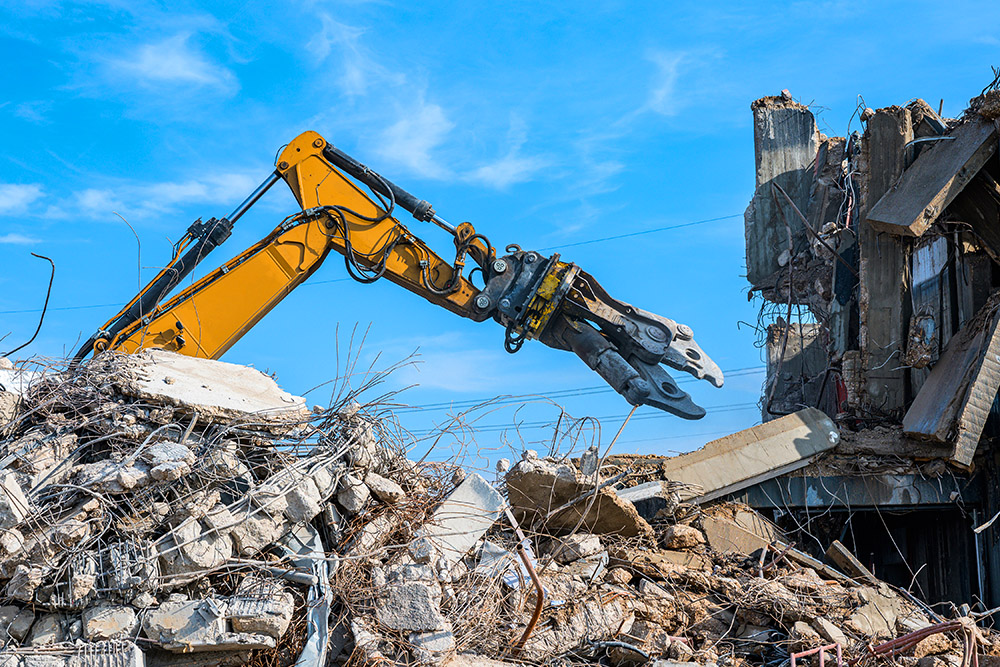
Demolition work is a complex and multifaceted process that requires careful planning, precise execution, and, most importantly, the right equipment. From tearing down old buildings to clearing land for new construction, demolition projects heavily rely on the construction equipment to get the job done. This article takes a deep dive into the world of demolition, exploring the different types of demolition equipment, their uses, and what you need to consider when picking the right tools for the task at hand.
Types of Demolition Machines
When it comes to tearing down a building, the right machine is a game-changer. You’ve got your heavy-duty excavators and bulldozers – but also more compact and versatile skid steer loaders that can tackle smaller jobs. The type of machine you choose all depends on how big the job is, what kind of structure you’re dealing with, the site conditions, and the safety measures in place. Each machine plays a unique role in safely and efficiently tearing down the structure.
Excavators in Demolition Projects
Excavators are among the most popular demolition equipment, and for good reason – they can do just about anything. With a range of attachments and their hydraulic power, they can break down concrete and steel structures with ease. You can hook them up with hammers, crushers, and rippers – and even get high-reach demolition excavators designed for taller buildings, allowing for a controlled demolition from a safe distance. Our article on what an excavator is and how it works covers the full range of types and capabilities if you want to understand which model suits your demolition scope. And while the operator is busy taking it down from the cab, you know the machine is in good hands.
Crawler Excavators: Their Key Features
Crawler excavators are built tough for a reason, and demolition work is the perfect showcase of that. Their rugged design and stability make them perfect for navigating uneven terrain – and their tracks are super tough on debris. They can handle heavy loads and put out some serious force – and that’s exactly what you need for tearing down concrete and steel. The right machine can make all the difference in the world.
Wheel Loaders: How They Save the Day
Wheel loaders are an essential part of demolition work – mostly used for clearing up the site and getting materials out. Their huge buckets can scoop up and move concrete, soil, and rebar with ease. They’re also super handy for loading debris into trucks for transport to recycling centers. Our guide on what a wheel loader is and what it’s used for explains the different configurations and bucket sizes available. You can use them with safety features to keep the site clean and organized, and even use them to help with grading and leveling.
Key Components of Demolition Machinery
What’s Behind the Structure of Demolition Machines
Demolition machinery are complex structures designed to withstand the rigors of demolition work. Each machine is built with heavy-duty materials and reinforced frames to make sure it can withstand the impact of the job. The hydraulic systems are engineered to deliver the power you need to break through concrete, cut through steel, and more. And let’s not forget the cab – designed to protect the operator while giving you maximum visibility and control.
What Makes a Loader Essential
Loaders – be it a skid steer or wheel loader – are critical for clearing up the demolition site and handling debris. Their buckets are designed to scoop up and load massive amounts of material, like concrete, soil, and rebar. The hydraulic system of the heavy machinery lets the operator lift and transport heavy loads with ease. And with the right attachments, like a blade, you can grade and level the land in no time. Quotor has a range of wheel loaders available for hire across different bucket sizes and lift capacities for exactly these kinds of tasks.
The Importance of Good Debris Management
Getting debris off the demolition site is a huge part of any demolition task. You’ve got your wheel loaders and skid steers to load debris into trucks for transport to recycling centers or the dump. Material handlers can even be used to sort and separate recyclables at the demolition site. Effective debris management not only keeps the site looking tidy but also reduces the environmental impact of demolition. Plus, it makes the demolition site safer by getting materials out of the way.
Safety Measures in Demolition Work
Keeping Safety Top of Mind with Demolition Machinery
Safety is top priority in any demolition project, and that starts with robust safety protocols. We’re talking risk assessments, regular maintenance, and following safety guidelines to the letter. Using the right machine for the job can make all the difference in preventing accidents. Regular inspections and prompt repairs of machines are a must to keep everyone safe on-site.
Training Operators to Use Demolition Equipment Safely
You can’t just drop someone in an excavator or skid steer and expect them to figure it out as they go. Adequate training is key to preventing accidents and using construction equipment safely. Operators need to know the ins and outs of each machine – their capabilities, limitations, and safety features. Certified training programs are a must to make sure they’re prepared for the demands of demolition work. Check the list of excavators available for hire across a range of sizes — worth comparing before locking in a machine for your project.
Assessing Risks on Demolition Projects
A risk assessment is a must do before you can even think about knocking down a building. You’ve got to scan for potential hazards like rickety old structures, bad chemicals and underground pipes – getting the jump on these will really help you create a safety plan that actually works. But even with a top-notch plan, it’s still all about putting in the right safety gear – like the right PPE – and setting up safety zones at the demolition site to keep people safe. You also need to keep people up to speed with regular safety briefings and keep an eye out for anything that might go wrong – especially when you’re swinging heavy hammers using big fancy demolition machines.
Choosing the Right Equipment for a Demolition Project
Considering The Right Machinery For The Job
Picking the right demolition gear for the task depends on a bunch of different factors like what you’re knocking down and where you’re doing it at the demolition site. Are you dealing with a skyscraper or a tiny house ? Are the conditions on the ground going to be easy to navigate or a nightmare ? Not to mention the rules and regulations that might need to be followed. For example, a high-reach demolition excavator might be perfect for that office tower while a skid steer loader will be way more practical for the cramped site in the middle of the city. Getting the right heavy machinery for the demolition task will make the job go smoother and safer. View the full range of loaders covers everything from compact skid steers through to large wheel loaders — all available for hire and easy to compare in one place.
Blending Cost and Efficiency when Choosing Equipment
Spending a fortune on the most high-end demolition gear might be tempting – but weigh that against just how long all of this is going to take and how much it will cost to run in the long run. Yes, the big-ticket machines will likely speed things up a bit – but you’ve got to think about the cost of all that extra fuel, plus parts and repairs, over time. Really crunch the numbers and you’ll get a better idea of what will save you money – and in the end, that’s what it’s all about.
Where Demolition is Headed
The latest demolition tech is evolving to the point where it’s actually changing the game. You can now get remote-controlled machines that let you operate safely from a distance – a real game changer. Better, more efficient hydraulic systems and attachments are also giving demolition crews a leg up – so it looks like the next big thing is going to be safer, more efficient and probably pretty kind to the environment as well.