
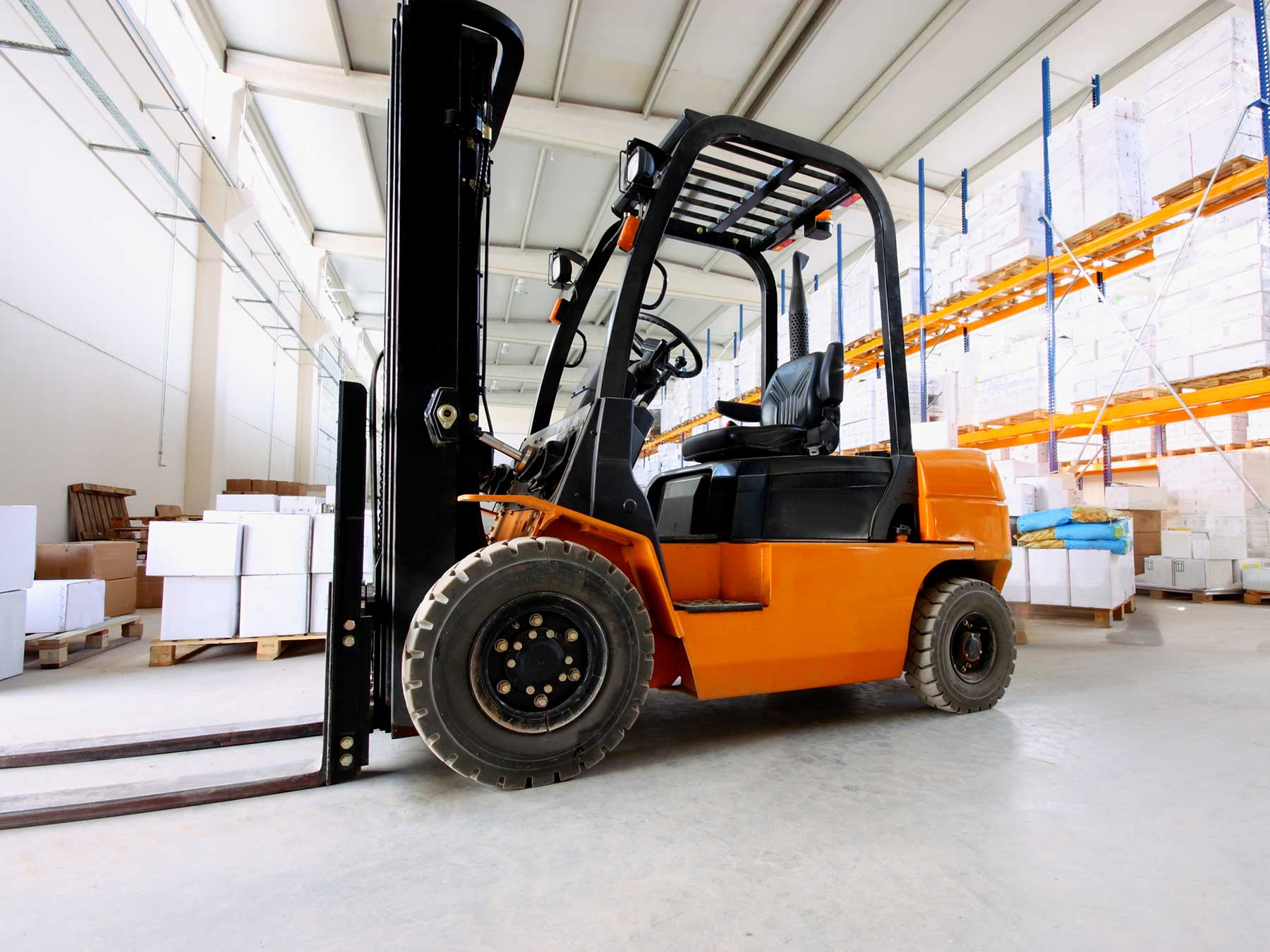
Forklifts are the backbone of lots of different industries, and they’re primarily used for moving stuff around. But if you want to use one without getting into a whole heap of trouble, you need to know what all the bits and bobs are for. Knowing your way around a forklift might seem like a no-brainer, but understanding the tilt and rear mechanics is actually a lot more important than you think. This article is going to take you through the main parts of a forklift and how they all fit together.
Introduction to Forklift Parts
Overview of Forklift Equipment
Lift trucks are basically what most people call forklifts – they’ve got a mast, forks, and a carriage that all work together to move heavy stuff around safely and efficiently. There’s also the engine – that can be either internal combustion or electric, which is what gives all the power and efficiency needed for the job. Then there’s the seat and controls which are what you use to actually run the thing. Regular maintenance is key to keeping the thing up and running.
Importance of Understanding Forklift Components
Knowing your forklift parts is super important for a whole bunch of reasons. First of all, if you know what you’re looking at, you’re way less likely to have an accident because you can spot any problems early on. Plus, you can do a bit of basic maintenance to keep things ticking over and prevent costly downtime. All of this helps keep the forklift running for years to come.
Common Types of Forklifts
Forklifts come in all sorts of shapes and sizes, each one suited to a specific job and often equipped with various attachments. Mainly it’s all about how the thing is powered – internal combustion, or electric – and this usually boils down to diesel or propane for the combustion types and a battery for the electric ones. There are also hand pallet jacks for lighter loads, which can be a more efficient choice for smaller tasks. Brands like Toyota, Hyster, Nissan, Linde, Big Joe, and Unicarriers make a whole load of them, each with their own features and attachments to improve performance. You can browse forklifts available for hire to find the right type for your job.
Some of the Key Components of a Forklift
What´s the Difference Between Combustion and Electricity?
Forklifts either have an internal combustion engine or an electric engine – it’s one of the main differences between them. Combustion engines like to run on diesel or propane, while electric ones are powered by a battery and are perfect for warehouse work because they’re nice and quiet and don’t make any emissions. Which one you choose really depends on how you’re going to be using it, including the type of power source you prefer.
How a Forklift Mast Works
The mast is what lets you lift and lower loads – it’s a big part of the forklift. It’s got interlocking rails that make it possible to move the fork and carriage up and down. That hydraulic system lets the forklift operator lift loads to the right height, and maintenance, including checking for spare parts, is super important to keep it all running.
What the Forklift Chassis Does
The chassis is the foundation of the forklift – it’s what keeps everything stable and secure. It houses the engine, transmission, and axles so it’s pretty vital to keep it all in good nick. A strong chassis and efficient tires mean you can lift heavy loads without worrying too much about the thing breaking down on you.
Load Handling and Stability
How Forklift Parts Impact Load Capacity
Loads are limited by a bunch of different parts – the mast, the fork, and the hydraulic system all play a role in determining just how much weight you can lift and move, with the efficiency of each part being crucial. It’s really important to know these limits so you can prevent accidents and run the thing safely. The most common machine for warehouse and logistics tasks is the counterbalance forklift – read our guide on what is a counterbalance forklift for a full breakdown.
Why the Overhead Guard is so Important
The overhead guard is a vital safety feature – it stops falling objects from hitting the forklift operator. It’s sturdy and designed to keep you safe in warehouse and construction environments, with features that enhance efficiency. Make sure you check it regularly to make sure it’s in good working order.
The Forklift Seat – a Bit of Design that Really Matters
A good forklift seat is pretty important for both comfort and safety. A seat that’s designed to be ergonomic helps keep the operator focused and comfortable, and reduces fatigue. A seat that’s adjustable and supportive in the cab is what makes it easy to sit and focus on the job at hand.
The Controls and Safety Features of a Forklift
What the Steering Wheel Does
The steering wheel is a crucial bit of kit for any forklift operator, allowing them to get the equipment moving in the right direction with precision. Its main job is to get the forklift where it needs to be in all sorts of environments – be it a warehouse or loading dock. The steering mechanism is connected to the axle, which makes for smooth turning and maneuvering, more so if its properly maintained. Doing regular maintenance on the steering system is super important for keeping everyone safe on the job site, as well as preventing accidents.
Using the Horn for Your Own Good
The horn is a vital safety feature on a forklift and its job is to alert other people and operators of your presence – especially when you’re running around a busy warehouse. By using the horn properly, you can help keep everyone safe and prevent those nasty accidents. It’s an essential bit of kit for safe operation.
The Load Backrest: Why it’s So Important in Material Handling
The load backrest – and the extension to go with it – is a vital bit of kit when you’re moving stuff around. Its designed to keep heavy loads from tipping back and falling off the truck, which can be a real hazard for the person operating it. A sturdy backrest stops all that from happening, making it much safer to move really heavy or unstable items around. It’s pretty essential, if you ask us, for maintaining safety and efficiency in operation. If you’re looking to hire a machine, counterbalance forklifts are the most widely used type for exactly these kinds of tasks.
Maintenance and Replacement of Forklift Parts
Common Forklift Repairs
Forklifts need a lot of TLC if you want them to keep running smoothly. Some of the most common repairs include:
- Changing the tyres
- Replacing hydraulic hoses and other replacement parts is essential for maintaining the forklift’s efficiency.
- Fixing or replacing mast components
Doing regular maintenance can also spot any worn out or damaged parts before they cause you a problem – like filters and belts. For electric forklifts, keeping the battery in good nick is a top priority, while internal combustion engines might need a new spark plug or fuel filter from time to time. Tackling all these issues as soon as you can means your forklift will keep running, with minimal downtime.
Watch Out For These Signs Your Forklift Parts Need Replacing
Here are some warning signs that maybe it’s time to replace some of your forklift parts:
- If the forklift is struggling to lift heavy loads, it might be time to check the hydraulic system.
- If you start hearing unusual noises
- If there’s visible damage to the mast or forks
Steering and braking might be more tricky than normal, you might notice some fluid leaks, or the battery just doesn’t seem to be performing as it used to. Regular checks help keep everyone safe and extend the lifespan of your forklift.
Tips for Keeping Your Forklift Running for Years to Come
To keep your forklift running smoothly for as long as possible, you should be doing regular checks on the whole thing, lubricating all the moving parts, and keeping an eye on the hydraulic system. For electric forklifts, that means keeping the battery in good condition, while internal combustion engines need regular oil and filter changes. If you catch any problems early doors and replace worn parts as soon as you can, you’ll be ensuring the forklift keeps on running and with minimal downtime.