
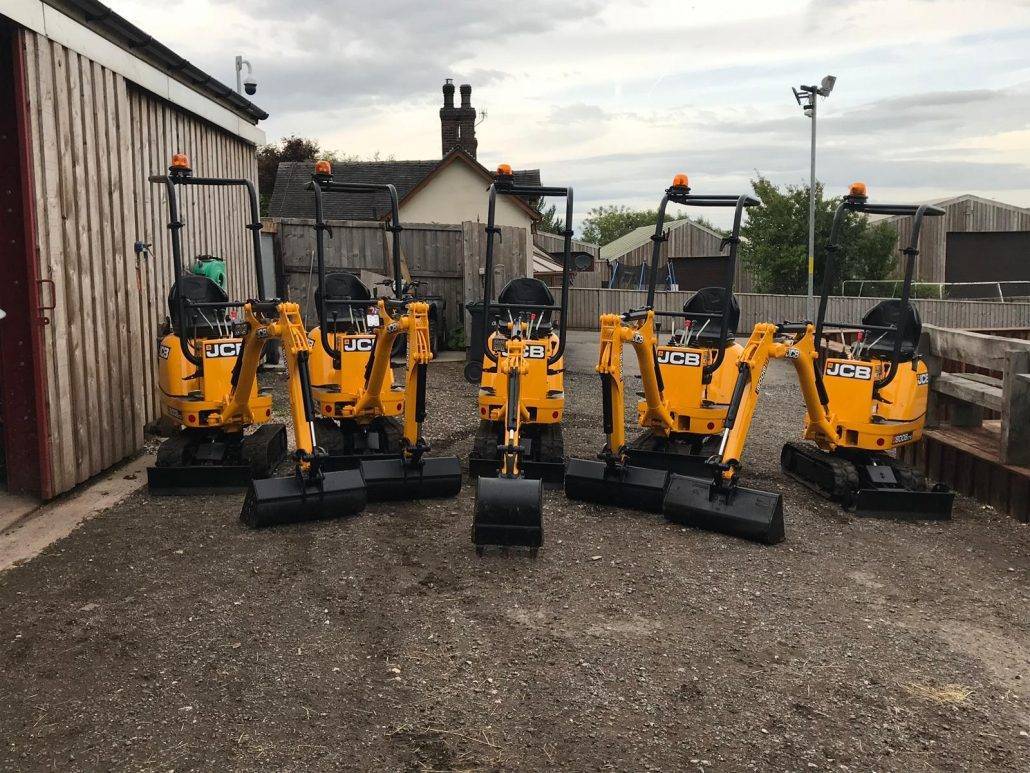
In the realm of compact construction equipment, understanding the distinctions between a micro vs. mini excavator is crucial for optimizing efficiency and project success. These small but mighty machines offer unique advantages, making them indispensable for a variety of tasks where larger equipment simply won’t fit or is overkill. This guide will delve into the specific characteristics and applications of both micro diggers and mini diggers, helping you determine the ideal choice for your next project.
Understanding Micro and Mini Excavators
Before diving into a direct comparison, it’s essential to establish a clear understanding of what constitutes a micro excavator and a mini excavator. Both categories represent compact machines designed for digging and excavation in tight, hard-to-reach areas, but they differ significantly in size, power, and the scope they can undertake. This foundational knowledge is key to making an informed decision when choosing the right equipment for your project.
What is a Micro Excavator?
A micro excavator, often referred to as a micro digger, is the smallest class of excavators available, typically weighing under one tonne. These highly compact machines are specifically engineered for navigating narrow and confined spaces, making them ideal for indoor demolition, residential landscaping, and working within established lawns without causing significant damage. Their compact size and exceptional maneuverability allow for precision digging and excavation in areas where even a mini excavator would struggle to access.
What is a Mini Digger?
A mini digger, or mini excavator, is a larger and more powerful machine than its micro counterpart, generally weighing between 1.5 to 8 tonnes. These versatile excavators are designed to handle a wider range of tasks, from trenching and general excavation to lifting and moving materials. While still offering good maneuverability in tight spaces compared to full-sized excavators, they possess greater engine power and can accommodate a broader array of attachments, enhancing their overall versatility and effectiveness on a construction site.
Key Differences between Micro and Mini Excavators
The primary distinctions between micro diggers and mini diggers lie in their size, power, and the specific tasks they are best suited for. Selecting the right one depends entirely on the scale and access constraints of your project, as their capabilities, including the use of specific attachments like an arm and bucket for digging, are tailored to different operational environments.
| Excavator Type | Key Characteristics |
| Micro Excavators | Excel in confined areas, offering unmatched precision and the ability to navigate extremely narrow passages, especially when equipped with ergonomic controls. |
| Mini Excavators | Provide greater digging and lifting capacity, making them more versatile for general excavation and capable of handling heavier attachments like a breaker or a larger bucket. |
Advantages of Micro vs Mini Excavators
Benefits of Using a Micro Digger
The primary advantage of a micro digger lies in its exceptional ability to operate within extremely tight spaces, offering unparalleled precision for intricate operation. These machines, often weighing under one tonne, are perfectly suited for indoor demolition projects, allowing for controlled removal of materials without compromising structural integrity. Their lightweight design also makes them ideal for residential landscaping, enabling homeowners or professionals to dig and excavate without causing extensive damage to established lawns or delicate garden features. The maneuverability of a micro excavator in navigating narrow pathways and doorways is a significant benefit, ensuring that even the most confined areas are accessible for digging and excavation.
Advantages of a Mini Excavator
A mini excavator, while larger than its micro counterpart, still offers significant advantages in terms of versatility and power for a wider range of jobs. Typically weighing from 1.5 tonnes and up, these machines possess greater engine power, allowing them to tackle more demanding digging and excavation projects. Their capacity to lift heavier loads and accommodate a broader array of attachments, such as a breaker or a larger bucket, makes them highly versatile for trenching, general site preparation, and even light demolition. This increased power and adaptability contribute to greater performance on various construction sites, making the mini digger a popular choice for contractors seeking a balance of compact size and robust performance.
Cost-Effectiveness and Efficiency
Both excavators offer significant effectiveness compared to larger, conventional excavators. Their compact size reduces transportation costs and allows for quicker setup times on smaller sites. The precision digging capabilities of a micro digger minimize the need for manual labor in hard-to-reach areas, boosting project effectiveness, especially in residential or sensitive landscapes. Similarly, the versatility of a mini excavator, with its ability to handle a wide range of tasks using various attachments, ensures that one machine can perform multiple functions, reducing the need for additional equipment and optimizing overall operational costs. Picking the appropriate size between micro vs mini diggers can lead to substantial savings and faster project completion.
Applications of Micro vs Mini Excavators
Common Uses for Micro Excavators
Micro excavators are exceptionally suited for jobs requiring precision excavation in tight spaces, especially when equipped with a hydraulic arm and bucket. Their compact size and lightweight nature make them ideal for indoor demolition projects, where larger equipment would be impractical or cause excessive damage. They excel in residential landscaping, allowing for delicate work around existing structures, trees, and established lawns without causing significant disruption. For jobs that require navigating narrow pathways or working in confined gardens, a micro digger is the optimal choice, offering unparalleled maneuverability and minimal impact on the surrounding environment, ensuring a clean and efficient completion of any delicate task.
Situations Best Suited for Mini Diggers
Mini diggers, due to their increased engine power and lifting capacity, are perfect for jobs that demand more strength and versatility than a micro excavator can offer. These excavators, typically weighing from 1.5 tonnes and up, are excellent for general trenching work, utility installation, and substantial landscape remodeling projects, while minimizing the risk of damage to existing landscapes. Their ability to accommodate various attachments like a breaker or a larger bucket allows them to handle tougher materials and perform more demanding digging and excavation. When the job requires significant earth moving but still benefits from the compact size and maneuverability to operate efficiently on a construction site, a mini excavator proves to be the most versatile solution.
Comparative Analysis of Work Scenarios
When comparing micro diggers vs. mini diggers for specific work scenarios, the primary considerations are the spatial constraints and the required power for the task. The choice hinges on whether the project demands extreme compactness and delicate work, or a balance of compact size with greater power and versatility. A comparison of their ideal uses is vital:
| Digger Type | Ideal Work Scenario |
| Micro Digger | Extremely confined spaces (e.g., inside buildings, very tight residential areas requiring navigation through narrow access points). Unmatched for precision capabilities, particularly with the use of a hydraulic arm and bucket. |
| Mini Digger | Projects involving more extensive digging, deeper trenches, or the need to lift heavier materials. Offers superior performance and efficiency. |
Choosing the Right Excavator for Your Needs
Factors to Consider When Choosing
Deciding on the most suitable excavator, whether a micro or mini digger, involves evaluating several key factors to ensure optimal performance and project success. To make an informed decision, you should:
- Assess the project scope, including the size and depth of required digging and excavation.
- Consider the site access, especially if navigating narrow gates or working in extremely tight spaces.
- Evaluate the type of material to be excavated.
- Determine the need for specific attachments like a bucket or a breaker.
- Take into account the overall timeframe for the job.
Evaluating these elements will guide you in making an informed decision about which machine, a micro or mini, best fits your specific requirements for precision excavation, including grading.
Micro vs Mini: Which is Better for Your Project?
Deciding between a micro vs. mini excavator ultimately depends on the specific demands of your project. If your work involves extreme precision in highly confined or hard-to-reach areas… a micro digger… is the superior choice due to its compact size and exceptional maneuverability. However, for projects requiring more power, deeper trenching, or the ability to lift heavier materials and use a wider range of attachments, a mini excavator offers greater versatility, making it better for a broader scope.
Rental vs Purchase: Making the Right Decision
When considering micro diggers and mini diggers, the decision to rent vs. purchase is critical for managing project costs and long-term utility, particularly with the enhanced capabilities and performance of modern models. For single, short-term projects or occasional use, renting an excavator can be more cost-effective, eliminating maintenance responsibilities and upfront investment. This allows you to choose the exact micro or mini excavator size and attachments needed for each specific task without commitment. However, if your business frequently undertakes projects requiring precision digging and excavation, particularly those that involve constant use of a machine, purchasing an excavator might provide better long-term value, offering immediate availability and consistent operational effectiveness for your hard-to-reach jobs.