
What’s Really Happening
Things are getting tougher in Australia with diesel prices consistently going up in construction heavy regions. For most plant, especially heavy earthmoving gear, fuel is the main thing that you need to keep running. The more you use these machines, the more fuel they go through.
The rates for hiring this stuff go up right away because fuel is either included in the hire cost (wet hire) or it gets passed on to the contractor through the costs they pay for things like diesel (dry hire). This makes fuel one of the first things to go up when prices change, because it’s not like labour or depreciation which are in a more steady state.
And How It Affects Hire Options
Wet hire rates are the first to go up. Because fuel is included in the hourly rate, any increase in the price of diesel goes straight into the cost. So if you’ve got a machine that uses a lot of fuel you’ll see the quoted price go up pretty quick.
Dry hire puts the extra cost back on the contractor. The base hire rate might not change for a bit but the total cost of the project will go up because the contractor has to buy and manage the fuel themselves. What looks like a cheaper option at first can actually end up being more expensive. For a full breakdown of how wet and dry hire differ in terms of cost structure and responsibility, see our article on dry hire vs wet hire.
Delivery and float costs also go up, but more than the base hire rate. This is because the trucks that move the machines around use a lot of fuel, especially if they’ve got to travel a long way. As a result, fees for getting the machine to and from the site, or moving it around the site, tend to go up faster than the base hire rate. This is a thing that gets overlooked when you’re planning a project.
And How It Affects Different Machines
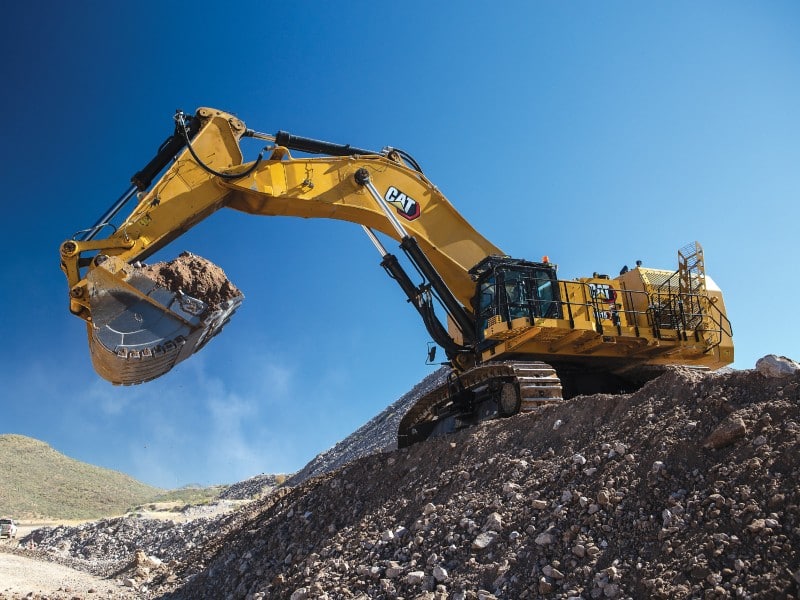
Excavators fall in the middle to high fuel consumption range. If you’re running a big one (20T+ and bigger) that’s working continuously, you’ll start to see the cost go up pretty quick, especially in wet hire situations where fuel is included in the rate. You can browse excavators available for hire to compare sizes and fuel profiles before committing to a machine for your project.
Dozers are right at the top of the fuel consumption list. Because they’re pushing heavy loads and running for long periods they’re very sensitive to changes in diesel prices. Rate adjustments tend to be more than average for this type of machine. If dozer work is part of your scope, it’s worth checking current dozer hire rates and availability early so you can lock in pricing before further increases.
Dump trucks are another high fuel user. They keep running under load and that means the cost of fuel just keeps going up. This affects both hire rates and the overall fuel budget for your project. You can browse dumpers and dump trucks available for hire to compare carry capacities and find the most fuel-efficient option for your haul distances.
Loaders and graders are in the mid-range for fuel consumption. They get affected, but not as badly as dozers or dump trucks. It all depends on how much they’re being used though.
And then there’s the small equipment – compact machines and light plant. They don’t use much fuel at all, so the impact on hire rates is pretty minimal and usually gets absorbed into the cost without anyone really noticing.
What It Really Means
Fuel prices do translate into hire costs, but not one for one.
A 10-20% increase in diesel price can mean a 5-12% increase in wet hire rates, depending on the type of machine and how much it’s being used. High fuel machines are going to be at the top end of that scale.
Transport costs can go up even more, especially if you’ve got to get your machine a long way to the site.
And then there’s idle time. When your machine is running but not doing anything useful, fuel is still getting burned up and that just increases the cost per hour. This gets worse when fuel prices go up.
What Contractors Need To Do
Locking in rates early helps you avoid the volatility of short-term fuel price changes, especially on long projects where you might end up repricing part way through.
It’s also time to start checking prices from multiple suppliers more closely. They all adjust at different times because of their fleets, fuel contracts and how they’re using their machines.
Cutting down on idle time also saves you money. Get your scheduling right, make sure the different trades are all talking to each other, and try to keep your machines running when they’re not just burning fuel.
When you’re thinking about whether to go for wet or dry hire, you need to take a closer look at the total cost. In areas where fuel is expensive, dry hire might look like it’s going to save you money at first, but in the end it can actually cost you more. If loaders are part of your equipment mix, browse loaders available for hire and compare options across suppliers to find the best combination of rate and fuel efficiency for the job.
And What’s Ahead
Fuel price volatility is just adding to the uncertainty of equipment hire costs. Rate consistency is going to be a lot harder to predict, especially across different regions and suppliers.
You’re going to need to keep a closer eye on your suppliers and their pricing structures because the cost variation is going to get wider and the timing of when you get your equipment is going to start to make a difference in the total cost of your project.