
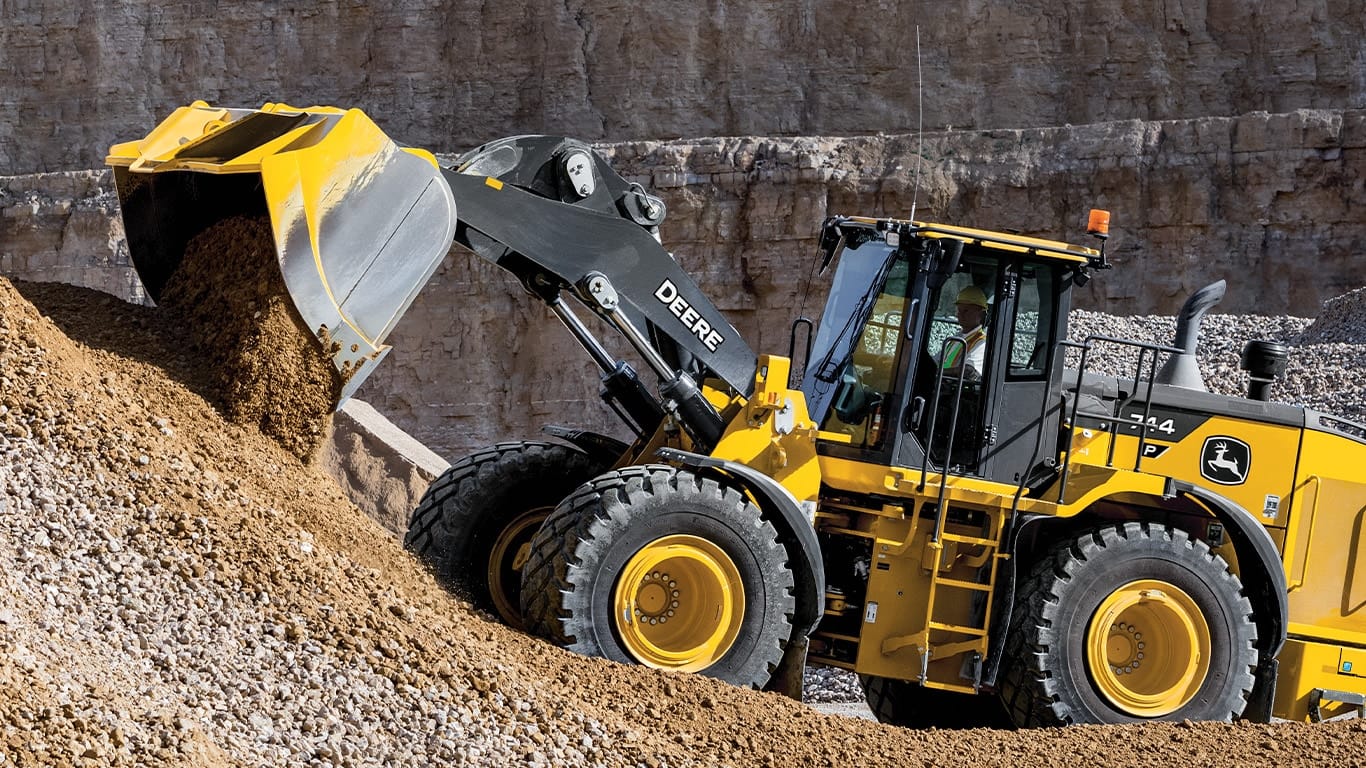
When it comes to construction equipment, knowing the differences between a bulldozer and a wheel loader is important. Both are on the job site but serve different purposes, especially when considering project needs. This article will help you decide between a bulldozer or a wheel loader for your needs and if hiring a wheel loader might be a better option.
Loaders and Bulldozers
Loaders and bulldozers are both essential for earthmoving and material handling in construction and landscaping. But the differences between dozers and front loaders lie in their design, function and application. Bulldozers are good for moving large amounts of earth and debris while wheel loaders are good for moving materials over shorter distances with their buckets. Knowing the differences is key to choosing the right equipment for the job.
What is a Bulldozer?
A bulldozer, also known as a dozer, is a heavy duty piece of equipment used for pushing large amounts of soil, sand, rubble and other material during construction or conversion work. The primary attachment for bulldozers is a big metal blade at the front of the machine. This blade is used to level the ground, remove obstacles and perform grading tasks. Bulldozers have excellent traction and stability especially on uneven terrain. They are good for site clearing and creating a base for construction sites.
What is a Wheel Loader?
A wheel loader, also called a front-end loader or a bucket loader, is a type of equipment used for handling materials. Unlike a bulldozer that pushes material, a wheel loader uses a bucket on the front to scoop up and hauling materials like soil, gravel or debris. The versatility of a wheel loader is enhanced by the ability to swap the bucket for other attachments such as forks for specialized tasks. Compact front loaders are good for their maneuverability, especially in tight spaces and on slopes. The big wheel loader and its hydraulic systems makes material handling on the job site efficient.
Applications of Front-End Loaders
Front-end loaders, or wheel loaders, are used in many applications because of their utility and efficiency. Primarily, dozers are good for loading materials onto dump trucks, transporting materials around a construction site, and clearing debris. The ability to change the attachment allows a front-end loader to do more than just scoop; they can be fitted with forks for pallet handling, grapples for waste management, or even snow plows, making them versatile equipment options. When deciding between a bulldozer or wheel loader consider if you need the machine to move smaller materials or just level with one attachment.
Choose Between a Bulldozer and a Front Loader
Design and Structure
The main differences in design between bulldozers and wheel loaders greatly affects their performance on the job site. Bulldozers are built for pushing. Wheel loaders have tires for maneuverability and a bucket on the front for handling materials. This difference in design dictates which machine is best for specific earthmoving tasks and will influence your decision when choosing between a bulldozer.
Functionality and Performance
In terms of functionality bulldozers are good for grading, pushing large amounts of earth and handling heavy duty tasks on uneven terrain. They are not good for moving materials over longer distances. Front loaders are designed for loading materials into dump trucks or hoppers efficiently. Their utility is enhanced by the ability to swap the bucket for a range of attachments like a grapple. Consider if you need to handle materials or just level with one attachment will help you choose between a bulldozer.
Operational Costs and Efficiency
Consider operational costs and efficiency when choosing between a dozer and a front loader for your construction project. Bulldozers are powerful for land clearing but may consume more fuel and require higher maintenance due to their tracks and complex systems. Wheel loaders are more efficient for hauling tasks and have better maneuverability which can reduce labor costs. Hiring a wheel loader might be a cost effective solution if your project is mostly material handling and not the extensive grading that a dozer does.
Bulldozer or Wheel Loader
Considerations
When deciding between a bulldozer or wheel loader for your construction project consider the following. First, what’s the main task: land preparation and grading or loading and moving materials? Bulldozers are good for heavy duty grading and land clearing on uneven terrain. Wheel loaders are good for site logistics. How big is the job; for large excavations both front loaders and dozers are needed.
Heavy Equipment Rental Options
If the project is short term or varies, heavy equipment rental might be a cost effective solution. Renting a wheel loader gives you access to different sizes and types of loaders without the long term financial commitment of buying. Equipment rental also gives you access to specialized attachments like a grapple for debris or different bucket sizes for various loading tasks. For smaller projects renting a compact wheel loader is a more sensible option than buying. Compare the cost and benefits of renting versus buying considering usage frequency and project scope.
Common Misconceptions
One common misconception is that all loaders and dozers are interchangeable, but their specific functions cater to different project needs. In reality, the main differences in design make each better suited for specific tasks, whether it’s a dozer for grading or a front loader for handling materials. Another misconception is that bulldozers are only for large land clearing; in fact they are also used for fine grading and leveling. Some might think wheel loaders are only for loading tasks but their compatibility with different attachments allows them to do snow removal or material distribution. Understanding the nuances and choosing the right tool or understanding the differences between bulldozers and wheel loaders is key.
Conclusion: Choosing the Right One
Summary
In summary the main differences between bulldozers and wheel loaders are in their design, functionality and applications. Dozers are designed for pushing and grading, making them perfect for heavy-duty earthmoving on uneven terrain. Wheel loaders are good for moving materials. The differences between bulldozers and wheel loaders is why they cannot be used interchangeably. The operating weight and hydraulic systems on a big wheel loader greatly improves the loader’s performance.
Recommendations
When choosing between a bulldozer or wheel loader consider the project’s main requirements. If grading and pushing large amounts of material is the main task then a bulldozer is the way to go. If moving materials and versatility is key then a wheel loader, maybe a compact wheel loader for maneuverability, is the better choice. For projects with mixed tasks consider a wheel loader or a bulldozer especially if the need for one type of heavy equipment is short term.
Future of Loaders and Bulldozers
The future of both loaders and bulldozers will focus on efficiency, sustainability and automation. Electric heavy equipment is becoming more common, reducing emissions and operating costs. Improvements in hydraulic systems and control technology will improve maneuverability and precision in both types of machines. Remote controlled or autonomous loaders and bulldozers are also emerging to increase safety and productivity on the job site. As technology advances these loaders and bulldozers will be more productive and have less environmental impact on various construction sites.