
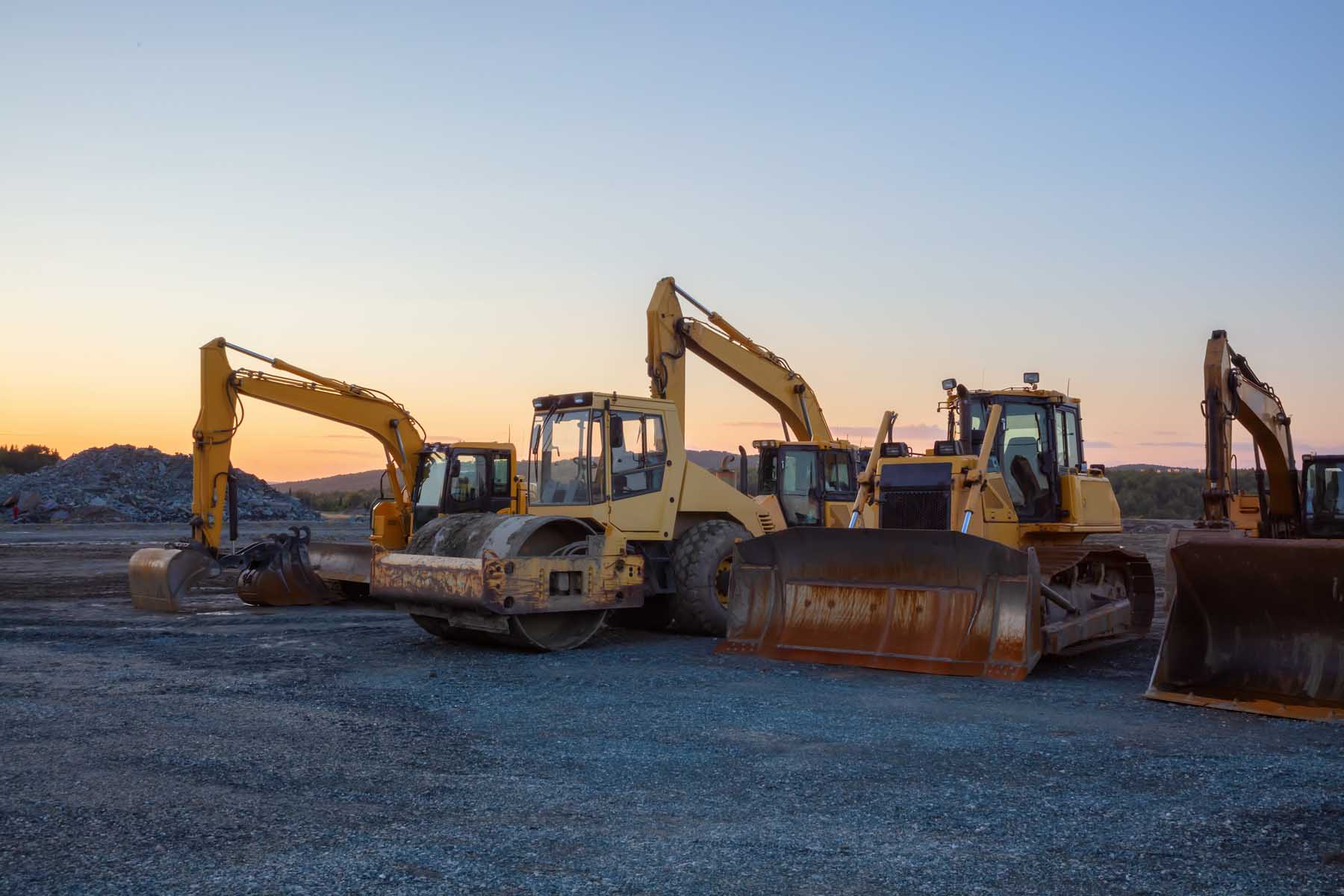
Earthmoving equipment is at the very heart of modern construction and mining, playing a major role in shaping the landscape and building vital infrastructure. From digging trenches to clearing huge construction sites, these seriously heavy-duty machines are a must-have for pretty much all earthwork tasks. What you need to know about different types of earthmoving equipment and how they fit into projects is super important for construction professionals wanting to get the best out of their work and deliver successful projects.
A Quick Look at Earthmoving Equipment
What it Does and Why it Matters
Earthmoving equipment refers to the heavy machinery you see on construction sites, used to haul around big chunks of earth, rock, or other materials. That includes excavators, bulldozers and dump trucks – all of which are just as important as the others for transforming the terrain and making way for new construction. Its importance lies in being able to speed up excavation, grading, and demolition work – which is what you need to do to get the job done faster and more efficiently with modern earthmoving machinery.
Types of Earthmoving Equipment
You need specialized gear for different earthmoving tasks. Here are a few of the main types you see:
- Excavators, which use a hydraulic system and a big scoop to dig and move earth around, are a key part of the construction industry.
- Bulldozers, which are all about clearing and grading land.
Other gear like loaders and dump trucks also play key roles in moving materials around and hauling away earth that’s been excavated – each machine does a different bit of the job. You can browse all earthmoving equipment available for hire on Quotor to compare machine types for your project.
How it’s Used in Construction
Earthmoving equipment is super valuable on construction sites, and it plays several crucial roles. These roles include:
- Digging foundations and trenches with excavators.
- Preparing the ground for road construction with bulldozers.
Loaders and dump trucks also chime in with their own bits – removing debris and getting materials from one place to another. The fact that modern earthmoving gear is so adaptable means construction professionals can tackle all sorts of different projects, from just grading to complex demolition.
Excavators: The Stars of Earthmoving
What Makes Excavators Great
An excavator is a crucial piece of earthmoving equipment, and they’re well-known for being super versatile and powerful on any construction site. These big earthmoving machines usually have a long arm with a scoop on the end – a bucket – used for digging and moving earth around. The excavator’s hydraulic system lets it move and dig with super precision and power – perfect for getting the job done with excavation, demolition and material handling. Modern excavators come in all sorts of sizes, from compact models that can get into tight spaces to the really big machines that are perfect for huge construction and mining projects. For a full breakdown of excavator types and how they work, see our guide on excavator hire.
Some Key Models and Brands
Here’s what you might look for when you’re choosing an excavator:
- Advanced hydraulic systems, improved fuel efficiency, and enhanced operator comfort are frequently highlighted in discussions about the largest construction equipment.
- Brands that specialize in compact excavators, which are perfect for urban construction sites, and heavy-duty excavators for all the big jobs are essential suppliers in the construction industry.
Construction types will often pick the model that best fits their needs, as well as the supplier that has a good reputation for reliability and performance.
Excavator Attachments and How to Use Them
The ability to change out attachments easily is a big part of what makes an excavator so valuable. You can use a standard bucket for digging and moving earth, while a hydraulic breaker is better for demolition work and breaking up concrete. Augers are great for drilling holes, and rippers are perfect for breaking up hard ground. Using the right attachments can really speed up the whole earthmoving process.
Other Earthmoving Equipment You Need to Know About
Loaders – What They Do and How They’re Used
Loaders are an important part of any construction or mining project, and they’re super good at scooping up and moving materials around. Wheel loaders in particular are great at loading materials into dump trucks or moving them to a new location. These machines are super versatile and indispensable construction equipment for getting the job done quickly and safely. If loading and material handling is part of your scope, check out loaders available for hire to compare the range of compact and full-size machines on offer.
Bulldozers – Power and Precision
Bulldozers are all about being powerful and precise when it comes to clearing land and making way for new construction projects, often used to demolish existing structures. They’re key in earthmoving projects and are super good at clearing and grading land – moving big chunks of earth around with ease. They’re especially valuable when it comes to road construction, excavation and demolition projects, helping to lay the foundations for the next phase of construction. Their heavy-duty build means they can handle even the toughest earthmoving jobs. For more info and to see available dozers for hire proceed to the guide on them.
Dump Trucks – The Unsung Heroes of Earthmoving
Dump trucks are super important for hauling away the materials you’ve excavated, as well as for moving materials to new locations. They’re designed to work with excavators and loaders to get the job done quickly and efficiently. Their strength and high carrying capacity make them essential for all the big earthmoving and construction projects. Using dump trucks properly can make a big difference to the overall success of your project. You can browse dump trucks and dumpers catalog to find the right size and type for your haul requirements.
Choosing the Right Earthmoving Equipment – What to Think About
Choosing the right Earthmoving Equipment
Picking the right construction equipment for a construction site requires a careful thought process. You have to take into account just how big the site is, the kind of terrain you’re looking at & what you need the machines for. For example : you need a compact excavator when you’re working in tight urban spaces or a heavy-duty excavator when you’re dealing with a massive excavation project. The efficiency of the hydraulic system on the excavator & whether you have the right tools (attachments) for it will also play a part – you want to end up with equipment that is efficient and cost-effective.
Picking the Right Equipment for a Project
When it comes to choosing earthmoving equipment you need to work out whether it’s got what it takes for the job in hand, or if it’s just going to end up getting in the way. You need to think about the digging depth of an excavator, the grading capacity of a bulldozer, and how much a dump truck can carry (i.e., the capabilities of different earthmoving machines). it all has to match up with what you need to do on the project). Construction pros also need to think about fuel efficiency, maintenance needs & how comfortable the operator is going to be behind the wheel of this thing. By doing it right you can pick equipment that gets the job done in the most productive and least time-consuming way, ultimately saving the day on an earthwork project.
The Future of Earthmoving – New Innovations
Earthmoving machinery is changing fast. New tech & design are making big strides. Modern earthmoving machinery now often comes with GPS so you can grade and excavate to a great degree of accuracy. The hydraulic systems are getting more sophisticated too – which means you get smoother and more powerful operation on your excavators and other gear. And then there’s the push towards being more environmentally friendly – so you see more hybrid engines and there’s even electric power being used in big heavy machines to try and cut down the impact on the environment. We’re looking at a whole new way of doing things & it’s going to change the face of earthmoving.