
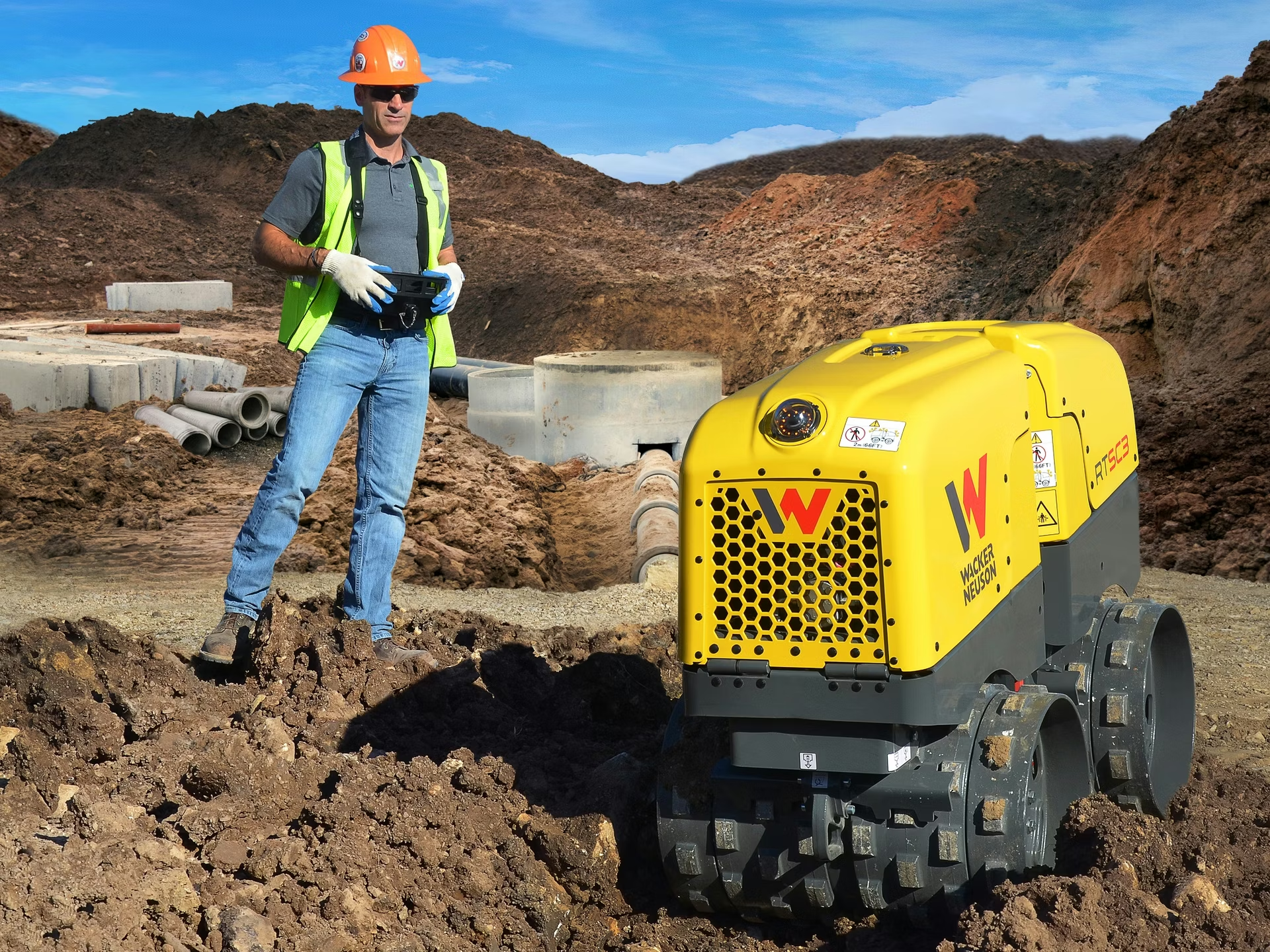
Trench rollers – also known as trench compactors – are pretty specialized construction machines that get to work compacting soil in tight, cramped spaces. Now, these remote-controlled machines are downright essential for making sure soil is all compacted and happy in trenches, especially when you’re talking about big-ticket projects in Australia where stability and foundation integrity are right at the top of the to-do list. If you want to get a handle on what makes trench rollers tick, well then understanding their purpose and features is pretty much a no-brainer.
Overview of Trench Rollers
Definition and Purpose
A trench roller is essentially a soil compaction machine that’s been specifically designed to get down into those tight, narrow trenches where the big rollers just can’t fit. The primary job of a trench roller is to pack down that soil as best it can – which is a pretty big deal, especially when you’re talking about keeping foundations stable and underground pipes in one piece. By using a trench roller, you’ll be able to ensure that soil is nice and compacted, which basically means you’re a lot less likely to have any problems with settlement down the line, especially in tight spaces.
Key Features You Need to Know
Trench rollers usually come with a narrow drum width, which makes ’em a whole lot easier to get into those tight spots. Plus, a lot of ’em are remote-controlled – which is a big plus when you’re talking about working in hazardous conditions. The padfoot design on the drum does a world of good when it comes to compacting soil, especially if you’re working with soils that are a bit too cohesive (like clay), as traditional rollers might struggle. And because they’re remote-controlled, you can get in and out of tight spots a lot easier.
Why These Machines Are So Useful
One of the things that really sets trench rollers apart is just how versatile they are. They’re good for compacting soil for foundations, pipelines, and all sorts of other underground infrastructure projects. Their compact design and remote control operation makes ’em the perfect utility tool for use in both urban and rural areas across Australia. When you get the right soil type and drum width to go with your trench roller, you’re basically golden.
Specs, Durability & Longevity
What You Need to Know About Tech Specs
When it comes to choosing the right trench roller, getting a handle on the technical specs is pretty much a no-brainer. Drum widths, for example, are a big deal – they’ll either let you get into the tight spots you need to reach or not. And of course there are other factors that play into soil compaction – like engine power and operating weight. Take a look at the table below to get a clearer picture.
Feature Importance Drum Widths – pretty much determines if you can fit it in the space you need. Engine Power, Compaction Force, Operating Weight – all of these play a significant role in how well the machine can compact soil
Why Durability Matters
If you’re going to be using a trench roller on a regular basis, it’s worth thinking about how durable it’s likely to be. Australia’s construction sites can be pretty harsh, after all. If you’ve got a high-quality machine that’s been built to last, it’s going to be a whole lot less likely to break down on you. And of course that’s a big plus when it comes to keeping costs down in the long run.
Factors That Affect Performance
You know what can really affect the performance of a trench roller? A bunch of different factors, that’s what. Soils that are a bit too moist can make the machine’s job a whole lot harder, for example. And the same goes for the operator’s skill level – if you’re not comfortable using the remote operation, you’re probably not going to get the best results.
Maintenance of Trench Rollers
Why Maintenance is So Important
If you don’t keep your trench roller in top condition, you can pretty much bet on it breaking down on you sooner or later, which is not something trench rollers can handle well. And that can be a pain – especially when you’re in the middle of a project and you need to operate the machine efficiently to get things done. Proper maintenance is a must – it’ll not only keep your machine running smoothly but it’ll also help you to keep costs down in the long run.
Tips for Maintaining a Trench Roller
Here are a few essential tips for keeping your trench roller in top nick, ensuring it remains a reliable piece of machinery. To keep your machine running smoothly:
- Regularly check the drum for wear and damage – and make sure the remote control is working properly.\
- Keep the padfoot surface clean – that way you’ll get the best possible compaction efficiency.\
- Don’t forget to keep everything properly lubricated – and follow the manufacturer’s recommendations to the letter.
By following these tips for maintaining the thing, you should be able to keep it running like clockwork.
Common Problems and Solutions
Some common issues that come up with trench rollers typically include hydraulic leaks, engine problems, and wear on the drum. Hydraulic leaks can usually be fixed with a new seal or hose – and engine problems might need some professional attention. Replacing the drum if it gets worn out is a good idea (especially the padfoot surface), as trench rollers can handle the demands of tough jobs. Make sure the remote control unit is in good nick too – that way you’ll be able to operate the machine safely.
Minimizing Downtime with Efficient Use
How to Get the Most Out of Your Trench RollerMinimizing Downtime and Maximising Efficiency
To get the most out of a trench roller & cut downtime to a minimum, operators should stick to a few key best practices . Before you even start up the machine, make sure to walk around and do a thorough once-over to ensure everything is in working order. Pick the right compaction settings for the soil you’re working with & be careful not to overload the machine. Stay within its weight limits & you’ll get a lot more out of it. Planning out your trenching project carefully – like choosing the right drum widths for the job – will pay dividends in terms of productivity and versatility. Plus, using a remote control system can give you an added layer of safety for the operator when working in confined spaces.
Getting the Best Out of Your Operators
Getting your operators properly trained is the key to getting the best out of a trench roller. A well-trained operator will know how to use the machine safely & effectively, cutting the risk of accidents & damage to the equipment. Training should cover the basics like pre-start checks, proper compaction techniques & how to troubleshoot common problems. When an operator knows their stuff, you can bet they’ll be able to get the most out of the machine, & they’ll know how to steer it safely without you having to breathe down their neck.
Reducing Downtime – All About Being Prepared
There are a few things you can do to really cut downtime when it comes to trench rollers. The first is to get into a regular maintenance routine – that means regular inspections & servicing, so you catch any problems early on. Having a stock of spare parts on hand will also help – because if a part goes, you’re not going to be stuck waiting for someone to deliver it, especially when you’re working in confined spaces. Using a telematics system to keep an eye on the machine’s performance can also help you spot potential issues before they become problems. By keeping on top of things & not putting off maintenance, you can keep your trench roller running smoothly & hit your project deadlines with ease. Preventing downtime is always going to be easier than dealing with it after it’s happened.