
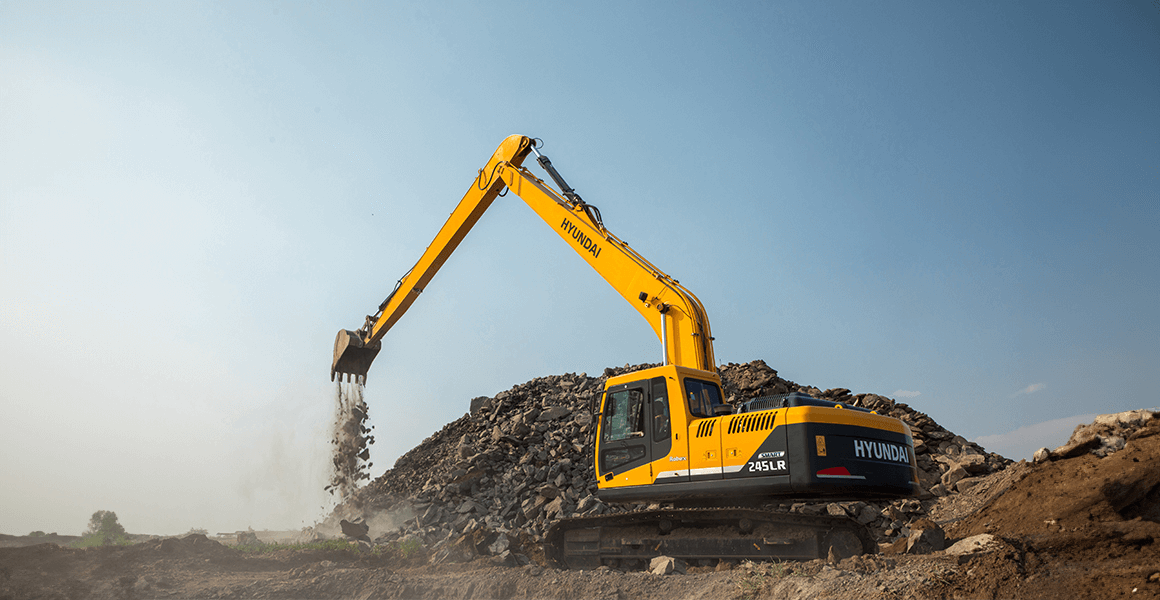
Long reach excavators are a class of heavy machinery that’s been designed to take on excavation projects which demand a lot of reach and precision. Understanding what they can do and the attachments they’ve got is going to make a big difference for contractors looking to get work done faster and safer on site.
Introduction to Long Reach Excavators
What is a Long Reach Excavator
A long reach excavator – often just called a long-reach excavator – is an excavator with a really long boom and arm. Unlike standard excavators which have their limits when it comes to how far they can reach, long reach models have a longer boom and stick, so they can reach farther and dig deeper. These machines are super useful when standard excavators just can’t get the job done – you can browse long reach excavators available for hire to see the models and specs on offer..
Why Use a Long Reach Excavator
The main advantage of using a long reach excavator is its ability to get at things that are a long way away – which is a major plus in lots of different excavation projects. With their long reach, these machines let operators stay a safe distance from unstable ground or hazardous environments, which makes accidents a lot less likely. Plus, their precision means they can allow operators to get work done in places that standard excavators just can’t reach.
Where to Use Long Reach Excavators
Long reach excavators are a perfect fit for all sorts of excavation projects, especially ones that involve deep excavation, waterway management, and slope finishing, ensuring safe operation. When you’re dredging, their ability to reach far distances makes them an absolute must for getting rid of sediment and debris. They also come in super handy for creating trenches where access is limited or the ground is unstable – and their reach means you can get precise work done on those tricky slopes. All in all, the extended reach makes it possible to get the job done faster.
Choosing the Right Type of Long Reach Excavators
Standard Long Reach Excavator
A standard long reach excavator is a versatile machine that’s good for just about any job that requires a bit of extra reach compared to a standard excavator. It’s got a longer boom and stick, making it perfect for jobs that need that extra bit of reach without needing to dig too deep. Contractors love them for general excavation work, waterway maintenance, and slope finishing.
Super Long Reach Excavator
The super long reach excavator is a beast of a machine – it’s got an incredible long arm that’s perfect for the really tricky jobs. It’s got an extended boom and an arm that’s longer than you’d believe, giving it the power to dig far into the depths or get across water with ease. When you’re looking at machines of this size you can bet the engineering that goes into their hydraulic systems is top-notch.
Picking the Right Excavator For Your Needs
When it comes to choosing the right long reach excavator, you need to consider a few things. What’s the maximum reach you need? How deep and far do you need to get? What’s the state of the ground you’re working on. If you need to get across water, a super long reach excavator with extended components is probably the way to go, but if you’re just looking for general reach excavation on land, a standard long reach might do the trick. Thinking through these factors will help you get the right machine for the job.
Long-Reach Excavator Attachments
Common Attachments For Long Reach Excavators
The attachments used on long reach excavators are just as important as the machine itself – and it’s not just because of the boom and arm. Some common ones include:
- All sorts of buckets for digging and moving material
- Grapples for demolition work and getting rid of debris
- Hydraulic breakers for breaking up concrete and rocks are essential tools for many construction projects.
Specialized attachments can really take your long reach excavator to the next level, enhancing its capabilities for various construction projects.
How Attachments Help
Excavator attachments are a big part of what makes a long reach excavator so versatile. They allow you to get more work done more quickly and safely. A tilting bucket, for example, makes slope finishing and grading a breeze, and a hydraulic thumb gives you more grip when you need it. For a full rundown of what’s available, our guide to the different types of excavator attachments covers the complete range and what each one is best suited for.
Picking the Right Attachments
When it comes to choosing the right attachments for your long reach excavator, think about the job you’re working on and the materials you’ll be handling. What sort of tasks are you doing? What sort of ground are you working on? A contractor should be thinking about whether a standard bucket will do or if you need something a bit more specialist – like a grapple or hydraulic breaker. Getting that right will help your operators get the job done quickly and safely.
Technical Specs and Capabilities
Maximum Digging Depth of Long Reach Excavators
The maximum digging depth of a long reach excavator is a key spec that contractors Need to take into account . Unlike standard excavators, long reach models have been designed with an extended boom & arm to reach deeper, they’re made for that kind of thing . What you’ll need to dig will depend on the specifics of your excavation project though – and some specialist excavators are capable of a greater reach, but that often comes at the cost of digging depth. It’s always worth checking out the manufacturer’s specs to make sure the long-reach excavator you’re after can actually handle the specific requirements of your project.
Operational Range & Reach
The operational range & reach of a long reach excavator are pretty critical Performance statistics . The fact that they can extend their reach means operators can get to places where specialized excavators just can’t reach. A long reach excavator’s horizontal and vertical reach is what determines how well its going to suit the job – & if you’re looking at things like dredging or slope work, that’s pretty important. Being able to understand what you’re getting with the machine you’re buying is vital for choosing the right one for your site – & for working efficiently.
Long Reach Excavator Performance Metrics
When you’re evaluating a long reach excavator, there are several Performance metrics you need to think about. These are things like the lifting capacity at maximum reach, the cycle times for digging & dumping, and the fuel consumption. Plus – the stability of the long reach models is a big deal, especially when they’re being used with attachments at full extension. The hydraulic systems in long reach excavators are vital for keeping them running smoothly & reliably, so you need to make sure you keep an eye on those.
Things To Bear In Mind When Using Long Reach Excavators on Construction Sites
Site Layout & Accessibility
When you’re planning to bring a long reach excavator onto a construction site, you really need to think about the site layout & accessibility. The fact that they’ve got an extended boom & arm means they need a lot of room to operate – so narrow passages, or obstacles above head height, or uneven terrain is all going to make life tough for them. If you can get the layout right though, you can get the most out of those exceptional reach capabilities without cutting corners on safety.
Safety Protocols For Deep Excavation
If you are going to be using a long reach excavator to dig deep, you have to be super strict about safety protocols. As you dig deeper, the risk of collapse & instability increases – so you need to be doing things like shoring, sloping, and benching. Operators have to be super well trained on operating them safely, and the site needs to be regularly checked for hazards. Keeping a safe distance away from the edges is just as important to stop accidents from happening – & it’s also really important to get the right machine for the job.
The Cost Implications Of Using Long Reach Excavators
The cost of using a long reach excavator goes way beyond the price of the machine itself. Transporting them, getting the right operator trained to use it, and the fact that they burn more fuel all add up to the specific requirements of construction projects. And if you need long reach attachments, that’s extra too. However, having the ability to get to areas where standard excavators can’t reach often makes up for all that – especially on projects where they would need more time, people and resources. If you’re still sourcing your machine, you can browse the full range of excavators available for hire to compare long reach models alongside other types. If you plan ahead and work efficiently, you can keep costs under control.