
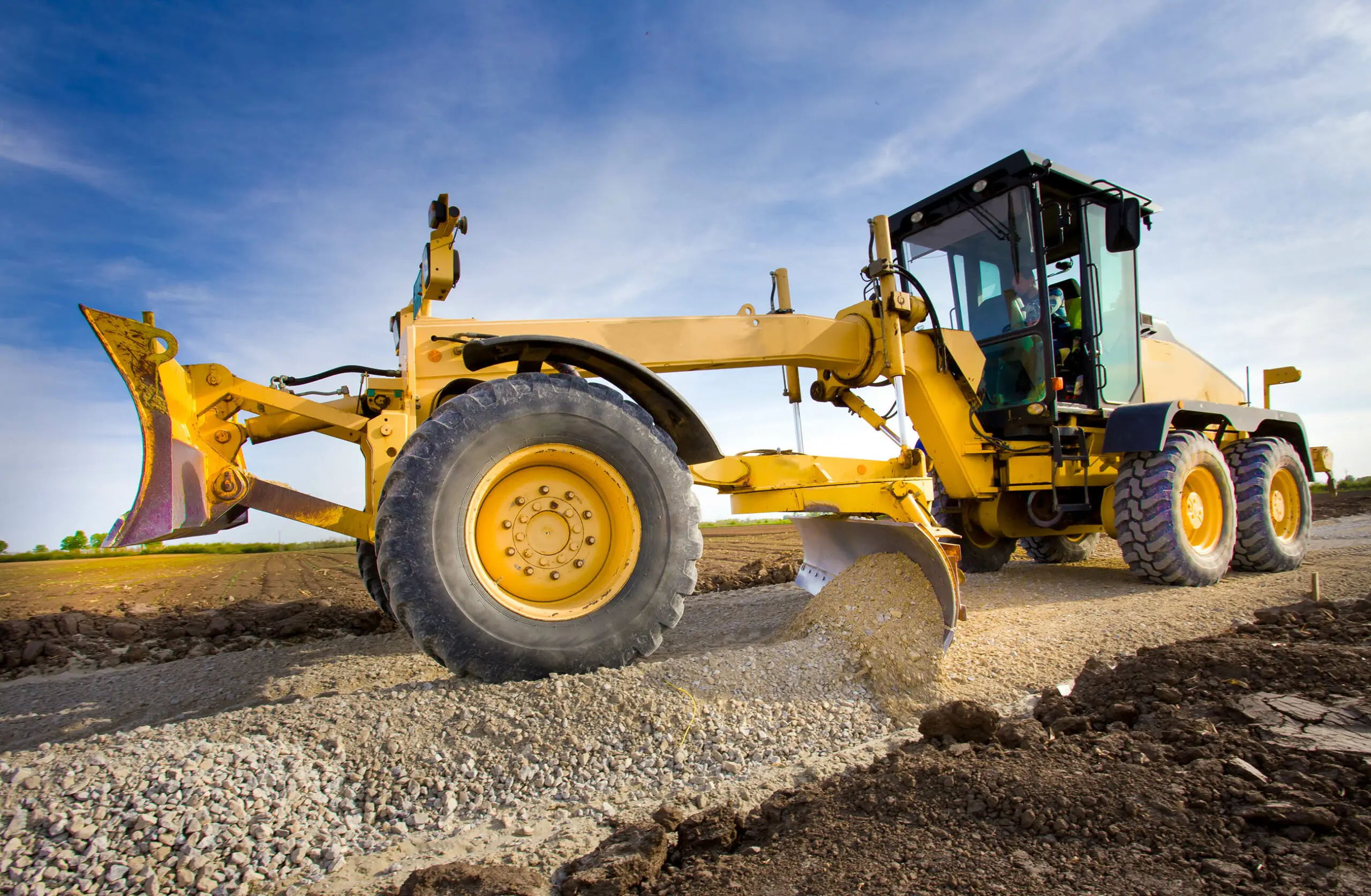
A grader, more commonly referred to as a motor grader or road grader, is a crucial piece of equipment that gets used all the time in the construction industry and in civil engineering projects. If you’re involved in any sort of road construction, heavy construction or commercial construction, you’re going to need to get familiar with motor graders. They’re a lifesaver on the job site, capable of performing a whole bunch of different tasks – from smoothing out a surface to finishing grading and even snow removal. Graders are put to use in all sorts of applications.
Understanding Motor Graders
What is a Grader
A grader is basically a heavy machinery vehicle with a long blade that’s used to level surfaces. The primary job of a grader is grading which is essentially creating a smooth surface for road surfaces or getting a construction site ready to go – it’s pretty straightforward. Graders are used to level ground effectively and efficiently and they can also be used to create specific slopes for drainage – no problem. The grader blade, or moldboard, is that adjustable blade sitting between the front and rear axles that lets the operator get a super precise control over the grade. If you’re ready to get one on site, you can browse graders available for hire across a range of blade sizes.
Types of Graders
Okay, so the standard motor grader is probably the most common type you’ll come across but graders can also come in all sorts of different sizes and configurations to suit whatever construction project you’re doing. Some graders come with extra attachments like a ripper or a scarifier to break up hard surfaces or remove old asphalt. When you’re doing some smaller landscaping or construction projects, a smaller grader is perfect but for major road construction and earthmoving tasks you’re going to need something a lot bigger. Sometimes graders can even be used as a bulldozer when the need arises.
What’s a Motor Grader Made Up Of
A motor grader, a type of construction equipment, is made up of a few key bits and bobs all working together in harmony, including an adjustable blade between the front axle and the rear. The long blade is the main feature and that’s used to level and smooth out all sorts of materials. The cab is where the operator sits and it’s got all the controls you need to get the grader moving and adjust the grader blade as needed. The front and rear axles provide the stability you need to get the job done. Some motor graders come with a scarifier or ripper attached to the front or rear to help break up hard surfaces and, in some cases, you can use a loader bucket with a grader too. To get the best out of your grader, you’re going to need to understand how it all works, including adjusting the angle of the blade, and how to keep it running smoothly.
Graders Used in Road Construction
What Can Graders Be Used For
Graders get used in all sorts of different applications across the construction industry and beyond, including pothole repairs and snow removal. Primarily they’re essential for road construction – they smooth out the surface and create a flat surface to ensure the road is properly graded. The road grader levels the ground and gets it ready for asphalt paving or gravel roads. Motor graders are used on all sorts of civil engineering projects – from laying the foundations to creating drainage ditches. Beyond construction, graders can be used for snow removal and clearing debris from construction sites, which just goes to show how versatile they are. These machines are a vital part of both heavy construction and commercial construction – they get the job done efficiently and effectively every time. The main job of a grader is to level ground and they can also be used to create inclines and manage materials – and in some cases they can even be used as a tractor.
Why Use a Motor Grader
Using a motor grader on a construction site has a whole bunch of benefits, including its versatility in tasks like pothole repair and snow removal. To start with, they’re super precise when it comes to grading and leveling which is really important if you want road surfaces that are stable and going to last. The adjustable blade lets you get super precise grade control which means you can create specific slopes for drainage and other features you need. Motor graders are cost-effective and efficient, which means you save time and resources on your construction project, especially when it comes to fine grading. What’s more, they’re super versatile – they can perform a whole bunch of different tasks from initial earthmoving to finish grading. Graders are often used alongside other earthmoving machines too – if you’re wondering how they compare to another common site workhorse, our article on dozer vs motor grader breaks down when to use each one.
Popular Grader Models
There are loads of different grader models on the market – each one is designed to meet specific needs and requirements. These graders can come in different sizes – from smaller models that are perfect for landscaping and small construction projects to bigger, more powerful machines that are needed for heavy construction and earthmoving tasks. The choice of grader model depends on the size of the construction project, the type of material you’re grading, how much precision you need, and the versatility of the grader. If you want to get the most out of your motor grader, you need to know the different models available and what they can do – that way you can choose the right construction equipment for the job. And in some cases, graders can even be customized with attachments to get even more use out of them.
Road Grader Hire and Rental Options
When Do You Need to Hire a Grader
When it comes to construction projects, you don’t always need to buy a grader – sometimes hiring one will do the trick.Deciding when to choose a motor grader for hire is a big decision, and its all about weighing up what you need. If your construction project requires a precise finish and perfect leveling, a motor grader becomes more or less essential – it’s a game changer for road construction too where it’s all about getting that perfect flat surface & making sure the road surfaces are just right. But the same goes for any project that involves moving a lot of earth or needs a very specific slope for the drainage to work properly. And let’s not forget if you only need the thing for a short while – or can’t afford to splash out on purchasing & maintaining one , then hiring a grader is a pretty smart move.
Choosing the right Grader for Your Project
Figuring out which grader is right for your construction project is a bit of a puzzle and requires some serious thought. Consider how big the project is and just how much heavy lifting it is going to take – that will dictate how big the grader needs to be & how much oomph it needs to have. Small landscaping jobs might only need a wee compact grader while bigger projects like earthmoving and road construction are going to need something a lot bigger, and a lot more powerful. And don’t even get me started on what you are working with – some graders are experts with asphalt while others are much better with gravel. Check out the add on options, like a ripper or a scarifier, if you’re going to be dealing with some seriously hard surfaces.
Cost Considerations for Grader Hire
When you’re looking to hire a grader, you need to think about all the costs involved, including potential snow removal services, so you know you’re not going over budget. Get quotes from a few different places and compare their rates – and when you do, keep an eye on some key things:
- Hourly, daily or weekly charges, because that can add up fast
- How much is it going to cost to get the grader machine to your construction site, and then to haul it away again?
- Insurance too – is it included in the rental price, or is that an extra fee? And what about maintenance and repairs – are you on the hook for any of that?
Take a good hard look at the whole project timeline and figure out how long you’ll actually need the grader for. And consider whether buying a used grader might be a better option – even if it costs more upfront, it could be the more cost-effective choice in the long run. If you’re also considering a scraper for your project, our comparison of motor grader vs scraper breaks down which machine is better suited to each type of task.