
Choosing the right equipment for your construction or earthmoving project is key to success. Among all the machinery out there, the dozer is a versatile and powerful tool. But not all dozers are created equal. Knowing the main differences between wheel and track dozers will help you make an informed decision.
What is a Dozer
What is a Dozer?
A dozer, also known as a bulldozer, is a piece of heavy equipment used to push large quantities of soil, sand, rubble or other materials. This powerful machine has a big metal blade at the front which is used to push material. Dozers are used in construction, road maintenance, mining and demolition projects so they are a common sight on many job sites.
Types of Dozers
There are different types of dozers available on the market but two main types are tracked and wheeled. Track dozers have a continuous track system while wheel dozers come equipped with big heavy-duty tires. Each type of dozer, whether track or wheel, has its advantages and disadvantages so they are suitable for different applications and have different characteristics that affect their performance.
Why Choose the Right Dozer
Having the right type of dozer is crucial to maximize productivity and minimize costs. Traction of track dozers and maneuverability of wheel dozers are factors to consider. Using the wrong dozer for the job can lead to decreased efficiency, increased fuel consumption and potential damage to the machine or the work zone. Knowing the differences between dozers will help you find the right machine for your needs and get the most out of your investment.
Track or Wheel Bulldozers
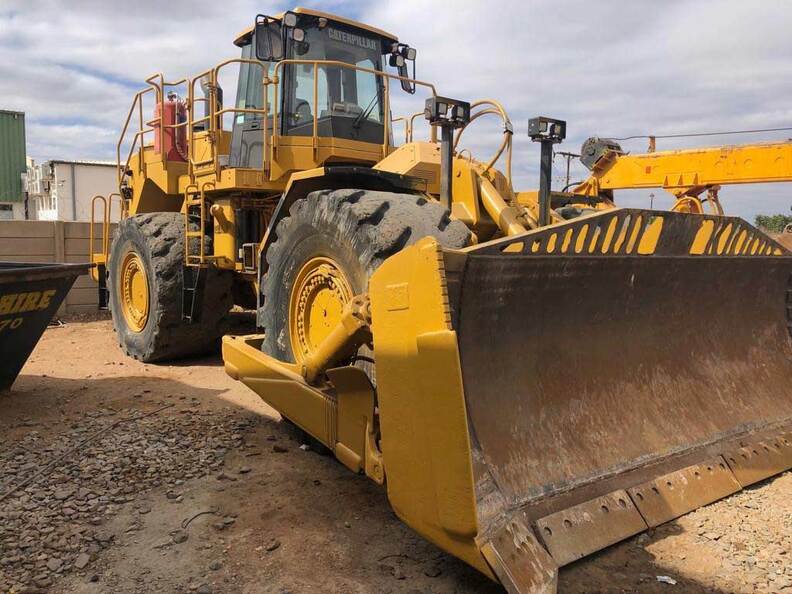
What is a Wheeled Dozer
Wheel dozers, also known as wheeled bulldozers, are heavy equipment with big rubber tires. These machines are more mobile and faster on paved surfaces, but a track dozer is great for flat, compacted surfaces as well. Wheel dozers are best for tasks that require frequent travel between job sites or for road maintenance where speed and maneuverability is key.
Track Dozer (also known as a Crawler Dozer)
Crawler dozers are heavy machinery that runs on a continuous track system. These tracks help the machine gain great traction and stability so they are good for uneven surfaces and soft ground. Track dozers excel in applications like land clearing, heavy earthmoving, and construction projects where ground pressure needs to be distributed evenly, making them ideal for such tasks.
Hybrid Options
The hybrid option combines features of both track and wheeled dozers. These specialized machines may have adjustable track systems or other innovative designs to offer a balance of mobility and traction. But these hybrid solutions are less common and often tailored to specific applications. Selecting the right dozer requires careful consideration of your project’s unique needs.
Main Differences Between Wheel and Track Dozers
Mobility and Maneuverability
Wheel dozers are faster and more agile on paved surfaces. Track dozers are better on off-road conditions where traction is key. Mobility of wheel dozers and traction of track dozers are the key.
Terrain Suitability
Track dozers are designed to excel on uneven surfaces, soft soil and steep slopes. Wheel dozers are better for flat, paved, or compacted surfaces, making them ideal for urban construction projects. When working on soft or sensitive ground, the tracks distribute the weight.
Fuel Efficiency Comparisons
Wheel dozers are generally more fuel efficient than track dozers especially on paved surfaces. Make sure to operate and maintain them properly than wheel dozers.
Advantages and Disadvantages
Pros of Wheel Dozers
Wheel dozers are good for road maintenance projects due to their versatility and mobility. They provide lower ground pressure and good fuel efficiency on the surface of a newly paved road, asphalt and grass. They are also easier to operate and maintain over the lifetime.
Cons of Wheel Dozers
Despite their advantages, wheel dozers have limitations. Their performance suffers on uneven slippery surfaces and soft ground where their tires struggle to match the traction of track dozers. Unlike tracked dozers, they are not suitable for applications that require high traction or stability on challenging terrain. The ground pressure of their tires can also be a concern when working on soft or sensitive surfaces.
Pros and Cons of Tracked Dozers
Tracked dozers have great grip on uneven surfaces, soft soil and steep slopes. But they are less maneuverable, slower and can cause damage to paved surfaces, where their fuel efficiency is lower. When finding the right dozer, assess your project’s specific needs. Consider the terrain, the material being moved and the speed and maneuverability required. If your project is mostly flat, paved surfaces, a wheel dozer may be the best fit. For off-road applications with challenging terrain, a track dozer is generally the better choice.
Cost
Tracked dozers have higher purchase price and cost to operate and maintain than wheel dozers. However, they may offer better long term value in certain applications because of their durability and performance on challenging terrain. Consider all costs to choose the best dozer for the job that best suits your needs.
Long Term Maintenance and Durability
Evaluate the long term maintenance requirements and durability of both types of dozers. Tracked dozers have more moving parts in their undercarriage which can lead to higher maintenance costs over time. Wheel dozers need tire maintenance and replacement. Knowing these will help you make an informed decision on what dozer best suits your specific requirements.