
Single Drum Roller vs Double Drum Roller: Choose the Right One

Compaction rollers press soil, gravel and asphalt into a dense, stable base before the next stage of a build goes in. Single drum and double drum rollers, as Quotor’s guide explains, are the two road roller configurations you will see most often on an Australian site, and the difference between them starts with drum count and placement. A single drum roller delivers its compactive force through one large steel drum at the front, backed by tyres at the rear for steering and traction. A double drum roller compacts through two steel drums, one at each end of the frame, so every pass works the full width of the machine in steel rather than half steel and half rubber. That layout is what drives almost everything else covered below, from the ground each machine handles best to the finish it leaves.
Padfoot vs Smooth Drum Roller: Choosing the Right Compaction Equipment
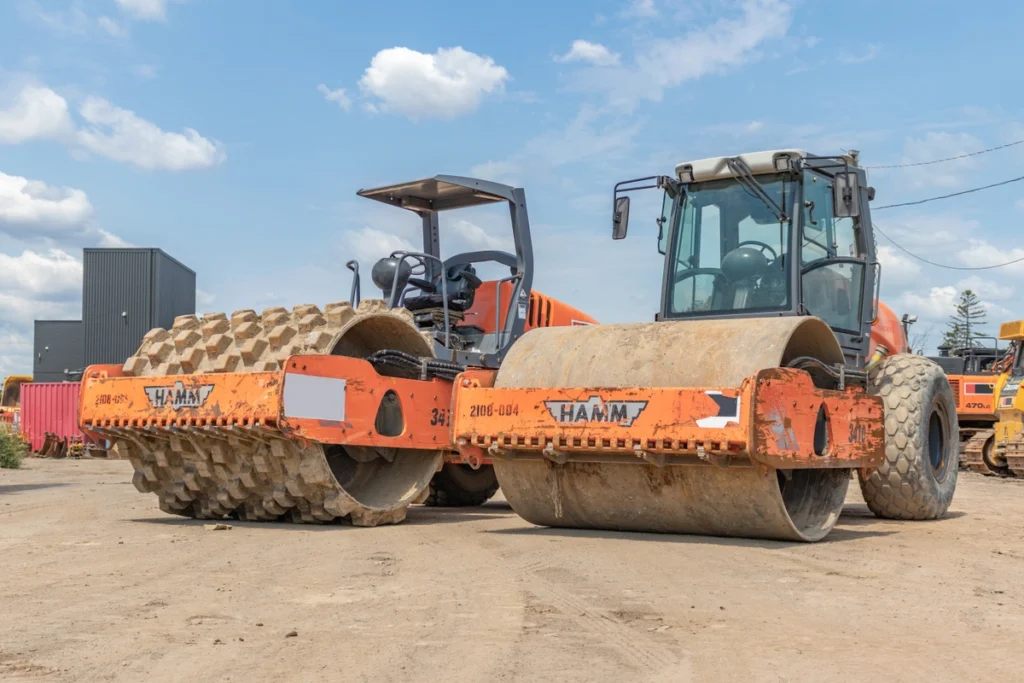
Padfoot rollers and smooth drum rollers are both compaction rollers, but they compact material differently and suit different stages of a job. Getting the choice wrong can mean soil that never reaches the density an engineer specified, or a finished surface left with ridges through it. This guide compares the two types of compaction rollers to match the machine to the ground, from a clay heavy building pad to an asphalt overlay. Quotor stocks both machine types across most of the sites it services in Australia.