
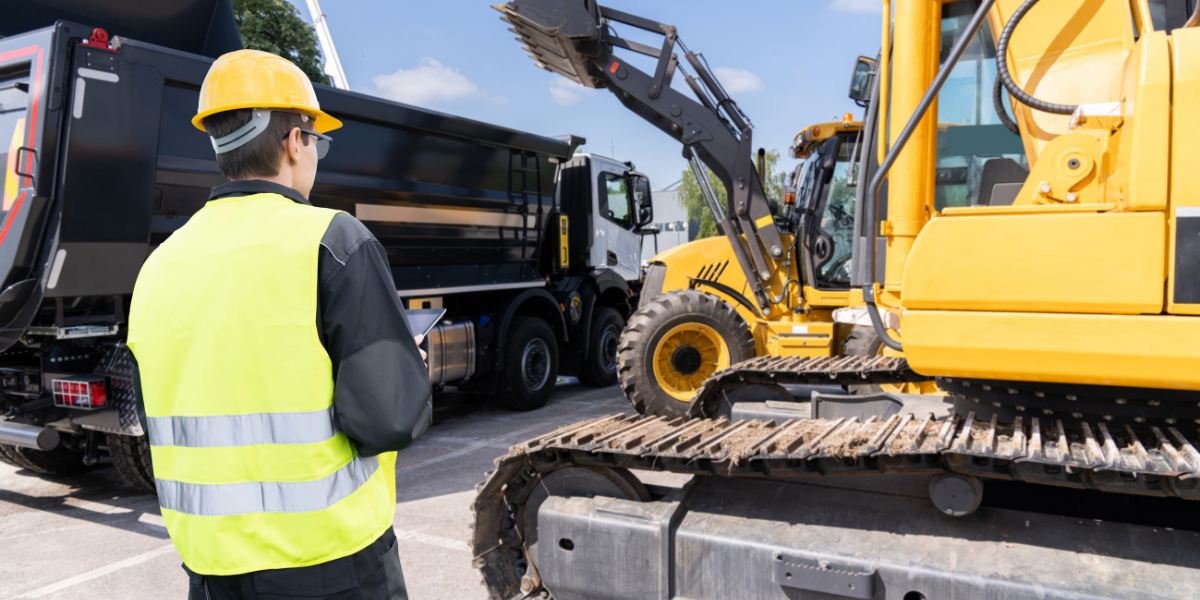
Estimating equipment costs with any real accuracy is the difference between a healthy profit and a financial headache in the construction game. This article is about stripping away the guesswork and getting down to the nitty-gritty of how to get a handle on equipment costs in a way that actually means something for your project planning and bidding processes. Let’s delve into the key bits that make all the difference in getting an equipment cost estimate that actually sticks.
Understanding the Cost Estimation In Construction
When it comes to construction, getting a grip on equipment costs is a non-negotiable. For beginners, this might come as no surprise – equipment costs in construction are a huge chunk of the total budget, and understanding how to estimate equipment costs can make or break your business. To stay in the game, you’ve got to have a solid understanding of how to estimate equipment costs accurately.
Definition of Equipment Costs
An equipment cost is every last cent you spend on using construction equipment on a project – from buying or leasing the thing in the first place, to keeping it in good nick (which means maintenance and repairs), to running it (which means fuel), and keeping it manned (which means operator wages). To estimate equipment costs, you need to get to grips with all these various factors – and do it with a level head to boot.
Importance of Accurate Equipment Cost Estimation
Getting equipment costs spot on is fundamental to making a decent construction estimate, as it directly impacts the total cost of the project. Underestimate equipment, and you’ll struggle to make ends meet and stick to your profit margins. Overestimate, and you might just scare off a client with an uncompetitive bid. By getting equipment costs right, you can plan your project with a clear head, stay on top of finances, and avoid nasty surprises that might blow your budget.
Types of Equipment Used in Construction
There are loads of different factors at play when it comes to equipment costs in construction. The type of equipment you’re using, how old it is, how long it’s been working on the project – all these things, plus external factors like fuel prices and labor costs, will be impacting your costs. To stay ahead, you need to stay on top of all these variables, and adjust your calculations accordingly to make sure you’ve got an accurate estimate.
Types of Construction Estimates
Different Types of Estimates
When it comes to cost estimation, you’ve got loads of different estimates to choose from – each one serving a different purpose. A rough order of magnitude estimate gives you a ballpark figure at the early stages of a project, while a more detailed estimate comes later on with a higher degree of accuracy. The key is to understand which estimate is right for your particular project.
Choosing the Right Estimate for Your Project
The estimate you need will depend on how far your project has got and how much reliable data you have to hand. At the start, a conceptual estimate might be enough for budgeting, but as things progress, you’ll want to move on to a detailed estimate that accurately reflects your equipment needs. What kind of design you’re working with, whether you have reliable cost data at your fingertips, and just how much risk you’re comfortable with all factor into this decision.
Common Mistakes that Can Trip You Up
There are some real pitfalls waiting to trip up even the most seasoned estimators in the construction industry. If you overlook indirect costs, forget to account for inflation, or fail to factor in equipment downtime, you can end up with a dodgy estimate. Relying on outdated rates or dodgy data is another surefire way to end up in the red, especially in the competitive construction industry. Staying on top of these common errors is key to getting it right.
The Steps to Estimating Equipment Costs
Gathering Your Data in Order
The first step to estimating equipment costs is to gather all the data you need. This means identifying what construction equipment you need, getting a good handle on rates, figuring out maintenance costs and repairs, and researching any factors that might affect the overall cost of running the equipment. Get this right, and you’ll be off to a flying start.
Working Out Your Direct and Indirect Costs
Once you’ve got your data, the next step is to calculate both direct and indirect equipment costs. Direct costs include things like fuel, maintenance, repairs, and operator wages – the straight-forward stuff. Indirect costs are a bit more tricky to pin down, and might include insurance, storage, and transportation, but are just as important to the overall project cost. Getting a handle on these various costs is crucial to making a solid estimate.
Equipment Rates – the Key to Accurate Estimating
Rates are the backbone of accurate cost estimation, vital for managing total costs in any project. These rates include the cost of buying or leasing the equipment, depreciation, maintenance, and all sorts of other expenses. Getting the latest rates will ensure that your estimate reflects the real costs of owning and running that equipment – and that your project stays on budget.
The Tools for Accurate Equipment Cost Estimation
Software for the Job
When it comes to construction cost estimating, specialized software is an absolute must-have. These tools incorporate rates, maintenance costs, and depreciation, taking all the guesswork out of calculating equipment costs. And because they’re automated, you can rest assured your estimates will be spot on, leading to more accurate cost projections.
What Past Experiences Can Teach You
Don’t forget the power of historical data in helping you estimate equipment costs. Reviewing previous equipment expenses, maintenance costs, and repair records will give you a wealth of insights into potential cost factors and trends in the construction industry. Analyze this data to refine your cost calculations and make sure your estimates are more accurate for similar projects in the future, minimizing unforeseen expenses.
Get the Expert Opinion
Experienced estimators bring a wealth of real-world knowledge and insight to the cost estimation process, which is crucial for construction companies. They understand what makes costs tick, rates, and the kinds of problems that can pop up – and this combined with their experience can really make a difference when it comes to getting construction estimates right. If you’re lucky enough to have their guidance on tap, you can count on them to sniff out overlooked costs, question assumptions and generally make your overall cost analysis a whole lot more reliable and competitive – and help you put together a bid that really stands up. They can also help keep costs and resources allocated accurately, ensuring that project costs remain manageable.
Conclusion: Estimating Equipment Cost In Construction
Summary of Key Points
Accurate equipment cost estimation is the foundation of a successful construction project – and if you get it right, everything else follows suit. By digging into different estimates, gathering all the right data, and making sure you’re working with reliable rates, construction estimators can make their estimates a whole lot more accurate. You need to factor in both direct and indirect costs – and avoid the common mistakes that can scupper things – if you want to come up with a solid cost estimation that will really help you manage your budget.
Final Tips for Getting Equipment Costs Right
To make your estimates really count, there are a few key factors you need to pay attention to. The first is staying on top of cost variation – so make sure you’re aware of any changes to fuel prices, labor costs, and material costs that might impact your total cost. Another thing to keep in mind is implementing a proper tracking system – and not being afraid to bring in an expert if you need some help.
What’s Coming Down the Line for Equipment Cost Estimation
The future of cost estimation is going to be shaped by some pretty cool technological advancements like AI and machine learning, which will be able to mine vast datasets and make predictions about equipment costs – and work out the best cost rates. With the increase in real-time data from equipment sensors, you’ll also be able to track the true cost of equipment more accurately – and keep on top of maintenance and utilization costs. And of course, sustainable construction practices are likely to introduce new equipment and new ways of estimating costs.