
What is a Mini Loader Used For? Hiring a Mini Loader Guide
A guide to understanding mini loaders and how they can be used across various industries. This article goes into the world of mini loaders, looking at their features, applications and what to consider when hiring one for your needs. Whether you’re in construction, landscaping, or any other industry that requires material handling, this guide will help you understand how a mini loader can help.
What is a Mini Loader
Definition and Features of a Mini Loader
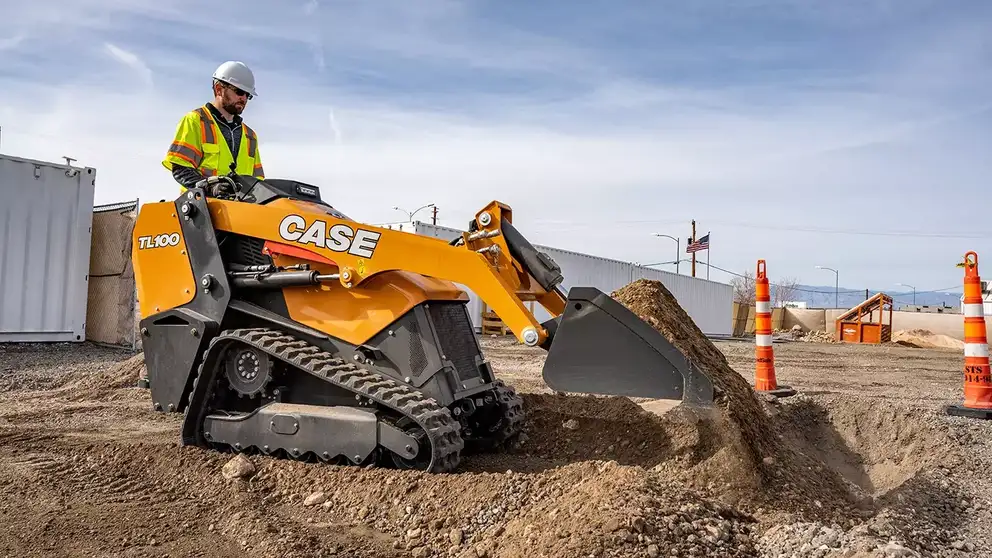
A mini loader, also known as a mini skid steer or dingo, is a compact machine that can fit into areas where bigger machines can’t. This versatile machine is known for moving materials. Here are the key points:
- Engine: Diesel
- Systems: Hydraulic
- Attachments: Buckets or forks
Types of Mini Loaders
There are mini loaders, wheeled and tracked. Mini loaders are used for their versatility with many accessories. Here are the differences between wheeled and tracked mini loaders:
- Wheeled Mini Skid Steer – Fast and agile on hard surfaces
- Tracked Mini – Better traction on uneven or soft ground
Benefits of a Mini Loader
The benefits of a mini loader that will get the job done fast is its compact size to get into tight spaces, its compatibility with many tools and its efficiency in moving materials. Compared to bigger equipment, mini loaders can reduce labor costs and get the job done faster, making it a versatile option.
Hiring a Mini Loader
What to Consider
When renting a mini loader consider the tasks required, the terrain and the mini loader specifications needed. Make sure the right mini loader has enough power and capacity for the job. Also consider the experience of the operator if you’re not operating it yourself.
The Cost
The cost varies depending on location, rental duration and mini loader accessories included. Daily, weekly and monthly rates are common. Consider additional costs such as delivery, insurance and fuel. In some cases you may need to transport the mini loader on a trailer which would add to the cost.
Where to Hire
You can find mini loader hire services at local equipment rental companies or through online platforms that specialise in machinery rentals. Research different providers to compare prices, availability and range of mini loaders. Always check the reputation and reliability of the rental company to ensure a smooth hiring process.
Mini Loader Attachments
Common Attachments
These are key features that make the mini such a flexible piece of equipment. Attachments expand the capabilities of any machine beyond just material transport. Here are some common ones:
- Bucket – Material handling
- Forks – Moving pallets
- Auger – Drill post holes
Those can be used for many construction and landscaping tasks.
Choosing the Right Attachments for Your Project
Consider the requirements of your project when selecting the right mini loader for larger tasks. For example if you need to dig narrow trenches a trencher attachment is the best. If you need to level the ground a bucket or a grapple might be the way to go. Proper planning and choosing the right fittings will save time and labour.
How Attachments Increase Mini Loader Functionality
The maneuverability of a mini loader with mini loader attachments makes it an essential tool across many industries. With the right setup a single mini can do tasks that would otherwise require multiple larger machines. This not only increases efficiency but also reduces the need for larger equipment on site, making mini loaders an ideal choice.
Applications of Mini Loaders
Landscaping and Gardening
In landscaping and gardening mini loaders can be utilized for many tasks. These include moving materials like soil, mulch and gravel and digging holes for plants with an auger. The compact size of a mini allows it to get into tight spaces in gardens and yards where larger machines can’t and with a mower, flail mower, it’s perfect for grass mowing.
Construction and Excavation
On construction sites, they can be deployed for earthmoving, demolition, and site preparation, making them a versatile machine for larger tasks. With a bucket they can move materials and level ground. The trencher is useful for laying pipes or electrical conduits and the ripper can break up hard soil or asphalt. Compared to larger machines the mini loader is a compact alternative for tight areas.
Utility and Maintenance Tasks
Mini loaders are used in utility and maintenance tasks such as road repairs and general site upkeep. Mini loaders with a sweeper can be used to clean surfaces or with a bucket to clear debris. Their compact size allows mini loaders to manoeuvre around urban environments and tight acecss with ease.
Mini Loader vs Other Equipment
Mini Loaders vs Excavators
While both mini loaders and excavators are essential machinery on construction sites, the mini loader is a versatile machine that can handle a variety of tasks. An excavator is designed primarily for digging, earthmoving and demolition with its rotating cab and boom arm. A dingo mini or kanga excels at moving materials, levelling surfaces and operating in confined spaces.
Advantages of Mini Loaders Over Skid Steers
While those two are similar, mini loaders can be used more efficiently in tight spaces than traditional skid steer loaders. The compact design of the mini allows it to manoeuvre around obstacles easily, enhancing its effectiveness on the job. The smaller size also makes transporting on a trailer simpler and more cost effective than larger skid steer models. Plus, the wide range of attachments increases the versatility of the mini loader to do the job quickly and efficiently.
When to Choose a Mini Loader Over a Backhoe
Choosing the right equipment for your project is key to efficiency. While a backhoe is great for digging and earthmoving tasks a mini loader can be used where maneuverability and versatility is key. In landscaping projects the mini can get into narrow pathways and the mini loader attachments can be used for post holes. If the main task is digging trenches a trencher is better but if the task requires adaptability with mini loader attachments the mini loader can do it quickly.
Mini Loader Maintenance and Operation
Mini Loader Maintenance Tips
Regular maintenance is essential to ensure the longevity and performance of your mini digger. Check the hydraulic fluid levels, engine oil and coolant regularly. Inspect and replace filters as needed. Keep the machine clean to prevent debris from damaging components. Lubricate moving parts to reduce friction and wear. By following these maintenance tips you can keep your mini loader running smoothly and minimize downtime so mini loaders can be used on multiple sites.
Operating a Mini Loader Safely
Safety should always be your number one priority when operating a mini loader. Before you start inspect the machine to ensure all components are in good working order. Wear the right personal protective equipment including a hard hat, safety glasses and steel toed boots. Familiarize yourself with the mini loader controls and operating procedures. Be aware of your surroundings and don’t operate on steep slopes or unstable terrain, as mini loaders are typically used in tight spaces where larger equipment cannot fit.
Mini Loader Specifications
Understanding the specifications can help you choose the right mini for the task. Consider the mini’s lifting capacity, operating weight, and hydraulic flow rate to ensure it meets the demands of larger tasks. The diesel engine power and fuel consumption are also important. The range of mini loaders come with different features. Read the mini loader’s specifications manual to ensure you operate within its capabilities and optimise the performance to get the job done quickly.