
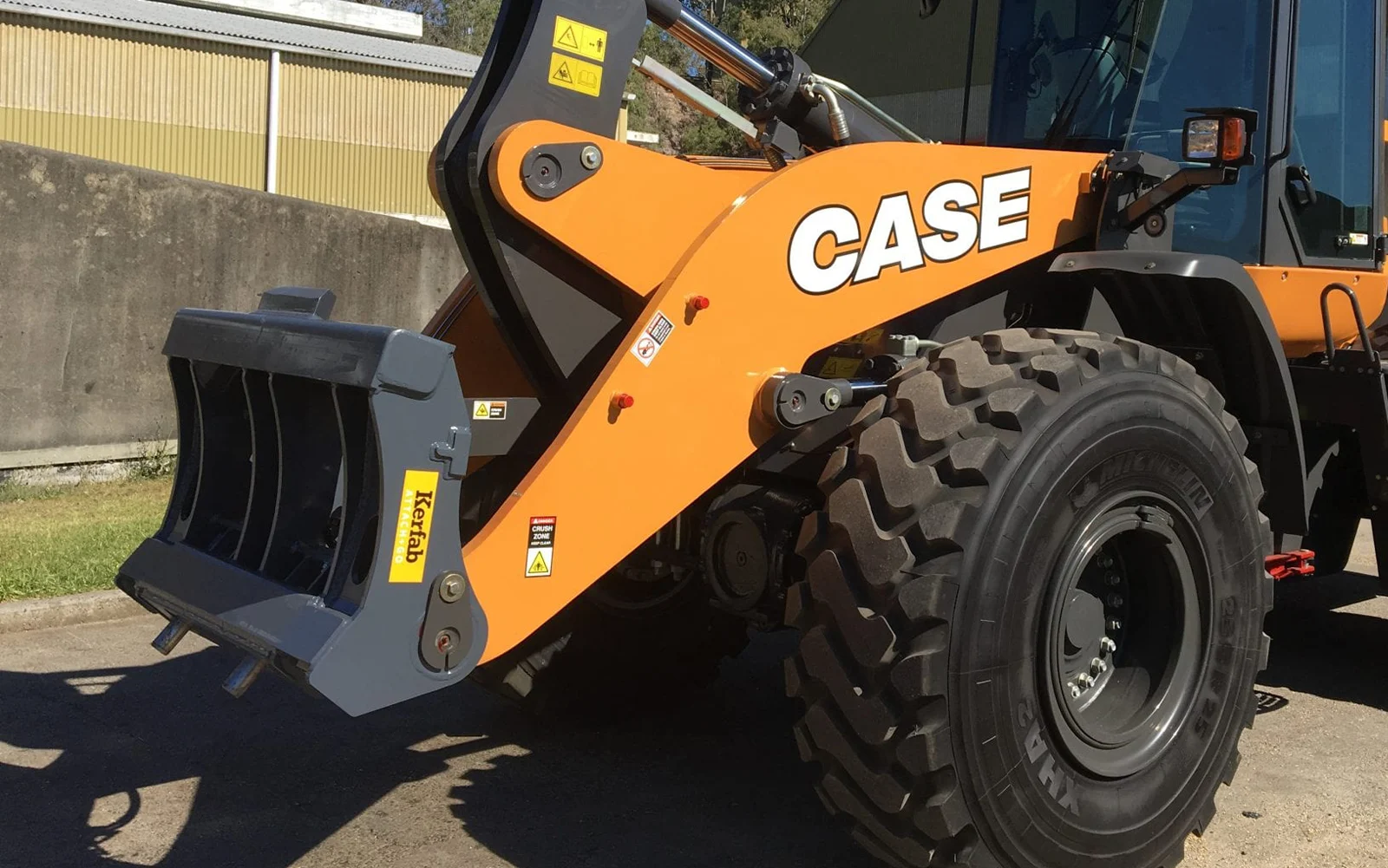
Wheel loaders are some of the most valuable pieces of construction equipment you can have on your site – and for good reason. Not only do they pack a ton of power, but they’re also incredibly versatile thanks to the huge range of attachments available that are out there. In this guide, we’ll be taking a closer look at the different types of wheel loader attachments and what they can do for you.
Getting to Know Wheel Loaders and Attachments
So, What is a Wheel Loader?
Wheel loaders are these heavy-duty machines that you find on just about every construction site, quarry, and earthmoving project. They’re made for one main job: loading, transporting, and handling all sorts of materials like gravel, aggregate, and scrap. And at the heart of that job is the wheel loader’s trusty bucket attachment. The thing is, without these machines, construction projects would grind to a complete halt – and operators rely on them every single day.
Why Are Wheel Loader Attachments So Important?
The importance of wheel loader attachments can’t be overstated. They literally give you the power to adapt your machine to just about any job that comes along, whether it’s handling scrap metal or grading. And with so many different types of attachments available, it’s never been easier to optimize your performance, reduce manual labor, and boost overall efficiency at the job site. In short, the right range of attachments available can make all the difference between a good project and a great one.
A Quick Look at Attachment Types
So, what kind of attachments are we talking about? Let’s run through some of the most commonly used ones:
- Bucket attachments for general loading
- Pallet forks for handling lumber
- Grapple attachments for clearing logs
- Grapple buckets for managing loose materials
- And that’s just the tip of the iceberg – there are rock buckets, high-tip buckets, and more on top of that
Types of Wheel Loader Attachments
Buckets for Any Job
Buckets are probably the most common attachments you’ll find on a wheel loader – and they’re essential for just about every job. They come in all sorts of shapes and sizes to suit different materials, and they’re the first step in just about any construction project. Here are a few examples:
- Standard bucket: Your go-to for general loading and material handling tasks
- Rock bucket: Built for the quarry and construction sites
- Light-material bucket: Designed to handle less dense materials, getting the most out of your loader
Grapple Attachments for Tough Jobs
Grapple attachments take the versatility of wheel loaders to a whole new level. They’re perfect for clearing logs, handling brush, and dealing with demolition debris using attachments for wheel loaders. And with a grapple bucket specifically designed for loose materials and a log grapple that can handle logs like they’re nobody’s business, it’s no wonder these attachments are such a big hit with construction and landscaping crews.
The Power of Quick Couplers
Quick couplers are a game-changer when it comes to attachments. They allow you to swap out attachments in a flash, with no need for tools. That means more productivity, less downtime, and a whole lot more flexibility on the job. And with a quick coupler, you can switch from a bucket to a pallet fork or a grapple in a heartbeat – making your wheel loader way more versatile than it ever was before.
Choosing the Right Wheel Loader Attachment
Things to Consider for Maximum Productivity
When it comes to picking out the right attachments for your wheel loader, there are a few things to keep in mind. What kind of materials are you working with? What kind of terrain are you operating on? What specific tasks do you need to get done? Match the right attachments to the job site, and you’ll be enjoying maximum efficiency and productivity in no time.
Choosing the Right Bucket for Your Needs
Choosing a bucket that’s right for the job is key to loading and material handling success. For work like quarrying, a reinforced rock bucket is the way to go. For lighter materials, a high-volume light-material bucket will give you bigger loads and more productivity. Just remember: material density and the loader’s capacity are key when choosing a bucket.
Heavy-Duty vs. Light-Material Attachments
It’s worth taking a moment to look at the difference between heavy-duty and light-material attachments. Heavy-duty attachments like rock buckets and reinforced grapples are built to last, designed for the toughest jobs around, including grading and loading trucks. Light-material attachments, on the other hand, are all about efficiency – letting you handle lighter materials without overloading the machine. Choose the right ones for the job, and you’ll be golden.
Specialized Wheel Loader Attachments
Aggregate Buckets for Quarry Work
Aggregate buckets are your go-to for quarry environments and recycling materials. They’re designed to handle materials like gravel and aggregate with ease – and they’re built to last, especially when used on a job site. Perfect for the rigors of daily use, they’re a top pick for anyone working in quarry or construction.
Rock Buckets for Heavy-Duty Digging
Rock buckets are your number one choice when it comes to digging and loading trucks. Reinforced to handle the toughest conditions, these attachments are the ultimate choice for construction sites. Built to move large rocks and demolition debris, they’re a must-have for any construction project that needs a bit of extra oomph, especially in recycling efforts.
Pallet Forks for Material Transport
Pallet forks are all about one thing: material transport. They’re the perfect choice for handling lumber and other materials with precision and care – and they’re a must-have for any construction, landscaping, or logistics operation. Pallet forks really are a workhorse when it comes to moving materials around. They turn your wheel loader from just a loader into a real all-rounder, capable of handling everything from lumber to heavy gear. A quick coupler to swap over attachments quickly is the icing on the cake : you can turn that loader into whatever machine you need it to be at a moment’s notice.
Keeping Your Wheel Loader Attachments in Top Condition
The Dos and Donts of Regular Maintenance
Fact is, regular maintenance is key to getting the most life out of your wheel loader attachments. So make sure you’re checking those hydraulic connections every now and then, giving moving parts a nice lubricating, and that all bolts are nice and tight. Follow these best practices, and you can keep your equipment in great nick and make the wheel loader last as long as possible without any issues.
Spotting Wear and Tear Before It Becomes a Problem
Checking over your attachments regularly for signs of wear and tear is something else you gotta do. Look for cracks, bends, and any signs of excessive wear on the bucket, tines, and fork attachment parts – and sort any issues out the moment you find them. Doing that can prevent a world of hassle down the line – and save you a pretty penny in the process by stopping things getting beyond repair.
Storing Your Attachments to Get the Best Out of Them
How you store your wheel loader attachments when they’re not in use is just as important as how you use them. So when you’re done with them for the time being, make sure they’re in a dry warehouse, out of the elements. Give them a bit of support, and slap on a bit of rust inhibitor on any exposed metal to keep corrosion at bay – and you’ll be good to go for when you need them next, no hassle in the warehouse.