
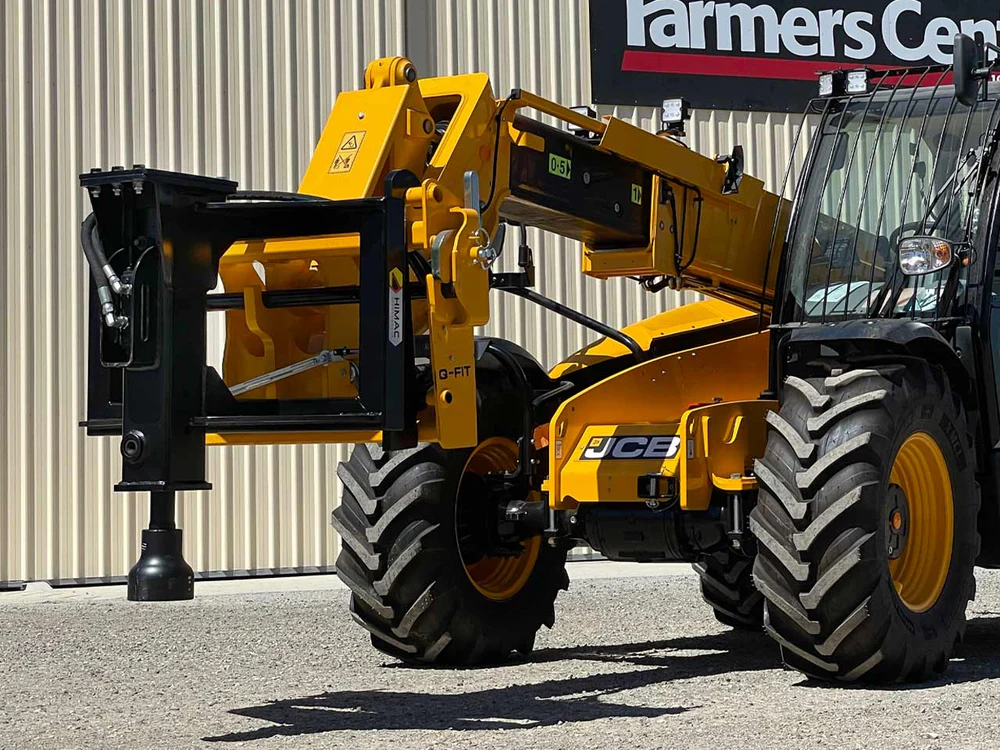
Telehandlers are pretty versatile machines, but their true power comes from the crazy variety of telehandler attachments, like work platforms and buckets, that can be bolted onto them. Deciding which telehandler attachment to use is key to getting the most out of your construction equipment – or any other job site where telehandlers pull their weight. In this article, we’re going to take a closer look at the different types of telehandler attachments and their uses – so you can make an informed decision.
Understanding Telehandler Attachments
What is a Telehandler Attachment?
A telehandler attachment is an interchangeable tool that you can connect to the telescopic boom of your telehandler, giving you a ton more applications than just basic lifting. These attachments turn simple forklifts into versatile machines that can handle all sorts of tasks. Getting the right telehandler attachment on the right machine is crucial – it makes a big difference to how productive and safe your operators are.
Common Telehandler Attachments
Some telehandler attachments are way more popular than others – like pallet forks. These forks are pretty much identical to the ones you’d find on a forklift and are perfect for lifting pallets and moving materials around the site. Other common attachments include:
- Buckets for handling loose stuff like gravel or sand.
- Jibs and winches which give you crane-like functionality, letting you lift heavy loads in tight spots.
There are loads of different telehandler attachments – and choosing the right one is key to getting the best out of your machine.
Different Telehandler Attachments and Their Uses
Telehandlers are seriously adaptable thanks to all the different types of attachments and uses, making them ideal pieces of equipment. With attachments, you can use telehandlers for all sorts of tasks – including work platforms for elevated jobs.
- An auger to turn your telehandler into a powerful drilling machine, enhancing its versatility.
- A grapple for handling weird-shaped objects or demolition work.
- A truss boom for lifting trusses with ease.
- A sweeper attachment to keep your site nice and tidy.
Choosing the right attachment for the job is crucial – for safety and efficiency. Don’t forget to check the load chart and ensure attachment compatibility to make sure you’re lifting safely.
Choosing the Right Telehandler
Factors to Consider When Buying a Telehandler
When you’re shopping for a telehandler, think about a few key things, including attachment compatibility and bucket size. First off, what’s the lift capacity you need for your typical jobs? Are you working in rough terrain or uneven ground? How high do you need to reach and what type of telehandler attachments, like work platforms and buckets, will you be using most often? Finally, check out some telehandler models to see how well they work with the attachments you need. The right machine with the attachments makes all the difference to safety and productivity on site.
Choosing the Right Telehandler Attachment for the Job
The attachment can make all the difference to how productive you are on site, especially in tight spaces. Start by thinking about what tasks you’ll be doing most. Will you be lifting pallets with pallet forks, handling loose material with a bucket, or going for heavy lifting with jibs and winches? Next, figure out the lift capacity and reach you need – and don’t forget to check the load chart. Check the carriage is compatible with the boom attachment – and you’re ready to go.
Use Cases for Different Telehandler Attachments
Telehandlers can be used for all sorts of tasks thanks to the specialist attachments available, proving their versatility. Take these examples for a spin: using a crane attachment for lifting in tight spaces.
- An auger attachment lets you turn your telehandler into a drilling machine, perfect for creating holes for poles or foundations.
- A grapple attachment is great for handling weird-shaped objects, while a truss boom is a dream for lifting trusses or beams.
- A sweeper attachment makes sure your site stays clean and tidy.
The use cases are endless – from using forks to move hay bales to using lifting jibs on construction sites, showcasing their versatility.
The Best Telehandler Attachments for Heavy Lifting
Overview of the Best Attachments
When it comes to lifting on the construction site or any other job site, you need the right attachment – or you’ll be stuck with progress-halting delays and safety risks. The range of telehandler attachments includes loads of options for different tasks – and knowing what you need will make all the difference to efficiency and safety.
Attachments for Increased Productivity
To boost your productivity, consider attachments like pallet forks for quick pallet lifts and movement, a bucket for handling loose material, or jibs and winches for lifting in tricky spots. An auger attachment is perfect for turning your telehandler into a drilling machine for creating holes in foundations or poles.
Operator Considerations for Telehandler Attachments
For safe and efficient worksite operations, operator considerations are crucial when using telehandler attachments. Always consult the load chart to ensure the lift capacity is not exceeded. Operator training is essential for handling different common telehandler attachments such as buckets and pallet forks. Check the compatibility of the carriage with the telescopic boom to prevent accidents. Regularly inspect spare parts, hydraulic systems, and lifting equipment to maintain safety standards and ensure maximum productivity.