
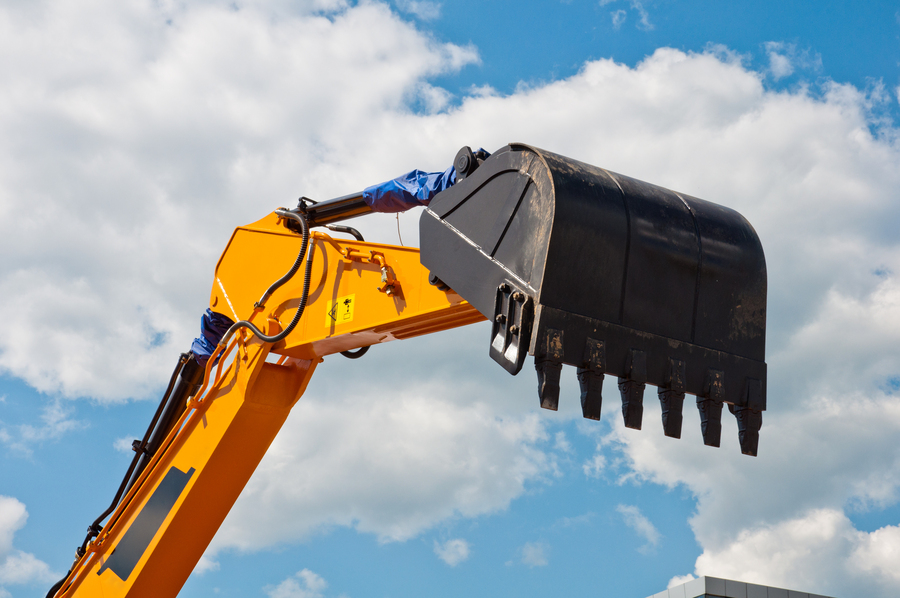
Figuring out the right excavator bucket for the job is super important for making the most of your excavator. You see, excavators come with a whole bunch of different buckets – each one designed to handle specific tasks and materials. Knowing your way around the different types of buckets, and what makes each one tick, is essential for any construction, demolition, or landscaping project you might be working on.
How Excavator Buckets Work
What is an Excavator Bucket?
A bucket for your excavator is a pretty fundamental bit of kit – it’s basically the tool that lets you dig, lift and move all sorts of materials. Buckets attach to the end of the excavator’s arm and are powered through the machine’s hydraulic system – if you want to understand how those components all connect, our guide on the parts of an excavator covers the full anatomy of the machine. Buckets may vary in size, shape and build depending on how you plan on using it, especially when considering the various excavator bucket types available. You’ve got your run-of-the-mill bucket that’s good for general digging, right through to specialist buckets designed for super specific tasks.
Why the Right Bucket Matters
Choosing the right excavator bucket can make all the difference when it comes to getting the job done. Using the right bucket means you can shift materials quickly and easily, without mucking up your excavator – which keeps everyone on site a whole lot safer. If you’re still getting your head around the machine itself, our guide on what an excavator is and how it works is a useful starting point before diving into bucket selection. To get the most out of your machine, you need to pick the bucket for the job – and that means taking into account the density of the material, how deep you need to dig and how smooth you need it to be.
Buckets Galore – an Overview
There are loads of different types of excavator buckets out there – each one designed to handle a particular job. The list goes on and on – and it includes:
- The bog-standard digging bucket that’s perfect for general excavation and digging foundations is often the most common bucket used on job sites.
- The trenching bucket – also known as a narrow bucket – is ideal for digging narrow trenches for utilities.
Different types of excavator buckets are going to make a big difference when it comes to how well your project turns out.
The Lowdown on Excavator Buckets
Digging Bucket
A digging bucket, or standard digging bucket, is probably the most common type of excavator bucket. These buckets are great for everyday excavation tasks like digging foundations, basements and trenches. They may have those handy bucket teeth for better soil penetration and come in various sizes, depending on your excavator model.
Grading Bucket
A grading bucket – or finishing bucket – is one that’s made for smoothing out surfaces and creating a really neat finish. When it comes to choosing the right excavator bucket you need to get the right one for the job. This type features a wide flat cutting edge – perfect for backfilling, landscaping and just generally making the place look tidy. It’s also ideal for projects that need a bit of precision.
Rock Bucket
A rock bucket is the go to for digging in really tough materials – like rock, shale and concrete. This bucket is built to withstand all that stress and will often have features like side cutters and wear plates to help it last longer, ensuring it remains effective among various excavator attachments. This type is ideal for digging in hard materials and for making sure your excavator lasts a while longer – also known as a frost bucket.
Skeleton Bucket
A skeleton bucket – or riddle bucket – is all about separating the soil from rocks and debris. The bucket will let smaller stuff fall through while keeping the bigger bits inside. It’s all about efficiency and saving you time, which is why selecting the right bucket may significantly impact your project’s success. It’s perfect for land clearing and recycling work – as well as all sorts of other sifting applications.
Trenching Bucket
A trenching bucket, or narrow bucket, is designed for digging narrow trenches for utility lines and things like that, making it a common choice among excavator buckets. These are narrower than standard buckets and are perfect for digging precise trenches with minimal mess.
Utility Bucket
A utility bucket is a bit of a jack-of-all-trades – it can handle all sorts of jobs, from digging to material handling – and is great for all those jobs that need a bit of everything. This bucket is used for projects that require a mix of excavation and moving materials – and choosing the bucket for the job makes your excavator even more versatile.
Frost Bucket
A frost bucket is built to handle frozen ground and hard materials. It is usually narrower and stronger than a standard digging bucket, which is why selecting the right bucket widths is crucial for efficient work. The right bucket for the job is essential for making sure your excavator stays in good nick – even when it’s freezing outside, as the right excavator attachments can enhance performance in harsh conditions. Its also used when you need to break through hard ground – and is often called a rock or frost bucket.
Micro Trenching Bucket
A micro trenching bucket is the perfect tool for digging narrow trenches for fiber optic cables or small utility lines. These buckets are made for use with mini excavators because of their compact size and great cutting ability, making them one of the preferred choices for small jobs. The bucket for micro trenching is a must for urban environments and sensitive landscapes.
Tilt Ditch Cleaning Bucket
A tilt ditch cleaning bucket – more often referred to as a tilt bucket – lets you swing the bucket around to clean out ditches, even out level surfaces and tackle grading jobs at various angles. It makes your excavator so much more versatile, and it’s just one example of how the right attachment transforms what the machine can do on site – for a broader look at what’s available, our guide to the full range of excavator attachments covers everything from grapples to augers. Getting the bucket for the job will greatly improve the precision and efficiency you get from it, especially when it comes to complex landscaping and earthmoving tasks.
Rake Riddle Bucket
You’ve got a bucket that’s a bit of both a rake and a riddle bucket – the perfect combo for clearing out all that unwanted vegetation, sorting through debris and sifting materials. The right excavator bucket makes it a breeze to scoop out roots, rocks and other unwanted junk from the soil – and that makes it perfect for jobs that call for land clearing or landscaping, especially when using a ditching bucket. Getting the bucket for the job will give you a real productivity boost in land clearing applications.
Choosing the Right Excavator Bucket
Things to Think About When Choosing
When it comes to choosing the bucket for your excavator, there’s a few things you’ve got to consider. What kind of material are you going to be working with? Is it dirt, rock or clay? That will decide how tough your bucket needs to be and what kind of teeth you need to get the job done. The bucket size has got to match the capacity of your excavator and the scale of your project – and if you’re still sourcing your machine, you can browse excavators available for hire across a range of sizes to find the right fit. Each type of bucket is designed for a specific type of job, so make sure you choose the one that fits your needs, as different buckets serve various purposes.
Excavator Bucket Sizes
Excavator buckets come in various sizes, from the small ones on mini excavators to the massive ones used in major construction projects. Choosing the bucket size is all about knowing how much capacity you need – whether it’s measured in cubic yards or litres – and not overloading your excavator with larger excavator attachments. Overloading can cause real damage to the machine and make it a safety risk, particularly when using common bucket sizes that are not suited for the job.
Bucket Teeth Options
Bucket teeth are a critical bit of kit that’ll make all the difference in how well your bucket performs. The type of teeth you need will depend on the material you’re working with, whether it’s general digging, hard rock or something in between. You’ve got a choice of standard teeth for everyday use, tiger teeth for extra penetration and chisel teeth for really hard work – like digging through rock or abrasive materials. Choose the right teeth and the rest is easy.
Conclusion
Recap
We’ve covered a few of the main types of excavator buckets, including the standard digging bucket, grading bucket (or finishing bucket), rock bucket (or frost bucket), skeleton bucket and trenching bucket (or narrow bucket). Each of these buckets has its own unique advantages when it comes to specific jobs. Understanding what each one does is the best way to choose the right one for your project and get the job done efficiently and effectively.
Final Tips
So there you have it, when it comes to choosing an excavator bucket, take into account the material you’re working with, the bucket size, the bucket teeth and what exactly you need the bucket for. Choose the right bucket and you’ll be getting the most out of your excavator in no time. And for really tough jobs, consider buying a specialist bucket like a tilt ditch cleaning bucket, a utility bucket or a micro trenching bucket to really give your excavator a boost, as these bucket types are designed for specific challenges. And always go with a reputable manufacturer to get a reliable and durable bucket.