
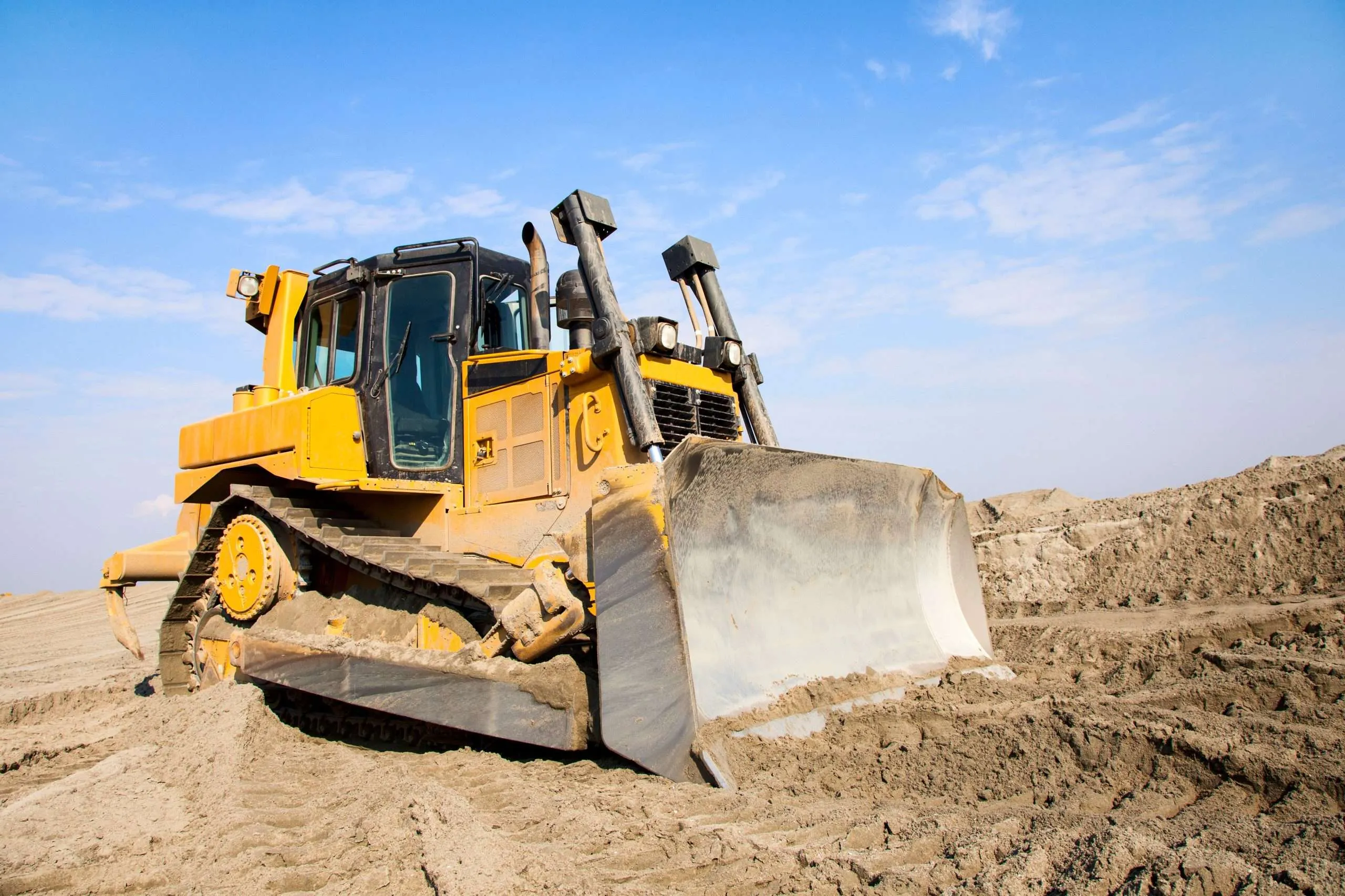
Bulldozers are the big guns of the construction site – they’re the real earth-movers when it comes to clearing land, grading soil and pushing materials around. Knowing your way around a bulldozer is essential for operators and maintenance crews alike, and is crucial for both safety and getting the job done efficiently.
Under the Hood of a Bulldozer
What is a Bulldozer?
A bulldozer is a seriously powerful machine that’s designed for breaking up tough surfaces and moving heavy loads around. The blade and ripper attachments make it the go-to tool for grading and digging on pretty much any kind of terrain, and the operator from the cab has precision control over the movement of the blade thanks to the hydraulic system.
Why You Need to Know Your Way Around a Bulldozer
Understanding how a bulldozer operates is key to keeping it running smoothly – and safely. Knowing what all the different bits and bobs do, from the undercarriage to the cooling system, is the first step to preventing overheating and keeping your bulldozer running for years to come. And let’s be real – regular inspections and sticking to the maintenance schedule are your best bet for avoiding costly repairs and getting the job done.
Bulldozers in Action
Bulldozers are versatile tools – they’re used for all sorts of construction projects. They’re great for grading and leveling soil and moving large quantities of materials around. And because you can swap out various types of blades, like a straight blade or a U-blade, it makes them pretty much indispensable in all sorts of construction scenarios.
Bulldozer Undercarriage
Function and Structure of the Undercarriage
The undercarriage of a bulldozer is the bit that gives the whole machine its stability and traction – it’s what lets the bulldozer move around on pretty much any kind of terrain. And if you want to keep it running smoothly across various tasks, you need to look after it. That means regular inspections and lubrication for the rollers, idlers, and sprockets, and dealing with any wear and tear as soon as it happens to ensure smooth operation.
Components of a Bulldozer Undercarriage
The undercarriage is made up of a bunch of key components, including rollers, idlers, and sprockets, which are crucial for ensuring that the bulldozer operates effectively. These all work together to distribute the weight of the bulldozer and let it move around with ease. The front of the bulldozer undercarriage plays a big role in absorbing impact and keeping the bulldozer balanced while it’s in use.
Maintenance of Undercarriage Parts
The undercarriage of a bulldozer is a bit of a high-maintenance item, but that’s what keeps it running smoothly for years to come. That means regular inspections and lubrication for the rollers, idlers and sprockets. And if you spot any wear and tear, you need to get on top of it ASAP – before it ends up costing you a pretty penny.
Main Part of a Bulldozer
Bulldozer Engines
The engine of a bulldozer is the powerhouse behind the machine – it’s what gives it the horsepower to tackle tough jobs on tricky terrain. Most modern bulldozers use diesel engines, because they’re reliable and fuel-efficient. And because the engine and hydraulic system are designed to withstand continuous use, you can rely on it to ensure the longevity of your bulldozer for years to come.
Engine Performance
The performance of the engine in a bulldozer is pretty critical – it’s what lets it do its job. Factors like horsepower, torque, and fuel consumption all play a role in how well the bulldozer can perform heavy-duty tasks. And because the hydraulic system relies on the engine to deliver power to the blade and ripper, it’s pretty key to ensuring that the bulldozer keeps everything running smoothly.
Engine Maintenance
If you want to keep your bulldozer engine running at its best, you need to stick to a regular maintenance schedule. That means checking the coolant levels, changing the oil and keeping an eye on the fuel system. And if you spot any issues, you need to get on top of them ASAP – before they end up costing you a pretty penny.
Two Types of Attachments: Blade and Ripper
Blades Types
The blade on a bulldozer is one of its most distinctive features, and there are all sorts of different blades designed for specific specific tasks. A straight blade (or s-blade) is great for grading and pushing materials in a straight line, while a U-blade is designed to carry heavier loads. And then there’s the semi-U blade, which is a bit of a compromise between the two.
Rippers in Action
The ripper on a bulldozer is a pretty clever bit of kit – it lets you break up tough surfaces and loosen compacted soil with ease. It makes it a lot easier to excavate and grade, which makes it pretty indispensable in all sorts of construction projects. And because it lets you prepare sites for land clearing, it helps get the job done a lot more efficiently.
Choosing the right Attachment for Your Bulldozer
Choosing the right attachment for your bulldozer is a crucial decision that depends on whats needed for the job at hand. Take a minute to think about the type of material you’ll be working with, the terrain you’ll be operating in, and what you’re trying to achieve. For heavy-duty tasks, a straight blade is usually best for general grading, while a ripper is a must-have for breaking up tough surfaces. If you get the right attachment for the job, your bulldozer will be running at its best, helping you get the most out of your machinery while keeping it in good nick.
Hydraulic System of a Bulldozer
Getting to Grips with the Hydraulic Mechanism
The hydraulic system in a bulldozer is pretty vital when it comes to getting the job done. Its responsible for powering all the functions you need – whether thats lifting and tilting the blade or operating the ripper attachment. How it all works is pretty straightforward. The engine drives the hydraulic pump, which then sends hydraulic fluid to all the other bits and bobs that need it – like the hydraulic cylinders. If the hydraulic system is running smoothly, you can be sure your bulldozer will be performing at its best, even on tricky terrain.
Key Bits of the Hydraulic System
The hydraulic system is made up of a few key components. There’s the hydraulic pump, which generates the pressure needed to get the job done. Then there are the control valves, which sort out where the fluid is needed and how much of it gets there. Next up are the hydraulic cylinders, which use that pressure to move the blade or ripper around as needed. And finally, there’s the hydraulic fluid reservoir, which makes sure the system has got enough fluid to operate properly. If any of these bits and bobs get damaged or worn out, it can have a big impact on your bulldozer’s performance.
Troubleshooting Hydraulic Niggles
Troubleshooting hydraulic problems is a vital part of keeping your bulldozer running smoothly. Common issues include leaks in the hydraulic lines, faulty control valves and worn-out hydraulic cylinders. Regular maintenance is your best friend when it comes to spotting and fixing these kinds of problems before they get out of hand. Keeping an eye on the state of the hydraulic fluid – its level and cleanliness – is also crucial if you want to keep the system running smoothly.
The Operator’s Cab
How the Cab is Designed to Keep the Operator Comfortable
The operator cab in a modern bulldozer is built with the operator in mind – it’s all about providing a comfortable and productive working environment across various terrains. Features like adjustable seating, air conditioning and precise controls all contribute to a hassle-free day on the job. If the cab is designed right, the operator will stay nice and focused even when the going gets tough. That means safer, more efficient construction projects all round.
Key Controls and Instruments in the Cab
The cab is where the operator gets real-time feedback about how the bulldozer is running. Thats thanks to the gauges that show engine temp, hydraulic pressure and fuel levels. There are also controls for steering, blade positioning and ripper operation that are easy to get to. Knowing your way around these controls and instruments is vital for keeping the bulldozer under tight control and running safely.
Safety Features in the Cab
The cab is also where the operator is protected from the worst of the risks on site – like rollovers and falling objects. Rollover protection structures and falling object protection structures are standard on most bulldozers – they give the cab a solid base and ensure the bulldozer keeps the operator safe. There are also seatbelts and emergency shutdowns to keep the operator safe, too. Keeping all these features in good nick is a priority.
Maintenance Tips for Your Bulldozer
Keeping an Eye Out for Trouble
Regular inspections are the key to spotting potential problems before they cause serious damage, ensuring that the bulldozer remains reliable. You should be keeping an eye on the undercarriage, engine, blade, and hydraulic system as part of your routine maintenance to ensure smooth operation. Looking for signs of wear and tear, leaks, and damage before they become serious problems can save you a lot of hassle and cash in the long run, ensuring the longevity of your bulldozer. Keeping an eye on the cooling system is also vital to stop it from overheating.
Day-to-Day Maintenance for Your Bulldozer
Day-to-day maintenance is pretty straightforward. You just need to make sure to lubricate the moving parts, change the fluids and filters and get any loose connections tightened up. Regular cleaning is also a good idea – it prevents dirt and debris from building up and causing damage, ensuring the longevity of your bulldozer. By following these maintenance tips, you should be able to ensure the longevity of your bulldozer and keep it running smoothly for years to come.
When to Call in the Experts
Some maintenance jobs are just too tricky to sort out on your own – like complex engine problems or structural damage. If you see any of these issues, its best to get a professional in to fix them. Trying to sort them out without the right knowledge and tools can just make things worse and create a safety risk. Calling in a qualified technician is the best way to get your bulldozer running smoothly and safely again.