
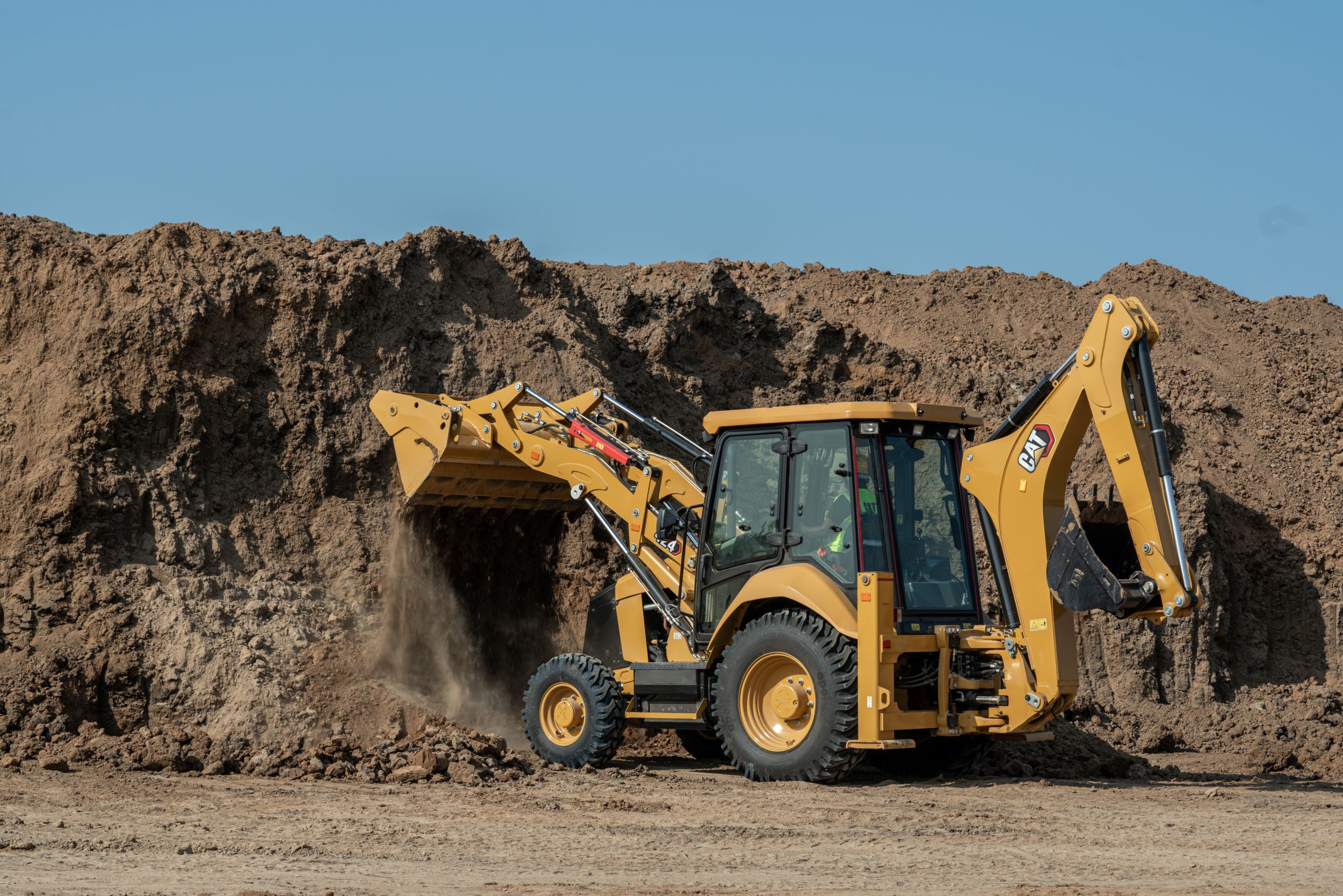
Backhoe loaders are the real MVPs of the construction site – you can find them all over the world just getting the job done. They’re a machine that can pretty much do it all – from digging trenches and holes to moving around big loads of heavy stuff. Anyone who works on a construction or farm site really needs to know their stuff when it comes to the parts of a backhoe to get the best out of these incredibly versatile machines.
Components of a Backhoe Loader
What’s the Story Behind a Backhoe Loader?
A backhoe loader is basically a top-notch construction machine that combines the features of a tractor, a front loader and a backhoe all under one roof. That versatility makes it a total workhorse, and it’s just as useful for farm projects as it is for building sites with rugged tires. So, what’s the deal with these heavy-duty machines used for digging? They’ve got a front loader bucket and a backhoe attachment at the back. The backhoe is designed for digging, while the bucket is used to load up materials like gravel or dirt. The operator controls the whole operation from the cab of the heavy-duty machine. For a full overview of how these machines work, check out our guide on what is a backhoe loader.
Why Backhoe Loaders Are a Must-Have on the Job Site
Backhoe loaders are super useful on any job site because they can do all sorts of different tasks. The backhoe bits make it ideal for digging, backfilling and trench work, while the bucket is perfect for moving off all sorts of materials. But it doesn’t stop there – these machines are also used for demolition, landscaping and paving projects. They’re an absolute must-have for anyone who needs to get work done quickly and efficiently.
Get to Know Your Backhoe Loader Better
Backhoe loaders have some pretty cool features that make them so handy. They’ve got heavy duty tyres that can handle all sorts of terrain, a powerful engine to power the bucket and backhoe boom. The loader itself is divided into three sections, which makes it super precise for material handling and digging. Plus, they often come with safety features like stabiliser legs to keep everything stable while you’re working. Some backhoes come with different attachments, like a broom or a thumb, to get even more done. And did you know that some excavators can even be driven on regular roads? That’s pretty handy.
Backhoe Parts: Front Loader and Rear Backhoe
Up Front: The Loader Bits
The loader parts of a backhoe loader located at the front of the machine, and the key bit here is the bucket. This is what you use to load up all sorts of materials and shift them to somewhere else. The front loader itself is powered by the hydraulic system, which lets it lift up heavy loads. And the best bit? The operator gets to control the whole shebang from the cab.
Down the Back: The Backhoe Bits
At the back of the machine, we’ve got the backhoe parts – and the main job of these is transporting materials. This is where the machine really comes into its own, with a backhoe boom and a rear bucket that let you dig trenches and holes with no trouble at all. And just like with the loader, the hydraulics is the key to making this whole piece of construction equipment work – it lets you move the boom and bucket around with precision. Plus, stabiliser legs give you that bit extra stability while you’re working.
What Does an Excavator Functionality Involve
Unlike with other types of loaders that don’t have it, the unique excavator function of a backhoe allows it digging and doing trench work. It lets you dig below ground level – which is super helpful for utility installations and foundation work. To get digging, you just need to get a handle on the controls in the cab – move the boom and bucket around, and you’re good to go. A machine like this is basically a must-have for earthmoving.
The Main Component – Hydraulic System
Inside the Hydraulic System
This is what makes a backhoe loader tick – it’s the bit that lets it tackle tough jobs with some finesse. It works its magic by using hydraulic fluid under pressure to power hydraulics – these then control the movement of the loader bits. The engine drives the hydraulic pump, which sends the fluid from the reservoir through the hydraulic valves – and then you’re in business.
What Hydraulics Mean For Backhoe Operations
The hydraulics is the main component that makes the difference between a backhoe that’s just scraping by and one that’s really getting the job done. It provides the serious oomph needed for excavation, loading and other earthmoving tasks. Without it, you’re stuffed – no heavy loads to lift or efficient digging to be had with this piece of equipment. And of course, the precision it gives the operator means they can get their work done quick smart, not to mention accurately.
Common Hydraulic Issues – What to Watch Out For
You don’t want a hydraulic system in your loader that’s playing up. These are some common issues and the problems they can cause:
- Leaks – knock power way down and system efficiency takes a hit.
- Contamination can trash your heavy-duty equipment. hydraulic valves and cylinders, and you’ll be looking at costly repairs.
- Overheating – can lead to component failure if you don’t catch it.
Keep on top of maintenance and get any issues fixed pronto to keep your backhoe loader running like a top.
Maintaining Parts of a Backhoe Loader
Tips For Routine Maintenance
Keeping your own or hired backhoe loader parts in good nick is just as important as driving it around. Some essential checks to keep in mind are:
- Check fluid levels (engine oil & hydraulic fluid) regularly and swap them out when needed.
- Have a good look at the hoses and fittings for signs of damage or wear – any leaks or cracks need dealing with pronto.
- Give the works a good grease to reduce friction, and replace air filters when they get clogged. Follow these tips and you’ll be enjoying minimal downtime and top condition equipment.
Spotting Worn-Out Components – Know What to Look For
If you can catch worn-out components of your backhoe early on, you’ll be saving yourself a world of trouble – in repair costs and downtime. When you’re inspecting your equipment, have a good hard look at the following areas to start:
- Keep an eye out for cracks, leaks or excessive play – any of these can be a sign that something’s about to give out.
- Check the bucket for dents, cracks or excessive wear on the cutting edges.
And don’t forget the hydraulics – if you notice any loss of power or erratic movement, that could be a sign of worn-out valves – get on top of it before it causes more problems.
Do You Repair or Replace?
When a badly-damaged backhoe part gets the nod, the big question is: fix it or replace it with a new main component? The answer’s different every time, depending on the type of construction equipment involved. If the damage is minor (e.g. a small leak or dent) then fix it’s the way to go. However, if the damage is more extensive – a completely worn-out component, for example – then it’s probably best to swap it out. Get the cost of repair, potential for future problems, and the lifespan of the backhoe loader itself into the mix when you’re making this decision. Replacing a critical component in your fleet gives you top performance out of the box.