
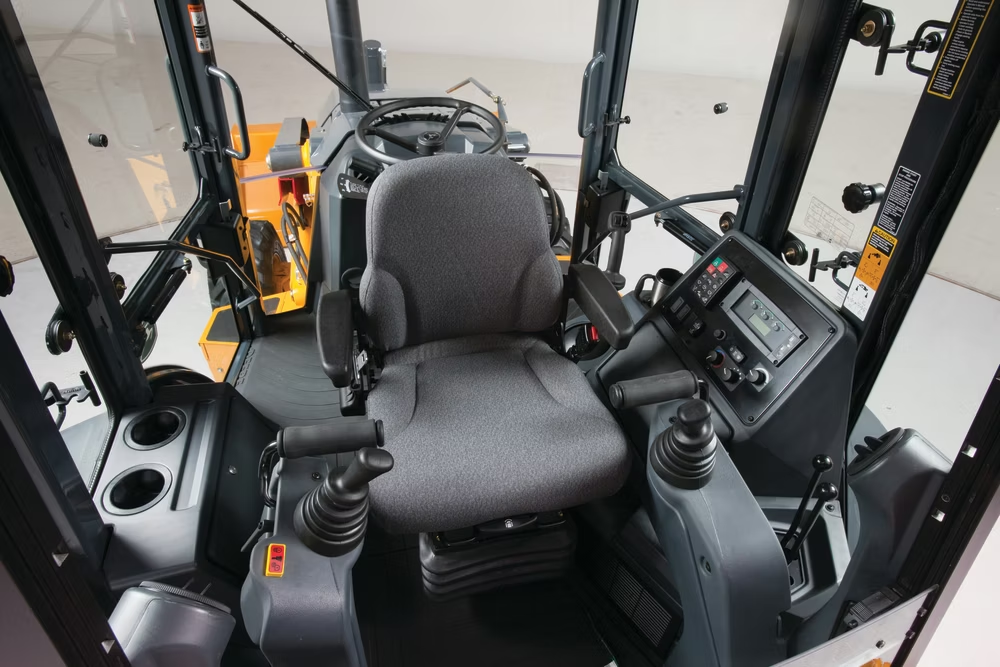
Operating a backhoe loader is only possible with a deep understanding of the machinery and the rules of safety, plus solid skills. This guide should give you the low-down on how to use the thing safely and get the job done, whether you’re digging a trench or need to move some heavy stuff around.
Getting to Grips with a Backhoe
To be able to safely operate a backhoe loader, you need to know its bits and how they work. A backhoe is essentially a tractor, a loader, and a backhoe all in one, allowing for versatile use of the loader bucket. You need to get to know the individual components – tractor, front end loader and the backhoe itself – and what to do with each of them. Before you even start the engine, take a good look around and get to know where the levers and buttons are, like the parking brake.
What’s Inside a Standard Backhoe Loader
The main components of a backhoe are the front bucket, the backhoe boom, the backhoe arm and the bucket control system. The loader on the front is for moving stuff around, while the backhoe itself is for digging trenches. You also need to know about the stabilizer legs which stop the tractor toppling over when you’re digging. Knowing what’s what and how they work will keep you safe while using the backhoe loader.
Different Types of Backhoe Loaders
Backhoes come in all shapes and sizes and most have a front loader and backhoe. Better ones are bigger and more powerful and can handle some pretty heavy stuff. Some have extendable booms so you can reach further and others have specialized attachments for certain jobs. You need to choose the right one for the job you’re doing – not just to get it done, but to use it safely and efficiently too.
What Kind of Jobs Can a Backhoe Do?
Backhoes are pretty versatile, so you can use them for digging trenches, landscaping and moving heavy stuff around. Trench digging is a bit tricky and needs some finesse with the backhoe arm and bucket, while the loader is useful for loading up trucks or spreading out gravel. Knowing what you can and can’t do is key to using a loader safely.
Preparing to Operate a Backhoe Loader
Essential Safety Tips
Before you even start the engine, take a few minutes to go over the safety rules. This means:
- Check up on the operator’s manual for the dos and don’ts for your particular machine.
- Give the backhoe a good going-over to make sure there’s nothing wrong with it, including the functionality of the left lever and right lever.
- Make sure all the safety kit like seatbelts and rollover protection is working as it should.
By following these safety tips you’ll be a lot safer when operating the backhoe loader.
Giving the Backhoe a Once Over
Checking the backhoe over before you start is a good way to keep it in good nick and prevent any accidents related to the loader bucket. When you do your check, take a look at things like the oil and coolant levels, the tires and the loader and backhoe buckets for any signs of wear and tear.
Starting the Backhoe
Before you start the engine, make sure your parking brake is on and all the controls are neutral. Then follow the instructions in the manual to get the thing going. Let the engine warm up for a bit before you start using any of the backhoe controls. Doing things properly will make the difference between a smooth operation and one which could end in disaster.
Using a Backhoe Loader
Loader Controls – What You Need to Know
The loader controls are pretty straightforward – a single lever to control the bucket’s movement up and down, curl in and out and dump. To lower the bucket, just push the lever forward and to raise it, pull it back. Tilting the lever to the side will control how wide the bucket is. Mastering these controls takes practice and is key to safe operation.
Step by Step Guide
First off, position the machine on a flat, stable surface and make sure the stabilizer legs are locked in place before you raise the bucket. Then unlock the boom if necessary and use the backhoe controls to get the backhoe arm and bucket over the spot where you want to dig. Then slowly lower the bucket into the ground, and use the boom and bucket to lift and scoop up any material. The loader comes in handy for moving the stuff around, especially when you use the loader bucket effectively.
Common Mistakes to Avoid While Operating
One common mistake operators make is trying to operate the backhoe on uneven terrain, which can be a real recipe for disaster and lead to the machine becoming unstable and potentially tipping over. Another error is pushing the machine beyond its load capacity, which can cause damage, or even worse, have it overturn. Failing to check for underground utilities before digging can lead to some really scary accidents. And another thing – if you don’t take the time to check all the fluid levels before firing up the machine, that’s a whole other bunch of problems waiting to happen. Always keep an eye on your surroundings, and stick to the proper operating procedures to run a backhoe safely, especially when using the left control and right control.
Advanced Backhoe Techniques
Operating a Backhoe in Different Terrain
Safely operating a backhoe across a variety of terrains demands some serious special skills from the operator. When working the backhoe on uneven ground, you gotta know how to use the stabilizer legs properly to keep the machine stable. Tweaking the stabilizer controls is key to keeping the tractor level, and preventing that nasty tipping, especially when you curl the bucket. Plus, when driving the backhoe on slopes, you need to be super cautious and keep a close eye on where the machine’s centre of balance is. Really mastering these techniques is a must for handling a backhoe in tough conditions and knowing what to do in a pressure-cooker situation.
JCB Backhoe Loader Features
JCB backhoes have built a rep for having some top-notch features that really help boost productivity and safety, particularly when learning how to operate the loader bucket. Lots of models come with advanced loader controls like joystick operation, which makes handling the front loader super precise and easy. Many JCB machines also give you the tools to safely work in tight spaces. These features help backhoe operators get lots of different tasks done quickly and safely, from lifting heavy loads to digging precise trenches – all without a hitch.
Maximizing Efficiency in Backhoe Operations
Crunching out efficiency when running a backhoe is all about getting a few key things right. Proper planning and preparation are essential – that means scanning the job site for potential hazards, picking the right attachments for the task, and so on. Mastering the loader controls will get you moving quick and precise – meaning cycle times drop. And don’t underestimate the importance of regular maintenance – that helps the backhoe keep running smoothly, ensuring the heavy equipment remains reliable. By getting these pieces in place, you can get a lot more done with a backhoe and beat the project deadline.
Post-Operation Procedures
Securing the Backhoe After Use
After you’ve finished operating a backhoe, it’s super important to secure the machine to keep accidents from happening and make sure it lasts longer. Here’s what you gotta do:
- Park the backhoe on a level bit of ground, slap on the parking brake, and make sure all attachments are all the way down to the ground.
- Turn off the engine and yank the key to prevent anyone else from getting behind the controls, especially when learning how to operate the machine.
It’s also a good idea to check the fluid levels, and do any maintenance you can right away before you start the machine. By following these steps, you can make sure the backhoe is safe and ready for the next time you need it.
Regular Maintenance Tips
Regular maintenance is a no-brainer when it comes to keeping the backhoe running right. Keep an eye on the fluid levels – engine oil, hydraulic fluid, coolant, fuel, the works. Give the tires a once over to make sure they’re in good nick and properly inflated. And while you’re at it, lube all the moving parts to keep them running smooth. By taking care of these little tasks, you can make the backhoe last longer and avoid costly repairs down the line.
Reporting Issues and Safety Checks
Reporting any problems or safety concerns is a big part of being a responsible backhoe operator. If you see any malfunctions, leaks or weird noises, get some help ASAP and let the right people know to avoid issues with the rear wheels. And regular safety checks are a must – make sure all your safety gear, like seatbelts and rollover protection, are in working order. Taking care of these things right away will help keep everyone safe and stop any damage to the backhoe. So take care of business.