
Skid steers come in many variations and are pretty versatile pieces of heavy equipment used by a wide range of industries. If you’re new to operating a skid steer or just looking to get a bit more comfortable with the thing, this guide is for you – to help you get up and running safely and effectively.
What is a Skid Steer Loader, Anyway?
What Even is a Skid Steer Loader?
A skid steer loader is a compact piece of kit that’s pretty renowned for its maneuverability and its ability to get stuck into all sorts of different jobs, similar to compact track loaders. They work by simply skidding their wheels, rather than steering them like a regular bit of heavy equipment. They’re also often called bobcats – because of the most well-known manufacturer of them.
What Can You Actually Use Skid Steers For?
Skid steers are all over the place because the variety of attachments you can get for them means they can be used just about anywhere. They’re used in construction, landscaping, and agriculture – to name just a few. With the right attachment, a skid steer can dig, lift, grade, demolish – and even clear snow, for that matter. Because of how adaptable they are, they’re basically an essential part of just about any job site.
So What are the Benefits of Using a Skid Steer?
Well, these are the key reasons why people go for skid steers in the first place:
- They’re nice and compact, so can get into tight spaces where bigger machines can’t.
- They’re quick to switch between tasks because their attachment system is so simple to use – so you can get loads done way faster.
And the good news is that they’re actually not that hard to get the hang of, compared to some other types of heavy equipment.
Getting Ready to Skid Steer Operation
Skid Steer Safety is No Joke
Before you even get into a skid steer, you need to make sure you’re good to go – safety wise. Always wear your seatbelt, and make sure you’re familiar with the rollover protection system (ROPS). Get the parking brake on before you start the engine, and just generally be aware of your surroundings. And by the way – consult the operator’s manual – it’s there for a reason.
How Do You Even Use the Controls on a Skid Steer?
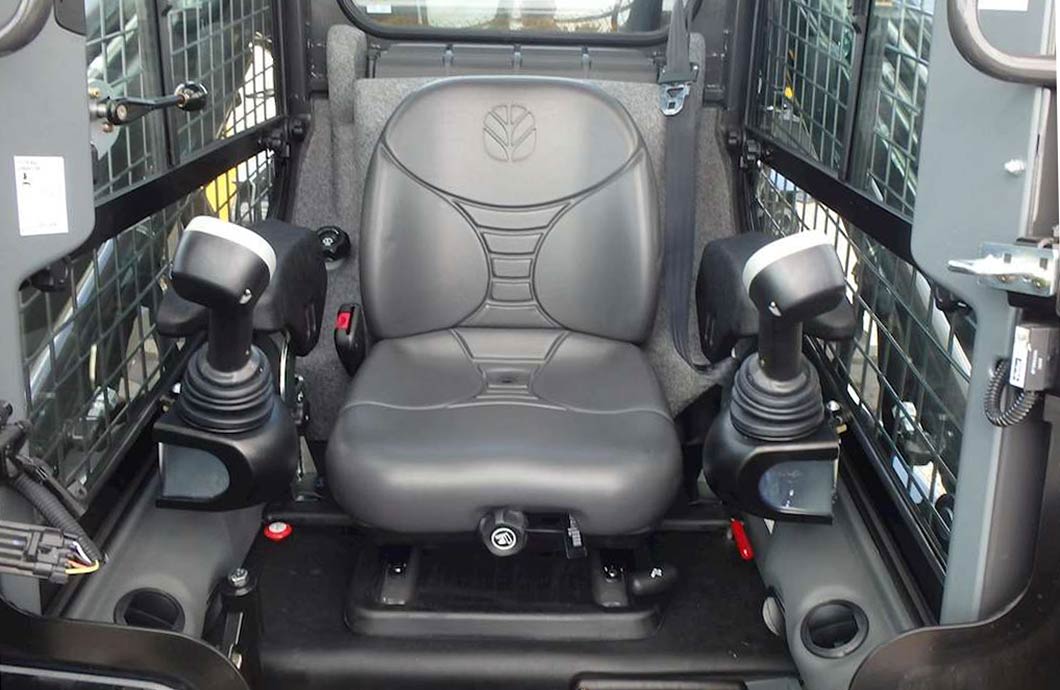
Before you start operating the thing, it’s a good idea to get to know the controls – just in case something unexpected happens. Check out the joysticks and foot pedals – and get to know what they do. Just a heads up – different skid steers have different control patterns – so make sure you check out the right one for your machine. The right joystick is usually used to control the loader and bucket, while the left joystick is for steering.
Inspecting Your Skid Steer Before Use
Before you even fire up the engine, take a good hard look at your skid steer. Check the fluid levels, the tires, and all your attachment connections. Make sure all the safety features are working okay, and that there’s nothing obviously wrong that could stop the thing working properly. That way, you can be sure you’re good to go with your skid steer operation.
Driving a Skid Steer
Skid Steer Controls 101
To drive a skid steer, you need to get a handle on the controls – which are pretty straightforward, to be honest. There are two joysticks and two foot pedals – and basically, the right joystick controls the loader, while the left joystick controls steering. And the foot pedals sort out the hydraulic thing. Once you’ve got the hang of it, it’s not so bad.
How to Actually Drive a Skid Steer
First things first, get your seatbelt on, and then release the parking brake. Now, to get moving, use the left joystick – push it forward to go forward, and pull it back to reverse while learning how to operate the skid steer effectively. For steering, it’s pretty simple – just move the two joysticks independently. Practice in a safe spot – and you’ll get the hang of it in no time.
Reversing a Skid Steer – Where to Get it Wrong
Reversing is always a bit trickier than driving forwards. So before you go, make sure the area behind you is clear – and have a good look at the mirrors and any backup cameras you’re using. And of course, just take it slow during skid steer operation – and be ready to stop if need be. And as a general rule, use three points of contact when you’re getting in or out of the machine.
Using Attachments with a Skid Steer
Popular Skid Steer Attachments
So what makes skid steers so versatile? It’s the attachments they come with, of course. With the right attachment, a skid steer can handle just about anything – from digging and moving stuff with a bucket, to grabbing big pieces of kit with a grapple.
- Buckets for digging and moving stuff\
- Grapples for handling big, awkward bits of kit* Pallet forks for lifting and moving pallets around the job site – they can really come in handy
- Augers for drilling holes in the ground – super useful for any project that requires some serious digging
This versatility makes the skid steer a darn near indispensable piece of heavy equipment on many construction jobsites, such as large landscape projects where a lot of heavy lifting is involved.
How to Hook Up and Unhook Equipment
Hooking up and unhooking skid steer attachments is a pretty simple process. First, make sure the skid steer is parked on a level patch of ground and the parking brake is on. Get the attachment plate on the attachment lined up with the mounting plate on the skid steer loader, and then give the locking pins or levers a good pull to secure it in place. Do a double-check to make sure it’s on good and tight before you start trying to use the thing, and always refer to the operating manual if you’re not sure what you’re doing.
Working the Boom and Bucket
Using the boom and bucket on a skid steer is a matter of getting a feel for how the joysticks work. To lift the boom, you just push the right joystick forward. To lower it, you pull it back. Tilt the bucket by moving the joystick side to side; moving it to the right will make the bucket dump its contents. Just takes a little practice to learn how to operate the machine and get used to how the thing moves.
Tricks for Operating a Skid Steer Like a Pro
Mastering Leveling and Grading with a Skid Steer
Mastering leveling and grading with a skid steer takes some finesse – you need to understand how the bucket controls work and be able to get a feel for how the skid steer’s hydraulic system responds. Smooth, precise movements with the joystick are key to getting good results and avoiding some of the common pitfalls – like gouging the ground or overfilling the bucket during skid steer operation. Don’t be afraid to take your time and get some practice in.
Getting the Most Out of the Lift Arms
To really make the most of the lift arms on a skid steer, you need to get to know the operating manual inside and out, and understand the limitations of the different models of skid steer you’re working with. When using the lift arms, try to use smooth, coordinated joystick movements to avoid any jerky or bumpy motions that could throw off the load. And don’t forget to keep an eye on the hydraulic system – regular checks will help keep it running at peak performance. Never try to push the limits of the machine – always stay within its specified operating capacity.
Skid Steer Tricks for Tough Terrain
Mastering some of the advanced maneuvers like pivot steering and counter-rotation on a skid steer takes a lot of practice and a pretty delicate touch with the joystick. These are pretty handy when you’re working in tight spaces, though – and the more you familiarize yourself with the skid steer’s controls and response times, the easier it gets. Just be sure to practice in a controlled environment first, and don’t be afraid to take things slow and easy while learning how to operate the machine.
Becoming a Skilled Skid Steer Operator
Where to Go for Skid Steer Training
If you want to get really good at operating a skid steer, you’re going to need to go beyond just reading a manual. Look for comprehensive training resources – maybe a formal certification program, or an online tutorial or two. And hands-on experience with an experienced operator is worth its weight in gold when learning how to operate skid steers. Many skid steer manufacturers – like Bobcat – offer special training courses for their machines. Take advantage of those to learn the ropes and become a pro.
Tips for Getting the Most Out of Your Skid Steer
If you want to get the most out of your skid steer, there are a few key things to keep in mind. Plan your work carefully so you don’t have to make too many unnecessary movements, and choose the right attachment for the job. Regular maintenance is key – keep an eye on those fluid levels and tire pressure, and don’t be afraid to get a little messy when it comes to cleaning the machine. Smooth, consistent joystick movements will help reduce wear and tear on the machine and keep fuel efficiency up, which is crucial for efficient skid steer operation. And the more you get to know different skid steers and their controls, including pedal controls, the better you’ll be for the long haul.
Skid Steer Safety 101 for Operators
Safety should always be your top priority when operating a skid steer. Always wear your seatbelt and make sure the rollover protection system is in good condition. Before you even start the engine, do a good old-fashioned walkaround to make sure everything is in working order. Keep an eye on your surroundings, and when you’re getting in and out of the cab, try to keep three points of contact – hands and feet, and always remember to fasten your seat belt. Never try to push the limits of the machine, and don’t make any sudden movements. Use three points of contact and always consult the operating manual for specific safety tips for the type of skid steer you’re using.